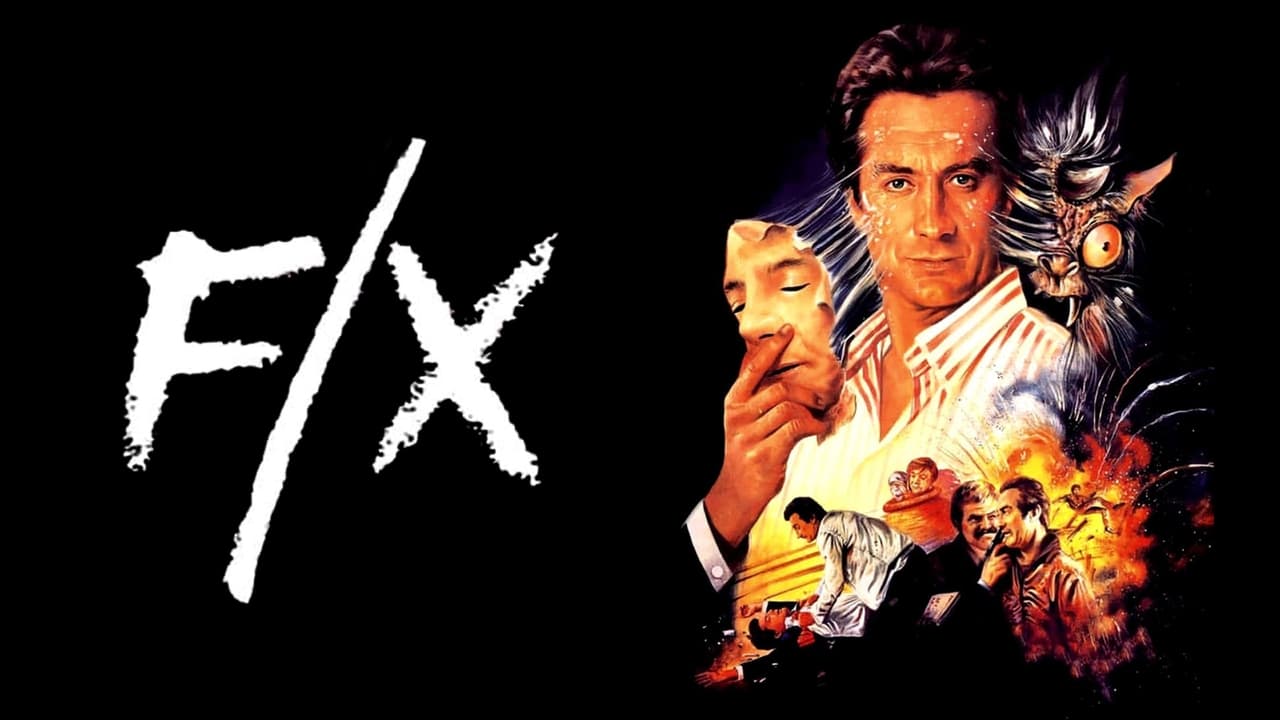
It starts with a simple proposition, deceptively clean on the surface. A government agency needs a master of illusion, a movie magic man, to stage a fake assassination. Just a bit of cinematic trickery applied to the real world, they say. But like the best illusions, the setup in F/X (1986) conceals a far more dangerous reality, pulling both its protagonist and the audience down a rabbit hole where the line between make-believe and murder blurs entirely. What unfolds is one of the slicker, smarter thrillers of the mid-80s, a film that understood the visceral power of practical effects long before CGI smoothed over all the rough edges.
The Setup is Everything
The premise itself feels like pure high-concept gold, doesn't it? Rollie Tyler, played with a grounded, resourceful energy by Australian actor Bryan Brown, is the guy you call when you need impossible visuals on screen. He’s a craftsman, a problem-solver who deals in fake blood, intricate squibs, and ingenious mechanical gags. So, when shadowy figures from the Justice Department (led by the always slightly unnerving Jerry Orbach) approach him for an off-the-books job faking the public execution of a mobster entering witness protection, it’s presented as just another complex effects sequence. The money's good, the challenge intriguing. But Rollie, perhaps blinded by the technical puzzle, steps through the looking glass. Of course, the setup is a setup, and soon he's framed, hunted, and forced to turn his movie-making skills into survival tools. It’s a brilliant hook, turning the very tools of cinematic deception into the hero’s arsenal.
Masters of Their Craft
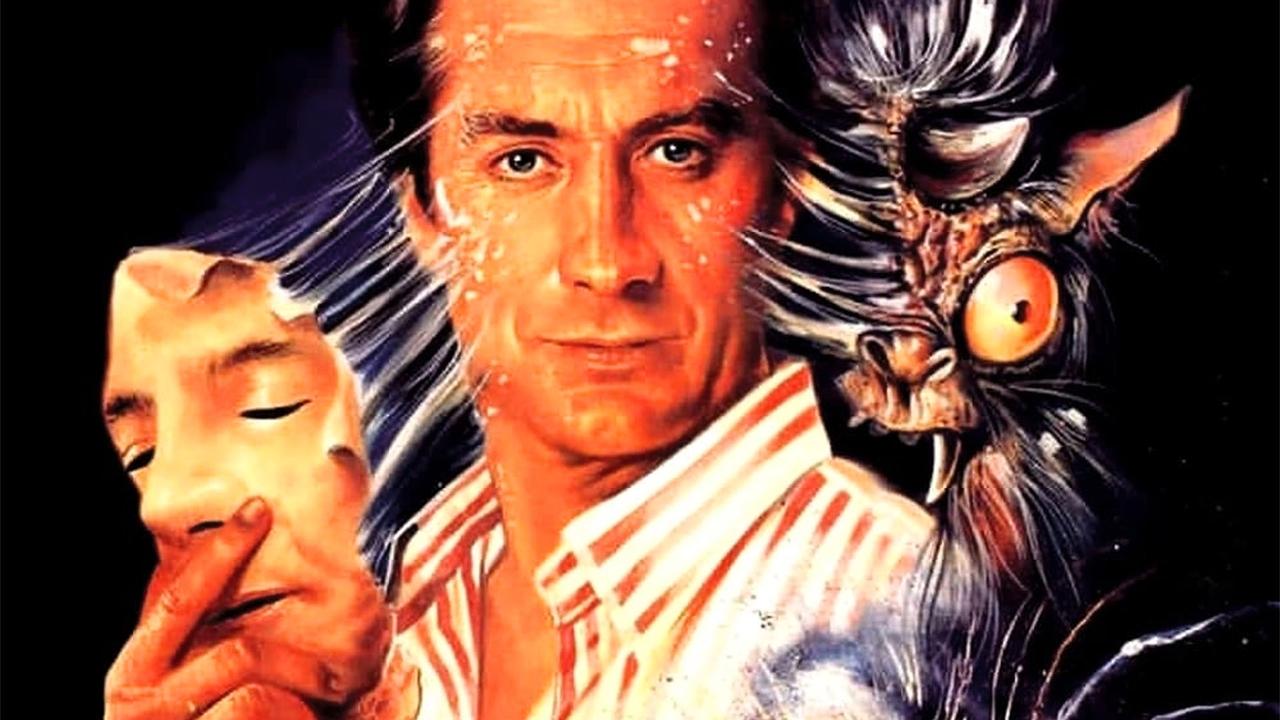
What truly elevates F/X beyond its clever concept are the central performances. Bryan Brown, perhaps best known to international audiences at the time for Breaker Morant (1980) or the TV miniseries The Thorn Birds (1983), is perfect as Rollie. He's not an action hero in the Stallone or Schwarzenegger mold; he's an intelligent technician pushed to the brink. There’s a vulnerability beneath his capability that makes his plight relatable. We believe he can rig an explosion or create a convincing disguise because that’s his job. Brown sells the desperation and the ingenuity equally well. I distinctly remember renting this one back in the day, probably grabbing it off the shelf based purely on the cool box art, and being completely drawn in by Brown’s believable portrayal of a guy whose expertise suddenly becomes his only lifeline.
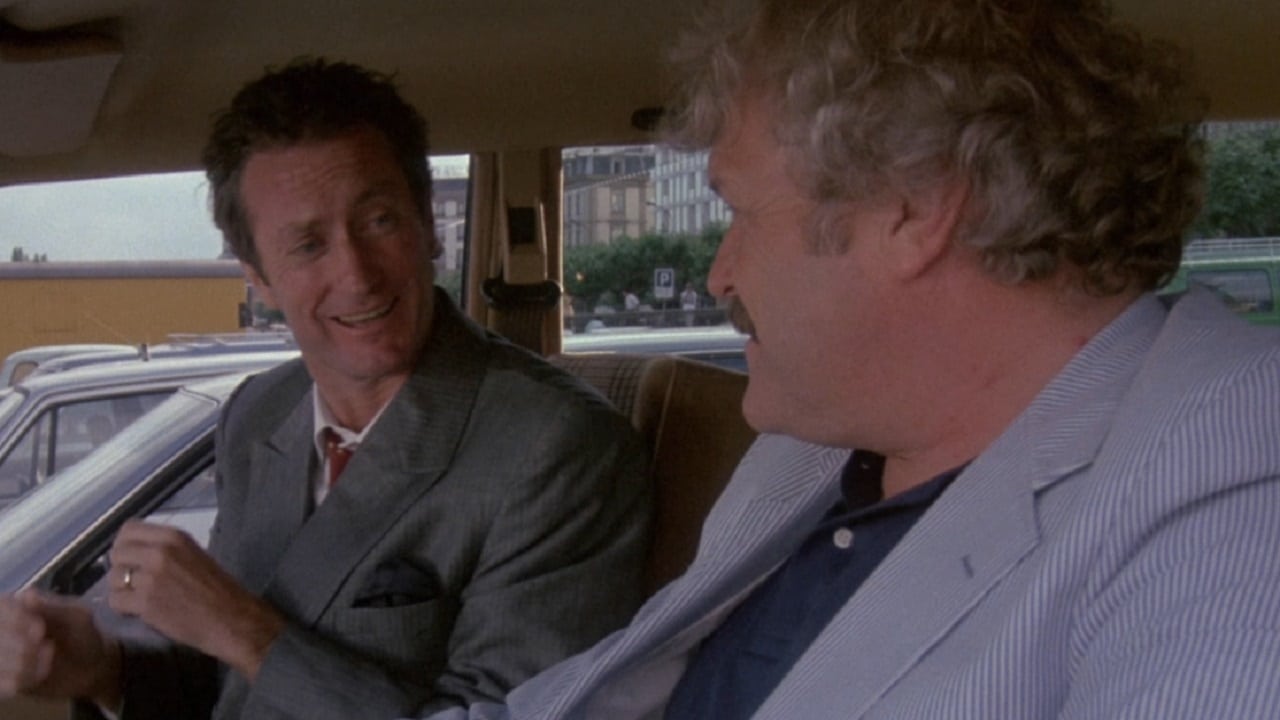
Then there's Brian Dennehy. Oh, Dennehy. Entering the film slightly later as NYPD Lieutenant Leo McCarthy, he doesn't just chew the scenery; he practically devours it, digests it, and asks for seconds, yet somehow makes it utterly captivating. McCarthy is the archetypal hard-nosed, cynical New York cop, but Dennehy imbues him with such weary charisma and sharp intelligence that he becomes far more than a stereotype. His investigation into the bizarre events surrounding the "assassination" runs parallel to Rollie's flight, and the film wisely keeps them apart for much of its runtime, building anticipation for their eventual, inevitable collision. Dennehy, who already had memorable turns in films like First Blood (1982) and Cocoon (1985), finds arguably one of his signature roles here – the rumpled, profane, surprisingly shrewd detective who sees through the official story. The scenes where he methodically unravels the conspiracy, often using little more than pointed questions and sheer force of personality, are a joy to watch.
The Magic Behind the Magic

Directed by Robert Mandel, who would later give us School Ties (1992), F/X benefits from a tight, no-nonsense approach. The pacing is generally excellent, building suspense effectively as Rollie improvises one clever escape after another. Remember the scene with the ultrasonic device in the department store? Pure 80s ingenuity, playing on technology that felt futuristic yet tangible. The film revels in the practical, hands-on nature of Rollie's work, making the effects sequences feel earned and clever, rather than just explosive set pieces. It's a celebration of the kind of movie magic that felt so real on VHS – the squibs, the latex masks, the rigged mechanisms.
Interestingly, the film itself had a touch of underdog success. Made for a relatively modest $15 million, it performed respectably at the box office, tapping into an audience ready for a thriller that relied on brains over just brawn. Its popularity spawned a sequel, F/X2 (1991), which reunited Brown and Dennehy, and even a television series that ran for two seasons in the late 90s. It seems the core concept – the illusionist forced to use his tricks for real – had legs. Apparently, early considerations for Rollie included heavyweights like Dustin Hoffman and Alan Alda, which suggests the producers knew they had a character piece as much as a thriller on their hands. Brown, however, feels like the perfect fit in retrospect – believable as both a skilled professional and a man utterly out of his depth. The gritty New York locations add another layer of authenticity, grounding the fantastic premise in a tangible, lived-in world.
Illusion and Reality
Beyond the thrills and clever escapes, F/X touches on themes that resonated in the 80s and perhaps still do today. The inherent distrust of government agencies, the ease with which reality can be manipulated, and the idea that seeing isn't always believing – these currents run beneath the surface. Rollie’s journey is one of profound disillusionment, realizing the tools he uses to entertain can be wielded for far darker purposes. McCarthy, too, operates in a world where corruption seems endemic, relying on his own street smarts and gut instinct over official channels. Doesn't the film subtly ask us how much of what we see, even in the "real" world, is carefully constructed artifice?
It’s not a perfect film; perhaps some plot mechanics feel a little convenient under scrutiny, and Diane Venora as Rollie's actress girlfriend feels somewhat sidelined by the narrative. But these are minor quibbles in what remains a highly entertaining and intelligently crafted piece of 80s cinema.
Rating: 8/10
This score feels right because F/X delivers exactly what it promises: a smart, tense thriller built around a fantastic central hook. The performances by Bryan Brown and especially Brian Dennehy are superb, the practical effects-driven plot is consistently inventive, and the direction keeps things moving at a brisk pace. It skillfully blends procedural elements with action and suspense, feeling both grounded and thrillingly cinematic. It’s a film that respects its audience's intelligence while providing genuine edge-of-your-seat moments.
For fans of 80s thrillers or anyone who appreciates clever plotting and strong character work, F/X remains a standout title from the VHS era – a reminder that sometimes, the most effective weapon is a well-executed illusion. What lingers most is that central, compelling question: where does the show stop and reality begin?