There's a certain kind of heat that doesn't warm, but suffocates. It clings to the air in small rooms, thick with unspoken desires and simmering resentments. Vicente Aranda's 1991 masterpiece, Lovers: A True Story (original title: Amantes), plunges us headfirst into that sweltering atmosphere, crafting a tale of passion so potent it curdles into something altogether more sinister. Finding this on a dusty VHS shelf back in the day, perhaps nestled between more conventional thrillers, felt like uncovering a secret – a stark, adult drama simmering with an intensity rarely matched.
A Triangle Forged in Shadow
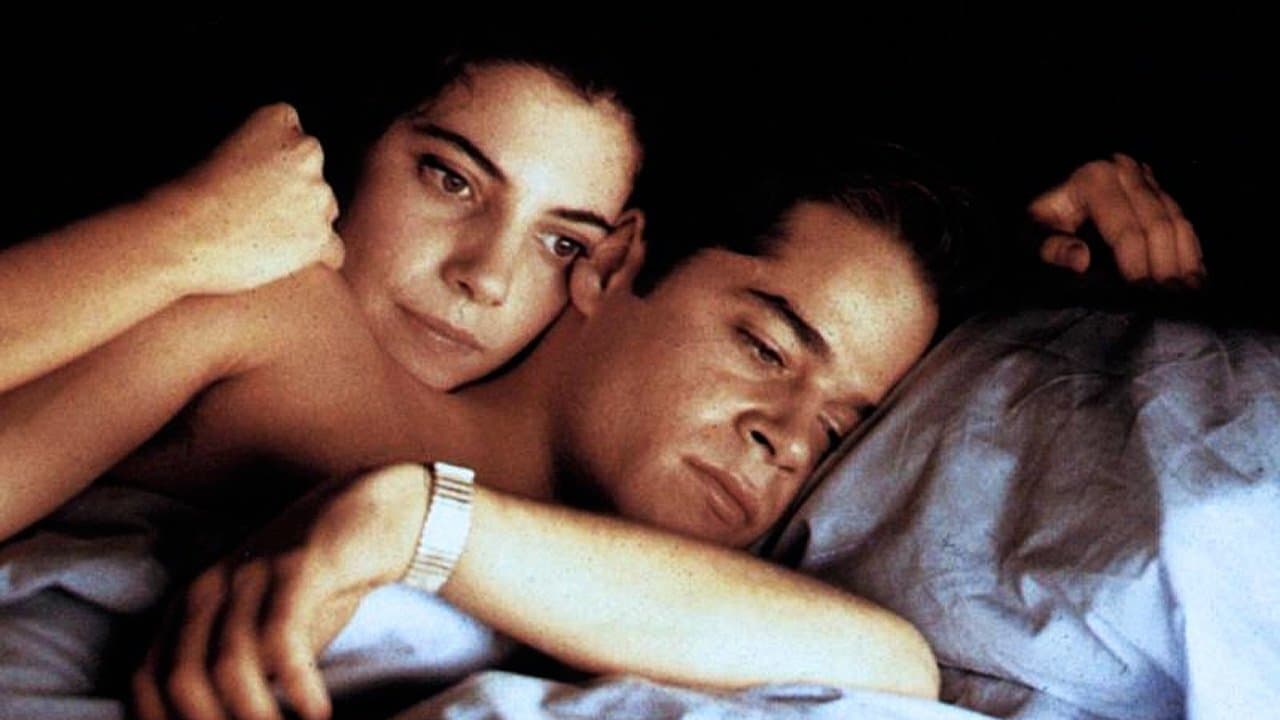
Set against the austere backdrop of 1950s Madrid, still bearing the scars and constraints of the Franco regime, the film introduces us to Paco (Jorge Sanz), a young man fresh out of military service. He’s handsome, somewhat naive, and betrothed to the devoutly innocent Trini (Maribel Verdú), his landlady's maid. Their plans seem straightforward: save money, get married, live simply. But life, as it often does, throws a wrench into the works, shaped here like the alluring figure of Luisa (Victoria Abril), the worldly, recently widowed landlady from whom Paco rents a room.
What begins as a spark of forbidden attraction quickly ignites into a full-blown, consuming affair. Aranda doesn't shy away from the physicality of their connection, but it's the psychological current running beneath it that truly electrifies the film. Luisa isn't just offering sex; she's offering Paco a glimpse into a life beyond his meagre prospects, a world of manipulation, deceit, and dangerous thrills. The "True Story" subtitle isn't just for show; the film draws chilling inspiration from the infamous 'Crime of Jarabo' ('el crimen de la Canal'), a real-life 1949 murder case that shocked Spain. Knowing this lends a grim inevitability to the proceedings, a sense that this destructive path has been trod before.
Burning Bright: The Performances
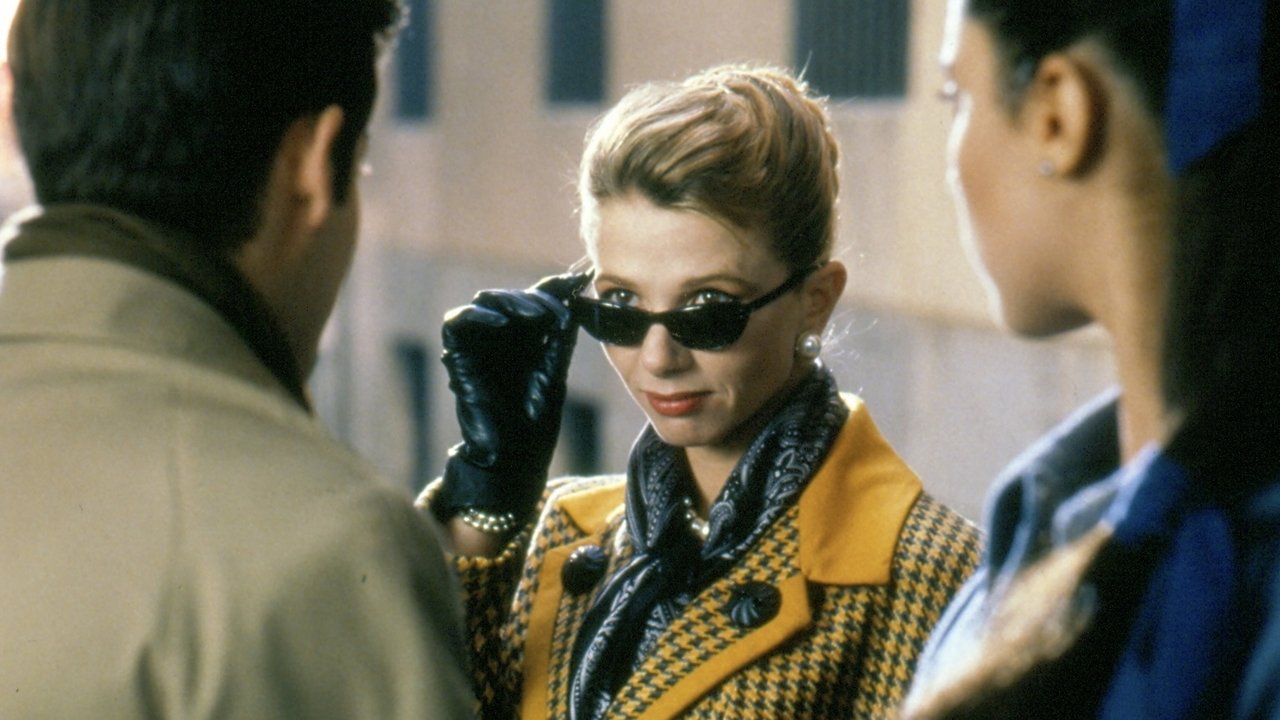
While Sanz perfectly captures Paco's descent from wide-eyed ambition to desperate complicity, and Verdú embodies Trini's heartbreaking blend of naivety and burgeoning suspicion, the film unequivocally belongs to Victoria Abril. Her portrayal of Luisa is a masterclass in calculated allure and chilling pragmatism. Luisa is a survivor, hardened by circumstance, who wields her sexuality and cunning intellect like weapons. Abril, who deservedly won the Silver Bear for Best Actress at the Berlin International Film Festival for this role, makes Luisa simultaneously terrifying and tragically understandable. There’s a viperous intelligence in her eyes, a weariness beneath the bravado, that makes her far more than a simple femme fatale. You see why Paco falls under her spell, even as you watch him unravel. The chemistry between Abril and Sanz is palpable, charged with a raw energy that feels genuinely perilous.
Crafting Claustrophobia
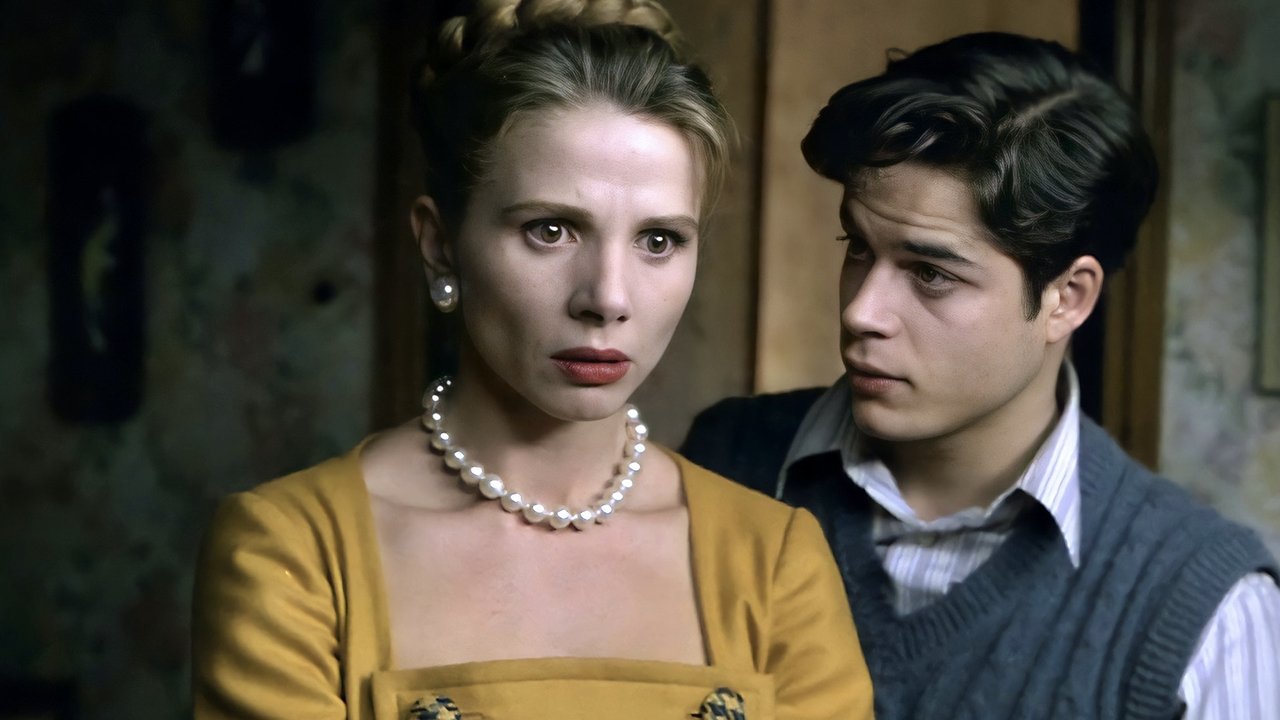
Vicente Aranda, a director often drawn to the turbulent intersection of passion and social constraint (as seen in later works like Juana la Loca (2001)), uses the period setting to brilliant effect. The cramped apartments, dimly lit bars, and stark streets of Madrid become more than just locations; they are extensions of the characters' hemmed-in lives and moral ambiguity. The atmosphere is thick with unspoken tensions, mirroring the oppressive political climate of the era. Aranda employs a direct, almost unvarnished style, letting the raw emotions and escalating stakes speak for themselves. There's a noir sensibility here – the doomed protagonist, the dangerous woman, the inexorable pull towards crime – but filtered through a distinctly Spanish, psychologically intense lens. The frankness regarding sexuality and the film's dark trajectory felt quite audacious at the time, contributing to its significant impact and its Goya Award wins for Best Film and Best Director.
Retro Fun Facts
It's fascinating to consider how a film like Amantes, deeply rooted in Spanish history and psychology, found its way onto international VHS shelves. It wasn't your typical blockbuster fare. Its success, critically and commercially within Spain, likely propelled its distribution. The real-life crime it adapted was notorious, ensuring morbid curiosity, but Aranda and his co-writers (Álvaro del Amo, Carlos Pérez Merinero) elevated it beyond mere sensationalism into a potent character study. Abril was already a star, known for her work with Pedro Almodóvar, but Amantes solidified her status as a dramatic powerhouse capable of incredible depth and darkness. Watching it now, you can appreciate the deliberate pacing, the reliance on performance over spectacle – hallmarks of a certain kind of mature filmmaking that often got lost in the shuffle of louder, faster fare common in rental stores.
The Lingering Chill
Lovers: A True Story isn't an easy watch. It doesn't offer neat resolutions or comforting moral lessons. Instead, it explores the terrifying ease with which ordinary desires – for love, for security, for a better life – can become twisted into obsession and destruction. It asks unsettling questions about agency, manipulation, and the darkness that can reside beneath the surface of seemingly ordinary lives. What happens when passion overrides reason entirely? The film doesn't flinch from the answer.
The power of the performances, particularly Abril's unforgettable turn, combined with Aranda's tightly controlled direction and the palpable sense of place and time, makes this a standout piece of 90s European cinema. It’s a film that gets under your skin and stays there, a potent reminder of how devastating love, in its most corrupted form, can truly be.
Rating: 9/10
This rating reflects the film's exceptional performances, particularly from Victoria Abril, its suffocatingly effective atmosphere, masterful direction, and its unflinching exploration of dark, complex themes. It's a powerful, expertly crafted psychological drama that fully earns its "True Story" moniker by feeling disturbingly real.
Final Thought: Decades later, the heat of Amantes hasn't cooled; it remains a searing portrait of passion's treacherous edge, leaving you pondering the shadows where love and crime fatally intertwine.