It starts with a feeling, doesn't it? A certain kind of dread mixed with a grim fascination. That’s the taste Peter Medak’s 1993 neo-noir Romeo Is Bleeding leaves behind, long after the static hiss of the tape running out. It’s not a comfortable film, nor does it try to be. It plunges you headfirst into a world soaked in sweat, cheap cologne, and the metallic tang of blood, forcing you to confront the messy, often pathetic, consequences of profound moral failure. It asks, perhaps, how far a man can fall before he becomes unrecognizable, even to himself.
A City Without Angels
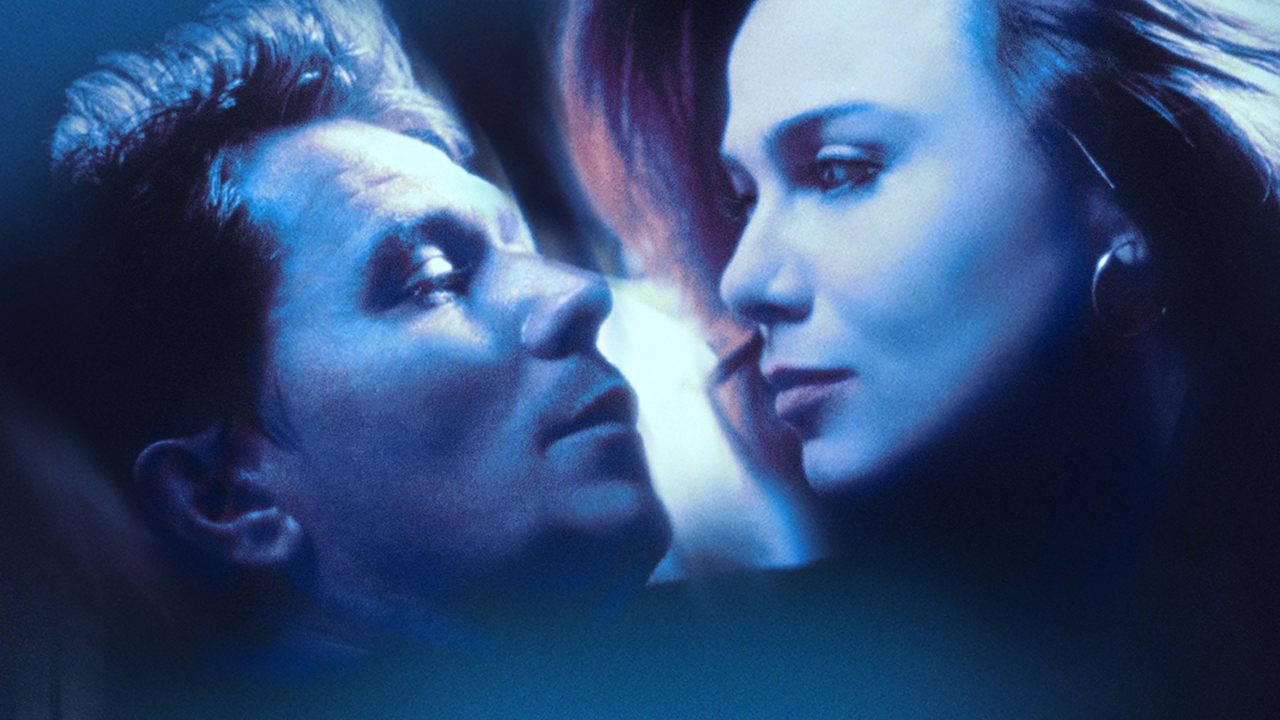
We’re dropped into the grimy streets of New York City, following Jack Grimaldi, played with a kind of desperate, kinetic energy only Gary Oldman could deliver. Jack’s a cop, but the badge is more of a convenience than a conviction. He's skimming off the top, feeding info to the mob (personified by a weary but menacing Roy Scheider, miles away from Amity Island), juggling a long-suffering wife, Natalie (Annabella Sciorra, bringing a quiet strength to a difficult role), and a naive young mistress, Sheri (Juliette Lewis, perfectly capturing wide-eyed vulnerability). He thinks he’s got it all figured out, this precarious balancing act. He’s wrong. So very wrong.
Enter the Hurricane
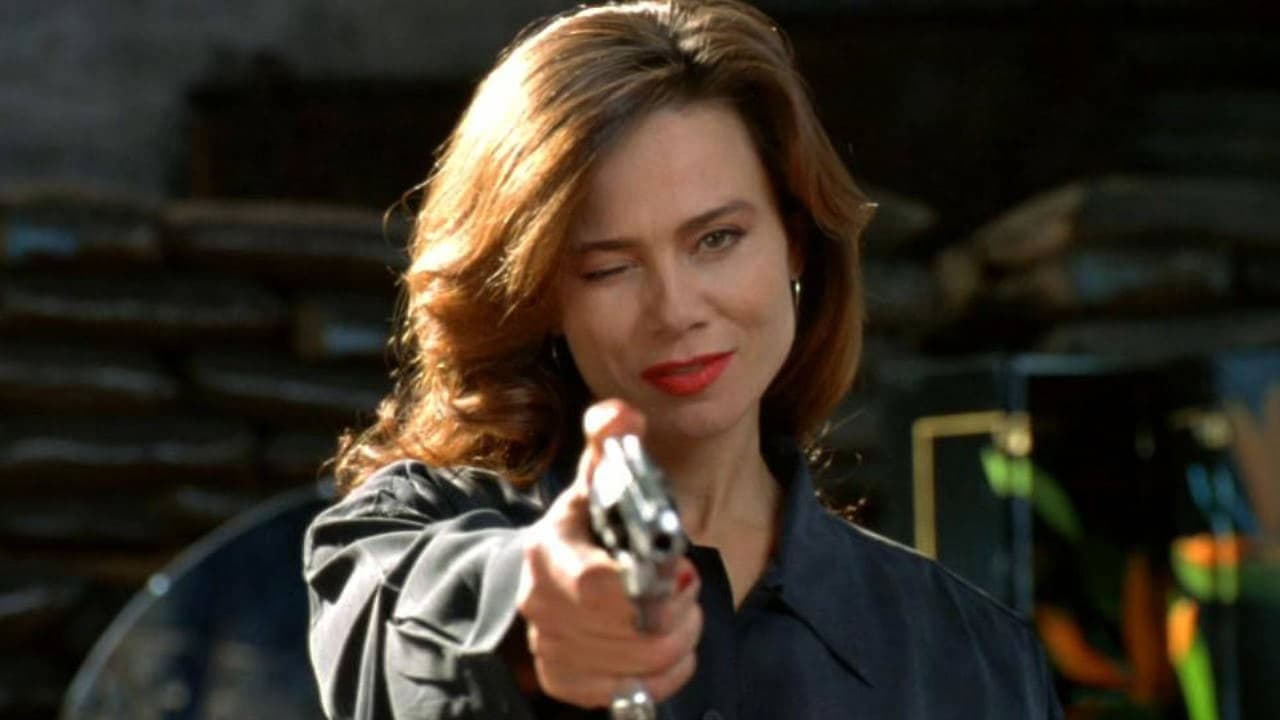
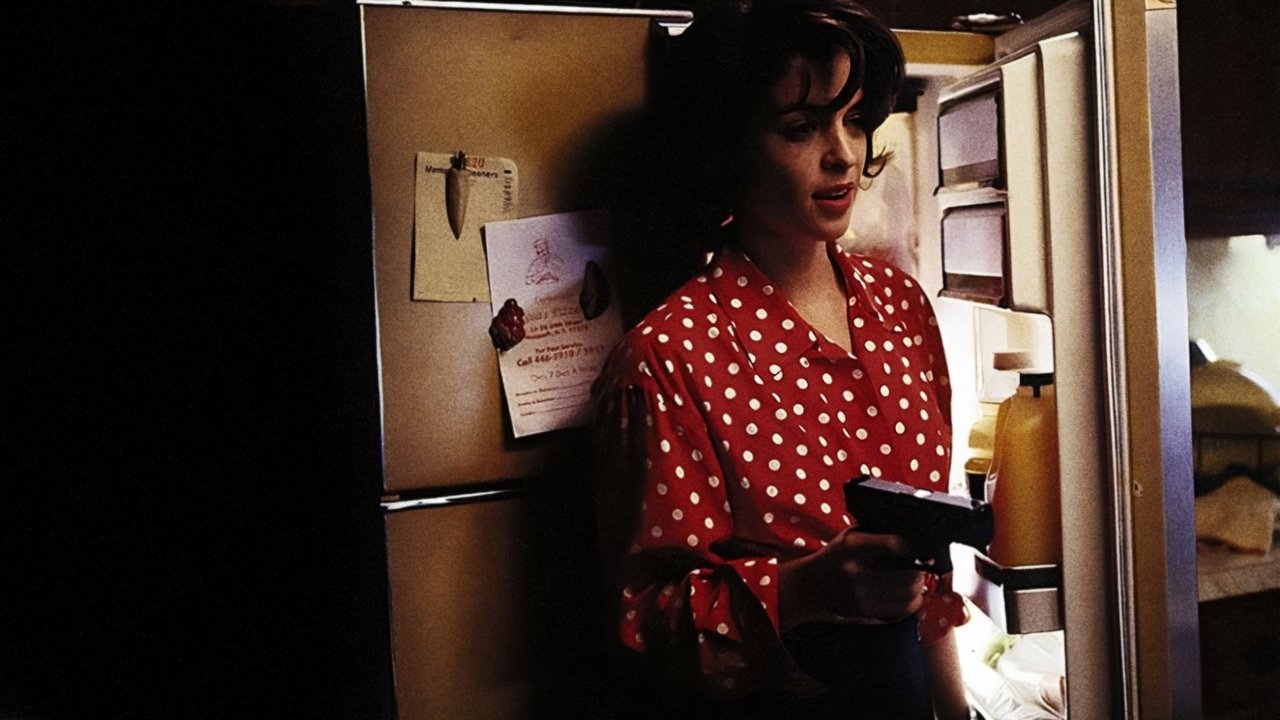
The catalyst for Jack’s implosion arrives in the lethally seductive form of Mona Demarkov. Lena Olin doesn't just play a femme fatale; she becomes a force of nature, a whirlwind of raw sexuality and shocking violence. Mona is everything Jack desires and fears. She sees right through his facade, exploits his weaknesses, and drags him deeper into a hell of his own making. Olin’s performance is genuinely iconic – physical, fearless, and utterly terrifying. Remember that scene with the handcuffs in the car? It’s pure, audacious cinema, blurring the line between horrific violence and pitch-black comedy in a way that leaves you breathless and deeply unsettled. It’s a moment burned into the memory of anyone who rented this tape back in the day.
Dancing on the Edge of Madness
Peter Medak, who gave us the chilling biographical crime film The Krays (1990), directs with a stylish, almost hallucinatory flair. The film often feels like a waking nightmare, bathed in neon glows and deep shadows. Medak isn't afraid to push the boundaries, sometimes tipping into operatic excess. Some found this jarring back in '93, contributing to its initially mixed reception and underwhelming box office (it barely scraped back its $6.9 million budget). Yet, it's this very willingness to go over the top, to embrace the lurid and the grotesque, that cements its cult status. It’s a film that feels dangerous, unpredictable.
Tales from the Underbelly (Retro Fun Facts)
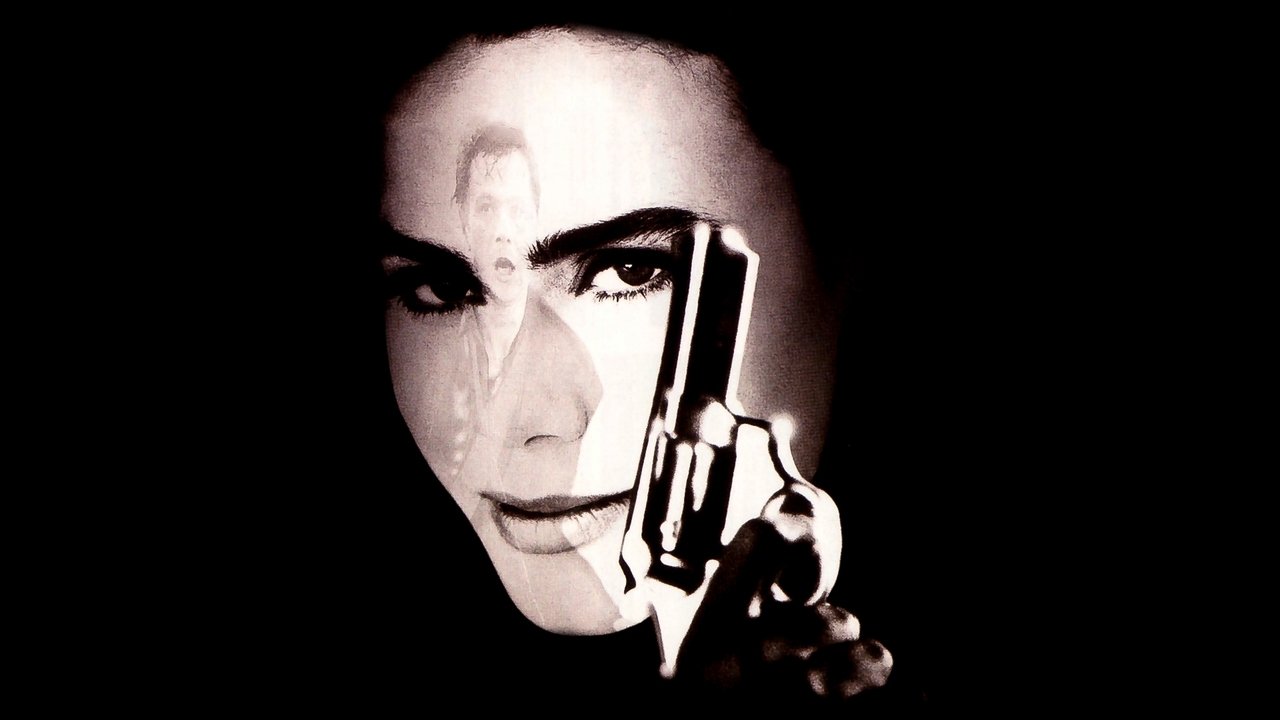
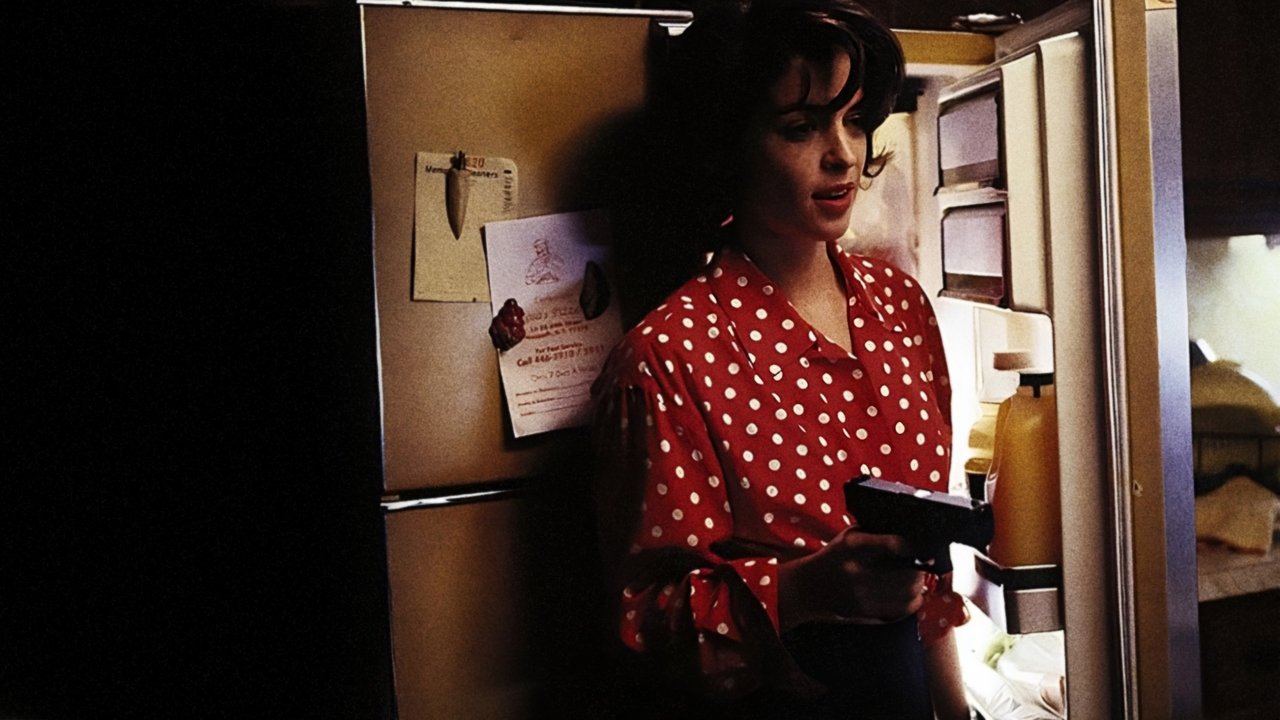
The film's evocative title, Romeo Is Bleeding, comes directly from a Tom Waits song, perfectly capturing the sense of doomed romance and inevitable pain that permeates the narrative. Writer Hilary Henkin, who would later co-write the sharp political satire Wag the Dog (1997), crafts dialogue dripping with cynicism and despair. Apparently, the shoot was incredibly demanding, particularly for Gary Oldman, who throws himself into Jack’s physical and mental disintegration with alarming commitment. You see every bead of sweat, feel every desperate gasp for air. It’s a performance that borders on the uncomfortable, but it’s undeniably powerful. The film wasn't a critical darling upon release; many reviewers were put off by its violence and tonal shifts. Yet, like so many unique visions relegated to the back shelves of video stores, it found its audience – those of us drawn to its dark heart and unforgettable characters.
The Stain That Won't Wash Out
What truly resonates about Romeo Is Bleeding, watching it again after all these years, is its unflinching portrayal of corruption’s corrosive effect. It’s not just the system that’s rotten; it’s Jack himself. He’s not a good man forced into bad situations; he’s a weak man who makes terrible choices, again and again. Is there any sympathy left for him by the end? Or just a profound sense of waste? The film doesn't offer easy answers. It leaves you pondering the nature of temptation, the hollowness of materialism, and the inescapable gravity of our actions. That shot of Jack, buried up to his neck in the desert... it's a potent metaphor for the hole he dug for himself.
This wasn't your standard 90s thriller. It was wilder, stranger, more willing to plumb the depths of its protagonist's psyche, even if it meant getting messy. Renting this back then felt like finding something forbidden, something intense and darkly glittering on the shelf next to the more mainstream fare. It had that dangerous allure, much like Mona Demarkov herself.
Rating: 8/10
This score reflects the film's audacious style, its unforgettable, powerhouse performances (especially from Oldman and Olin), and its enduring power as a uniquely unsettling piece of 90s neo-noir. While its tonal shifts and moments of excess might not work for everyone, they are integral to its challenging identity. It earns its cult status through sheer, unapologetic nerve.
Romeo Is Bleeding lingers like cheap whiskey and regret – a potent, sometimes overwhelming cocktail, but one you won't easily forget. It’s a stark reminder that sometimes, the deepest wounds are self-inflicted.