Here’s the review for "Mo' Better Blues":
***
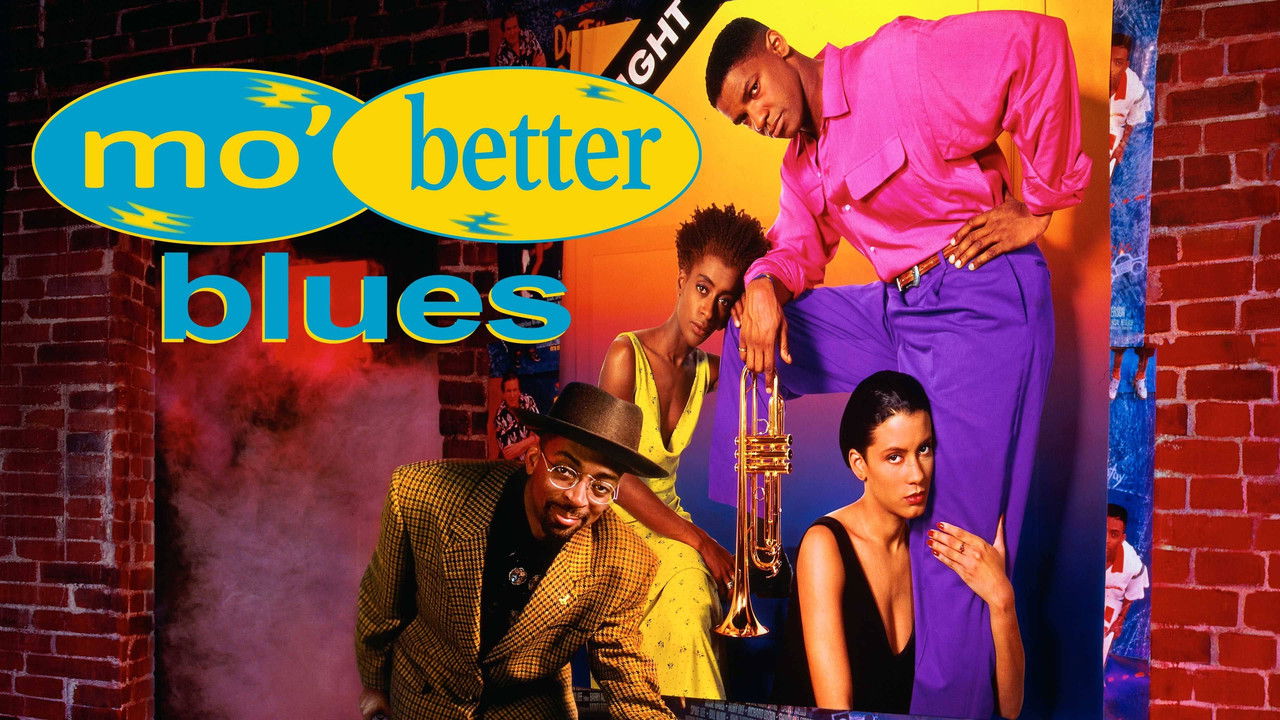
What lingers most strongly after the vibrant pulse of Spike Lee’s Mo' Better Blues fades from the screen? Is it the seductive wail of Bleek Gilliam’s trumpet, cutting through the smoky haze of the Beneath the Underdog jazz club? Or perhaps it's the quieter, more discordant notes of the messy, complicated life swirling around the music? Released in 1990, this film felt like a significant moment – Lee, already a vital cinematic voice with Do the Right Thing (1989), turning his lens towards the world of jazz, ambition, and the precarious balance between artistic dedication and personal connection. Watching it again now, on a format far removed from the hefty VHS tapes we might have rented back in the day, feels like revisiting a complex, sometimes frustrating, but undeniably captivating piece of work.
The Sound and the Fury
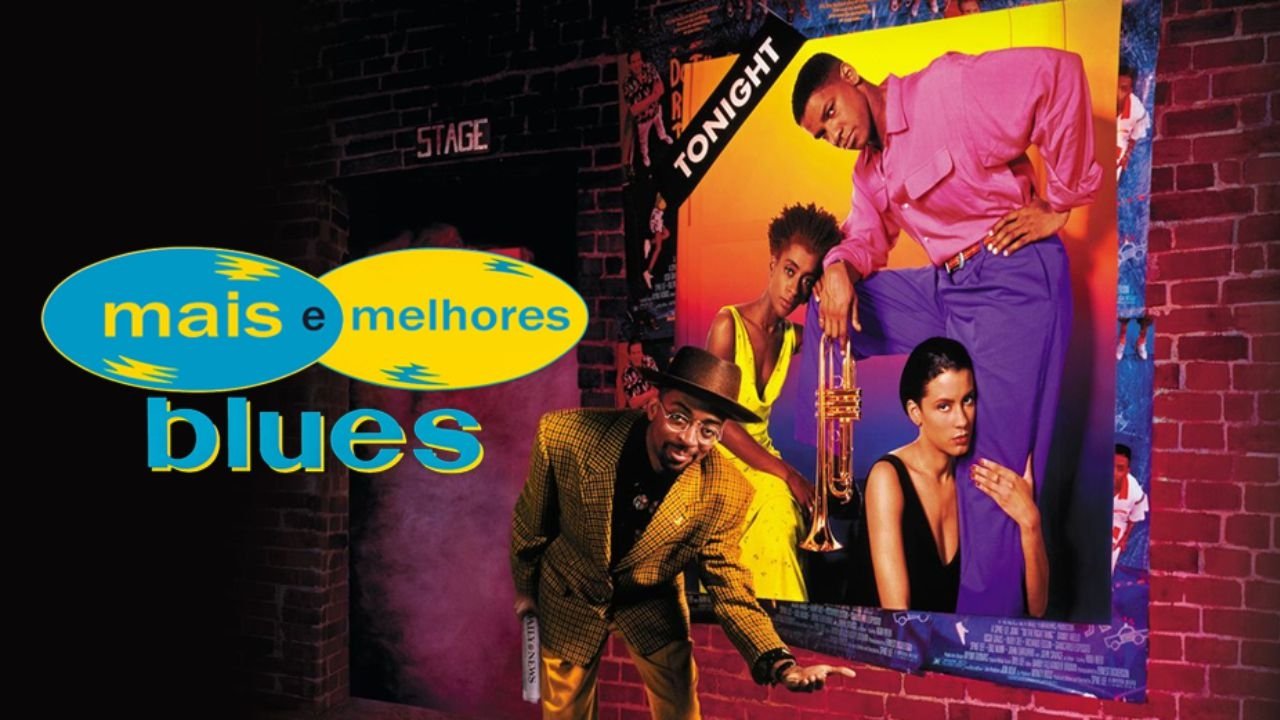
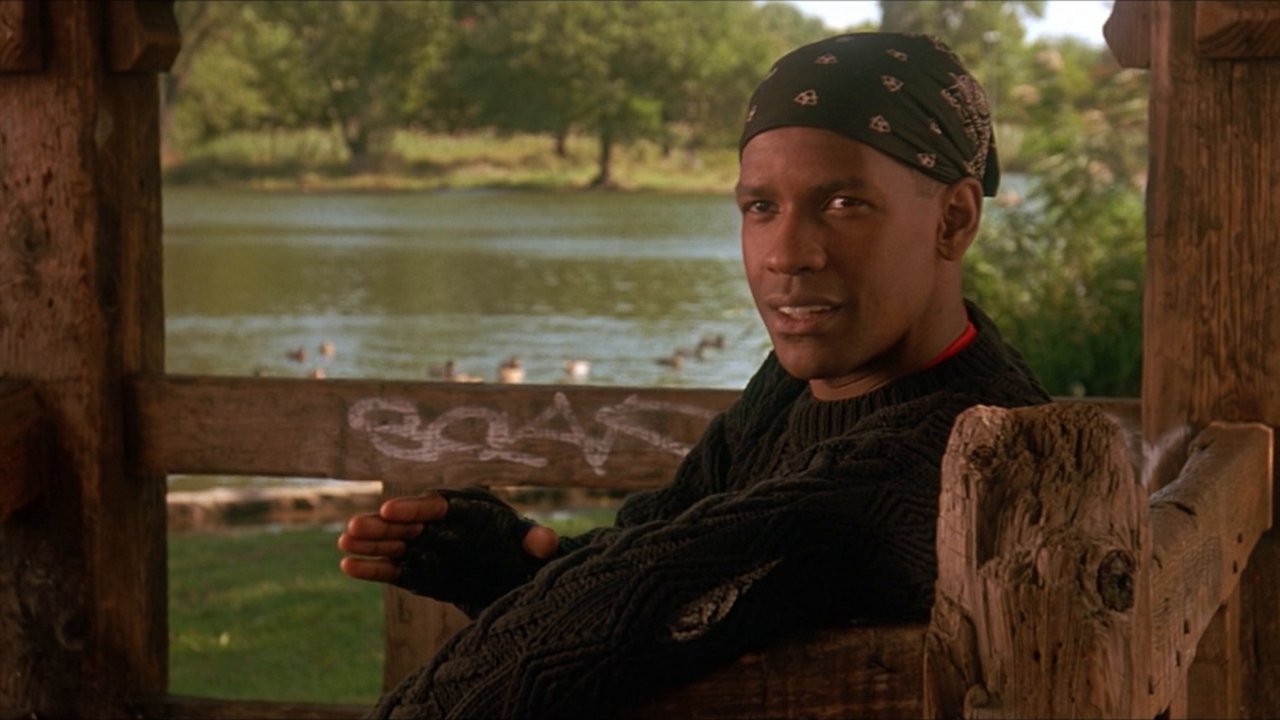
At its heart, Mo' Better Blues is the story of Bleek Gilliam, portrayed with a simmering intensity by Denzel Washington in one of his early collaborations with Lee. Bleek is a gifted trumpeter, the magnetic center of his own quintet, utterly devoted to his music. Washington embodies him not as a simple hero, but as a man whose singular focus becomes both his greatest strength and his most profound weakness. He’s charming, he’s talented, but he’s also profoundly self-absorbed, juggling two relationships – with the steady Indigo Downes (Joie Lee) and the aspiring singer Clarke Bentancourt (Cynda Williams) – with the same casual command he brings to his solos, seemingly unaware or uncaring of the emotional toll.
This central conflict – the demands of art versus the responsibilities of life – is the film's driving force. Lee doesn't shy away from Bleek's flaws; in fact, he puts them under a microscope. We see the camaraderie and the simmering rivalries within the band, particularly between Bleek and the charismatic saxophonist Shadow Henderson, played with effortless cool by Wesley Snipes. Their musical duels are electric, mirroring the underlying tensions in their friendship and ambitions. You could feel the heat coming off the screen during those club scenes, couldn't you? The energy was palpable, captured brilliantly by cinematographer Ernest Dickerson, whose use of color and shadow turns the club into a living, breathing entity.
Life Between the Sets


While the music is the soul of the film – driven by a phenomenal score from Bill Lee (Spike’s father) and the Grammy-winning soundtrack featuring the Branford Marsalis Quartet with Terence Blanchard handling Bleek's trumpet performances – it’s the interpersonal drama that gives it weight. Spike Lee himself plays Giant, Bleek's childhood friend and perpetually gambling manager, whose loyalty is constantly tested by his own failings. It's a performance that adds a layer of tragicomic vulnerability to the narrative. The dynamic between Bleek, Giant, and Shadow forms a compelling, if often destructive, triangle of friendship and competition.
It's worth remembering the dedication at the film's end to comedian Robin Harris, who tragically passed away shortly after filming his scenes as Butterbean Jones, the club's MC. His brief appearances are hilarious and poignant, a snapshot of a talent gone too soon. There was also some controversy surrounding the film upon release, specifically regarding the portrayal of the Jewish club owners, Moe and Josh Flatbush (John Turturro and Nicholas Turturro), which drew accusations of stereotyping. It’s an element that feels uncomfortable viewing today and sparked considerable debate back in 1990, a reminder of how Lee’s work often courted difficult conversations.
For the musically inclined fan, a fun bit of trivia is that both Denzel Washington and Wesley Snipes took lessons on their respective instruments – trumpet and saxophone – to lend authenticity to their performances, even though their actual playing was dubbed by seasoned professionals. It speaks to the level of commitment Lee fostered on set. Apparently, the initial script was considerably longer, hinting at an even more sprawling narrative than the already dense two-plus hours we received. Made for around $10 million, it brought in about $16 million at the box office – a respectable return, though perhaps not the blockbuster some expected after Do the Right Thing.
Echoes and Reflections
Mo' Better Blues isn’t a perfect film. Its pacing can sometimes meander, and Bleek’s self-centeredness can make him a challenging protagonist to root for. Yet, its power lies in its refusal to offer easy answers. It asks potent questions about the price of artistic obsession. What sacrifices are acceptable in the pursuit of greatness? Can true connection survive alongside all-consuming ambition? The film doesn't provide neat resolutions, leaving the viewer to ponder the often-harsh consequences of Bleek's choices.
The performances remain a major draw. Washington is mesmerizing, capturing both the allure and the arrogance of talent. Snipes matches him note for note, radiating star power. And the ensemble cast, including Giancarlo Esposito as the pianist Left Hand Lacey, feels authentic, lived-in. They inhabit this world completely. The film feels less like a straightforward narrative and more like immersing oneself in a specific time, place, and sound. It's a mood piece as much as a story, steeped in the atmosphere of late-night jazz clubs and the complex rhythms of human relationships.
Rating: 8/10
This rating reflects the film's undeniable artistry, stellar performances, and unforgettable music, which wholly justify its place as a significant work in Spike Lee's filmography. The captivating atmosphere and challenging themes resonate deeply. While some narrative choices, pacing issues, and controversial elements slightly temper its perfection, its strengths far outweigh its weaknesses. It’s a rich, complex film that embodies the soulful, often bittersweet, sound of the blues itself.
What ultimately stays with you from Mo' Better Blues? For me, it’s the haunting melody of Bleek’s trumpet, forever intertwined with the image of a man brilliant enough to capture beauty in music, but perhaps not wise enough to hold onto it in life. A true Spike Lee Joint, indeed.