Sometimes, the story behind the film becomes more compelling, more infamous, than the film itself. Such is the glittering, disastrous orbit of 1990's The Bonfire of the Vanities. Seeing that VHS box on the rental store shelf, perhaps nestled between slicker thrillers or goofier comedies, felt like holding a piece of cultural shrapnel. It promised so much: a best-selling, era-defining novel by Tom Wolfe, a hotshot director in Brian De Palma (still riding high from The Untouchables), and a cast practically blinding in its star power. Yet, even back then, whispers of trouble had already begun to circulate. Watching it now, decades removed, isn't just about revisiting a movie; it's like conducting an archaeological dig into a fascinating Hollywood excavation site.

Anatomy of Ambition
At its core, The Bonfire of the Vanities aimed to capture the Zeitgeist of late-80s New York City – a pressure cooker of Wall Street excess, racial tension, media frenzy, and gaping class divides. Tom Wolfe’s sprawling novel was a scalpel dissecting this world through the eyes of Sherman McCoy, a self-proclaimed "Master of the Universe" bond trader whose perfect life unravels after a fateful wrong turn in the Bronx with his mistress, Maria Ruskin. Enter Peter Fallow, a washed-up British journalist desperate for a story, and Reverend Bacon, an activist eager to exploit the incident, and you have the combustible elements for a scorching satire. The potential was enormous. So, what went wrong?
A Cast Against Type?
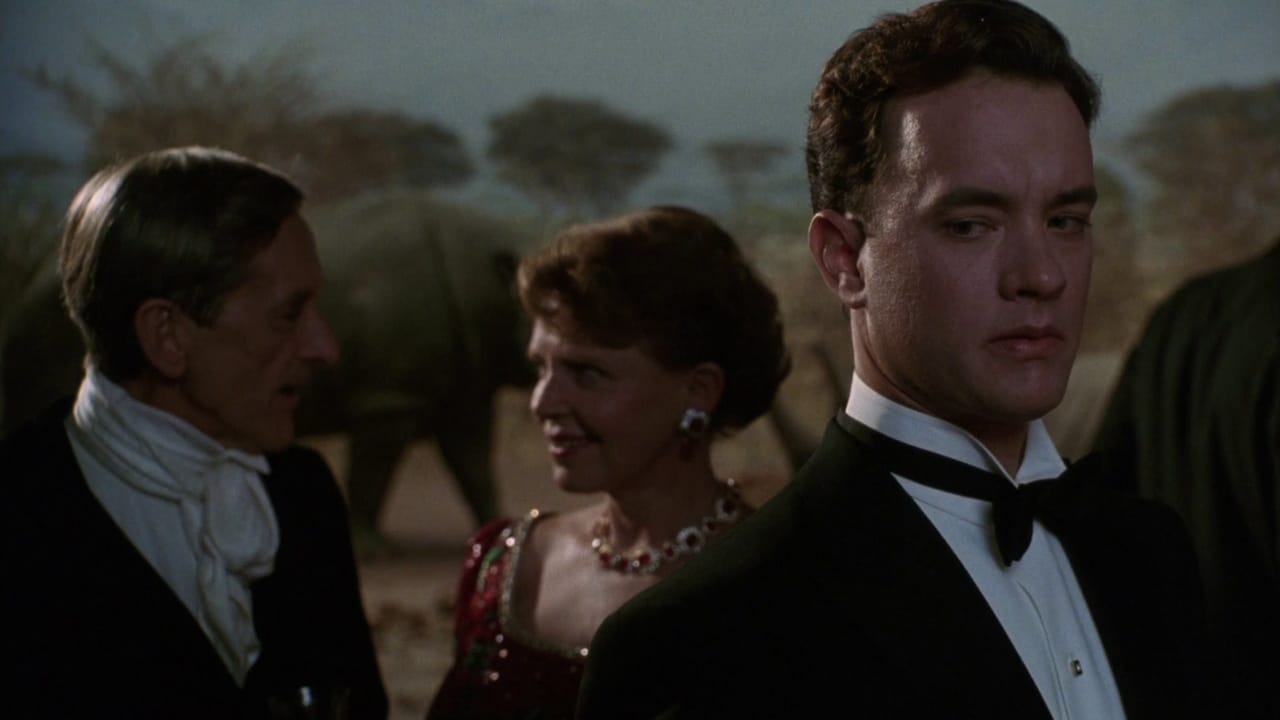
The casting remains one of the most debated aspects of the film. Tom Hanks, then cementing his image as America’s incredibly likable everyman post-Big, took on the role of Sherman McCoy, a character Wolfe painted as an arrogant, entitled WASP. Could Hanks, inherently sympathetic, truly embody McCoy's specific brand of patrician hauteur and moral hollowness? The film often feels like it's pulling its punches with Sherman, sanding off his sharper edges, perhaps hesitant to make its leading man truly unlikeable. It's less a critique of the performance – Hanks is never less than professional – and more a question of fundamental casting philosophy clashing with the source material's intent.
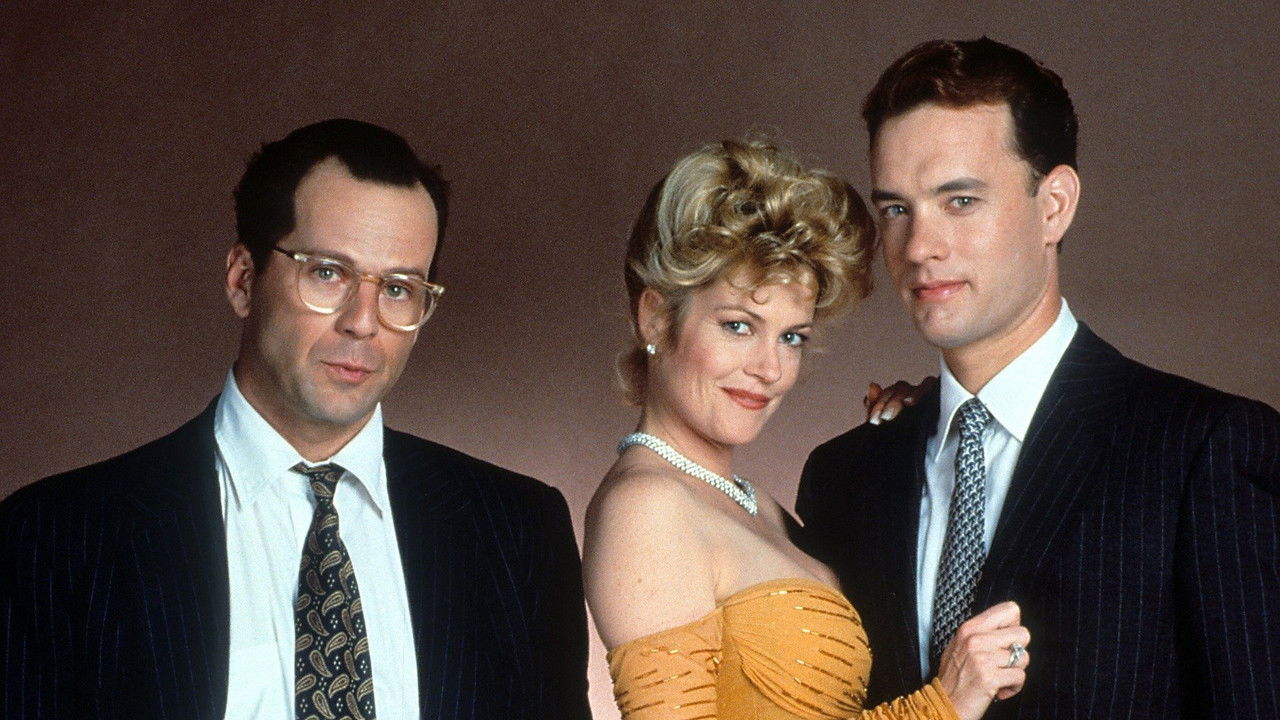
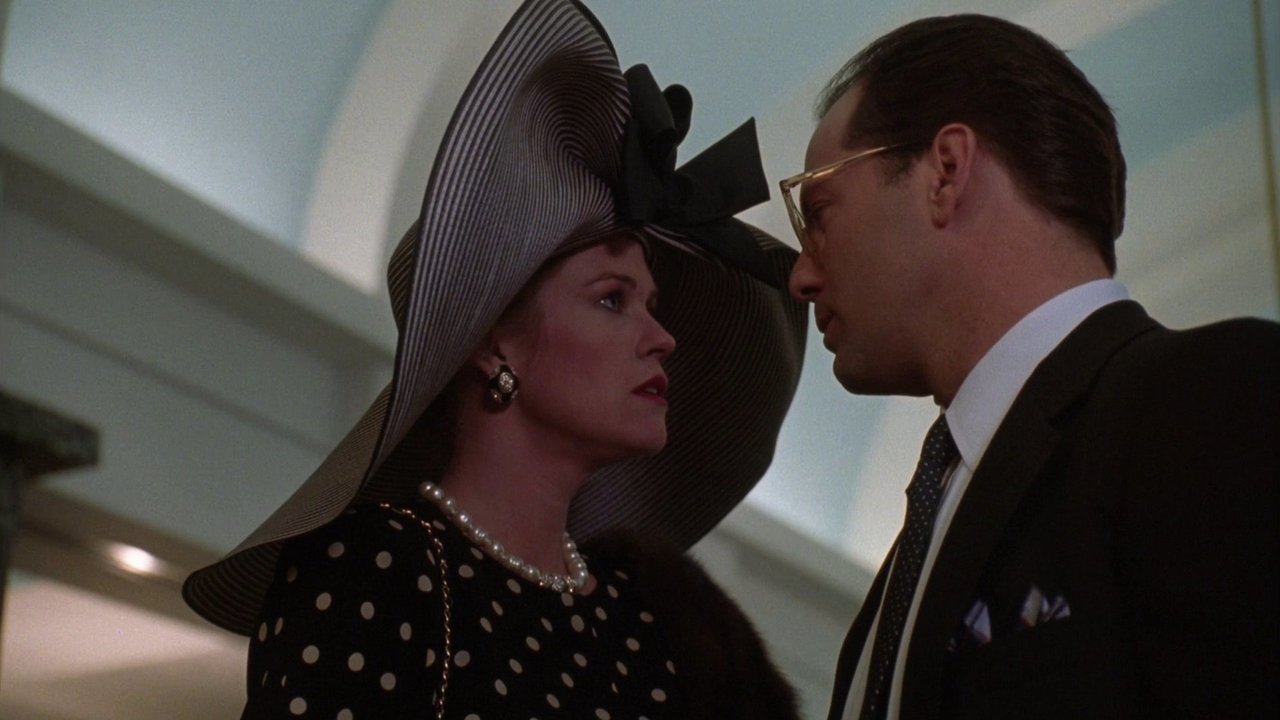
Then there's Bruce Willis as Peter Fallow. In the novel, Fallow is a dissolute British expatriate. Willis, embodying the height of his Die Hard action-hero charisma, feels like a different beast altogether. He brings swagger, certainly, but the character's specific brand of weary cynicism and foreign detachment feels lost. It was a star-driven decision (reportedly, Willis commanded a hefty $5 million paycheck, a significant chunk of the budget), but one that further shifted the film's tone away from Wolfe's sharp social commentary. And Melanie Griffith, fresh off Working Girl, tackles Maria Ruskin, the Southern belle gold-digger. She certainly looks the part, embodying the luxurious, dangerous allure, but the character sometimes feels less like a calculating player and more like a component in the plot's machinery. Perhaps the most significant casting alteration, however, was changing the novel’s Judge Myron Kovitsky to Judge Leonard White, played by the ever-dignified Morgan Freeman. This decision, intended to inject a voice of moral authority and perhaps appease concerns about the novel's racial politics, fundamentally altered the story's cynical ecosystem, offering a comforting resolution Wolfe deliberately avoided.
De Palma's Dissonance
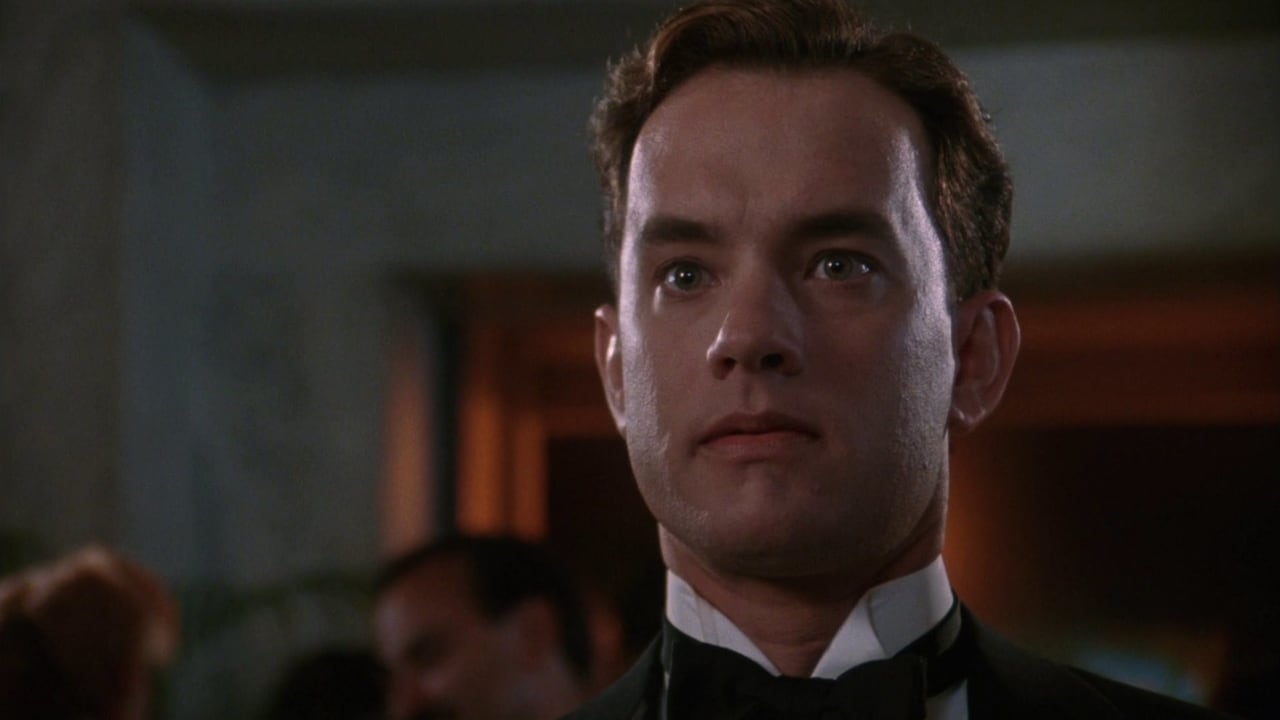
Brian De Palma is a director known for his distinctive visual flair – elaborate tracking shots, split-screen compositions, a certain operatic intensity. And indeed, Bonfire opens with a signature De Palma moment: a long, impressive Steadicam shot following Peter Fallow through the bowels of a building to a lavish party. It’s technically masterful, but does it feel right for this story? Throughout the film, De Palma employs canted angles and wide lenses, attempting to visually convey the distorted reality and moral vertigo of the characters. Yet, sometimes this stylistic approach feels at odds with the grounded, satirical nature of the material. It occasionally heightens the drama to a near-cartoonish level, sacrificing the novel’s nuanced critique for broader strokes. Is it possible his visual language, so effective in thrillers and crime dramas like Scarface or Dressed to Kill, simply wasn't the right fit for biting social satire?
Echoes from The Devil's Candy
You can’t really talk about The Bonfire of the Vanities without acknowledging Julie Salamon’s brilliant book, "The Devil's Candy: The Bonfire of the Vanities Goes to Hollywood." Salamon had unprecedented access to the set, documenting the spiraling budget (ballooning from an initial estimate closer to $30 million to a final $47 million), the script revisions aimed at softening the characters and narrative (including a notoriously reshot, more "uplifting" ending that flew in the face of the novel's bleakness, reportedly due to poor test audience scores), and the general sense of a production losing its way. Knowing these details adds another layer to watching the film today. You see the compromises, the moments where the source material's sharp teeth were likely pulled. For instance, the film reportedly tested multiple narration styles before settling on Willis's Fallow, further indication of the struggle to find the right tone. Even small details, like the specific luxury car Sherman drives being changed due to manufacturer concerns, speak volumes about the pressures shaping the final product. It becomes a fascinating case study in adaptation, compromise, and the often-perilous journey from page to screen, especially when dealing with beloved, complex source material.
A Glimmer in the Ashes?
Decades later, removed from the initial disappointment and backlash, is The Bonfire of the Vanities watchable? Surprisingly, in some ways, yes. It's a time capsule of late 80s/early 90s aesthetics and anxieties, albeit filtered through a flawed Hollywood lens. The production design certainly captures the era's opulence and decay. And there are moments where the performances connect, hinting at the better film that might have been. Morgan Freeman, as always, brings gravitas, even if his character feels like an imposition on the original text. And perhaps the film’s greatest legacy is as a cautionary tale – a reminder of how easily ambition, star power, and big budgets can conspire to dilute potent satire. It failed to capture the lightning in Wolfe’s bottle, but the attempt itself, and the spectacular, well-documented nature of its failure, holds its own unique fascination for film fans. Renting this back in the day felt like an event; watching it now feels like sifting through the aftermath, looking for clues.
Rating: 4/10
The rating reflects the film's status as a significant misfire, particularly in its adaptation of the source material and its questionable casting choices that dilute the novel's satirical bite. While De Palma's direction has visual moments and the production captures a certain era-specific sheen, the overall execution feels compromised and tonally confused. It earns points primarily as a fascinating Hollywood artifact and for the sheer audacity of the attempt, further illuminated by the infamous behind-the-scenes story.
Final Thought: The Bonfire of the Vanities remains less a cinematic achievement and more a high-profile Hollywood cautionary tale, forever flickering in the VHS afterlife as a symbol of ambition colliding with flawed execution. It asks us, perhaps unintentionally, how much 'Hollywoodizing' a story can endure before its original fire is extinguished.