What constitutes 'proof' in a world filtered almost entirely through the senses? And what happens when one of those senses, perhaps the one most associated with objective reality – sight – is absent? This isn't just a philosophical puzzle; it's the fascinating, tightly wound core of Jocelyn Moorhouse's exceptional 1991 debut feature, Proof. Pulling this gem off the shelf, I’m reminded it’s not simply a film about blindness; it’s a piercing psychological drama exploring trust, control, and the desperate, often destructive ways we seek validation from others.
An Image of Mistrust
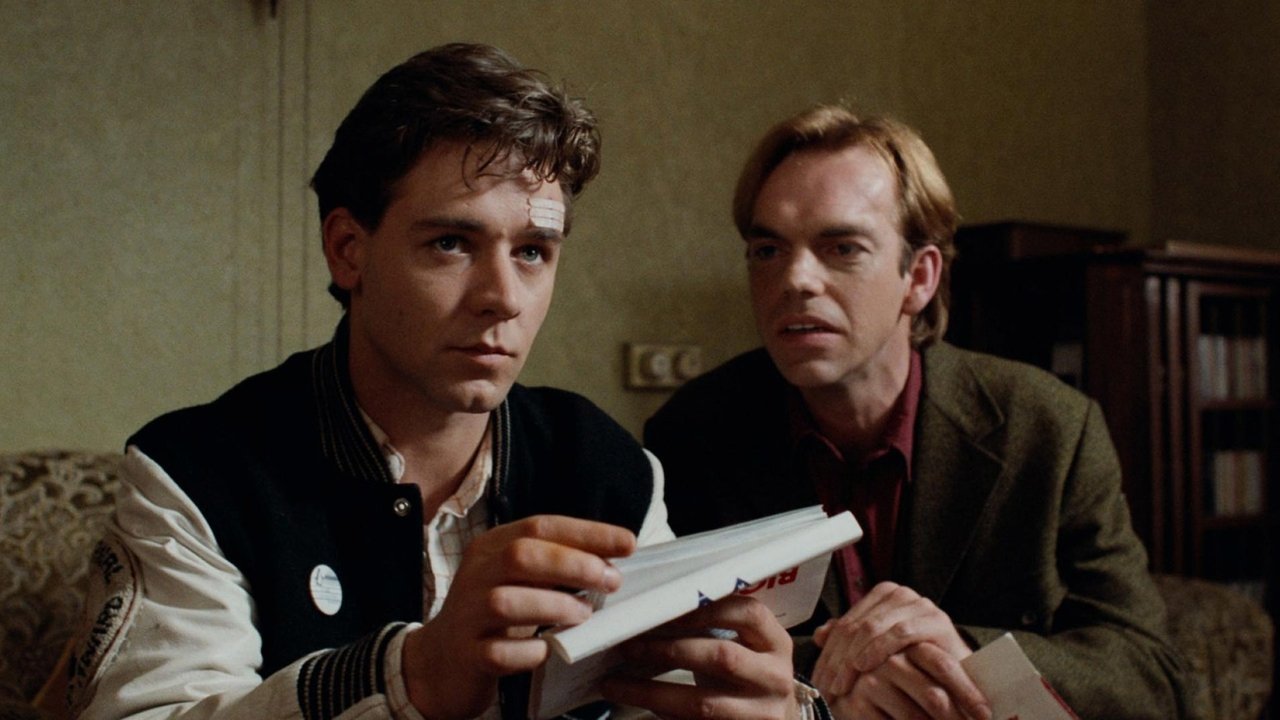
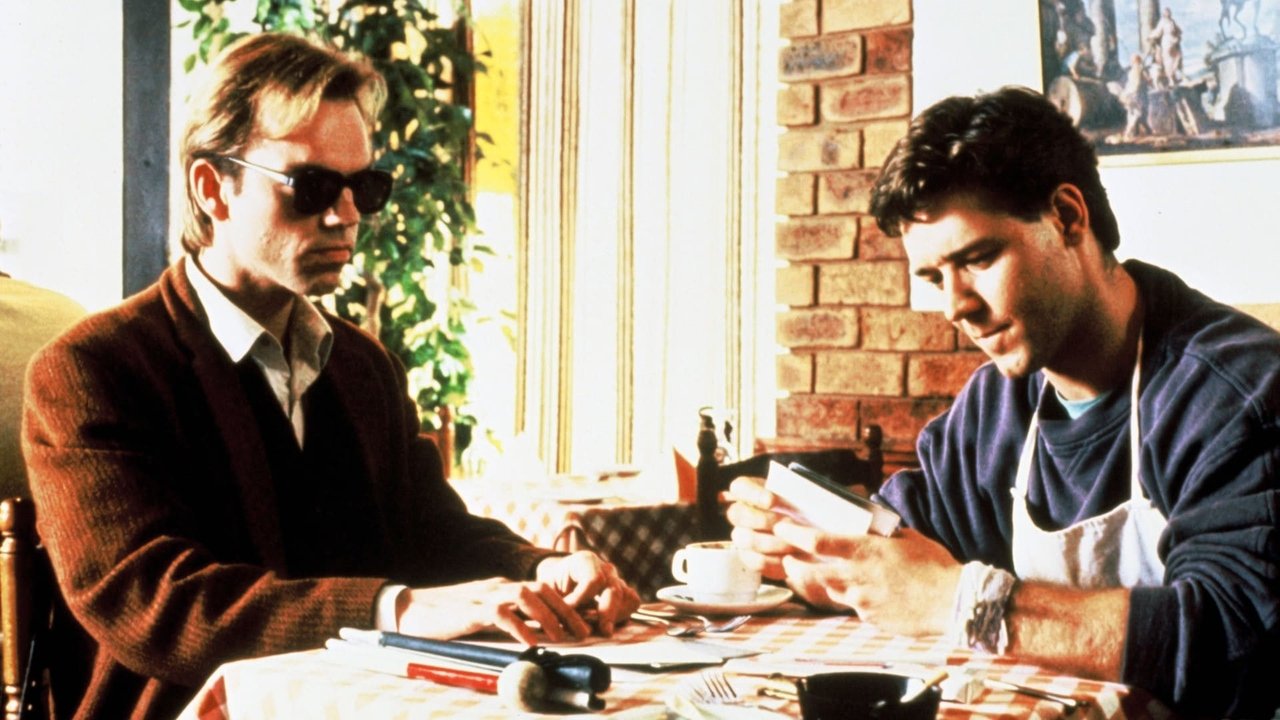
The film introduces us to Martin (Hugo Weaving), a man blind since birth who navigates his world with a rigid, almost militant precision. His unusual coping mechanism? Photography. He takes pictures constantly, documenting moments, spaces, and faces, not as artistic expression, but as tangible evidence of the world he cannot see. These photos, however, are useless to him without description. He relies on others to tell him what’s in the frame, yet he lives in perpetual fear of being lied to, his past experiences having seemingly confirmed his deepest suspicions about the sighted world. It’s a compelling, almost paradoxical setup: capturing light he cannot perceive, seeking truth through an inherently subjective medium, interpreted by potentially unreliable narrators. The atmosphere Moorhouse creates is immediate – precise, slightly sterile, reflecting Martin's carefully controlled existence, yet humming with unspoken tension.
A Triangle Forged in Need and Deceit
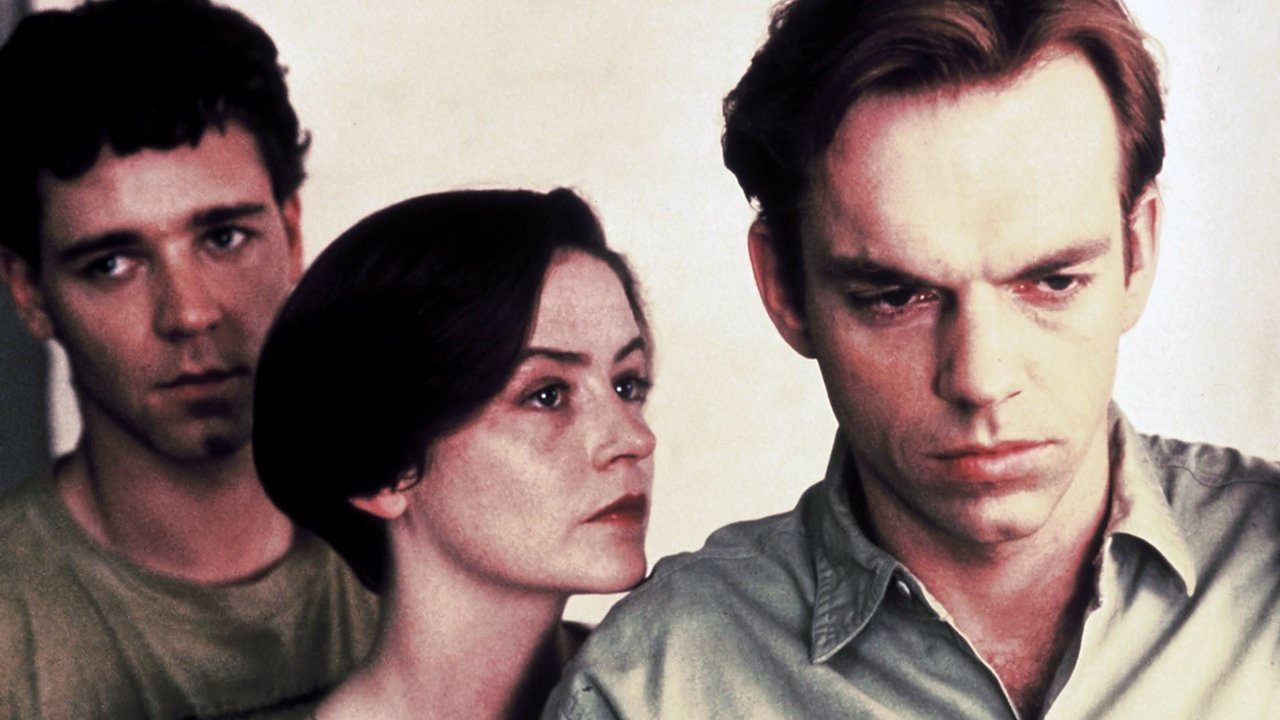
Into Martin’s meticulously ordered life walks Andy (Russell Crowe), a young, unassuming kitchen hand. Andy’s apparent straightforwardness and lack of guile appeal to Martin, who tentatively begins to trust him as his photographic interpreter. This burgeoning friendship, fragile as it is, offers Martin a potential lifeline, a chance to finally believe what he’s told about his own captured images. But this fragile connection immediately threatens Celia (Geneviève Picot), Martin's devoted, yet deeply manipulative, housekeeper. Celia harbours a secret, possessive love for Martin, and she sees Andy not just as a rival for Martin's attention, but as a threat to the careful ecosystem of dependence she has cultivated. What unfolds is a gripping, intimate power struggle, a triangle built on Martin's desperate need for honesty, Andy's naive good nature, and Celia's quietly terrifying campaign of emotional sabotage. It’s the kind of character-driven drama that feels increasingly rare – tense, subtle, and utterly absorbing.
Performances That Resonate
The film rests squarely on the shoulders of its three leads, and they are uniformly magnificent. Hugo Weaving, in a role Moorhouse reportedly penned specifically for him after seeing his power on stage, delivers a career-defining performance. It's a masterclass in controlled physicality – the slight, constant tension in his posture, the way he angles his head to listen, the abrupt shifts from quiet intensity to flashes of raw frustration. Weaving conveys Martin’s profound isolation and vulnerability beneath the abrasive, defensive exterior. He makes you understand the exhausting vigilance required to navigate a world you inherently distrust.
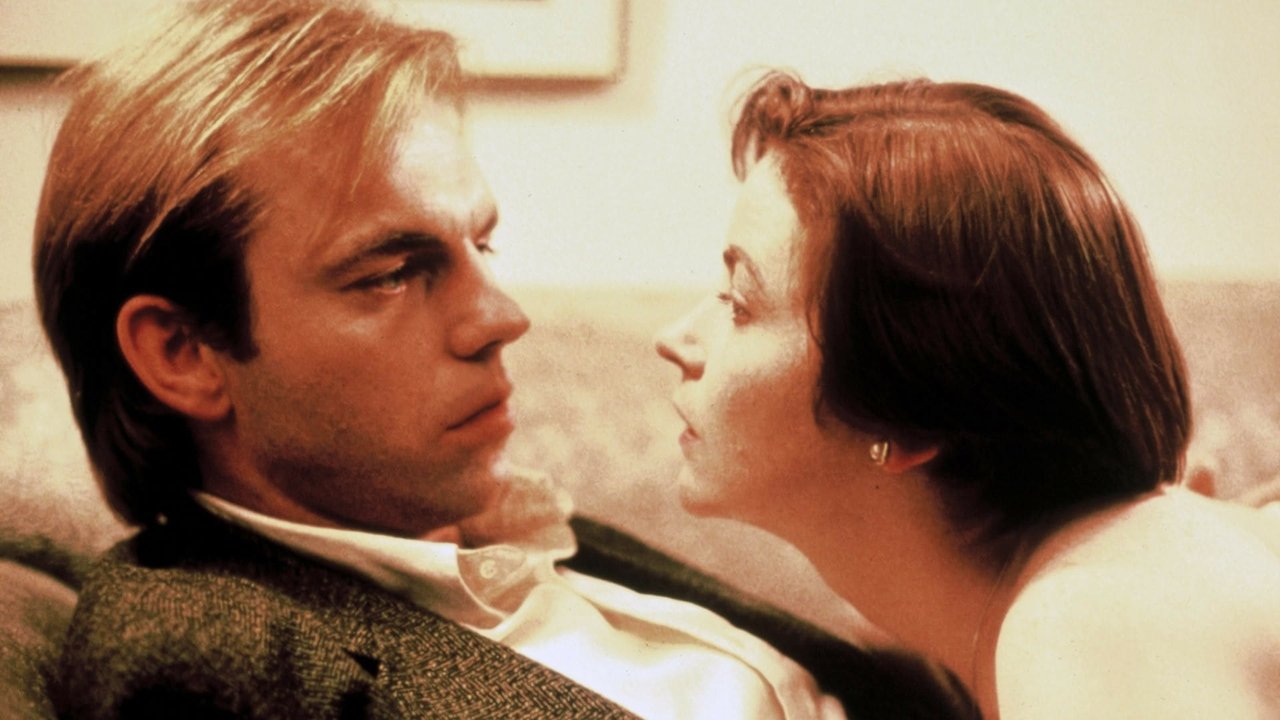

Opposite him, Geneviève Picot is chillingly effective as Celia. She crafts a character whose ordinary surface – the concerned housekeeper – barely conceals a simmering obsession and a ruthless capacity for cruelty. Picot’s genius lies in the nuance; Celia’s manipulations often stem from moments of perceived kindness, making her actions all the more insidious. Her performance avoids caricature, grounding Celia's desperate need for control in a recognizable, albeit deeply warped, human loneliness.
And then there's Russell Crowe, years before achieving global stardom with films like L.A. Confidential (1997) or Gladiator (2000). As Andy, he brings a crucial warmth and unaffected charm. His performance feels incredibly natural; Andy is the audience's anchor, the seemingly simple soul caught in Martin and Celia’s complex web. Crowe embodies an openness that contrasts sharply with the guardedness of the other two, making the potential betrayal of his trust all the more potent. Watching him here, you can already see the charisma and screen presence that would soon make him a household name.
Moorhouse's Assured Hand
What’s remarkable is that Proof was Jocelyn Moorhouse's first feature film. She directs with incredible confidence and precision, echoing Martin's own controlled world through stark compositions and deliberate pacing. The film was made on a relatively small budget (reportedly around AUD $1.1 million), yet it feels impeccably crafted. Moorhouse wisely keeps the focus tight, mostly confining the action to Martin's house and Andy's workplace, enhancing the sense of claustrophobia and psychological intimacy. This wasn’t just stylistic flair; it was smart filmmaking that leveraged its constraints, leading to major wins at the Australian Film Institute Awards, including Best Film, Best Director, Best Screenplay, and Best Actor for Weaving. It’s a testament to how a strong script and powerful performances can trump blockbuster budgets. Weaving’s preparation, involving time spent with blind individuals to understand their spatial awareness and sensory focus, clearly pays dividends in the authenticity of his portrayal.
Lingering Questions
Proof doesn't offer easy resolutions. It leaves you wrestling with unsettling questions about the nature of perception, the corrosive effects of mistrust, and the complex web of dependency that can define human relationships. Can we ever truly know another person's reality? How much of what we 'see' is coloured by our own needs and fears? The film explores these ideas without resorting to melodrama, maintaining a quiet intensity that stays with you. It’s a potent reminder of the strength of Australian cinema in the early 90s and a film that feels just as sharp and relevant today. I distinctly remember renting this back in the day, drawn in by the curious premise, and being utterly captivated by its quiet power – a feeling that hasn't diminished one bit.
Rating: 9/10
This score reflects the film's exceptional screenplay, Moorhouse's confident direction (especially for a debut), and the truly outstanding, perfectly balanced performances from its central trio. It’s a near-flawless execution of a unique and compelling premise, exploring complex psychological territory with intelligence and nuance. The tight focus and deliberate pacing might not appeal to everyone, but for those who appreciate character-driven drama that makes you think and feel deeply, Proof is essential viewing.