It begins with a feeling, doesn't it? A creeping sense of unease, a knot tightening in your stomach as you watch two people descend into a world they were only supposed to observe. That’s the lingering power of Lili Fini Zanuck’s 1991 drama, Rush. This wasn't your typical slam-bang cop movie filling the shelves at Blockbuster; it was something far more unsettling, a film that crawled under your skin and stayed there long after the VCR clicked off. It asks a heavy question right from the start: how deep can you go before you lose yourself entirely?
Into the Mire
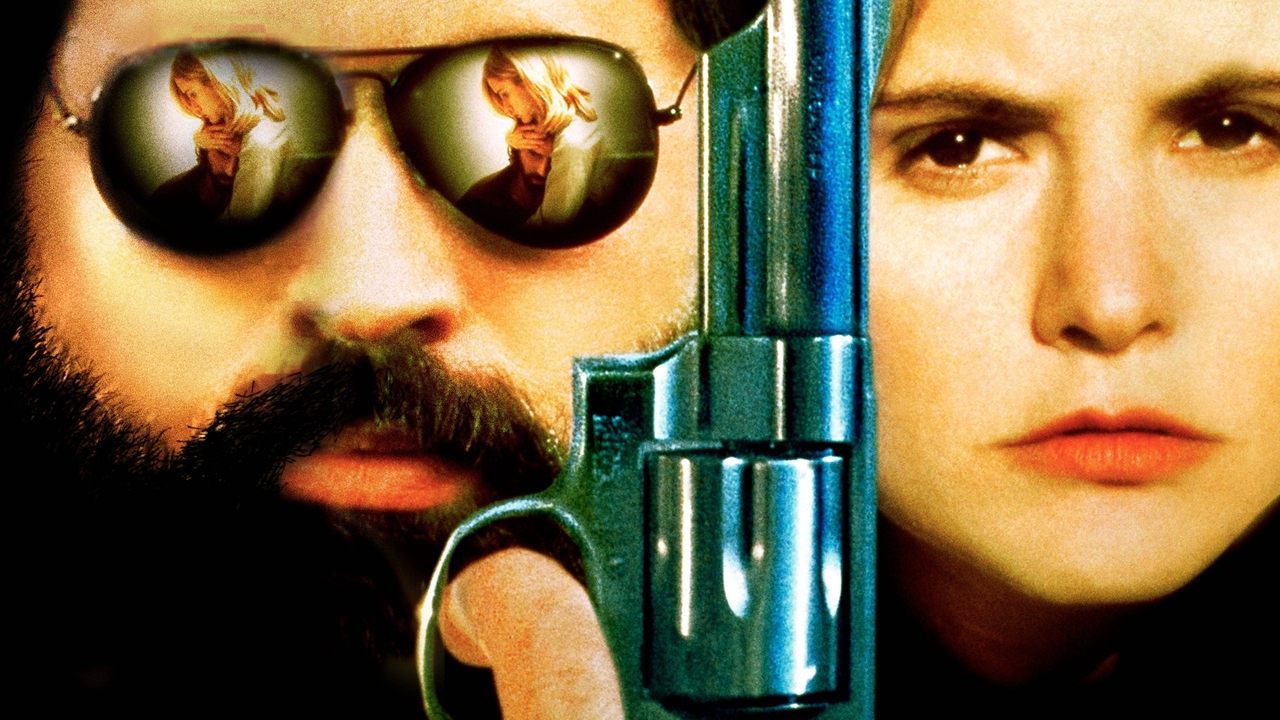
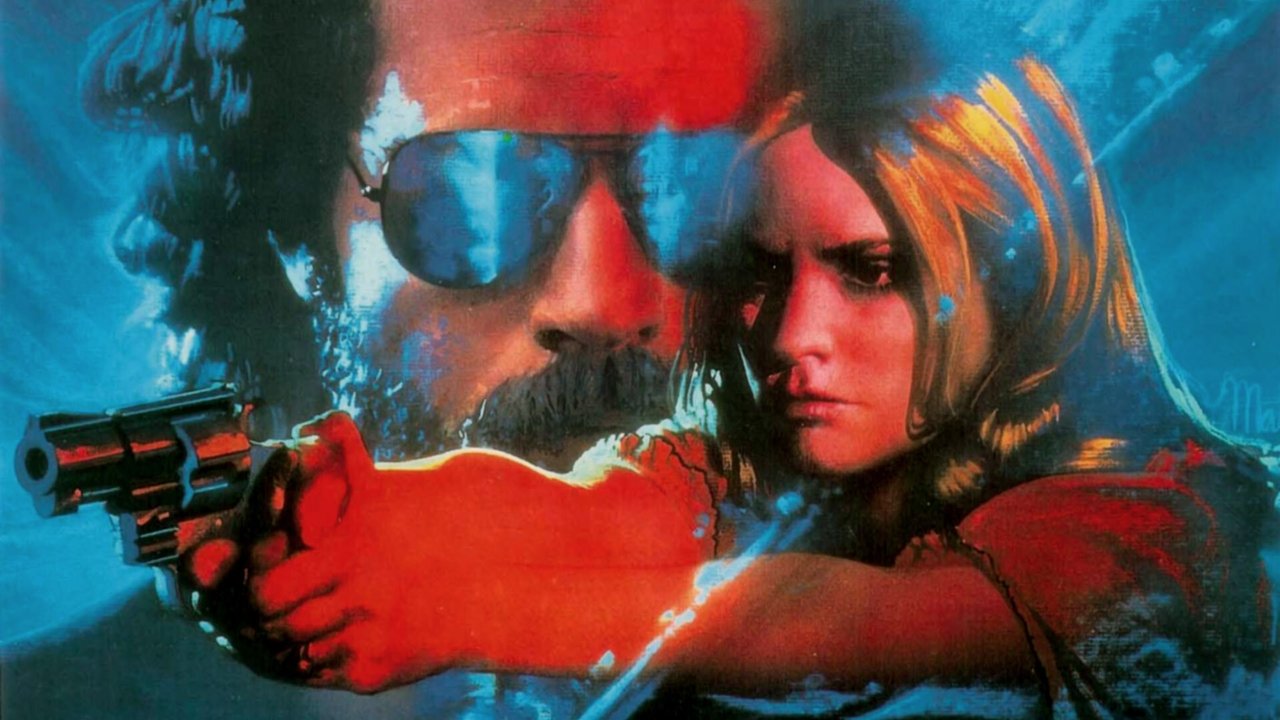
Set against the sun-bleached, desolate backdrop of small-town Texas in the mid-70s (though released in '91, it feels rooted in that earlier decade's disillusionment), Rush follows rookie undercover cops Jim Raynor (Jason Patric) and Kristen Cates (Jennifer Jason Leigh). Their assignment, handed down by the pragmatic but weary Lieutenant Dodd (Sam Elliott), seems straightforward on paper: infiltrate the local drug scene, gain trust, and gather enough evidence to nail the elusive kingpin, Gaines (Gregg Allman, yes, that Gregg Allman, in a surprisingly effective turn). The problem, as the film unflinchingly portrays, is that the lines drawn in training blur terrifyingly fast in the real world. To convincingly play addicts, Jim and Kristen start to become addicts, their professional mission dissolving into a desperate personal struggle for survival, both physical and moral.
Truth in Performance
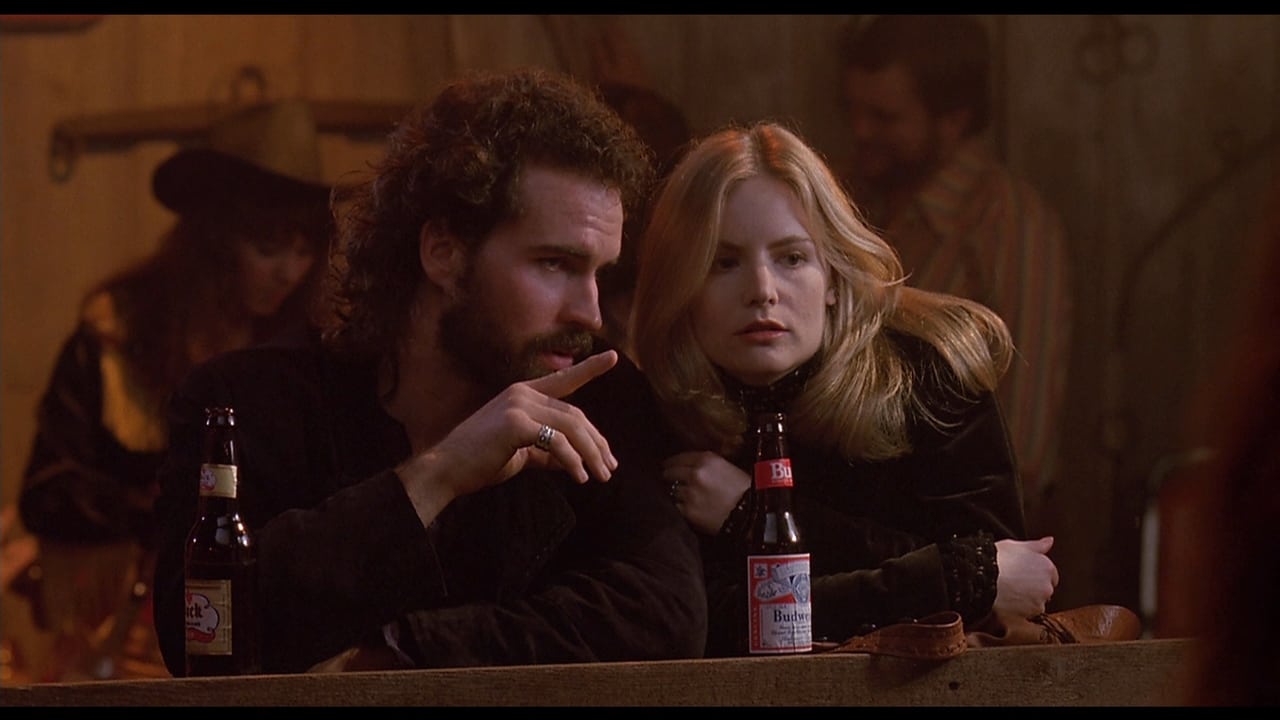
What elevates Rush beyond a standard procedural is the astonishing commitment of its leads. Jason Patric, often an actor of quiet intensity, delivers a performance here that feels less like acting and more like witnessing a genuine transformation. He reportedly embraced a method approach, immersing himself in the role to a degree that feels palpable on screen – the weight loss, the haunted eyes, the nervous energy radiating from him. It's a raw, unvarnished portrayal of addiction's grip and the psychological erosion of deep cover work. You see the cop trying to maintain control, but you also see the man succumbing to the very poison he’s meant to be fighting.
Equally compelling is Jennifer Jason Leigh, an actress never afraid of challenging, complex roles (think Last Exit to Brooklyn two years prior). As Kristen, she charts a devastating journey from naive recruit to someone hardened and compromised by the experience. Her vulnerability in the early scenes makes her later descent all the more heartbreaking. There's a scene involving a harrowing personal violation that Leigh navigates with a bravery and honesty that’s difficult to watch, yet impossible to look away from. Together, Patric and Leigh create a central relationship built on shared trauma and codependency, their performances feeding off each other with an almost dangerous intimacy. And anchoring them, Sam Elliott, with that voice like worn leather and weary wisdom, provides the film's moral compass, even as he enables their perilous journey.
A Director's Vision, A Musician's Soul
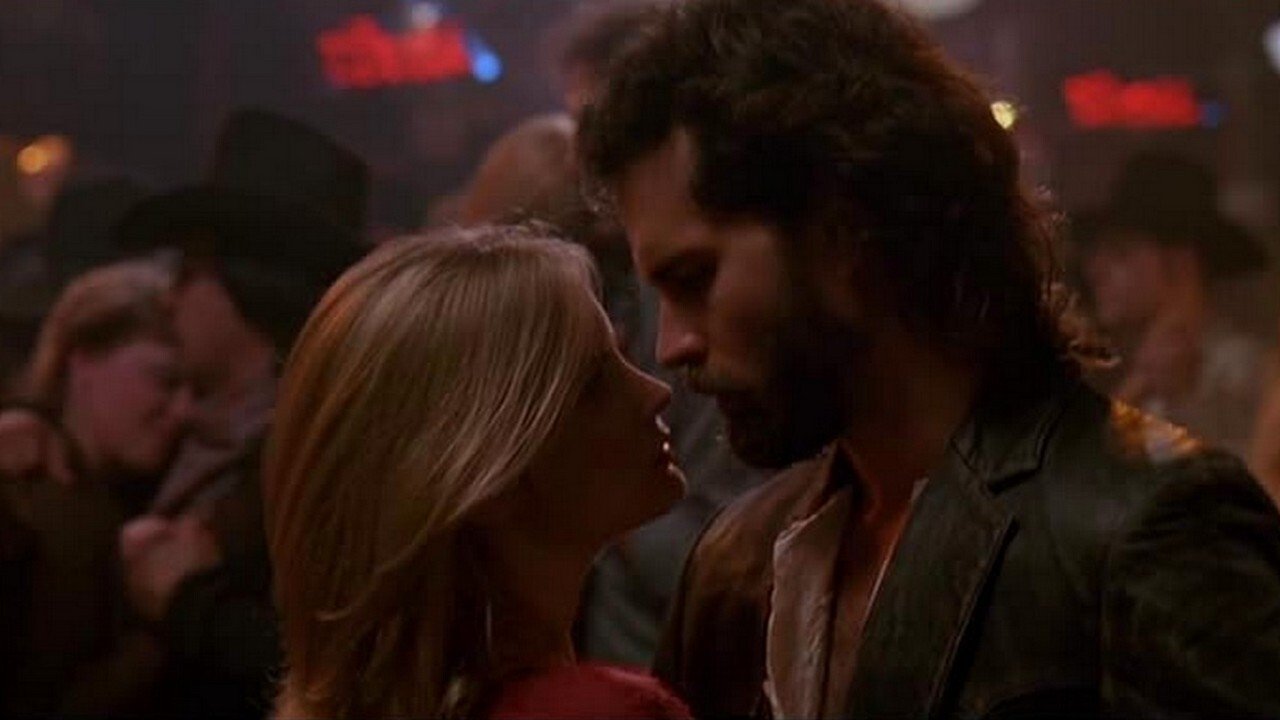
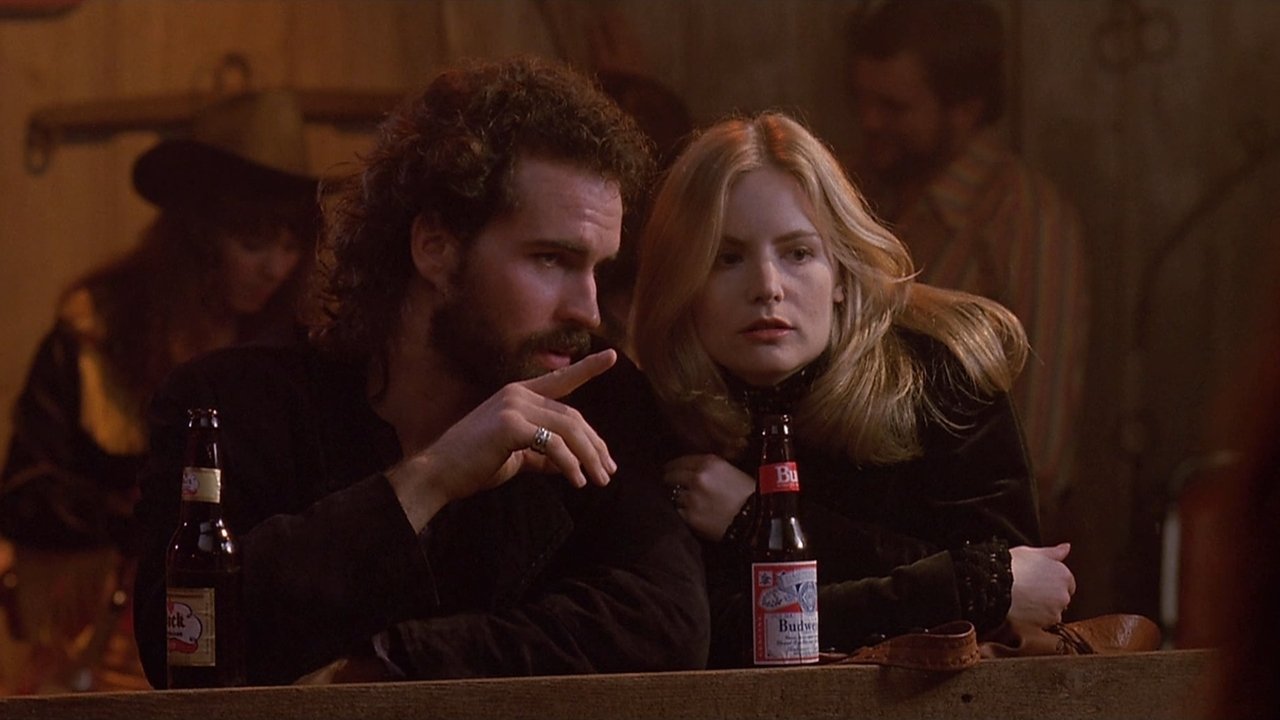
Remarkably, Rush was the directorial debut – and, to date, the only directorial credit – for Lili Fini Zanuck, previously known for producing hits like Cocoon (1985) and the Oscar-winning Driving Miss Daisy (1989) alongside her husband, Richard D. Zanuck. It’s a striking pivot into darker, grittier territory. Zanuck crafts a film steeped in atmosphere, favouring claustrophobic interiors and washed-out landscapes that mirror the characters' internal states. There’s a languid, almost dreamlike (or nightmarish) quality to the pacing, allowing the dread to build organically. She doesn't shy away from the ugliness, forcing us to confront the moral ambiguities and the devastating human cost of the 'war on drugs'.
This pervasive mood is undeniably amplified by Eric Clapton’s legendary score. It’s impossible to talk about Rush without mentioning the music. Clapton’s bluesy, melancholic guitar work isn't just background noise; it's the soul of the film, expressing the characters' pain, longing, and isolation often better than words could. Of course, the soundtrack is famously associated with Clapton’s heartbreaking ballad, "Tears in Heaven." While written in response to an unimaginable personal tragedy for Clapton, its inclusion cemented the film's sorrowful tone in the public consciousness, earning Grammys and ensuring the soundtrack became arguably more famous than the film itself.
Retro Fun Facts: Behind the Badge
The film's unflinching realism stems partly from its source material: the semi-autobiographical novel by Kim Wozencraft, who herself served as an undercover narcotics officer in Texas and faced indictment alongside her partner, mirroring the film's central conflict. This grounding in lived experience lends Rush an authenticity that many crime dramas lack. It wasn't a box office sensation upon release, earning around $7.6 million domestically against a reported $17 million budget, likely hampered by its bleak tone and challenging subject matter. Critics were divided, some praising the performances and atmosphere, others finding it relentlessly downbeat. This muted reception perhaps contributes to its status today as something of an underrated gem, a potent dose of 90s grit often discovered on VHS or late-night cable. Filmed on location around Houston and Austin, Texas, the specific sense of place adds another layer of authenticity to the suffocating world Zanuck creates.
Lingering Echoes
Rush isn't an easy watch. It doesn’t offer simple resolutions or clear-cut heroes. It’s a film about compromise, addiction, and the system’s often-brutal indifference to the individuals caught within it. What lingers most is the feeling of empathy for Jim and Kristen, even as they make questionable choices. We understand their descent, even if we recoil from it. Doesn't their struggle raise uncomfortable questions about the true cost of enforcing laws, and the lines we expect people to cross in our name? It's a film that trusts its audience to grapple with ambiguity, a quality often missing in more mainstream fare.
Rating: 8/10
This score reflects the film's powerful, committed performances, its palpable atmosphere, unforgettable score, and its brave, unflinching look at the dark side of undercover work and addiction. While its bleakness and deliberate pacing might not appeal to everyone, its artistic integrity and emotional honesty are undeniable. Rush stands as a potent, often overlooked piece of early 90s cinema, a harrowing journey that earns its intensity and leaves a lasting impression.
It’s one of those tapes you might have rented on a whim, expecting a standard thriller, only to find yourself deeply affected by its raw humanity and quiet devastation – a true hallmark of the kinds of challenging discoveries waiting on those video store shelves.