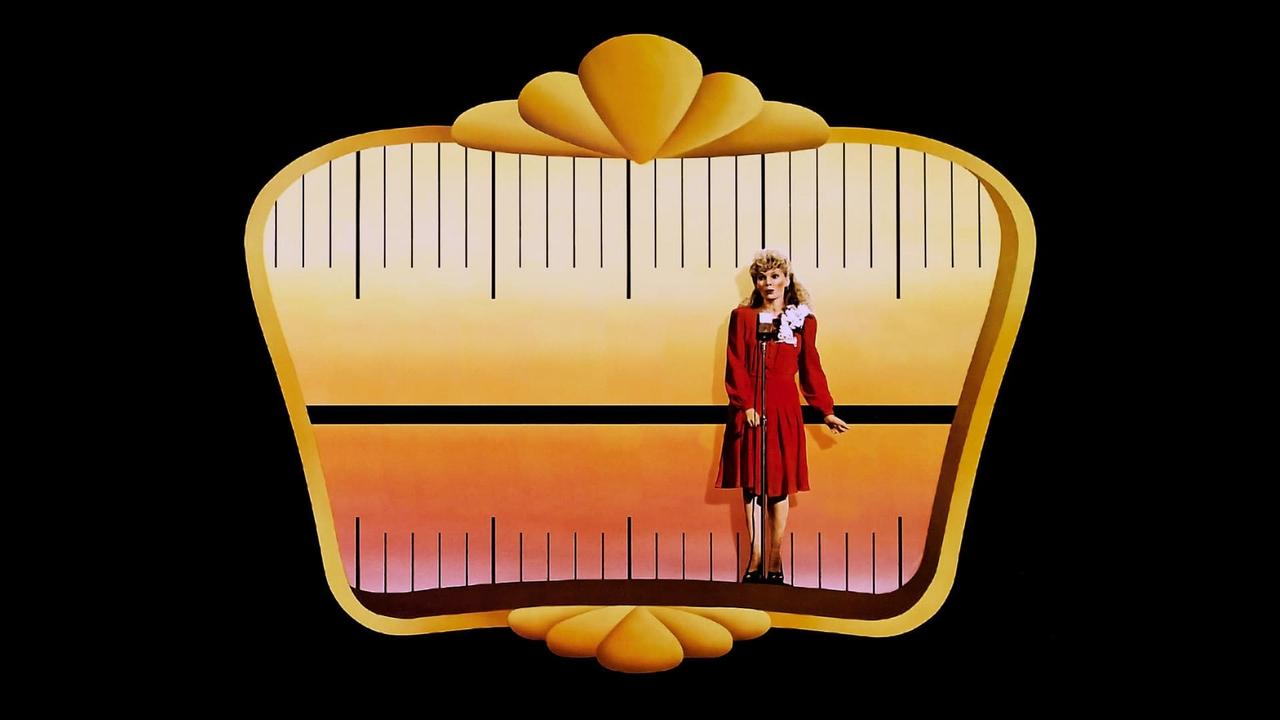
Close your eyes for a second and listen. Can you hear it? That faint crackle, the warm glow of vacuum tubes, a voice emerging from the static telling tales of masked avengers, sultry singers, and everyday families huddled around their consoles. That's the magic Woody Allen bottled in Radio Days (1987), a film that doesn't just depict nostalgia, it feels like it. Released in an era often defined by high-concept action and slick blockbusters, this lovingly crafted mosaic of memories stood out, offering a different kind of escape – one back to the Golden Age of Radio, seen through the rosy lens of childhood recollection. It wasn't about explosions or aliens; it was about the power of stories whispered through the airwaves into a family's living room in Rockaway Beach.
Echoes from the Airwaves
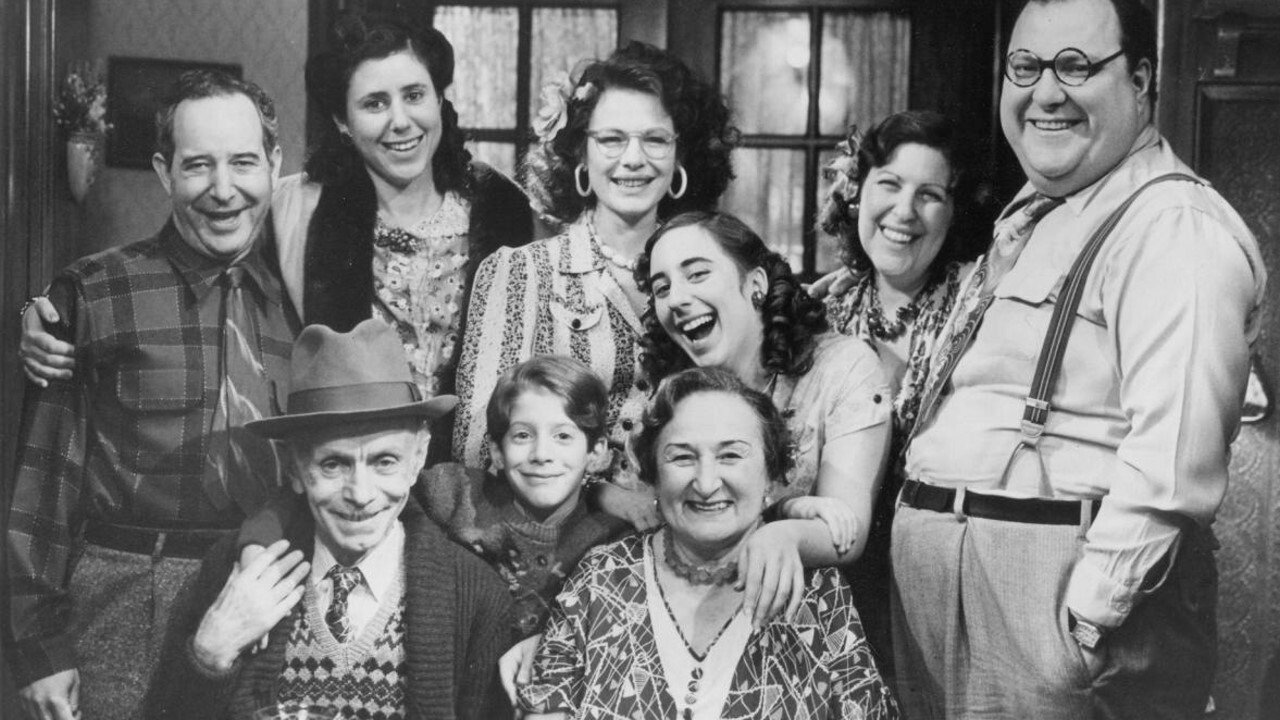
Unlike many of Allen's more neurotic comedies or complex dramas, Radio Days adopts a wonderfully rambling, vignette structure. Narrated by Allen himself, ostensibly recounting his own formative years during the late 1930s and early 1940s, the film drifts between interconnected stories centered around a working-class Jewish family and the radio stars they idolize. There's young Joe (a very recognizable, pre-teen Seth Green!), the Allen stand-in, collecting radio hero rings and navigating childhood embarrassments. We dip into the lives of his extended family – his parents (played with warmth by Michael Tucker and the unmistakable voice of Julie Kavner, just before she became Marge Simpson!), his aunts and uncles, all crammed together, their lives punctuated and shaped by the programs emanating from the ever-present radio set.
This episodic approach works beautifully, mirroring the fragmented nature of memory itself. One moment we're witnessing the charming awkwardness of Aunt Bea (Dianne Wiest, simply wonderful) on yet another disastrous date, the next we're whisked away to the glamorous world of Sally White (Mia Farrow, in a delightfully ditsy performance), a cigarette girl with dreams of radio stardom, whose path occasionally, tangentially crosses with the family's world. It's less a plot-driven narrative and more a tapestry woven from anecdotes, punchlines, heartaches, and the ubiquitous soundtrack of the era.
Crafting a Memory Palace
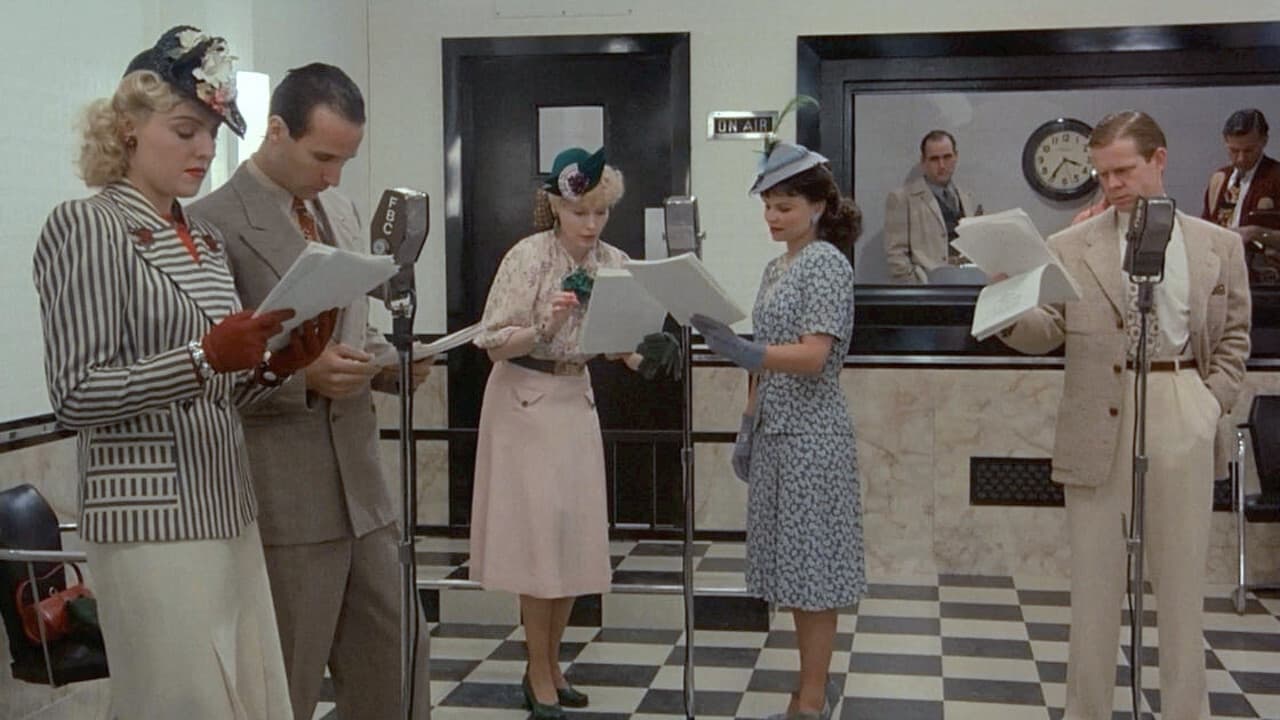
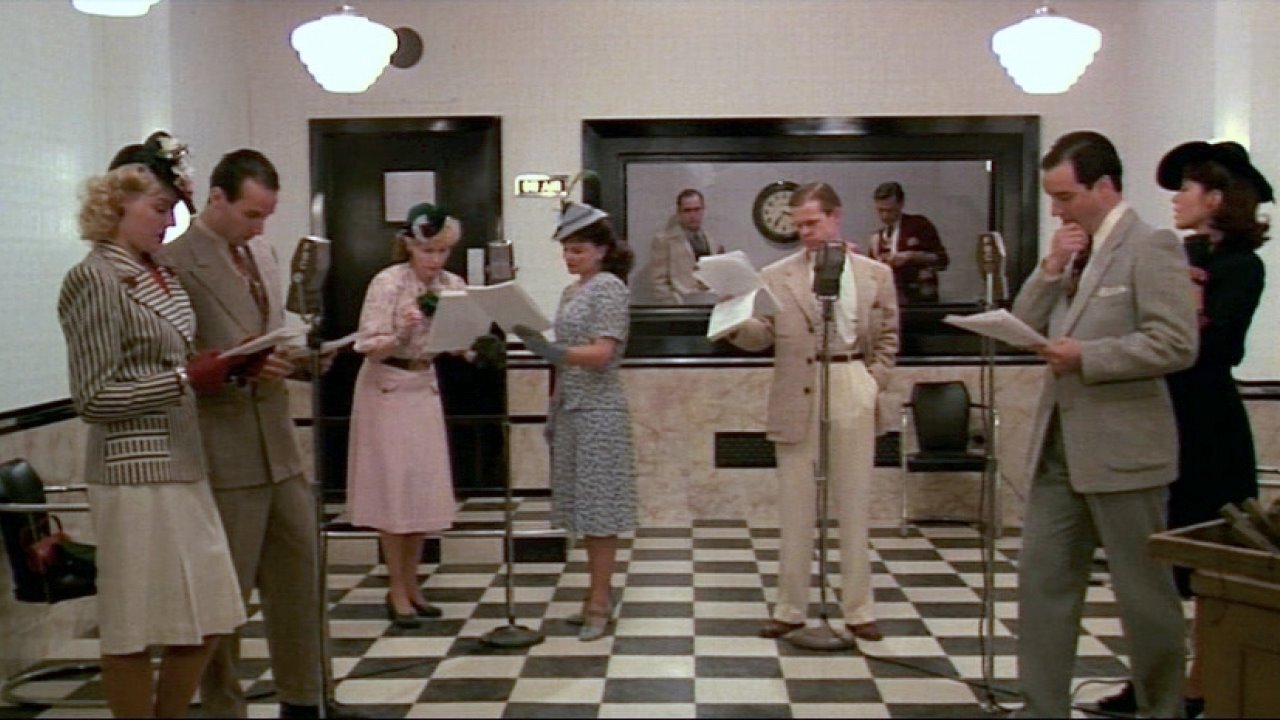
What truly elevates Radio Days is its impeccable sense of time and place. Allen, working with his frequent collaborator, cinematographer Carlo Di Palma, doesn't just recreate the period; he romanticizes it. The production design by Santo Loquasto (who earned one of the film's two Oscar nominations, the other being for Allen's screenplay) is meticulous, from the cramped family apartment filled with period details to the smoky elegance of Manhattan nightclubs. You can almost smell the brine from the Rockaway boardwalk and the stale cigarette smoke in the radio studio. It's a feast for the eyes, bathed in a warm, golden light that feels like a half-remembered dream.
Interestingly, creating this dream cost a fair bit. With a budget of $16 million (around $43 million today), it was one of Allen's more expensive pictures at the time, partly due to the detailed period recreation and extensive use of music. While it didn't quite recoup its budget at the US box office initially, grossing around $14.8 million, its critical reception was overwhelmingly positive, and it's endured as one of his most purely enjoyable and accessible films – a real gem often found nestled on the 'Comedy' or 'Drama' shelves of the video store, perhaps rented on a whim and cherished ever since. One fun tidbit: eagle-eyed viewers might spot Diane Keaton, Allen’s former muse and collaborator on classics like Annie Hall (1977), making a brief cameo as a nightclub singer towards the end – a lovely nod woven into the fabric of the film.

The Heartbeat of Nostalgia
The film deftly captures how radio wasn't just background noise; it was the connective tissue of society, the primary source of news, entertainment, and shared cultural experience before television took over. The family reacts collectively to Orson Welles' War of the Worlds broadcast (a classic radio moment recreated here), thrills to the adventures of masked heroes, and swoons over torch singers. These shared moments, both the dramatic and the mundane, are what bind the family and the narrative together. The film understands that nostalgia isn't just about remembering the good times; it's about remembering the feeling of those times, the emotional resonance of shared experiences.
Seth Green, in one of his earliest roles, is pitch-perfect as the wide-eyed kid absorbing it all, providing the audience's entry point into this world. Mia Farrow, then Allen's frequent leading lady, gets to showcase her comedic timing as Sally, whose journey from squeaky-voiced nobody to radio personality provides some of the film's biggest laughs and a touch of gentle satire about the nature of fame. The entire ensemble cast feels authentic, like listening in on genuine family squabbles and celebrations.
Why It Still Glows
Radio Days isn't trying to be profound or edgy. It’s a warm hug of a movie, a valentine to a bygone era and the power of storytelling. It reminds us of a time when imagination had to fill in the pictures, sparked by voices and sound effects traveling through the air. For those of us who grew up with the flickering glow of a CRT TV rather than a radio console, there's still a relatable magic here – the memory of being transported by stories, whether they came through speakers or on a flickering VHS tape. It’s a film about how media shapes our memories and becomes part of our personal histories.
Rating: 9/10
This score reflects the film's sheer warmth, its masterful recreation of an era, its perfectly pitched performances, and its unique ability to evoke pure, unadulterated nostalgia without feeling overly saccharine. It's beautifully written, directed, and performed, achieving exactly what it sets out to do with charm and grace. Minor quibbles might include the slightly disjointed feel inherent in its vignette structure for some viewers, but this is arguably central to its memory-piece appeal.
Radio Days remains one of Woody Allen's most purely enjoyable and heartfelt films, a cinematic comfort blanket perfect for a rainy afternoon. It’s a lovely reminder that sometimes, the most powerful stories are the ones we hear, huddled together in the warm glow of shared experience.