What if the universe simply doesn't care? It’s a question that chills deeper than any jump scare, and it sits at the uneasy heart of Woody Allen’s 1989 masterpiece, Crimes and Misdemeanors. This wasn't the tape you grabbed for a casual Friday night laugh alongside Weekend at Bernie's (also '89, what a year!). Finding this one on the video store shelf, maybe nestled in the 'Drama' section or under Allen's name, felt like committing to something heavier, something that might linger long after the VCR whirred to a stop. And linger it does. Even now, decades later, its bleakly honest gaze at morality, consequence, and the deafening silence of the cosmos feels profoundly unsettling.

### Two Lives, One Moral Void
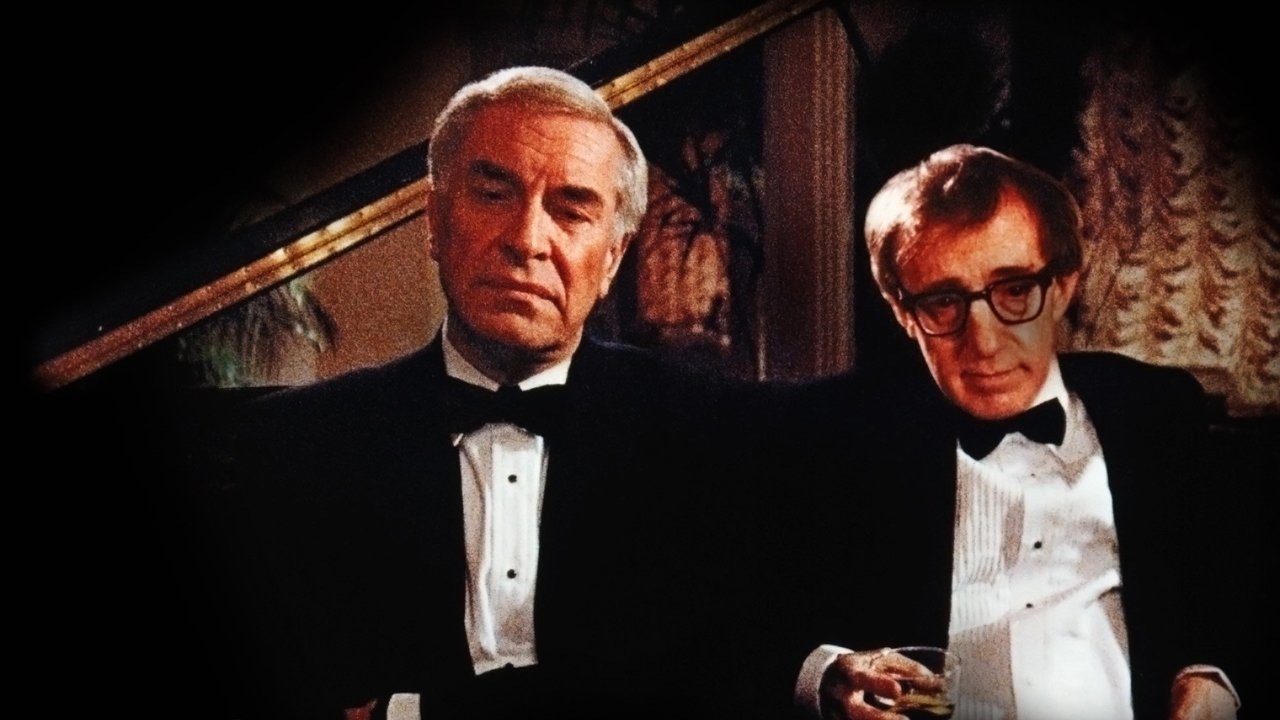
The film masterfully interweaves two seemingly disparate narratives. In one thread, we have Judah Rosenthal (Martin Landau), an esteemed ophthalmologist whose comfortable life threatens to implode under the weight of an affair gone sour. His mistress, Dolores (Anjelica Huston), becomes increasingly desperate and threatens exposure, forcing Judah to confront an unthinkable solution proposed by his gangster brother, Jack (Jerry Orbach, forever Law & Order's Lennie Briscoe to many of us). This is the 'Crimes' part of the equation – a descent into a moral abyss driven by fear and self-preservation.
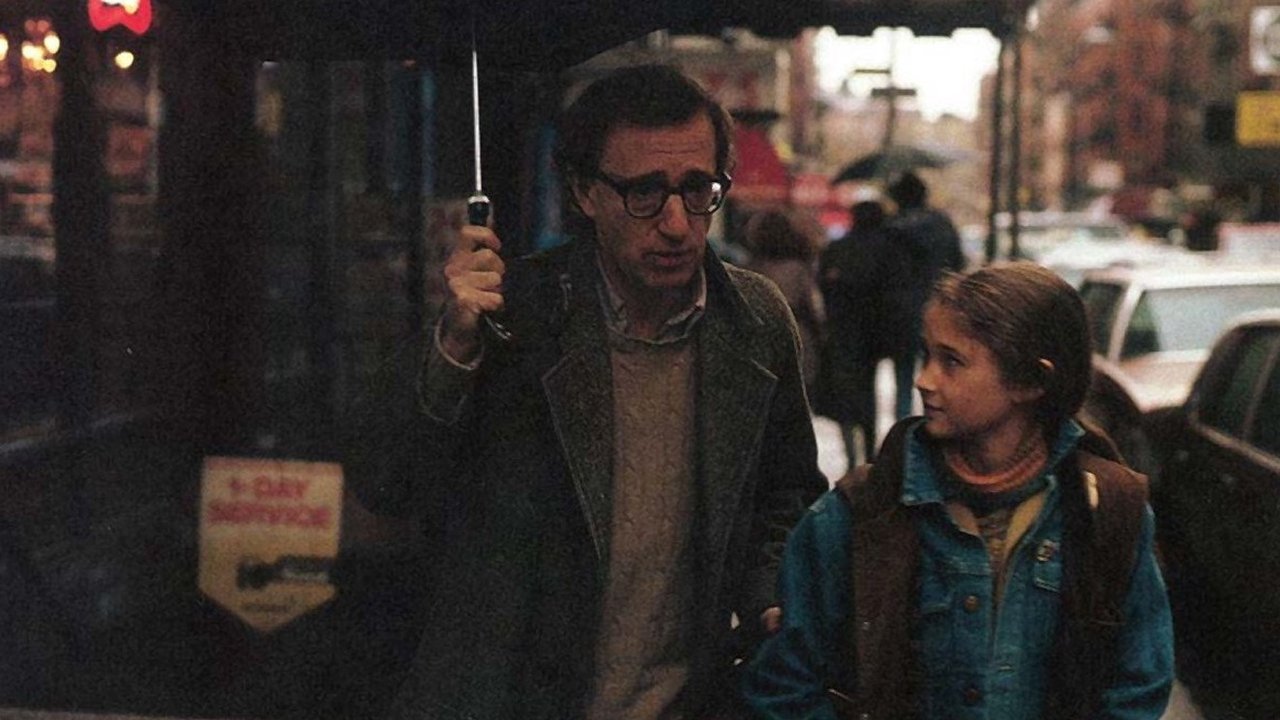
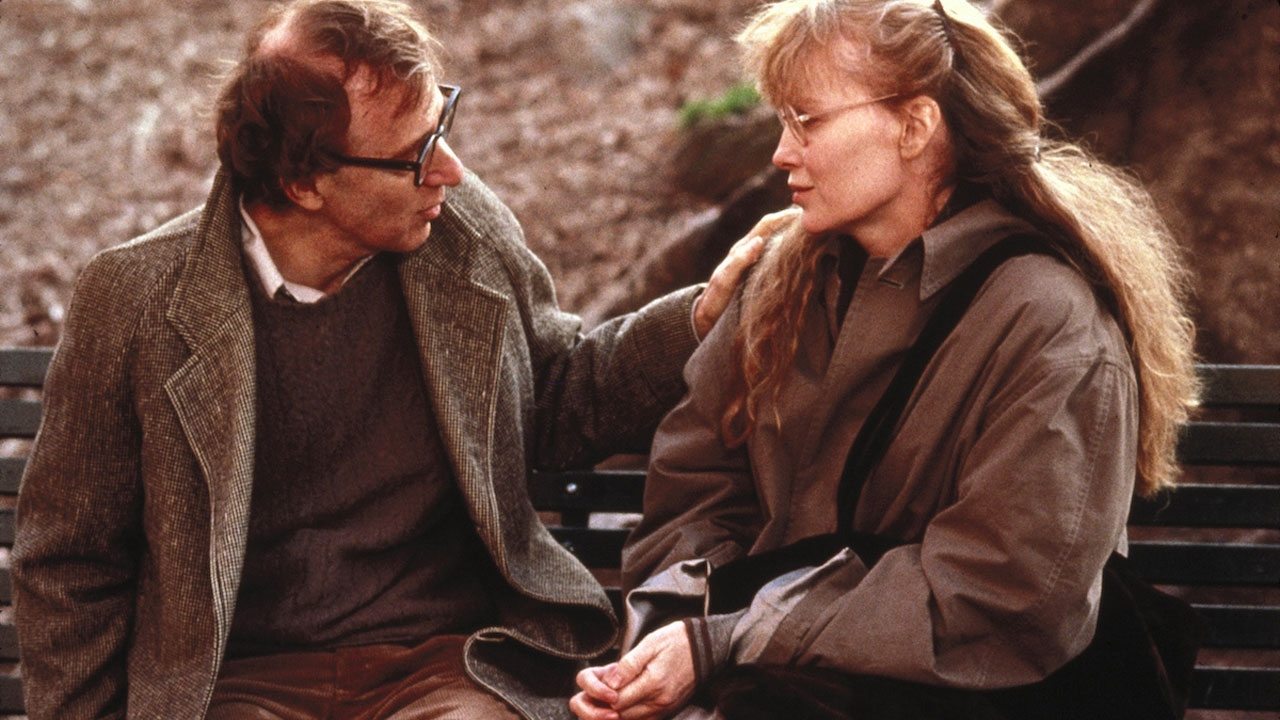
Running parallel is the 'Misdemeanors' storyline, featuring Cliff Stern (Woody Allen himself), a struggling documentary filmmaker trapped making a fawning portrait of his insufferably arrogant brother-in-law, Lester (Alan Alda), a successful television producer. Cliff finds himself falling for the associate producer, Halley (Mia Farrow), who unfortunately seems more drawn to Lester's superficial charm and success. Cliff's struggles are smaller scale – professional frustration, romantic yearning, artistic integrity versus commercialism – but they echo the film's larger questions about value, happiness, and what truly matters in a seemingly indifferent world.

### The Weight of Performance
It’s impossible to discuss Crimes and Misdemeanors without focusing on Martin Landau's extraordinary performance. He doesn't just play Judah; he inhabits his torment. The subtle shifts in his expression, the haunted look in his eyes, the tremor in his voice as he contemplates the irreversible – it’s a masterclass in conveying profound internal conflict. Landau earned a much-deserved Oscar nomination for this role, capturing the terror not just of being caught, but of facing the potential meaninglessness of his actions. You feel the immense pressure building within him, the ethical framework of his life buckling under the strain. It’s a performance that feels utterly, terrifyingly authentic.
Allen, playing Cliff, offers a variation on his familiar neurotic intellectual persona, but here it feels tinged with a deeper bitterness, a weariness born from seeing ideals constantly trampled by crassness and compromise. Alan Alda is perfectly cast as the smug, platitudinous Lester, embodying the kind of hollow success the film critiques. And Mia Farrow brings a gentle intelligence to Halley, making her attraction to both men, and the eventual choice she makes, feel sadly believable.
### A Bleak Beauty
Visually, the film benefits immensely from the legendary cinematographer Sven Nykvist, known for his long collaboration with Ingmar Bergman. Nykvist lends Judah's world a crisp, almost sterile elegance that contrasts sharply with the shadowy desperation of his moral crisis. The lighting often isolates Judah, emphasizing his solitude even when surrounded by others. There's a European art-house sensibility here, a visual weight that underscores the gravity of the themes. Allen apparently conceived the two plotlines separately before weaving them together, and Nykvist's cinematography helps unify them under a cohesive, albeit somber, visual tone. This wasn't a film banking on flashy effects; its power lay in the faces of its actors and the atmosphere Nykvist crafted.
### Echoes of the Past, Questions for Today
The film openly wrestles with Dostoevsky-level questions about guilt, punishment, and the existence (or absence) of a moral authority. Judah consults his rabbi friend Ben (Sam Waterston), who is gradually losing his sight – a potent symbol for the fading clarity of faith or moral certainty in the face of Judah's dilemma. Ben represents traditional morality, but his wisdom offers little practical solace for the darkness Judah contemplates.
Interestingly, while critically lauded upon release, Crimes and Misdemeanors wasn't a huge box office success, pulling in around $18 million domestically against a reported $19 million budget. It seems audiences, perhaps expecting lighter Allen fare, weren't entirely prepared for such a stark philosophical inquiry. Yet, its reputation has only grown, often cited as one of Allen's most significant and complex works. Its central questions – Does evil go unpunished? Can we live with the terrible things we do? What constitutes a meaningful life? – feel just as relevant today.
The film doesn't offer easy answers. Spoiler Alert! The chilling 'resolution' to Judah's story, revealed in a quiet conversation with Cliff near the film's end (a scene Allen reportedly considers one of his personal favorites that he's written), suggests that sometimes, the wicked do prosper, that guilt can fade, and life, disconcertingly, goes on. The universe doesn't necessarily balance the books.
***
Rating: 9/10
Crimes and Misdemeanors earns this high score for its courageous exploration of profound moral questions, its masterful structure weaving dark drama with bittersweet comedy, the unforgettable, Oscar-nominated performance by Martin Landau, and its intelligent, unflinching script. It's Woody Allen operating at the peak of his dramatic powers, aided by Sven Nykvist's superb cinematography. It might lack the immediate rewatchability of a comfort-food classic, but its intellectual and emotional depth is undeniable.
This is one of those VHS tapes that didn't just entertain; it provoked. It left you staring at the static-filled screen after the credits, grappling with the uncomfortable truths it dared to present. What lingers most isn't a plot twist or a memorable line, but the haunting possibility that maybe, just maybe, the eyes of God really are shut.