A whisper of gauze, the geography of scarred skin mapped under gentle lamplight – some images lodge themselves deep within the cinematic memory, don't they? Watching Anthony Minghella's The English Patient again, decades after its initial triumphant run, feels less like revisiting a film and more like unearthing a complex, sand-swept artifact. It’s a film that demanded patience even back in the VHS days, often sprawling across two tapes, a commitment that felt fitting for its layered narrative of love, loss, and the indelible marks left by war and passion.
Echoes in a Ruined Villa
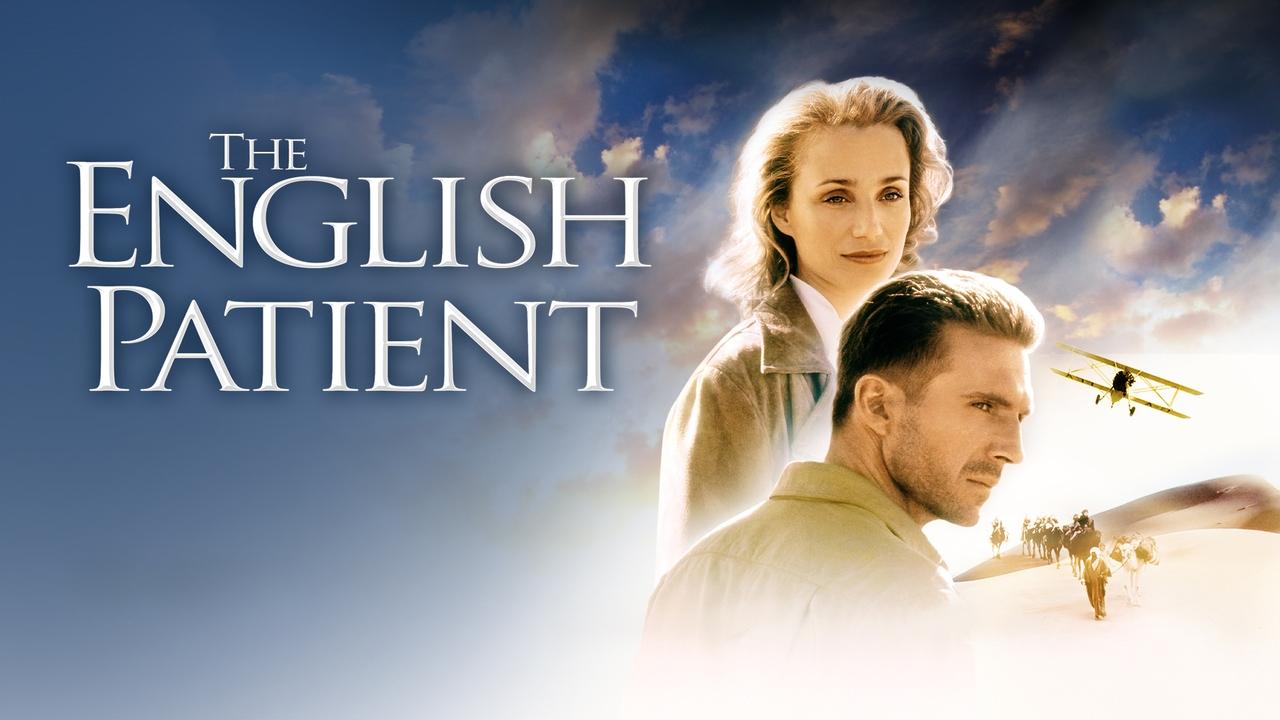
The setting itself feels like a character: a bombed-out Italian monastery at the close of World War II. Here, Hana (Juliette Binoche), a young Canadian nurse haunted by the deaths surrounding her, chooses to stay behind with a single, critically burned patient. He speaks with an English accent but claims amnesia, his identity buried beneath layers of charred flesh and morphine-laced memories. Into this fragile sanctuary drift others scarred by the conflict: the cynical, morphine-addicted thief Caravaggio (Willem Dafoe), seeking answers about his own wartime torture, and Kip (Naveen Andrews), a Sikh sapper navigating the deadly landscape of hidden mines. It’s a potent setup, confining vast emotions within crumbling walls, while the patient’s fragmented recollections transport us to the sun-scorched deserts of North Africa before the war.
A Love Etched in Sand and Memory

The heart of the film, revealed through these stunningly realised flashbacks, is the doomed affair between the Hungarian cartographer Count László Almásy (Ralph Fiennes) and the married Englishwoman Katharine Clifton (Kristin Scott Thomas). Minghella, adapting Michael Ondaatje's Booker Prize-winning novel, masterfully contrasts the claustrophobic intimacy of the Italian villa with the breathtaking, dangerous expanse of the Sahara. The romance isn't presented as simple or pure; it’s tangled with betrayal, obsession, and the looming catastrophe of war. It raises unsettling questions about ownership, desire, and the devastating consequences when personal passions collide with global conflict. What right do we have to claim another person, or even a place on a map?
Performances That Breathe Truth
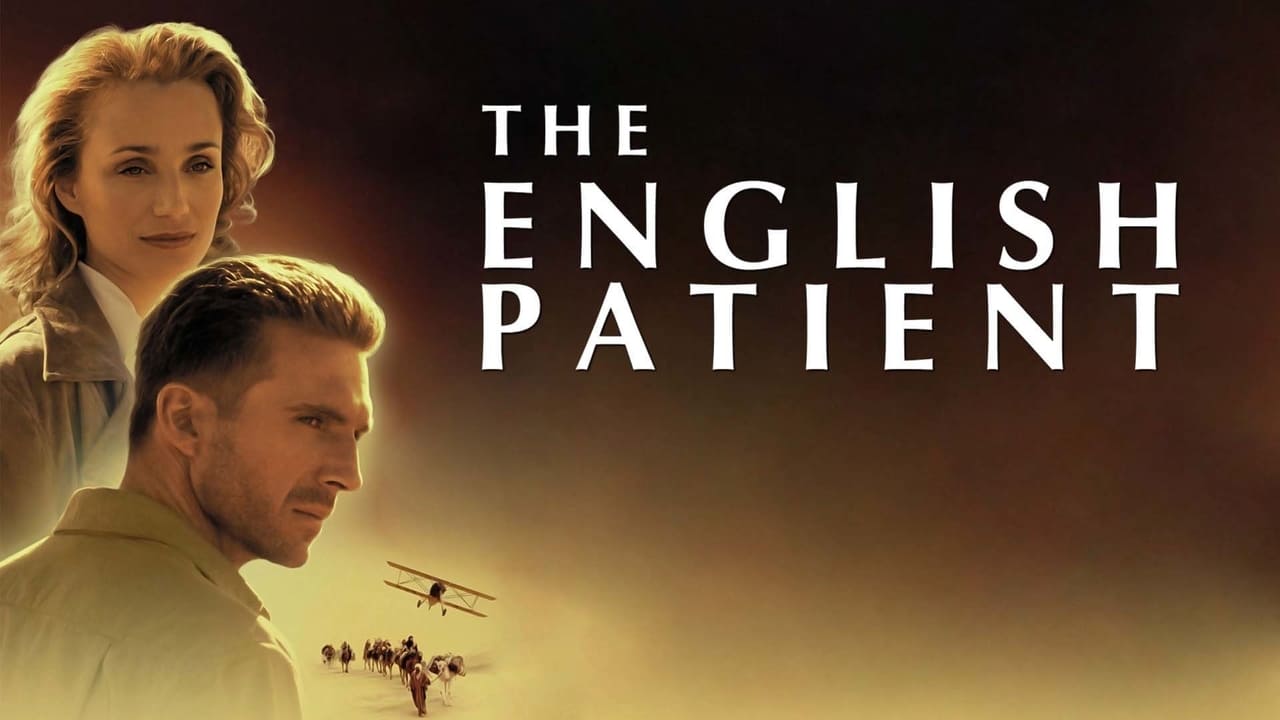
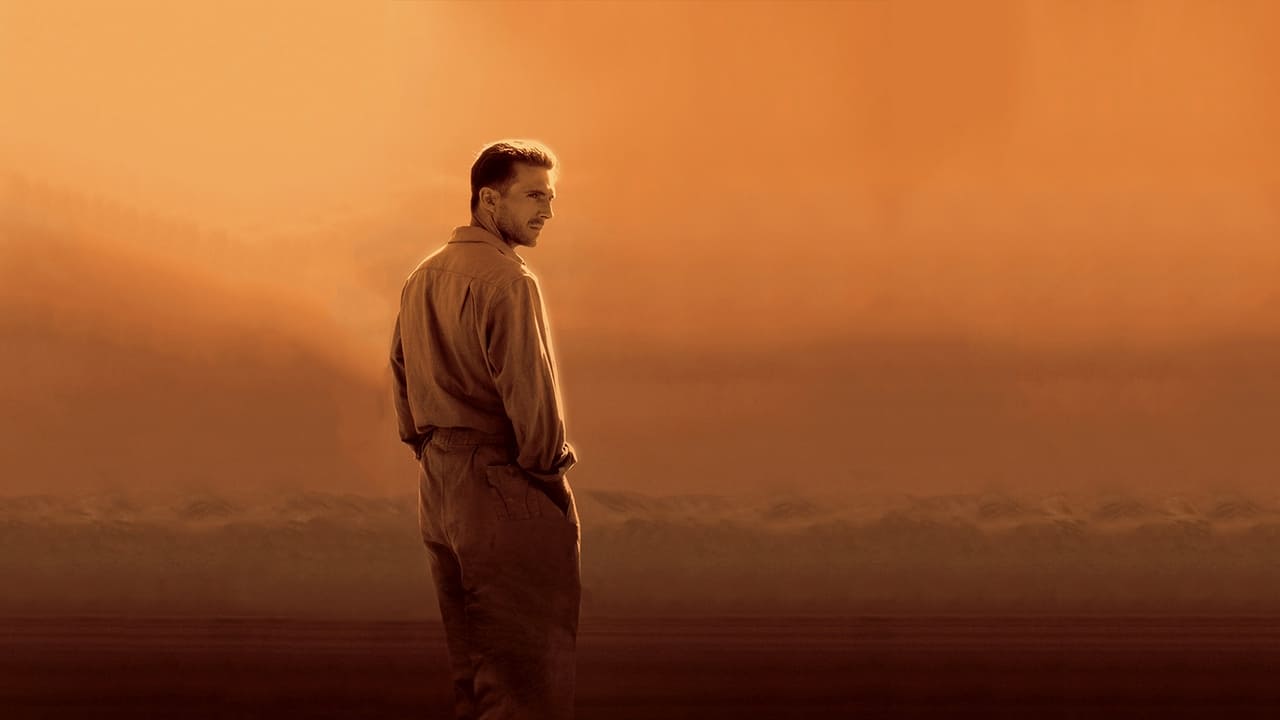
What elevates The English Patient beyond mere epic romance is the extraordinary depth of its performances. Ralph Fiennes, even obscured by prosthetic makeup for much of the film, conveys oceans of pain, arrogance, and regret through his voice and eyes. His Almásy is magnetic but deeply flawed, a man undone by his own intensity. Kristin Scott Thomas is equally mesmerizing as Katharine, capturing a specific kind of restless intelligence and vulnerability; her chemistry with Fiennes feels utterly electric, making their forbidden connection both understandable and tragic.
Yet, it's arguably Juliette Binoche who provides the film’s soul. Her Hana is a beacon of weary compassion, her quiet tending to the patient a profound act of humanity amidst the ruins. Binoche won the Best Supporting Actress Oscar for this role, and it’s easy to see why; she embodies a grace forged in trauma, finding flickers of hope and connection even as everything seems lost. Her tentative relationship with Kip offers a gentle counterpoint to the destructive fire of the central affair. And Willem Dafoe, bearing his own physical and emotional scars, adds a necessary layer of grit and suspicion, slowly piecing together the patient's true, complicated history.
Crafting an Epic Canvas
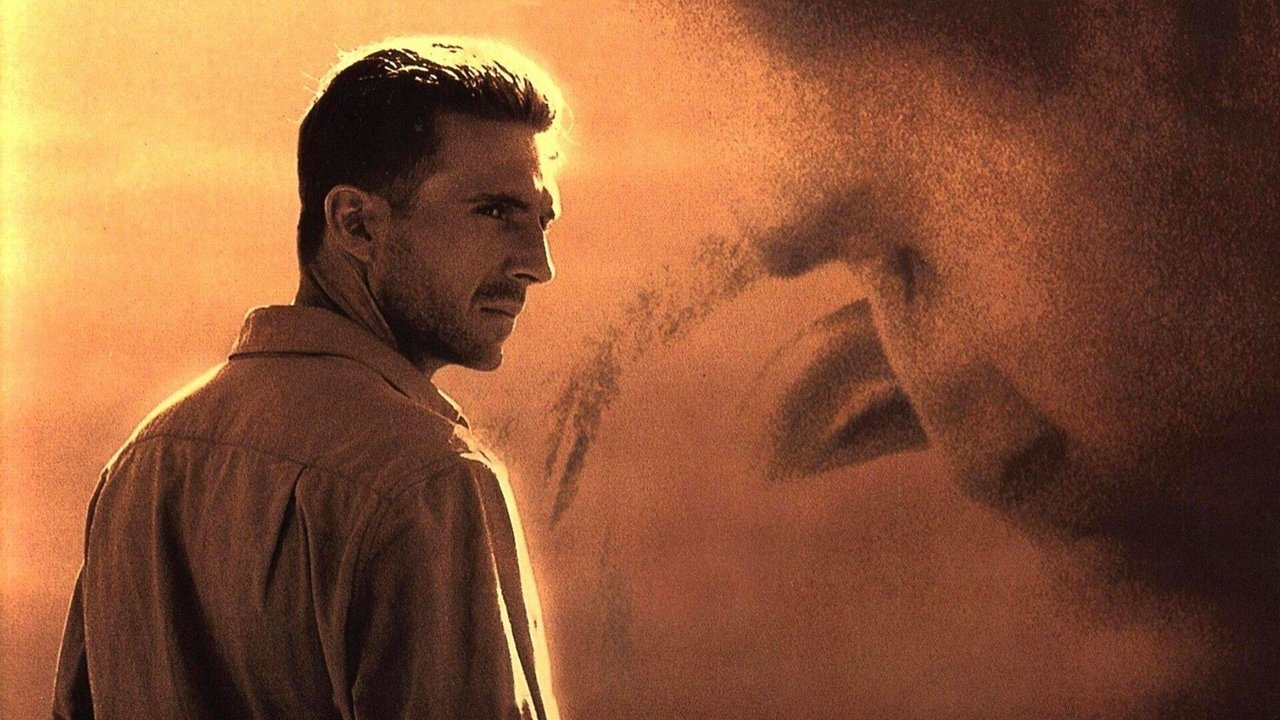
Anthony Minghella, who also won an Oscar for Best Director, navigates the complex, non-linear structure with remarkable confidence. The transitions between past and present are seamless, guided by memory triggers – a phrase, an object, the quality of light. Collaborating with cinematographer John Seale (another Oscar winner here), Minghella creates visuals that are simply unforgettable: the sweeping desert vistas, the intimate textures of the villa, the stark horror of war. It's a film that looks and feels monumental, backed by Gabriel Yared's lush, Oscar-winning score.
Digging into the production history only deepens the appreciation. Few recall the film almost didn't get made. Initially financed by 20th Century Fox, they got cold feet over casting demands (specifically, wanting a bigger star like Demi Moore for Katharine instead of Scott Thomas) and Minghella's refusal to trim the ambitious scope. It was producer Saul Zaentz and Miramax who ultimately rescued the project, a gamble that paid off handsomely with 9 Academy Awards from 12 nominations, including Best Picture. Fiennes himself endured hours of painstaking makeup application daily, a testament to his commitment. This wasn't just a movie; it was a monumental undertaking, reflected in its nearly three-hour runtime – a length that, honestly, felt earned even on those double-VHS sets back in the day. And who can forget its (perhaps unfair) pop culture lampooning, most famously in that Seinfeld episode ("Elaine, you don't like The English Patient?"). It speaks volumes about how culturally pervasive this serious drama became.
Lingering Questions Under a Tuscan Sun
The English Patient isn't light viewing. It demands attention and emotional investment. It asks us to consider the nature of identity when memory fails, the destructive power of passionate love, and the possibility of finding grace and forgiveness in the aftermath of unimaginable suffering. Does Almásy deserve redemption? Can Hana truly heal? The film doesn't offer easy answers, leaving these questions hanging in the air long after the credits roll.
Rating: 9/10
This score reflects the film's masterful craftsmanship, its powerhouse performances, and its enduring emotional weight. The direction is superb, the cinematography breathtaking, and the acting ensemble delivers career-defining work. While its deliberate pacing and significant length might test some viewers even now, the artistic ambition and thematic depth are undeniable. It justifies its epic scope, creating a rich, immersive experience that explores the complexities of the human heart against a backdrop of historical upheaval.
The English Patient remains a towering achievement of 90s cinema, a reminder of a time when studios still took big swings on intelligent, character-driven epics. It’s a film that rewards patience, a story that unfolds like a cherished, perhaps slightly worn, map – revealing hidden contours and profound truths with each viewing.