It often starts quietly, doesn't it? A ripple in the ordered calm, a hint that the tightly woven fabric of procedure and protocol might be fraying at the edges. In A Few Good Men (1992), that ripple begins at Guantanamo Bay, Cuba, with the death of a young Marine, Pfc. William Santiago. What unfolds isn't just a courtroom drama; it's a pressure cooker examination of duty, honor, and the dangerous places they can intersect when "following orders" clashes with fundamental morality. Watching it again now, decades after pulling that worn VHS copy off the rental shelf, the film's power hasn't diminished – if anything, its questions feel even more pointed.
### Beneath the White Uniforms
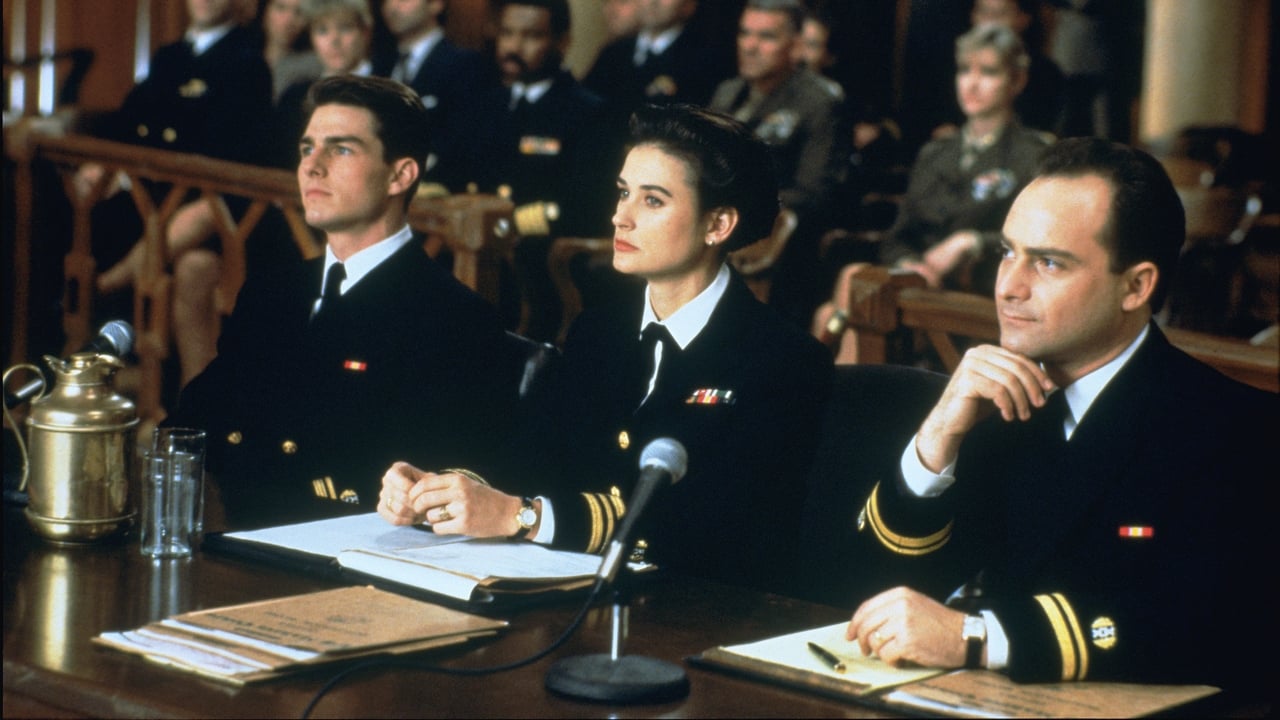
Director Rob Reiner, already known for navigating vastly different terrains from the heartwarming nostalgia of Stand by Me (1986) to the chilling suspense of Misery (1990), brings a steady, assured hand here. He understands that the real tension isn't in potential physical conflict, but in the war of words, the clash of ideologies, and the slow stripping away of carefully constructed defenses. The film meticulously builds the world of military legal procedure, grounding the high-stakes drama in believable detail. We’re drawn into the investigation alongside Lieutenant Daniel Kaffee (Tom Cruise), a Navy lawyer more comfortable cutting deals than arguing cases, who finds himself reluctantly assigned to defend two Marines accused of Santiago's murder.
Tom Cruise, then solidifying his transition from youthful charmer to serious leading man, perfectly captures Kaffee's initial slickness and gradual awakening conscience. It’s a performance often overshadowed by the fireworks elsewhere, but his journey from cynical detachment to righteous fury is the film’s crucial anchor. We see the gears turning, the discomfort growing, the moment he realizes a quick plea bargain won't suffice – not when the truth feels deliberately obscured. I remember feeling that shift keenly back then; it felt like watching someone decide, in real-time, what they truly stood for.
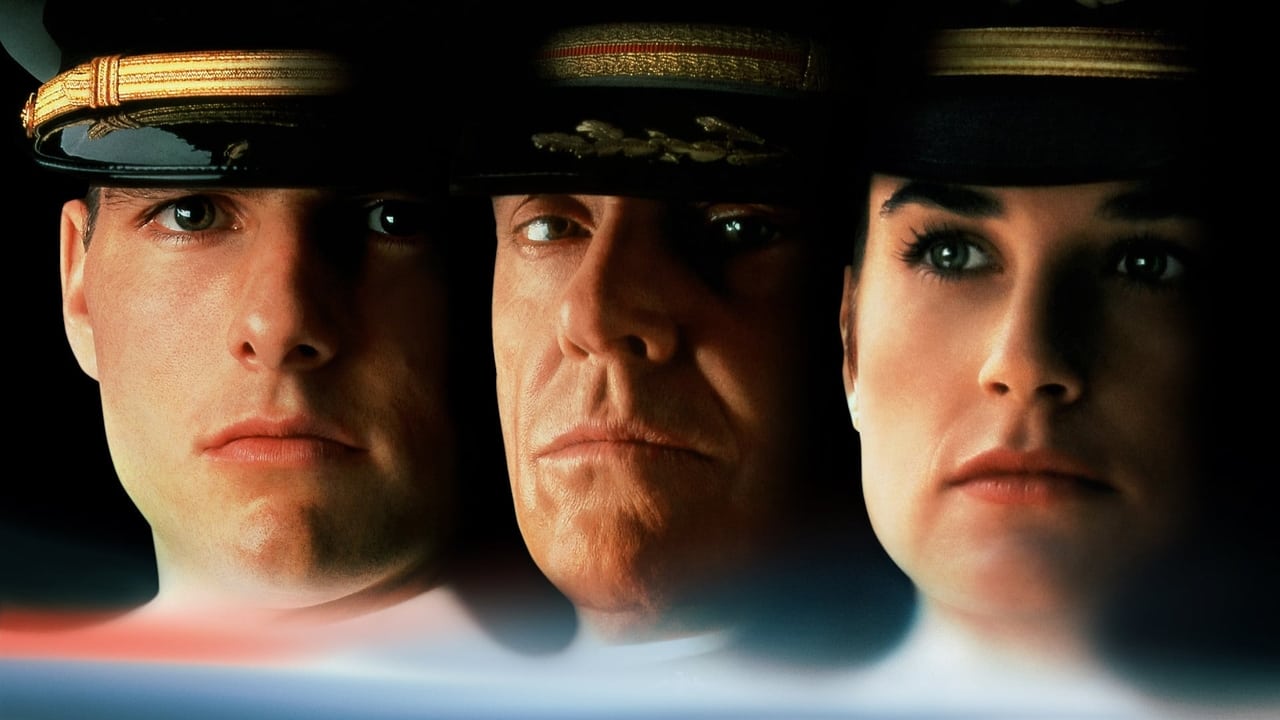
Alongside him is Lieutenant Commander JoAnne Galloway (Demi Moore), the Internal Affairs investigator who pushes for the case initially. While perhaps written with less nuance than Kaffee, Moore imbues Galloway with a steely determination and moral clarity that serves as the necessary catalyst for Kaffee's transformation. Her unwavering belief that something is deeply wrong provides the ethical compass guiding the investigation forward, even when facing institutional resistance. And rounding out the core legal team is Lt. Sam Weinberg (Kevin Pollak), offering pragmatic counsel and moments of dry wit that leaven the intensity, a vital grounding presence.
### Words as Weapons
What truly elevates A Few Good Men is the script by Aaron Sorkin, adapted from his own stage play. Sorkin's dialogue crackles with intelligence, rhythm, and razor-sharp precision. This film arguably cemented the "Sorkin-esque" style – rapid-fire exchanges, overlapping lines, characters wielding language like finely honed blades. It's a script that trusts its audience to keep up, rewarding close attention with layers of meaning and foreshadowing. Interestingly, Sorkin reportedly wrote the initial story on cocktail napkins while bartending at the Palace Theatre in New York; his sister, Deborah Sorkin, a JAG lawyer herself, had defended Marines at Guantanamo Bay involved in a hazing incident, providing the seed for the narrative. That connection to real experience perhaps lends the story its underlying authenticity.
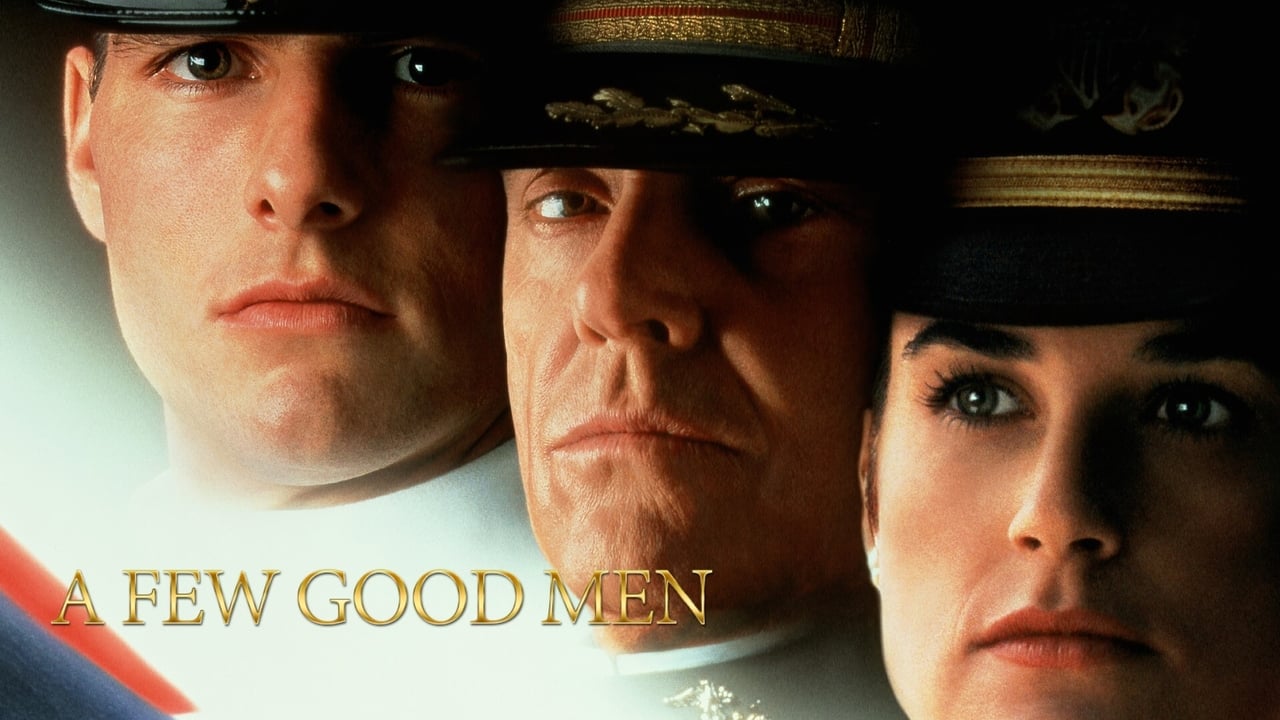
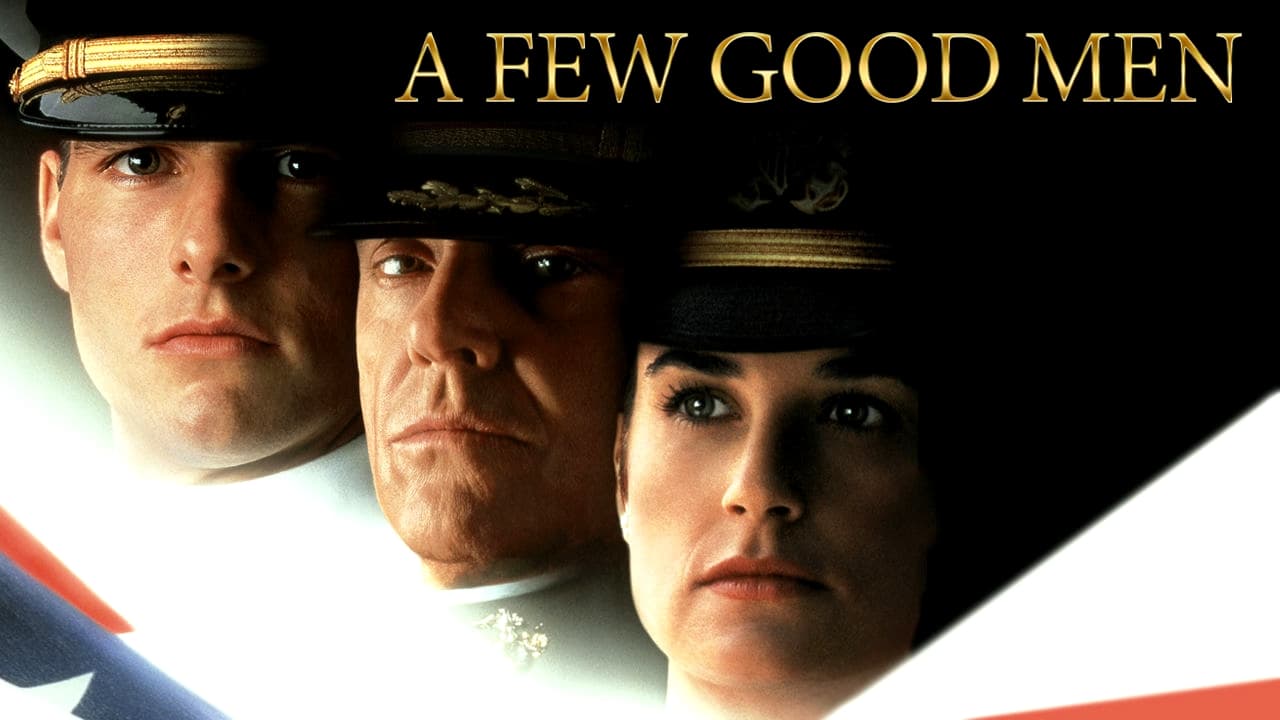
The supporting cast is a murderer's row of talent. Kiefer Sutherland is chillingly effective as Lt. Jonathan Kendrick, Jessup's zealous second-in-command, embodying the unquestioning loyalty that the defense must dismantle. The late, great J.T. Walsh delivers a masterful performance as Lt. Col. Matthew Markinson, a man torn apart by his conscience, whose scenes carry a palpable weight of regret and fear. And Kevin Bacon provides a sharp, adversarial presence as the prosecuting attorney, Captain Jack Ross, reminding us that the pursuit of justice isn't always a clear path.
### Giants in the Courtroom
And then there’s Colonel Nathan R. Jessup. Jack Nicholson. Even knowing what’s coming, his entrance sends a jolt through the film. Jessup isn't just a commanding officer; he's an embodiment of absolute authority, a man who believes his position grants him a perspective – and privileges – beyond the reach of ordinary men or their laws. Nicholson’s performance is legendary for a reason. It’s not just the famous explosive outburst; it’s the simmering intensity, the condescending smiles, the utter conviction radiating from him in every scene. Reportedly, Nicholson filmed all his scenes in about ten days, earning a hefty $5 million for his efforts (around $10.7 million today), a testament to his star power and efficiency. He doesn't just play Jessup; he inhabits him, making the Colonel's warped sense of duty frighteningly believable.
The final courtroom confrontation between Kaffee and Jessup remains one of modern cinema's most electrifying sequences. Reiner masterfully builds the tension, focusing on tight close-ups, the rhythm of Sorkin's dialogue accelerating until it reaches that iconic breaking point:
Colonel Jessup: You want answers?!
Kaffee: I think I'm entitled to them!
Colonel Jessup: You want answers?!
Kaffee: I WANT THE TRUTH!
Colonel Jessup: YOU CAN'T HANDLE THE TRUTH!
It’s a line that transcended the film, becoming a cultural touchstone. But within the context of the story, it’s the raw, exposed nerve of Jessup’s entire worldview – the belief that his actions, however questionable, are a necessary burden carried for the greater good, a burden civilians like Kaffee are too weak to comprehend, let alone judge.
### The Verdict from the Video Store Era
A Few Good Men was a significant hit back in '92, grossing over $243 million worldwide against a budget of roughly $40 million (that's like making over half a billion dollars today!), proving that audiences were hungry for intelligent, character-driven drama alongside the era's blockbusters. It cemented Cruise's dramatic clout, provided Nicholson with another unforgettable role, and launched Sorkin's screenwriting career into the stratosphere, paving the way for works like The West Wing.
Watching it today, the film holds up remarkably well. The themes of accountability, the potential for corruption within power structures, and the individual's responsibility to question authority remain potent. It’s a reminder of a time when major studios weren't afraid to invest in dialogue-heavy, star-studded dramas aimed squarely at adults. Renting this tape felt like an event – you knew you were in for powerhouse performances and a story that would make you think. Does the system protect us, or does it sometimes protect itself at our expense? What is the true meaning of honor? These are the questions that linger long after the credits roll.

Rating: 9/10
This rating reflects the film's superb script, powerhouse performances (especially from Cruise and Nicholson), taut direction, and enduring thematic relevance. It’s a masterclass in courtroom drama, building tension through dialogue and character rather than relying on action. While some might find Moore's character slightly less developed, the overall package is exceptionally crafted and compelling.
A Few Good Men remains a thoroughly gripping piece of filmmaking, a high-water mark for 90s mainstream drama that still provokes debate about where the lines of duty, honor, and truth should be drawn. It leaves you pondering: who truly watches the watchers?