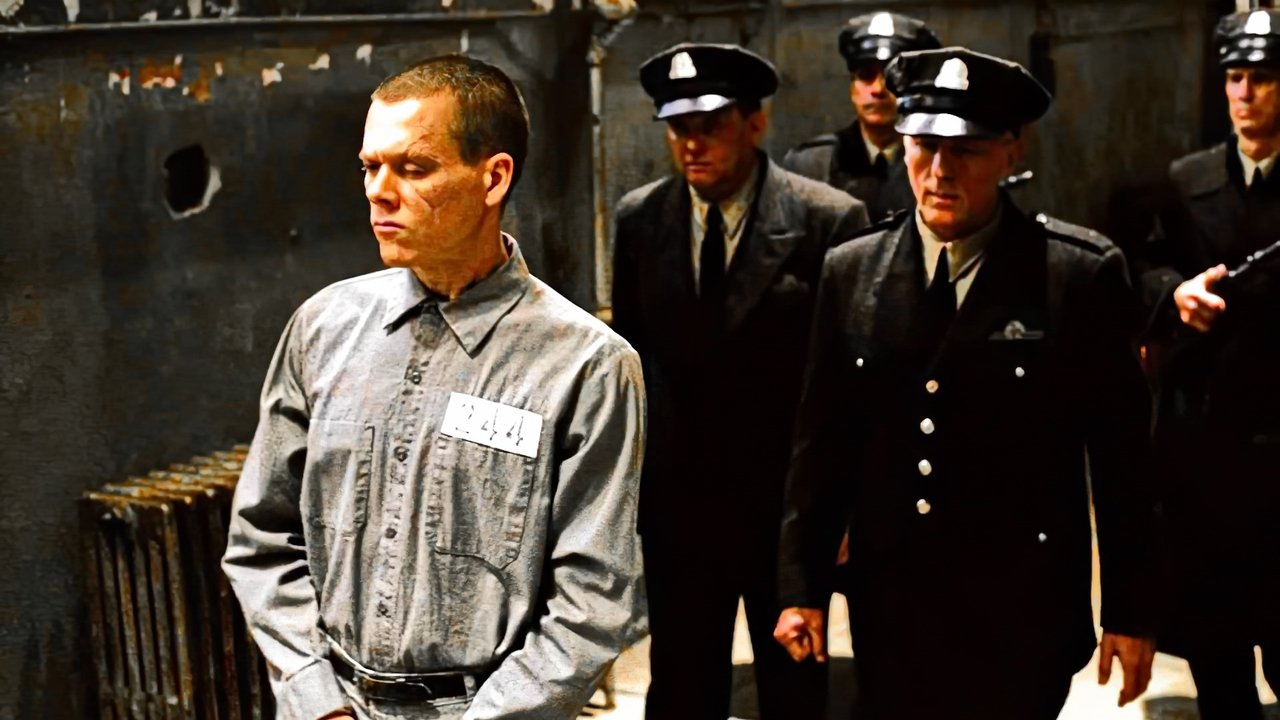
Some images from film lodge themselves deep in the mind, don't they? Long after the credits roll on Marc Rocco’s 1995 drama Murder in the First, the picture that lingers is the broken figure emerging from the darkness of Alcatraz's dungeons. It’s a visual that encapsulates the film's raw, unsettling power, forcing us to confront uncomfortable questions about justice, punishment, and the point where the system designed to protect society begins to corrode the very humanity it governs. This wasn't your typical 90s courtroom thriller; renting this tape often meant settling in for something far more harrowing than expected.
Beyond the Bars: A Tale of Two Men
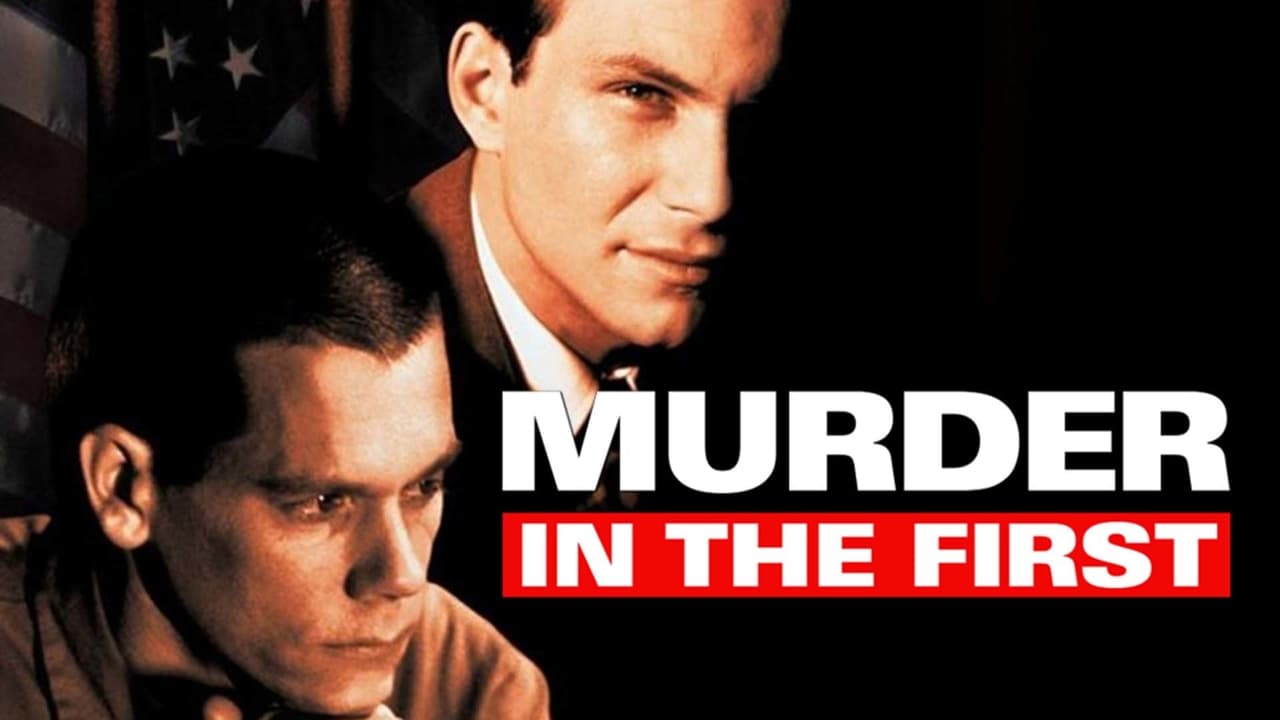
At its core, Murder in the First tells the story of Henri Young (Kevin Bacon), an inmate accused of killing a fellow prisoner shortly after enduring three years of brutal, illegal solitary confinement in the subterranean cells of 'The Rock'. Assigned to his seemingly open-and-shut case is James Stamphill (Christian Slater), a young, idealistic public defender fresh out of Harvard Law. What begins as a straightforward murder trial evolves into something much larger: an indictment of Alcatraz itself, personified by the chillingly detached Associate Warden Milton Glenn (Gary Oldman). The narrative cleverly uses Stamphill’s investigation to peel back the layers of Henri’s ordeal through flashbacks, contrasting the bright hope of the courtroom with the suffocating despair of the prison.
A Performance Forged in Darkness
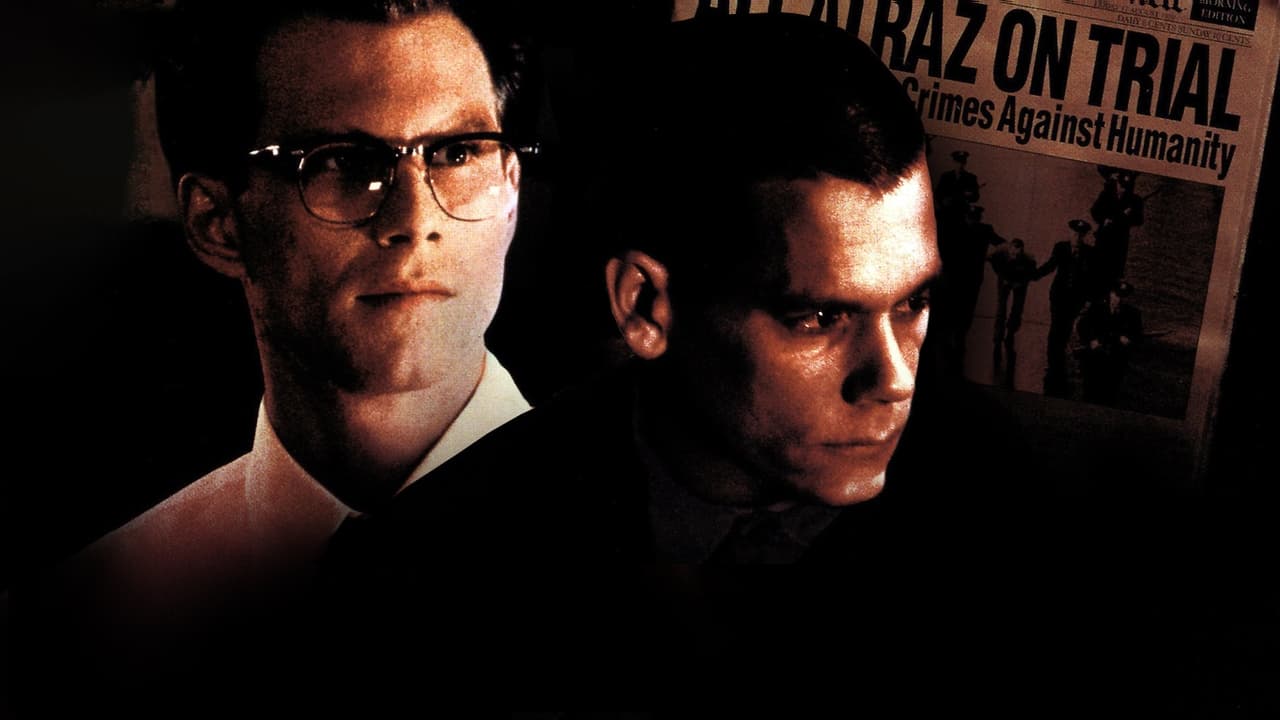
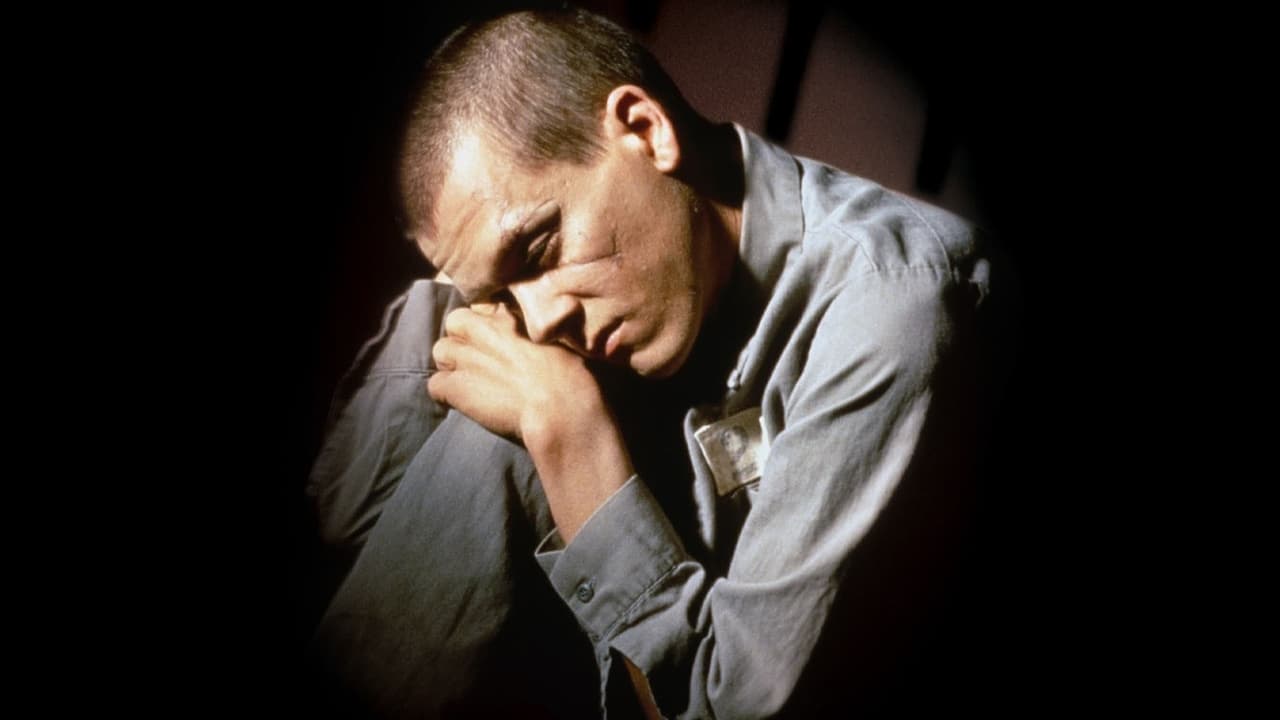
Let's be frank: the absolute anchor of this film is Kevin Bacon's devastating portrayal of Henri Young. It's a performance that goes far beyond mere acting; it feels like a genuine physical and psychological transformation. Bacon reportedly lost significant weight and spent time in isolation himself to capture the character's trauma. The result is visceral. His initial appearance – twitching, muttering, eyes darting with terror and confusion – is deeply disturbing. It’s a portrayal of dehumanization that’s hard to shake. You see the remnants of a person buried under layers of abuse, and Bacon makes you believe utterly in Henri’s pain and fractured state. It's a performance that stays with you, a stark reminder of the physical toll psychological torture can exact. Watching it back then on a flickering CRT somehow almost amplified the claustrophobia, the feeling of being trapped with him.
Opposite Bacon, Christian Slater brings an earnest energy as Stamphill. Fresh off roles like True Romance (1993), he embodies the hopeful crusader, perhaps a touch naive but fiercely determined. His chemistry with Bacon, particularly in the scenes where Stamphill slowly tries to coax Henri back towards humanity, forms the emotional heart of the story. And then there's Gary Oldman. Following his flamboyant Dracula in Francis Ford Coppola's 1992 film, Oldman delivers a masterclass in controlled menace. His Warden Glenn is terrifying not through overt rage, but through quiet conviction and bureaucratic cruelty. He believes utterly in his methods, making him all the more chilling. It’s a performance of chilling stillness that perfectly counterbalances Bacon's raw physicality.
The Truth, and Something Like It
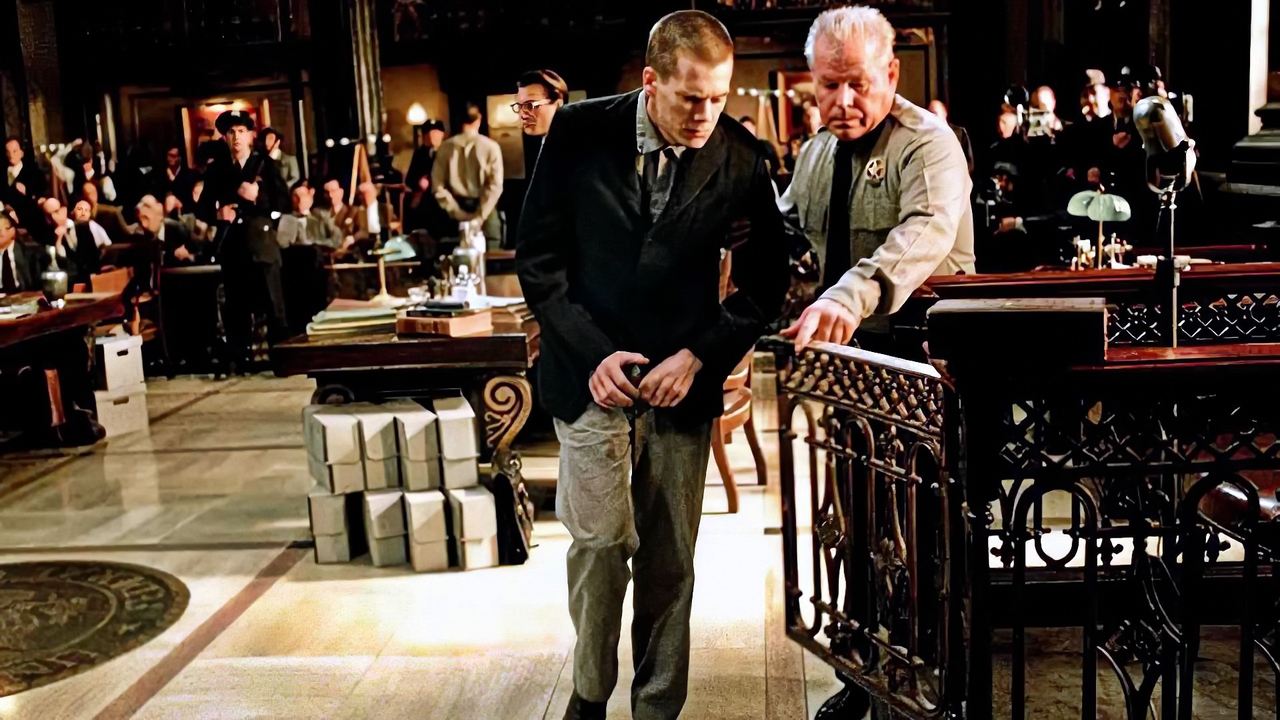
Now, it’s crucial to address the film's "Based on a True Story" tag, a detail that generated considerable debate even back in '95. While a Henri Young was incarcerated at Alcatraz and did kill another inmate after solitary confinement, the film takes significant dramatic license. The real Young was a hardened bank robber, not a petty thief imprisoned for stealing $5. The three-year solitary confinement depicted was vastly exaggerated from the actual period (likely months, not years, though still brutal). And the film's ending provides a form of narrative closure that the real, far murkier story lacked (the real Young eventually disappeared after being transferred from Alcatraz). Does knowing this diminish the film? Perhaps for historical purists. However, writer Dan Gordon (who later penned The Hurricane, another biographical drama facing accuracy debates) and director Marc Rocco seem less interested in a documentary account and more focused on using the core situation as a vehicle for exploring timeless themes. The film’s power lies not in its historical fidelity, but in its potent allegory of systemic abuse. Parts of the movie were actually filmed on location at Alcatraz Island, adding a layer of authenticity to the grim atmosphere Rocco successfully evokes.
Crafting the Cage
Rocco, who had previously directed the gritty Where the Day Takes You (1992), demonstrates a solid hand here. He effectively contrasts the stark, blue-grey palette of Alcatraz with the warmer tones of the courtroom scenes. The cinematography often emphasizes the confinement, the oppressive architecture of the prison looming large. The score by Christopher Young effectively underscores the emotional weight without becoming overly manipulative. While the film occasionally leans into courtroom drama tropes that feel familiar now, it does so with conviction. It’s a well-crafted piece of 90s cinema, aiming for emotional impact and largely succeeding, even if its $20 million budget didn't translate into massive box office success (grossing around $17.4 million domestically).
The Verdict from the Video Shelf
Murder in the First isn't a comfortable watch. It's intense, emotionally draining, and raises questions that don't have easy answers. The historical inaccuracies are undeniable and worth acknowledging. Yet, the sheer force of Kevin Bacon's central performance, supported strongly by Slater and Oldman, elevates the film beyond a standard legal drama. It uses its fictionalized account to make a powerful statement about the potential for cruelty within systems of power and the enduring spark of humanity even in the darkest corners. Pulling this tape off the shelf at the rental store often meant signing up for a heavier experience than the cover art might suggest, but one that resonated because of its unflinching performances and thematic weight.
Rating: 7.5 / 10
Justification: The film scores highly for its exceptional central performances, particularly Bacon's transformative work, and its effective, claustrophobic atmosphere. The direction is solid, and the core themes remain potent. Points are deducted primarily for the significant historical liberties taken, which can undermine its claim as a "true story," and for occasional lapses into conventional courtroom melodrama.
Final Thought: Decades later, Murder in the First remains memorable not just as a showcase for its actors, but as a stark, albeit fictionalized, look into the abyss – questioning how we punish, and what it costs our own humanity when justice loses its way.