It wasn't always about the explosive blockbusters or the neon-drenched sci-fi epics back in the video store days, was it? Sometimes, nestled between the familiar action heroes and slasher villains, you'd find a cover that promised something quieter, something deeper. A film like Adolfo Aristarain's A Place in the World (Un lugar en el mundo, 1992) might have caught your eye – perhaps in the foreign language section, its simple title hinting at a universal search. Pulling that tape off the shelf often felt like unearthing a secret, a story waiting to unfold with a different kind of power.
### Whispers on the Pampas
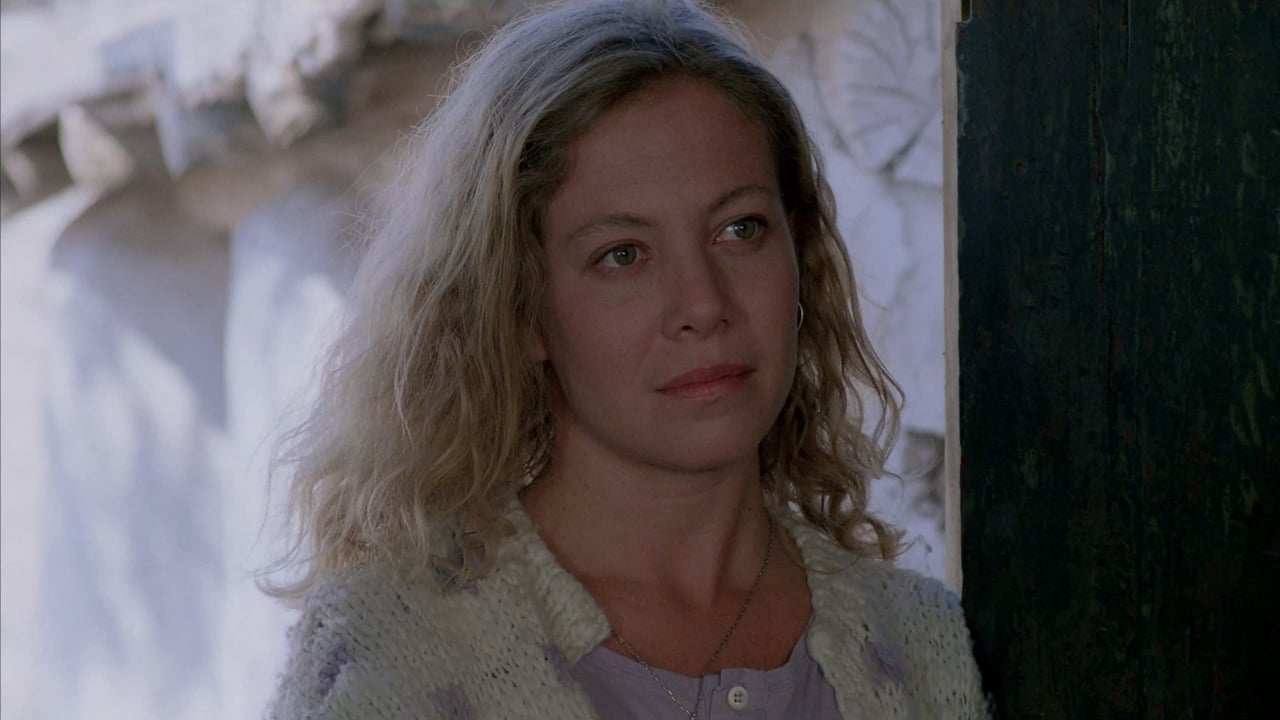
Set against the vast, sun-baked landscapes of rural Argentina, the film draws us into the world of young Ernesto (Gaston Batyi) during a formative period. We see life through his observant eyes, primarily focusing on his parents, Mario (José Sacristán) and Ana (Leonor Benedetto). They are idealists, educators who have retreated from the political turmoil of the city to run a cooperative school, hoping to foster change from the ground up in this seemingly forgotten corner of the country. There's a palpable sense of the recent past – the shadow of the dictatorship lingers, unspoken but felt – informing their fierce desire to build something meaningful, something just. Their quiet dedication is both admirable and tinged with a certain fragility against the entrenched local powers.
### The Stranger and the Shifting Sands
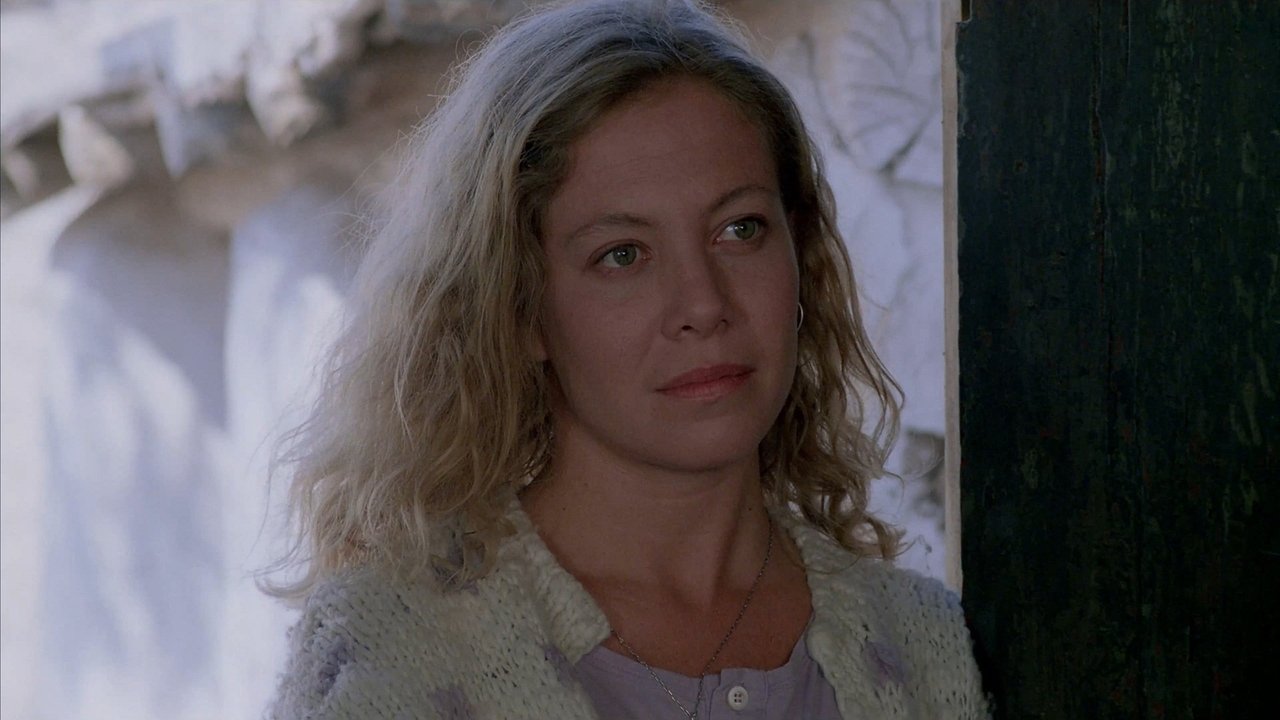
Into this carefully constructed world steps Hans Meyer (Federico Luppi), a Spanish geologist ostensibly searching for oil but perhaps searching for something more himself. Luppi, an actor whose gravitas could fill any screen (think of his later roles in Cronos or Pan's Labyrinth), embodies Hans with a magnetic, world-weary presence. He is pragmatic, perhaps cynical, a stark contrast to Mario's passionate, sometimes volatile, idealism. His arrival acts as a catalyst, subtly challenging the family's beliefs and forcing confrontations not just with external forces, like the exploitative local landowner Andrada, but also within themselves. What does it mean to hold onto ideals when reality keeps pushing back? Can you truly create "a place in the world" separate from its harsh complexities?
### Performances Forged in Truth
The film rests heavily on the shoulders of its actors, and they deliver with remarkable authenticity. José Sacristán, a stalwart of Spanish and Argentinian cinema, perfectly captures Mario's blend of fierce conviction, intellectual pride, and underlying vulnerability. You feel the weight of his past and the intensity of his hopes for the future. Leonor Benedetto provides a vital counterpoint as Ana, radiating strength, intelligence, and a deep well of empathy that anchors the family. But it's often the interactions between Sacristán and Federico Luppi that truly crackle. Their ideological sparring matches are captivating, less about overt conflict and more about the subtle collision of worldviews, conveyed through nuanced glances and measured dialogue. Young Gaston Batyi, as our narrator looking back, provides the crucial lens of burgeoning understanding, witnessing the adult world grapple with compromises he's only beginning to comprehend.
### A Film of Quiet Power and Unfortunate Controversy
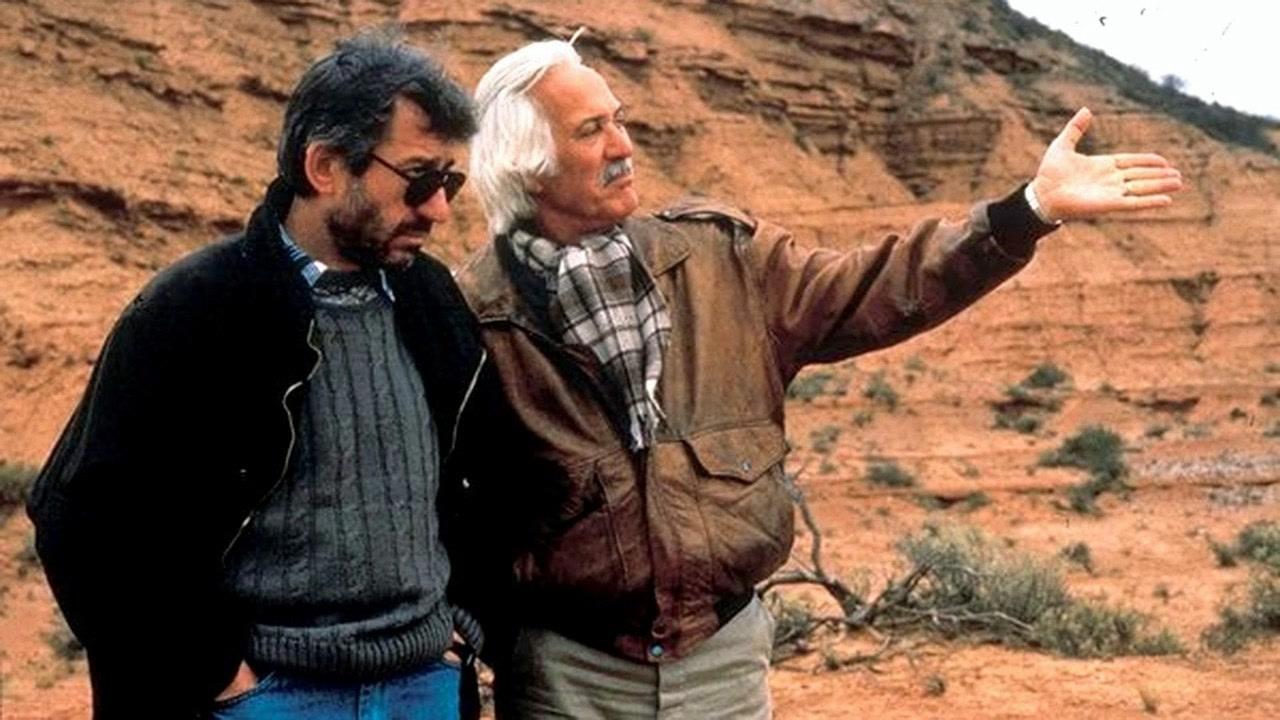
Adolfo Aristarain, who also co-wrote the screenplay, directs with a patient, observant hand. He lets the story breathe, allowing the stunning Argentinian landscapes of San Luis province, where it was filmed, to become almost another character – vast, beautiful, yet isolating. The pacing is deliberate, focusing on character moments and thematic development rather than plot pyrotechnics. It’s a film that asks you to lean in, to listen to the unspoken tensions and watch the subtle shifts in relationships.
Interestingly, A Place in the World became embroiled in a significant controversy that perhaps overshadowed its artistic merit for a time. Submitted by Uruguay for the Best Foreign Language Film Oscar at the 65th Academy Awards, it secured a nomination – a huge achievement. However, it was later disqualified when the Academy determined it was overwhelmingly an Argentinian production, despite some Uruguayan financing and personnel involvement. Aristarain passionately defended the submission, but the nomination was rescinded. It’s a peculiar footnote for a film so deeply rooted in Argentinian identity and the socio-political currents of that specific place and time. Despite this, the film rightly swept awards elsewhere, including the prestigious Golden Shell at the San Sebastián International Film Festival.
### Finding Its Place on the Shelf
Watching A Place in the World again transports me back to that feeling of discovering something substantial, something that lingered long after the credits rolled and the VCR clicked off. It wasn't the adrenaline rush of a Die Hard (helmed by John McTiernan, another master of his craft) or the eerie thrill of a Jamie Lee Curtis horror flick post-Halloween. Instead, it offered a profound, melancholic reflection on idealism, disillusionment, the search for belonging, and the indelible mark parents leave on their children. It explores how political histories seep into personal lives, shaping choices and destinies in ways both grand and intimate. It’s a reminder that the "foreign film" section often held treasures that spoke a universal language.
Rating: 9/10
Justification: The near-perfect score reflects the film's exceptional performances, particularly from Luppi and Sacristán, Aristarain's masterful direction creating a palpable sense of place and mood, and its deeply resonant, universally relevant themes explored with nuance and intelligence. The slight deduction acknowledges a pace that might test some viewers accustomed to faster narratives, but its quiet power is undeniable.
Final Thought: A Place in the World remains a poignant testament to the enduring human need to find meaning and carve out a space for one's values, even when the world seems determined to compromise them. It leaves you pondering: how much of our parents' battles do we inherit, and how do we ultimately find our own place?