It begins, as so many meaningful connections do, quite simply: with a letter. Not an email, dispatched with a click into the digital ether, but a physical object. Paper, ink, postage stamp, crossing an ocean carrying a specific, perhaps slightly demanding, request from a pragmatic New Yorker to a dusty London bookshop. Watching 84 Charing Cross Road again after all these years, perhaps on a well-loved VHS tape retrieved from the back of a shelf, feels like uncovering just such a letter – a reminder of a quieter, more deliberate form of human connection, beautifully captured on film in 1987.
Worlds Apart, Words Together
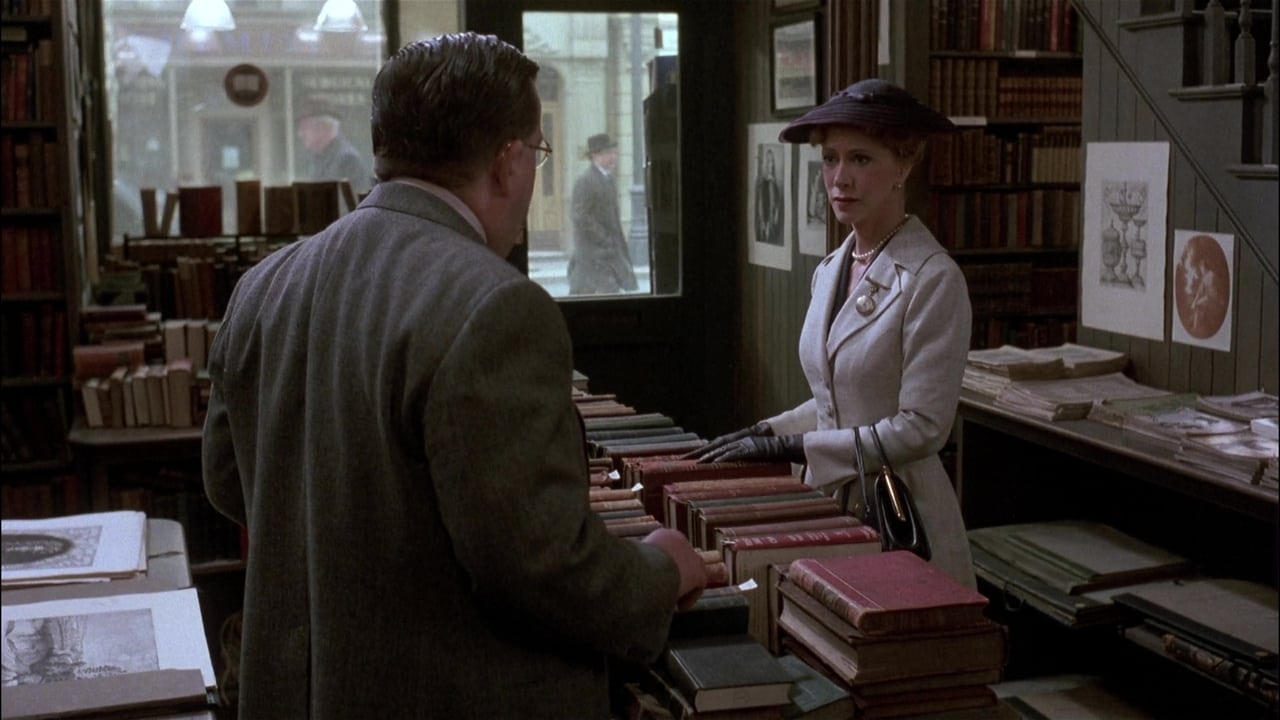
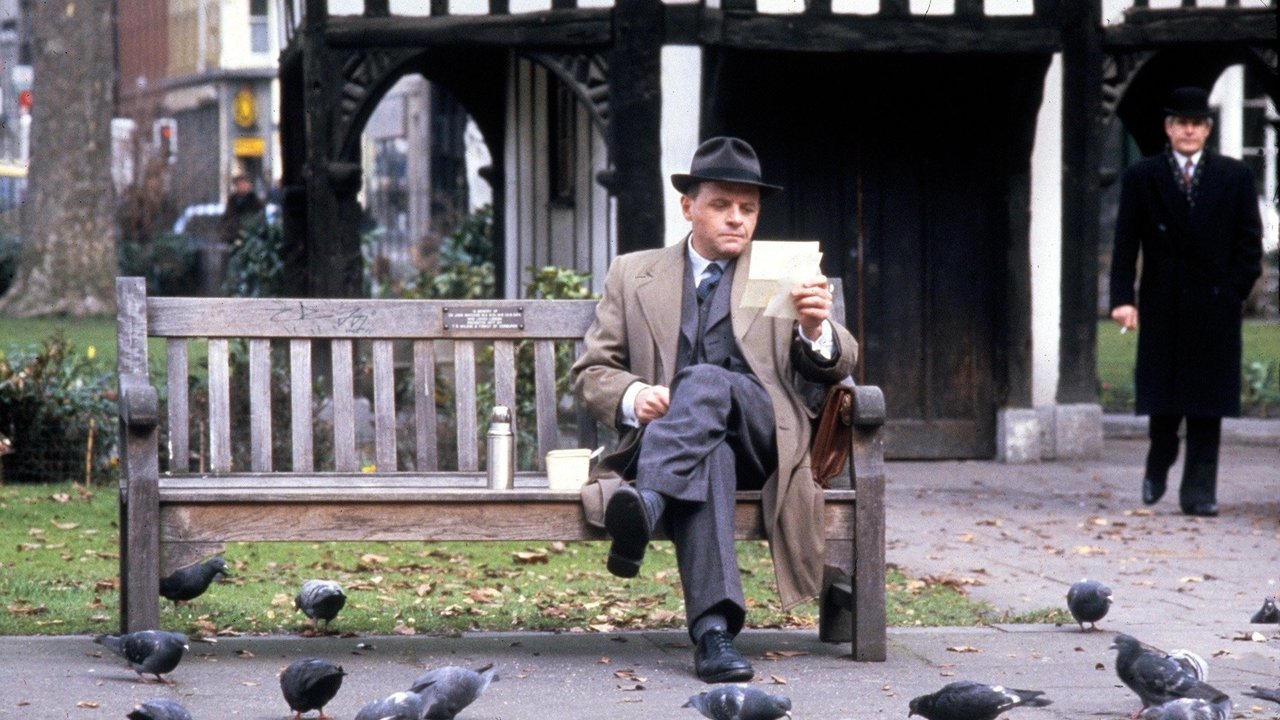
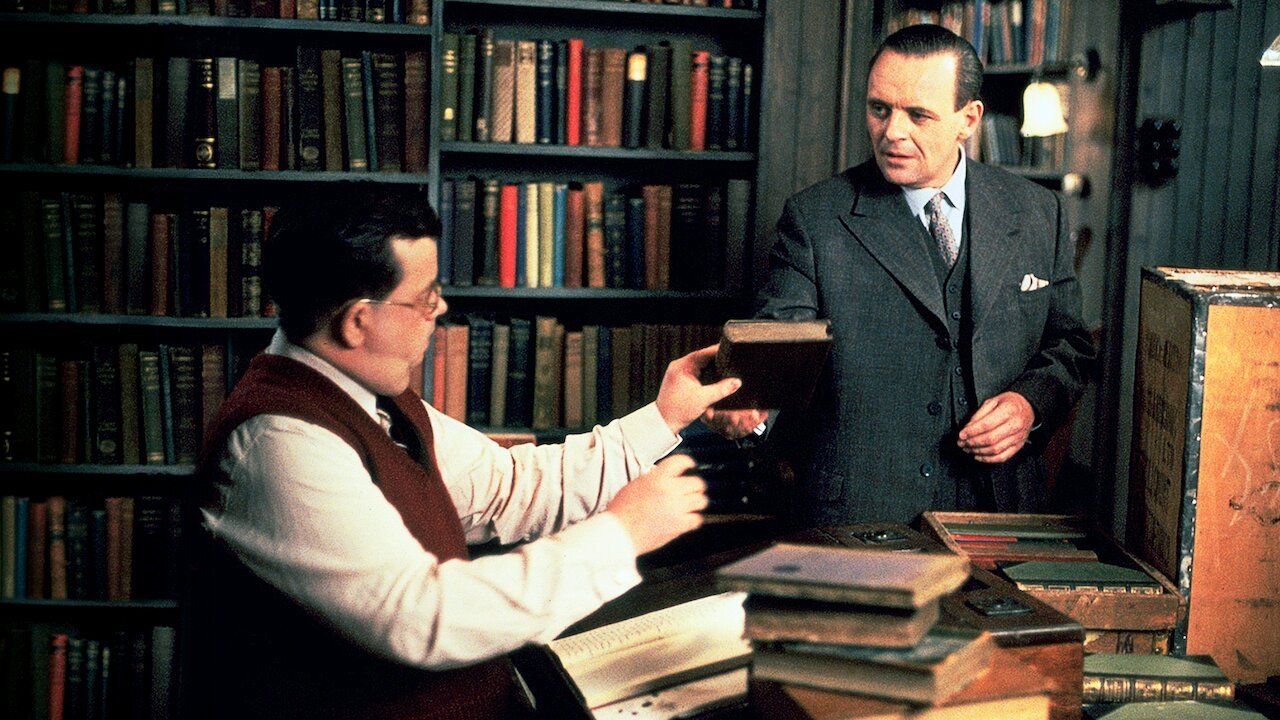
This isn't your typical 80s cinematic fare. There are no explosions, no high-speed chases, no fantastical creatures, unless you count the rare and obscure books sought by Helene Hanff, portrayed with such fiery intelligence and impatient wit by Anne Bancroft. From her cluttered New York apartment, Hanff begins a correspondence with Marks & Co., antiquarian booksellers in London, seeking volumes she can't find locally. Her letters land on the desk of Frank Doel, the chief buyer, embodied with impeccable reserve and gentle courtesy by Anthony Hopkins.
What unfolds over two decades is a friendship forged entirely through the mail. Director David Jones, who brought a similar nuanced sensibility to Harold Pinter's Betrayal (1983), masterfully contrasts their environments: Hanff’s lively, somewhat chaotic American existence against the backdrop of post-war rationing and quiet dignity in Doel’s Britain. The film never forces them together physically (until a poignant coda); their entire relationship lives in the words they exchange and, crucially, in how Bancroft and Hopkins react to them. It’s a testament to the power of Hugh Whitemore’s screenplay, adapted from Hanff’s own beloved 1970 memoir (and Whitemore's earlier stage adaptation), that this feels utterly compelling.
A Bookseller's Reserve, A Writer's Fire
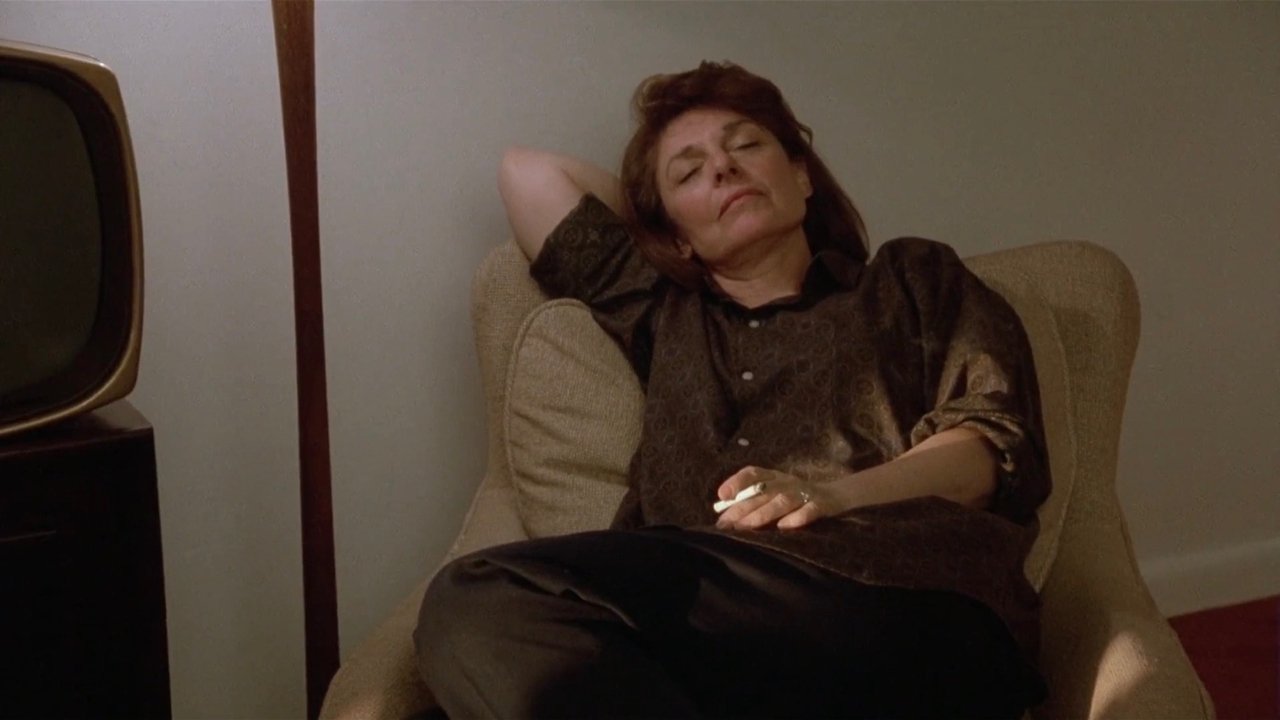
The performances are the heart and soul of 84 Charing Cross Road. Anne Bancroft, fresh off her intense work in films like To Be or Not to Be (1983) and Agnes of God (1985), is simply magnificent. She captures Hanff’s brashness, her generosity, her deep love for literature, and her underlying vulnerability without ever resorting to caricature. You believe entirely in her cramped apartment existence, her writer’s frustrations, and the genuine warmth that radiates through her often-blunt letters. Her BAFTA win for Best Actress was thoroughly deserved.
Opposite her, Anthony Hopkins delivers a performance of extraordinary subtlety. This was before Hannibal Lecter cemented his global stardom in The Silence of the Lambs (1991), but the quiet intensity is already palpable. As Frank Doel, he is the quintessential reserved Englishman, buttoned-up and formal, yet Hopkins allows glimpses of the warmth, humour, and deep appreciation stirred by Hanff’s transatlantic missives. Watching him read her letters, a slight smile playing on his lips or a flicker of amusement in his eyes, is acting of the highest calibre. Adding another layer of quiet strength is Judi Dench as Frank’s wife, Nora, who observes this unusual friendship with a blend of understanding and perhaps a touch of wistful curiosity.

More Than Just Pages
One of the most fascinating aspects of the production, and something that undoubtedly enhances the film's authenticity, is that Bancroft and Hopkins filmed their roles entirely separately, on different continents. They never met on set, mirroring the very distance that defines Helene and Frank's relationship. This wasn't just a logistical choice; it becomes a powerful element of the film itself. Their connection exists purely through the letters and gifts exchanged – nylons and tinned ham travelling east, rare editions and literary companionship travelling west.
The film also serves as a poignant time capsule. It evokes the atmosphere of mid-20th century London and New York, capturing the textures of life – the food parcels sent to a still-rationed Britain, the shared love of language that transcends cultural differences, the slow passage of years marked by changing seasons and evolving letterheads. For those of us who haunted bookstores or libraries in our youth, the reverence for the physical book, the smell of old paper and binding, feels deeply resonant. It's a love letter to literature itself, as much as it is about the people involved. Sadly, the actual Marks & Co. bookshop at 84 Charing Cross Road had already closed its doors in 1970, shortly after Hanff’s book was published. Though Hanff did eventually visit London in 1971 (documented in The Duchess of Bloomsbury Street), she found only the empty premises, a bittersweet reality the film gently incorporates into its finale.
Echoes Across the Atlantic
Rediscovering 84 Charing Cross Road feels different now. In an age of instant communication, the patience and depth of Helene and Frank’s decades-long correspondence seem almost radical. It asks us to consider what truly builds a connection. Is it shared physical space, or something deeper – shared passions, intellectual curiosity, genuine human kindness expressed across vast distances? The film doesn’t offer easy answers, but it presents the question with warmth and profound grace.
It might not have been the tape you reached for every Friday night at the video store, perhaps overshadowed by louder, flashier neighbours on the shelf. But finding it, watching it, felt like discovering a hidden gem. It’s a film that lingers, like the scent of old books or the memory of a heartfelt letter received long ago. It speaks to the enduring power of words to bridge divides and forge friendships in the most unexpected ways.
Rating: 9/10
This near-perfect score reflects the film's quiet brilliance, anchored by two powerhouse performances that feel utterly authentic despite their physical separation on screen. The direction is sensitive, the adaptation is faithful and moving, and the atmosphere is rich and evocative. It’s a film that celebrates literacy, kindness, and the enduring human need for connection, making its gentle pace and lack of conventional drama a strength, not a weakness.
Final Thought: In a world saturated with fleeting digital messages, 84 Charing Cross Road remains a beautiful, poignant reminder that sometimes the most meaningful connections are the ones cultivated slowly, thoughtfully, one carefully chosen word at a time.