Alright, rewind your minds with me. Picture this: you’re wandering the aisles of the local video store, the smell of plastic cases and slightly stale popcorn hanging in the air. You’ve already devoured A Better Tomorrow (1986), that landmark slice of Hong Kong heroic bloodshed. Then, gleaming on the shelf, maybe with a slightly worn cover, you spot it: A Better Tomorrow II. The promise of more Chow Yun-fat, more Ti Lung, more slow-motion bullet ballets directed by the maestro John Woo? Yes, please. Hitting play on this one back in the day was like strapping yourself into a rocket fueled by pure, unfiltered cinematic mayhem.
### More Bullets, More Brothers (Sort Of)
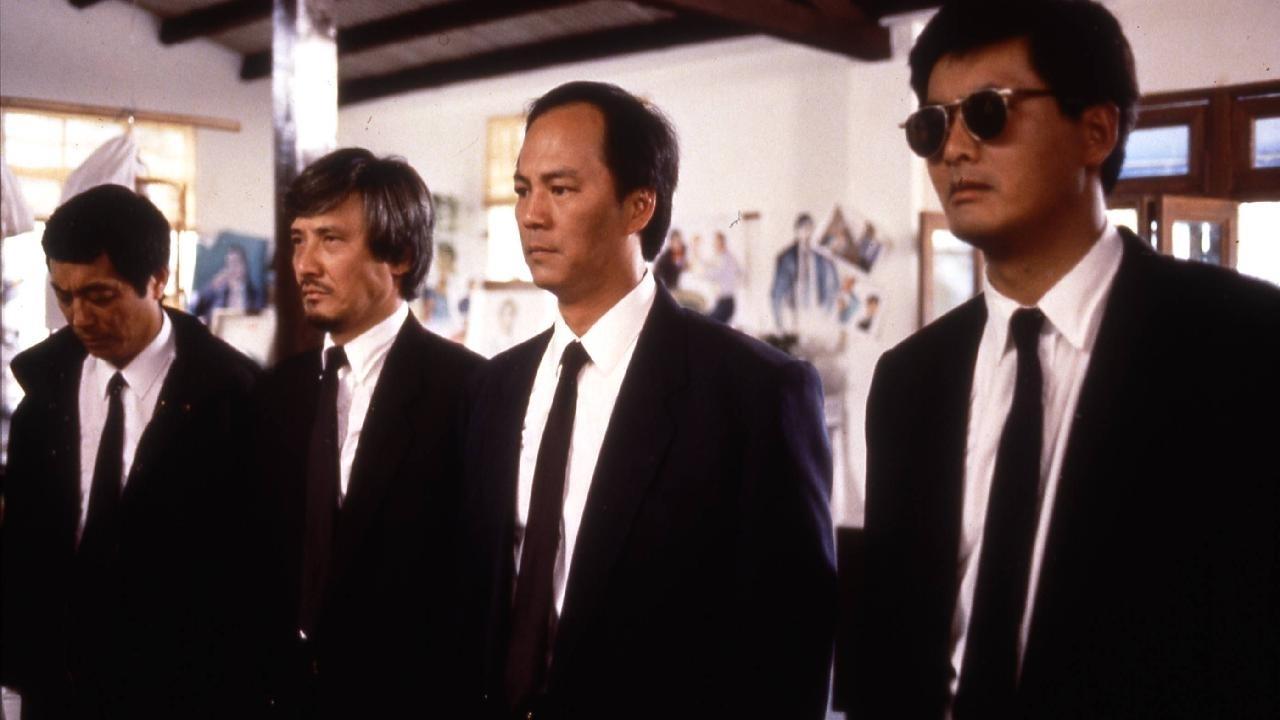
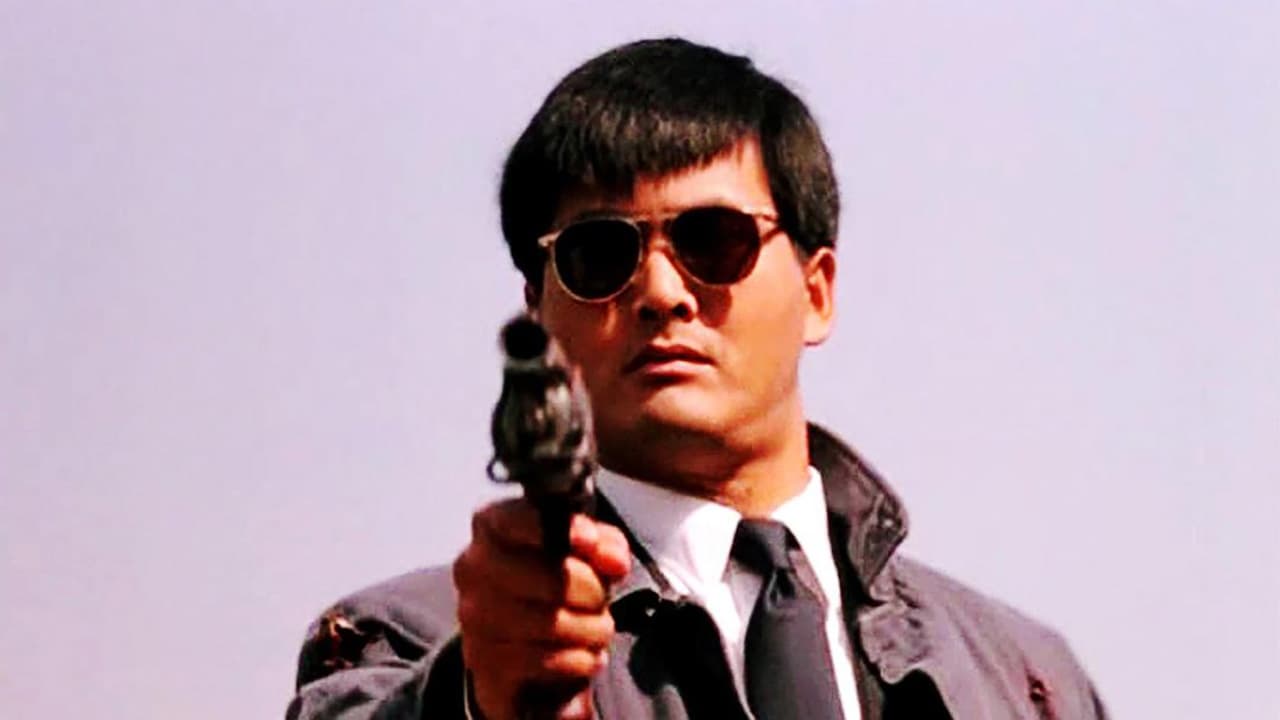
Picking up after the tragic climax of the first film, A Better Tomorrow II finds Sung Tse-Ho (Ti Lung, embodying world-weariness like few others) trying to walk the straight and narrow after prison. His brother, Kit (Leslie Cheung, bringing a raw intensity), is now deep undercover, infiltrating the very shipyard Ho used to run, now suspected of being a front for counterfeiters. But the elephant in the room, or rather, the ghost at the feast, is the absence of Mark Gor. John Woo and producer Tsui Hark (who also co-wrote and, reportedly, significantly interfered) faced a conundrum: Chow Yun-fat had become an absolute superstar after the first film. How do you make a sequel without your breakout character? Their solution is pure, glorious 80s Hong Kong cinema logic: give Mark Gor an identical twin brother! Enter Ken, Mark's estranged sibling living Stateside, running a restaurant and, naturally, being just as impossibly cool and skilled with firearms. It's audacious, slightly silly, and yet… somehow, it works, mostly because Chow Yun-fat's charisma could probably power a small city.
### Chaos Under Pressure
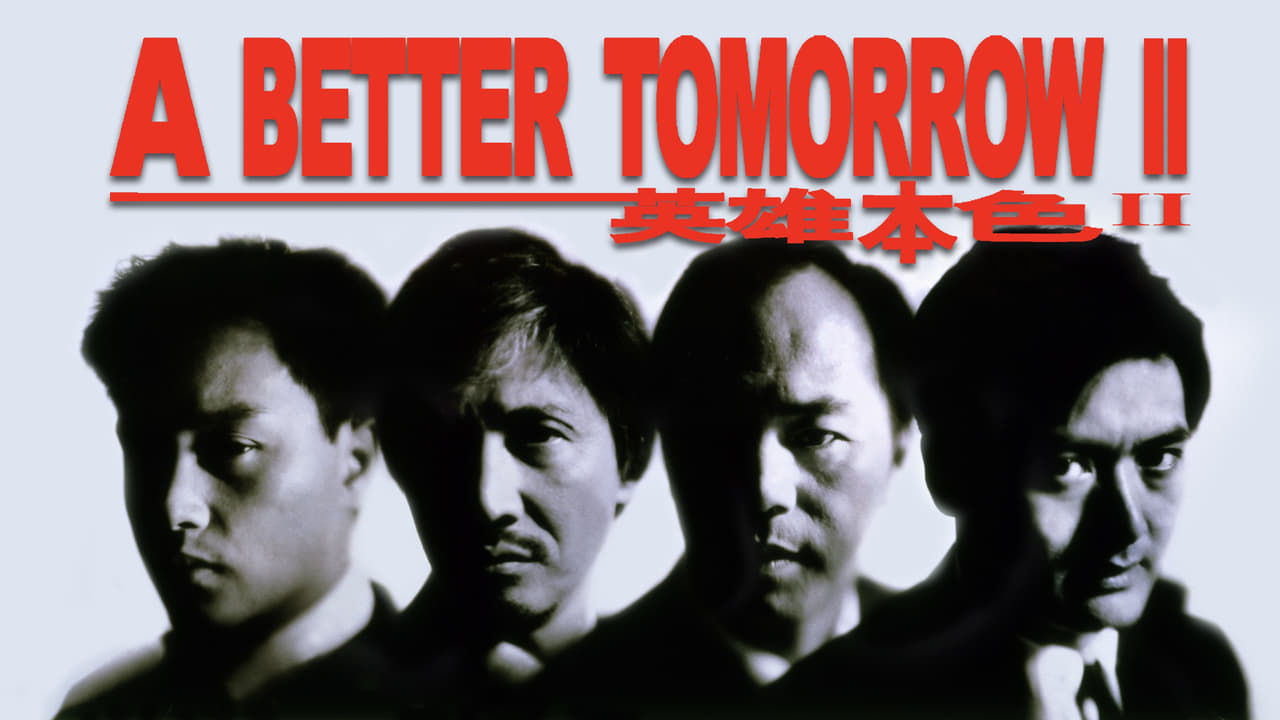
The making of this film is almost as dramatic as the on-screen action. Rushed into production to capitalize on the original's success, creative tensions flared between Woo and Hark. Hark, known for his own distinct directorial style seen in films like Zu Warriors from the Magic Mountain (1983), reportedly took over directing duties for certain sequences and heavily re-edited the final cut. This "too many cooks" situation might explain some of the film's tonal whiplash, particularly the jarringly broad comedic (or perhaps tragicomic?) performance from veteran actor Dean Shek as Lung Si, a former Triad boss driven to a near-catatonic state. His storyline feels almost like it belongs in a different movie, a testament perhaps to the behind-the-scenes tug-of-war. It’s a Retro Fun Fact that adds a layer of understanding to the film's sometimes uneven feel – it wasn't just stylistic choice, it was production reality bleeding onto the screen.
### The Birth of Operatic Mayhem
But let's talk about why we slapped this tape into the VCR with such anticipation: the action. If the first film established the heroic bloodshed template, this sequel cranks everything up to eleven, maybe twelve. John Woo doubles down on his signature style. The gunfights aren't just shootouts; they're meticulously choreographed ballets of destruction. Forget shaky-cam or quick cuts – Woo lets you see the action unfold, often in glorious slow motion. Remember how visceral those bullet hits felt back then? That’s because they were using countless squibs, little explosive charges packed with fake blood, detonating on the actors' specially padded clothing. It was messy, dangerous, and utterly convincing on a grainy CRT screen.
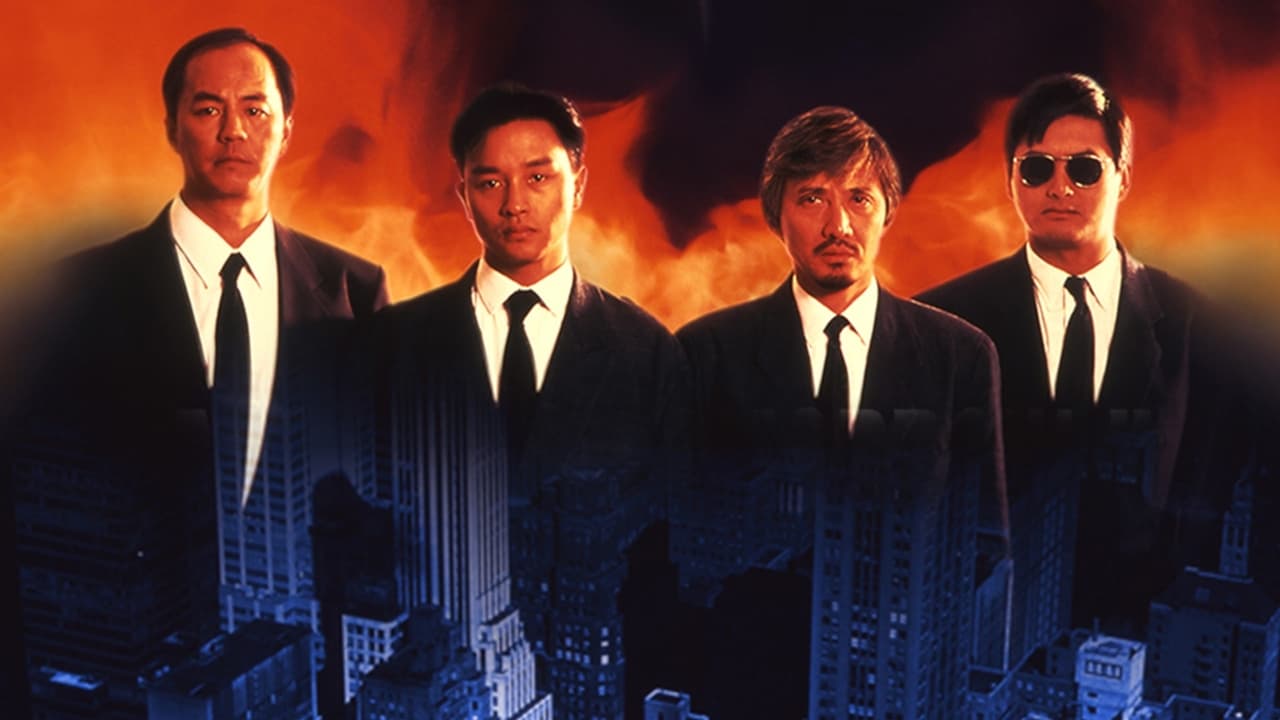
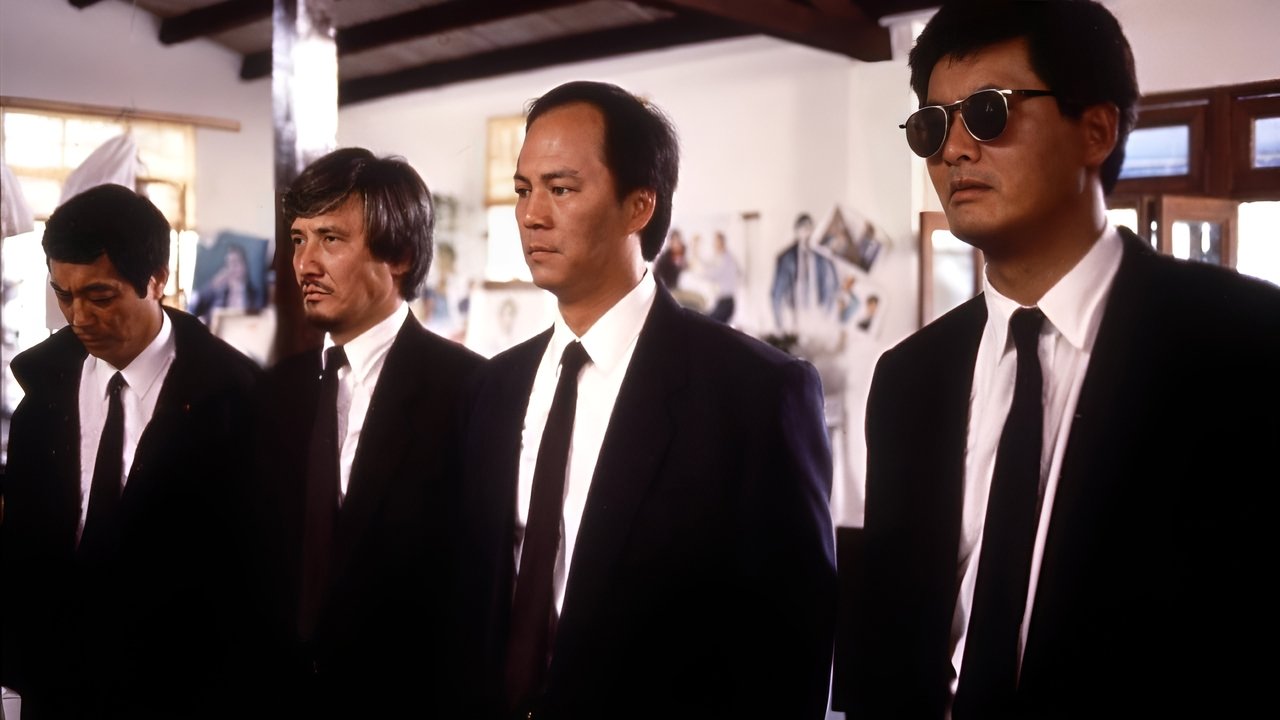
The practical stunt work is phenomenal. People fly through the air, crash through tables, and fall from heights with a weight and impact that modern CGI often struggles to replicate. The restaurant scene where Ken finally unleashes his inherited Mark Gor-level firepower is an early highlight, but it’s merely an appetizer for the main course.
### The Mansion Siege: A Symphony of Squibs
The legendary final sequence – the assault on the villain's heavily guarded mansion – is where A Better Tomorrow II truly earns its place in action history. It's an absolute onslaught, a near-unrelenting symphony of gunfire, explosions, and operatic sacrifice. Ho, Kit, Ken, and Lung Si (having regained his senses and dignity) stride into the lion's den, armed to the teeth, ready to dispense justice. The body count is astronomical, the ammunition apparently infinite. Woo orchestrates this chaos with undeniable flair. There's a raw, almost desperate energy to it. This wasn't green screens and digital doubles; it was stunt performers risking injury, elaborate practical rigs, and a director pushing the boundaries of what could be safely (or perhaps not-so-safely) filmed. It reportedly took weeks to shoot and used an absurd amount of blank ammunition and squibs. Watching it again now, you can appreciate the sheer, tangible effort involved.
While it lacks the tighter narrative focus and emotional resonance of its predecessor, A Better Tomorrow II delivers spectacle in spades. It’s louder, messier, and arguably more excessive, but that’s part of its charm. It captures that specific late-80s Hong Kong energy – a feeling that anything was possible on screen, fuelled by incredible stunt teams and visionary directors willing to push the limits. It cemented Chow Yun-fat as an international action icon and further defined the "gun fu" genre that would influence action cinema globally for decades to come.
***
VHS Heaven Rating: 7.5/10
Justification: While the plot is uneven and suffers from production conflicts (the twin brother device, the jarring shifts with Dean Shek's character), the sheer audacity and groundbreaking nature of John Woo's action choreography are undeniable. Chow Yun-fat is magnetic, Ti Lung provides the grounding emotional core, and the final shootout remains a benchmark of practical action filmmaking. It loses points for coherence compared to the original, but gains them back purely on the spectacle and the raw energy that practically leaps off the magnetic tape.
Final Thought: A gloriously excessive slice of heroic bloodshed that might be messier than its older brother, but whose explosive finale still feels more real than a thousand CGI armies colliding. Popcorn and infinite ammo required.