What remains when the ground beneath our feet betrays us? Not just physically, collapsing homes and landscapes, but emotionally, shaking the foundations of certainty? This question echoes through Abbas Kiarostami's quietly shattering 1992 film, Life, and Nothing More… (Persian: Zendegi va digar hich). It wasn't the kind of tape you'd likely grab alongside the latest action flick or teen comedy down at the local video rental spot, tucked perhaps in a "World Cinema" section if you were lucky. Yet, discovering it, maybe on a whim or a trusted recommendation, felt like uncovering a hidden channel, one broadcasting profound truths about human resilience with an almost unsettling calm.

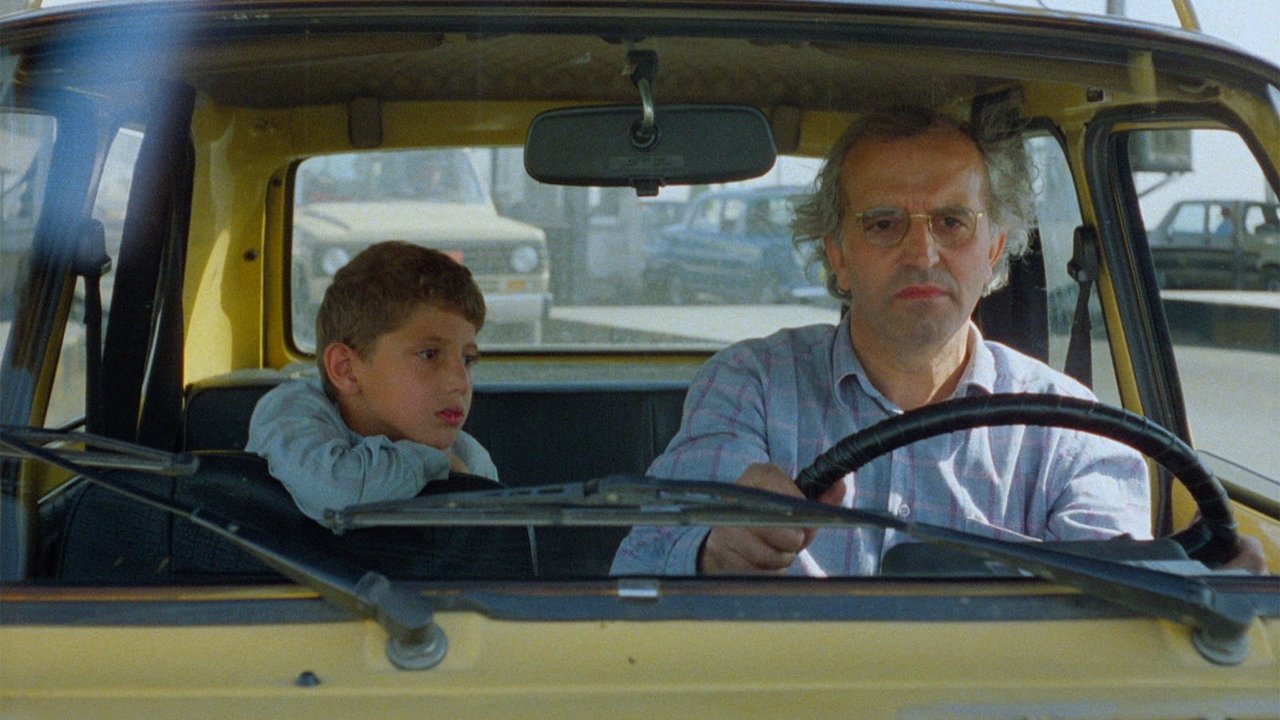
The film emerged from stark reality. In 1990, a devastating earthquake struck northern Iran, the very region where Kiarostami had filmed his beloved Where Is the Friend's Home? (1987). Driven by uncertainty about the fate of the two young boys who starred in that earlier film, Kiarostami returned to the Koker region. Life, and Nothing More… fictionalizes this journey, casting Farhad Kheradmand as a director-figure (a stand-in for Kiarostami himself) driving through the ravaged landscape with his young son, Puya (Puya Payvar), ostensibly searching for the boys. This factual underpinning gives the film an incredible weight; we're not just watching a story, but bearing witness to the aftermath of genuine catastrophe through a compassionate, observational lens.
Navigating the Unspeakable
The journey itself forms the narrative spine. Much of the film unfolds from within the confines of their car, winding through roads often blocked by debris or choked with traffic composed of survivors, aid workers, and the military. Kiarostami, a master of using the vehicle as both a mobile frame and a space for introspection (a technique he'd refine throughout his career), captures the sheer scale of the destruction without dwelling on graphic horror. Instead, the focus is on the encounters along the way. The director and his son speak to villagers, ask for directions, offer rides, and listen to fragments of stories.
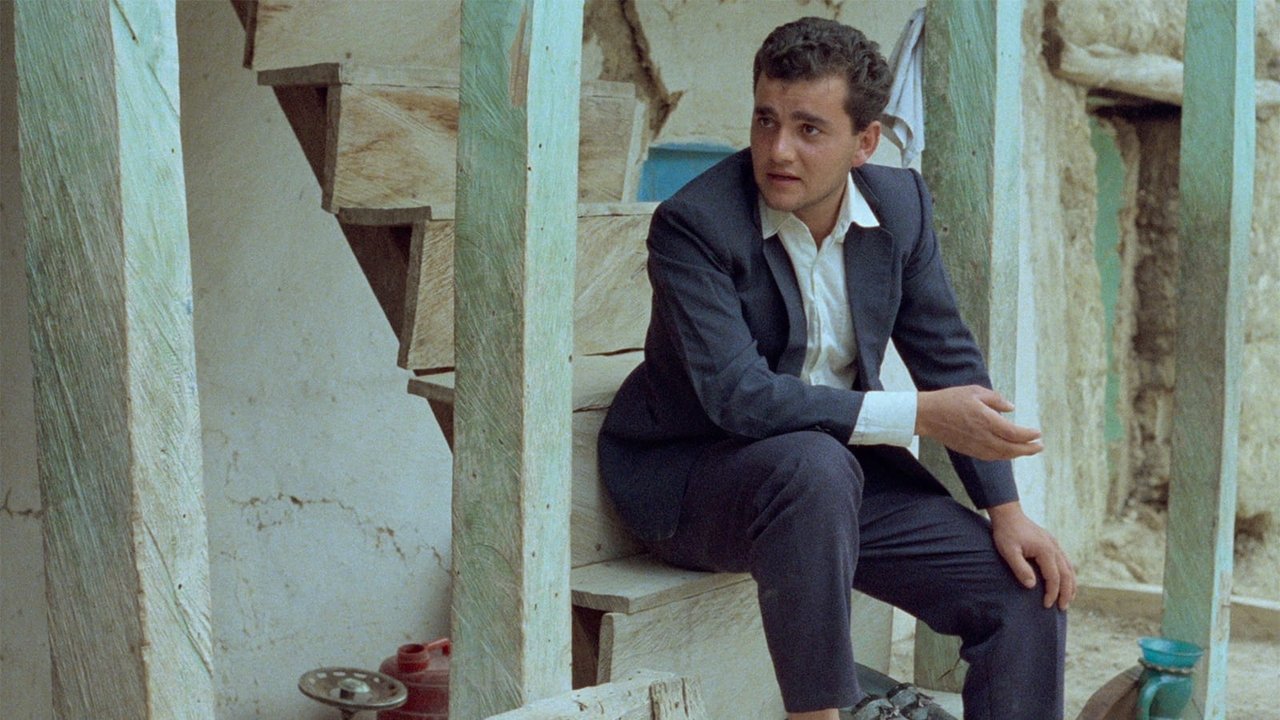
What unfolds is not a traditional plot, but a tapestry of moments revealing the extraordinary tenacity of the human spirit. We see people clearing rubble, setting up makeshift shelters, arguing about football amidst the ruins, even a young couple determined to get married despite losing nearly everything. There’s a profound lack of sentimentality here. Kiarostami observes, allowing these interactions to speak for themselves. Doesn't this refusal to sensationalize tragedy actually make the quiet dignity of the survivors even more powerful?
Life Persists
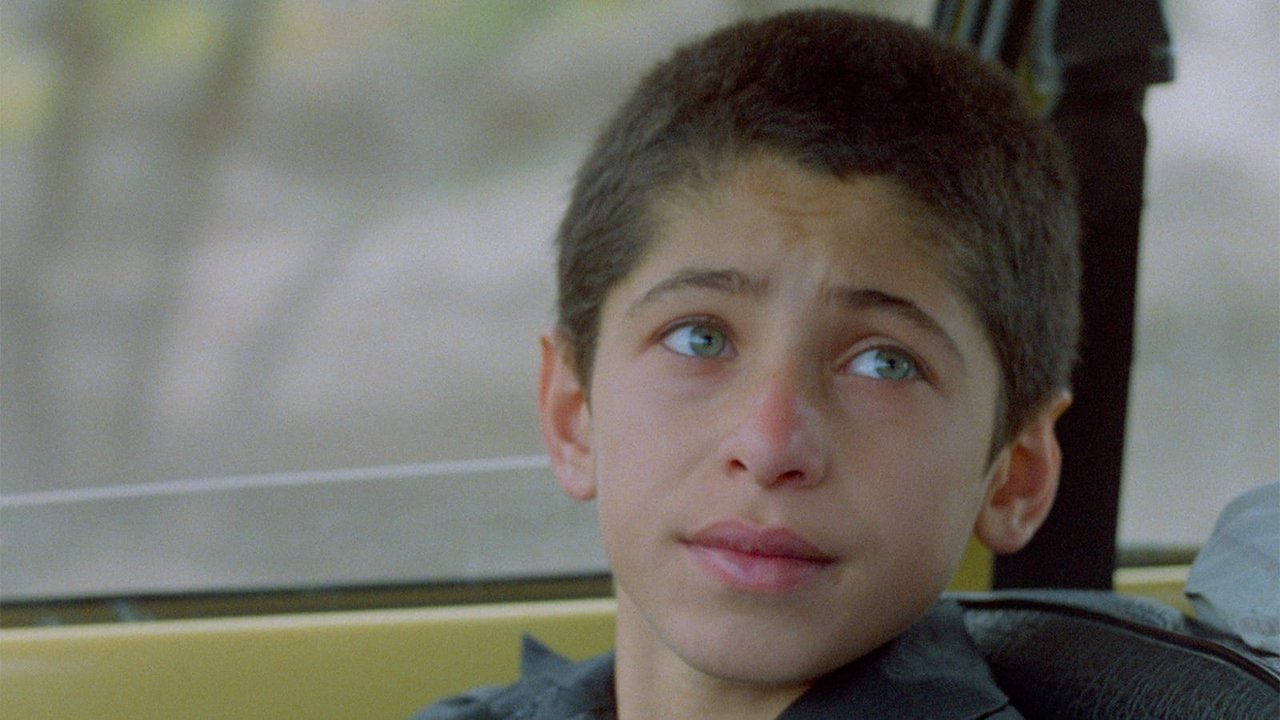
The performances, primarily from non-professional actors including Kheradmand and Payvar, are crucial to the film's authenticity. Kheradmand portrays the director with a weary patience, his questions often met with redirection or the simple, overwhelming reality of the situation. Young Payvar offers moments of childish normalcy – impatience, curiosity about the World Cup – that ground the film and highlight the surreal juxtaposition of ongoing life against utter devastation. Their dynamic feels unforced, a shared experience of witnessing something immense and trying to process it.
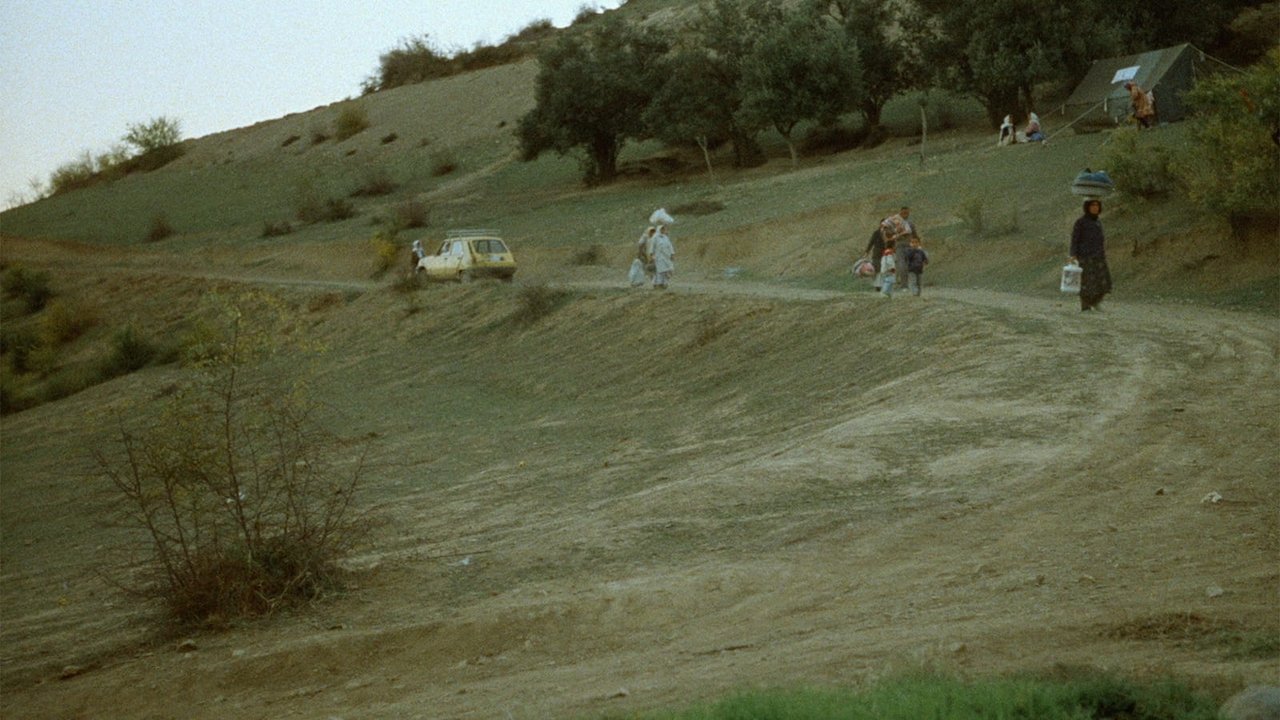
Kiarostami’s filmmaking here is deceptively simple. Long takes allow scenes to breathe, immersing the viewer in the environment and the rhythm of the interactions. The stunning Iranian landscapes, scarred but still majestic, become characters in themselves. It’s a style that demands patience, rewarding the viewer not with plot twists, but with moments of quiet revelation. It's the second part of what's informally known as Kiarostami's Koker Trilogy, followed by Through the Olive Trees (1994), which itself spins off from a scene depicted in this film – a meta-textual layer typical of the director's fascinating work.
A Different Kind of VHS Discovery
Finding Life, and Nothing More… on VHS back in the day felt different. It wasn't about the thrill of practical effects or quotable one-liners. It was the kind of film that lingered long after the tape ejected, prompting reflection rather than immediate discussion of cool moments. In an era before the internet made global cinema instantly accessible, stumbling upon a work like this felt like a significant discovery, a reminder of the vast range of human stories cinema could tell. It offered a window into another world grappling with universal questions – how do we continue when everything seems lost? What truly matters?
This wasn't escapism; it was immersion in a reality both specific and profoundly relatable. The film doesn't offer easy answers. The search for the boys from the previous film remains unresolved, a secondary thread to the larger tapestry of survival and adaptation. The final, unforgettable shot – the director's car struggling, then finally making it up a steep, winding hill – feels like a metaphor for that very persistence.
Rating: 9/10
Life, and Nothing More… is a masterpiece of humanist cinema. Its deliberate pacing and observational style might differ from the usual high-octane VHS fare, but its emotional depth and artistry are undeniable. The rating reflects its profound impact and Kiarostami's masterful direction, capturing resilience with extraordinary grace and authenticity. It earns its place through sheer cinematic power and the weight of its subject, handled with sensitivity rather than spectacle.
It leaves you contemplating not just the aftermath of disaster, but the quiet, persistent hum of life that continues, stubbornly, beautifully, even when the world seems broken. What a thing to find nestled on a video store shelf.