It begins with a tremor, a sudden, violent disruption of the mundane. Not a gunshot, not a conventional blast, but something far more insidious. A body contorts, swells, and then... erupts. Live Wire (1992) doesn't just tease its central MacGuffin; it throws its grotesque potential right in your face from the start, tapping into that primal fear of the invisible threat, the danger lurking within the ordinary. Remember that specific kind of early 90s dread? The kind that felt slick, technologically savvy, yet brutally physical? This film bottled it.
The Spark Before Bond
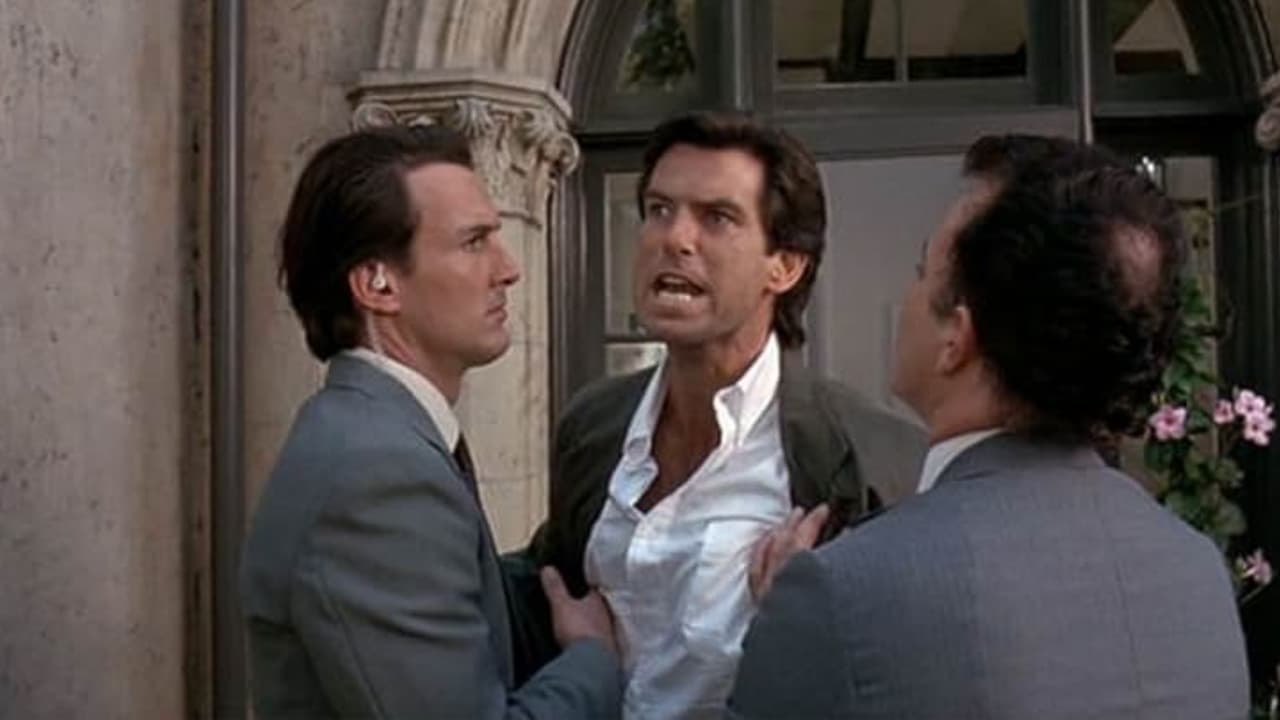
At the centre of the ensuing chaos stands Danny O'Neill, played by a pre-007 Pierce Brosnan, already possessing that blend of charm and weary intensity. O'Neill is an FBI bomb disposal expert haunted by personal tragedy (a requisite for any 90s action hero worth his C4, it seems), navigating a messy divorce and a new case that defies conventional ordnance. Terrorists, led by the chillingly calm Mikhail Rashid (Ben Cross, forever etched in memory from Chariots of Fire), are employing a terrifying new weapon: a colourless, odourless liquid that, once absorbed into the human body, becomes explosively unstable upon contact with stomach acid... triggered by something as simple as drinking water. It's a ludicrously high-concept premise, pure pulp fiction chemistry, yet the film commits to it with unnerving seriousness. Brosnan, eager to shake off his Remington Steele image and prove his action chops after the Bond opportunity initially slipped through his fingers in the late 80s, throws himself into the role. You can see him building the foundation for the suave-yet-capable persona that would eventually land him the iconic role a few years later, even amidst exploding senators and convoluted chemical plots.
That Visceral 90s Shock
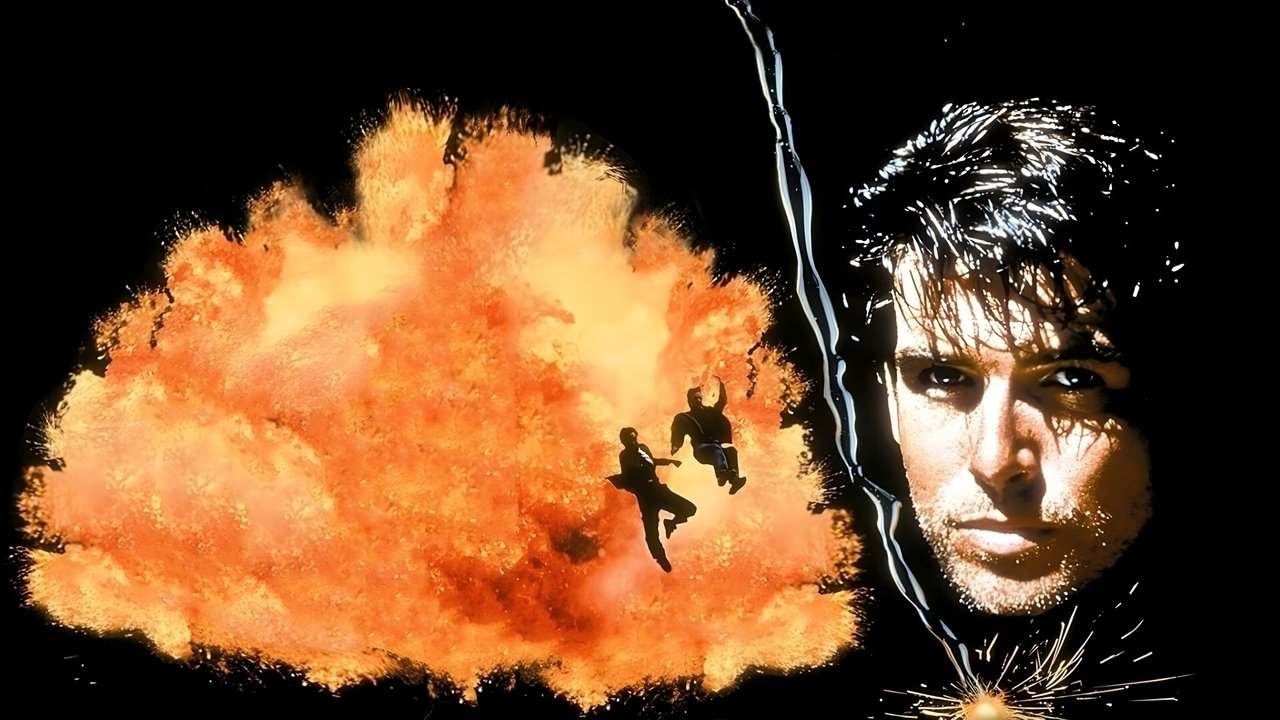
Let's be honest, the reason Live Wire lodged itself in the memory banks of anyone who rented it back in the day wasn't the intricate plotting or the political intrigue. It was the explosions. Human explosions. Director Christian Duguay, who would later helm the similarly slick sci-fi picture Screamers (1995), doesn't shy away from the visceral impact. These aren't quick cuts or implied gore; they are moments designed to make you recoil. The practical effects work, while perhaps showing its seams under modern scrutiny, felt genuinely shocking on a fuzzy CRT screen. There's a tangible, almost wet quality to the effects that CGI rarely captures. Reportedly, achieving these unsettling moments involved complex squib arrangements and prosthetic work designed to simulate the horrifying internal detonation. Doesn't that specific brand of practical body horror still feel uniquely disturbing compared to today's digital viscera? It wasn't just gore; it was the idea of it, the vulnerability it exposed.
More Than Just a Fuse
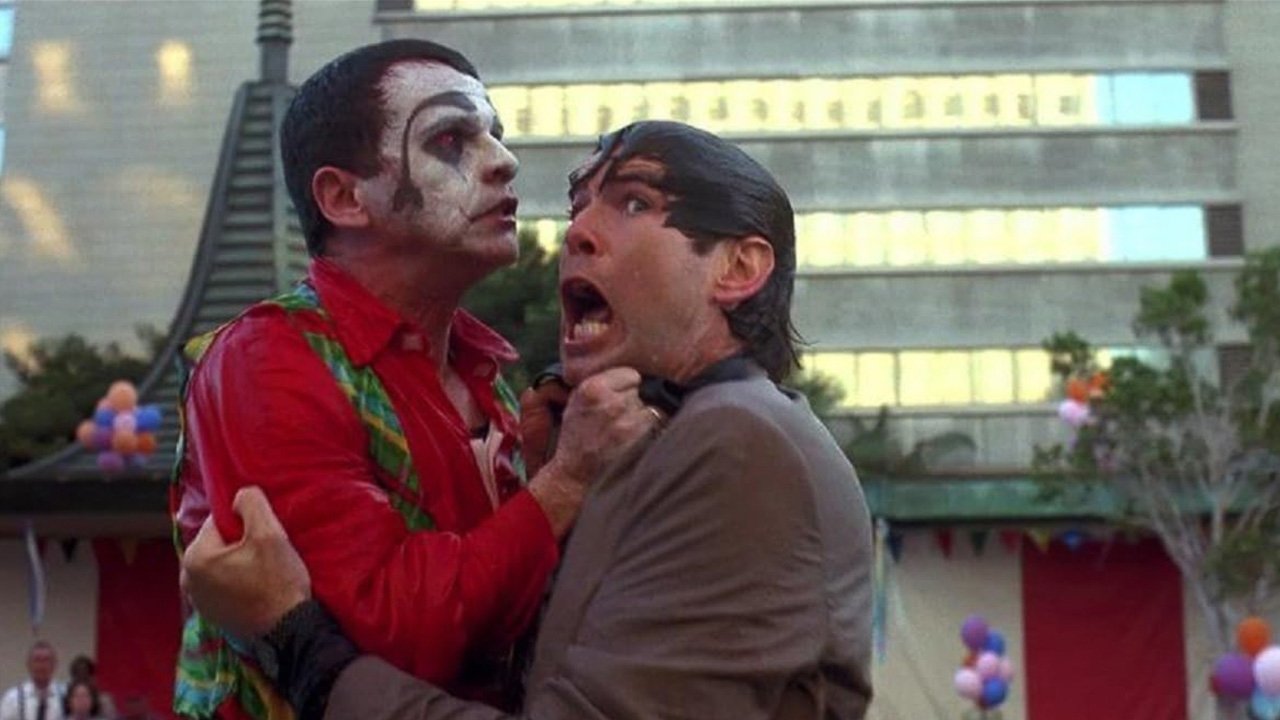
While the exploding bodies are the main event, the film wraps them in a standard, yet competently executed, early 90s thriller package. Ron Silver, always a reliable screen presence (Blue Steel), plays Senator Frank Traveres, a smarmy politician who becomes entangled in the plot, adding another layer of complexity (and potential targets). The Washington D.C. locations lend an air of authenticity, grounding the fantastical elements slightly. Duguay keeps the pace brisk, deploying car chases, shootouts, and tense standoffs with a certain visual flair typical of the era's action output. There’s a sheen to the cinematography, favouring cool blues and metallic greys, enhancing the film's technological-threat atmosphere. It’s clear the production, while not a mega-budget blockbuster (grossing a modest $6.7 million domestically), aimed for a polished look. You can almost smell the ozone and stale popcorn emanating from the screen, that distinct aroma of a Friday night rental discovery.

Retro Fun Facts
- The "invisible liquid explosive" concept, while fictional, tapped into post-Cold War anxieties about unconventional weaponry and hidden threats.
- Pierce Brosnan reportedly found the film's required sex scene awkward, a far cry from the suave confidence he'd later embody as James Bond. It’s a small detail, but it highlights the steps an actor takes building towards an iconic role.
- The film faced some challenges depicting its core gimmick convincingly on a practical level, requiring inventive (and likely messy) solutions from the special effects team led by Art Brewer (who also worked on effects for Total Recall).
Flicker and Fade?
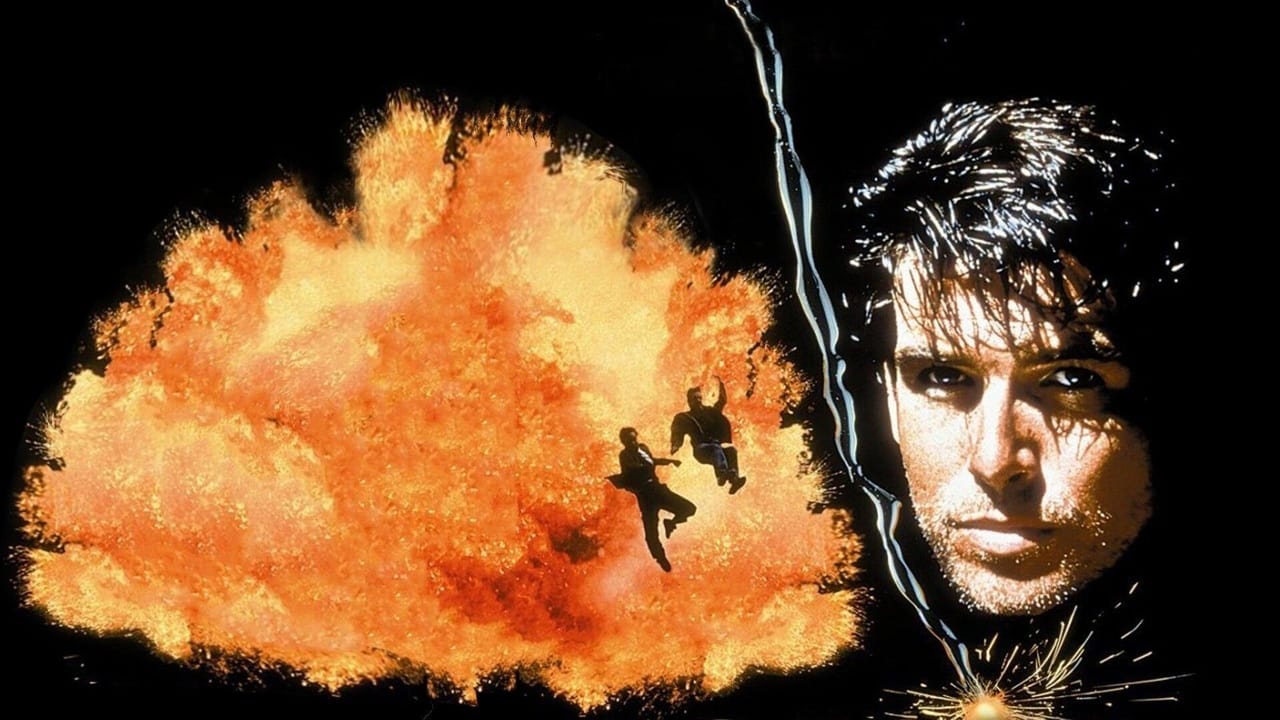
Live Wire isn't a lost masterpiece, nor is it the pinnacle of 90s action. The plot mechanics creak under scrutiny, and the central scientific premise is gloriously absurd. Yet, there's an undeniable energy to it, a commitment to its high-concept hook that remains weirdly compelling. It represents a specific flavour of action filmmaking – slick, slightly sleazy, undeniably violent, and built around a gimmick designed for maximum water-cooler (or video store counter) buzz. It’s a quintessential product of its time, a film Brosnan needed to make on his path to superstardom, and a perfect example of the kind of bizarrely memorable thriller that populated the "Action/Adventure" shelves. I distinctly remember the provocative VHS cover art catching my eye, promising something dangerous and different. Did it deliver? In its own specific, explosive way, yes.
Rating: 6/10
Justification: Live Wire earns points for its audacious central concept, Pierce Brosnan's committed pre-Bond performance, and its memorably visceral practical effects that truly defined its impact in the VHS era. The direction is competent, capturing that specific 90s action aesthetic. However, it loses points for a sometimes ludicrous plot, standard thriller tropes, and characters that don't always rise above serviceable archetypes. It's entertaining B-movie fare elevated by its star and its explosive gimmick.
Final Thought: While the science is laughable and the plot occasionally predictable, Live Wire remains a fascinating snapshot of early 90s action anxieties, delivering a uniquely visceral punch that’s hard to forget, even if you probably shouldn't think too hard about how those people kept exploding.