Okay, pull up a beanbag chair, maybe crack open a Crystal Pepsi if you can find one – let's talk about a film that practically dripped off the video store shelves in 1992, leaving a sticky, unsettling residue: Poison Ivy. There's a certain heat that radiates from this one, a humid, sun-drenched Los Angeles danger that felt both alluring and deeply uncomfortable, even through the flickering static of a well-worn VHS tape. It wasn't just another teen drama; it tapped into something darker, a raw nerve of adolescent angst, burgeoning sexuality, and the insidious ways loneliness can curdle into obsession.

An Unlikely Bloom in a Concrete Garden
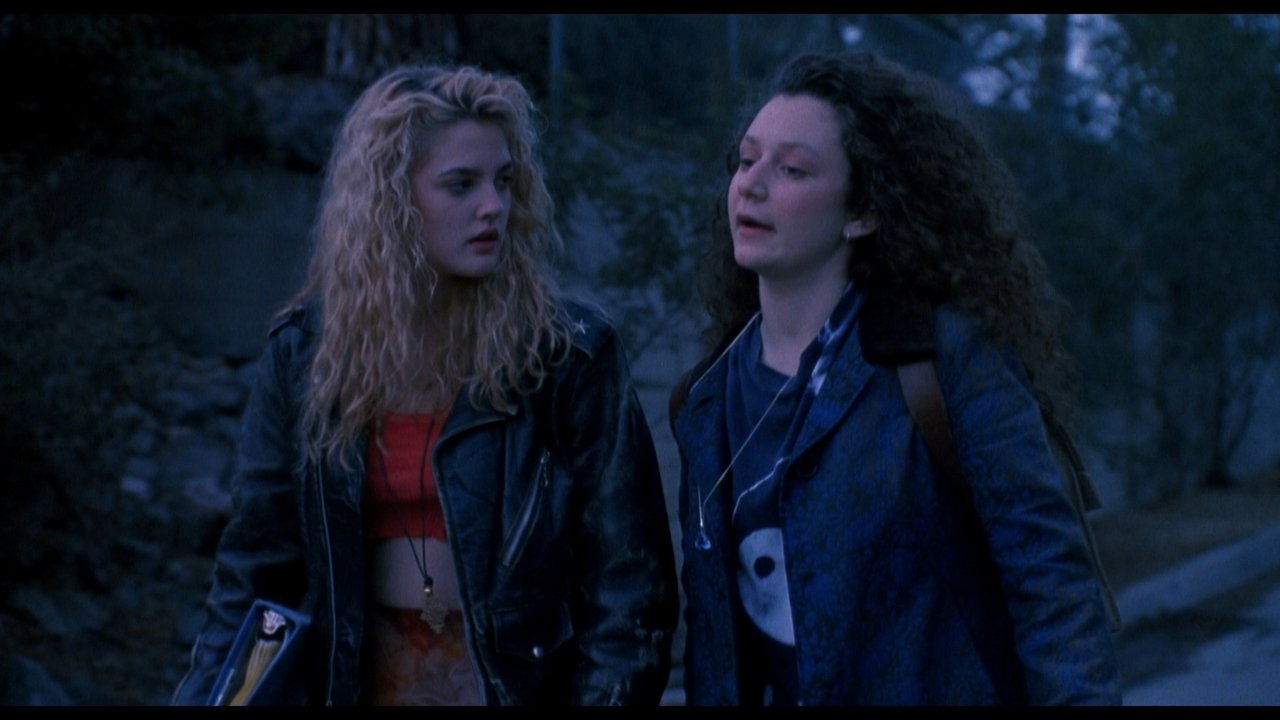
The film introduces us to Sylvie Cooper (Sara Gilbert, bringing that signature Darlene Conner vulnerability but dialing up the isolation), a wealthy but profoundly lonely teenager adrift in the sterile landscape of her affluent LA life. Enter Ivy (Drew Barrymore), a force of nature seemingly conjured from dust motes dancing in the California sun. She's charismatic, uninhibited, and possesses an almost feral understanding of human weakness. Their connection is instant, intense, almost parasitic. Gilbert masterfully portrays Sylvie’s desperate yearning for connection, making her an easy mark for Ivy's manipulations. You see the caution flags waving frantically in Sylvie’s eyes, even as she’s drawn deeper into Ivy's orbit.
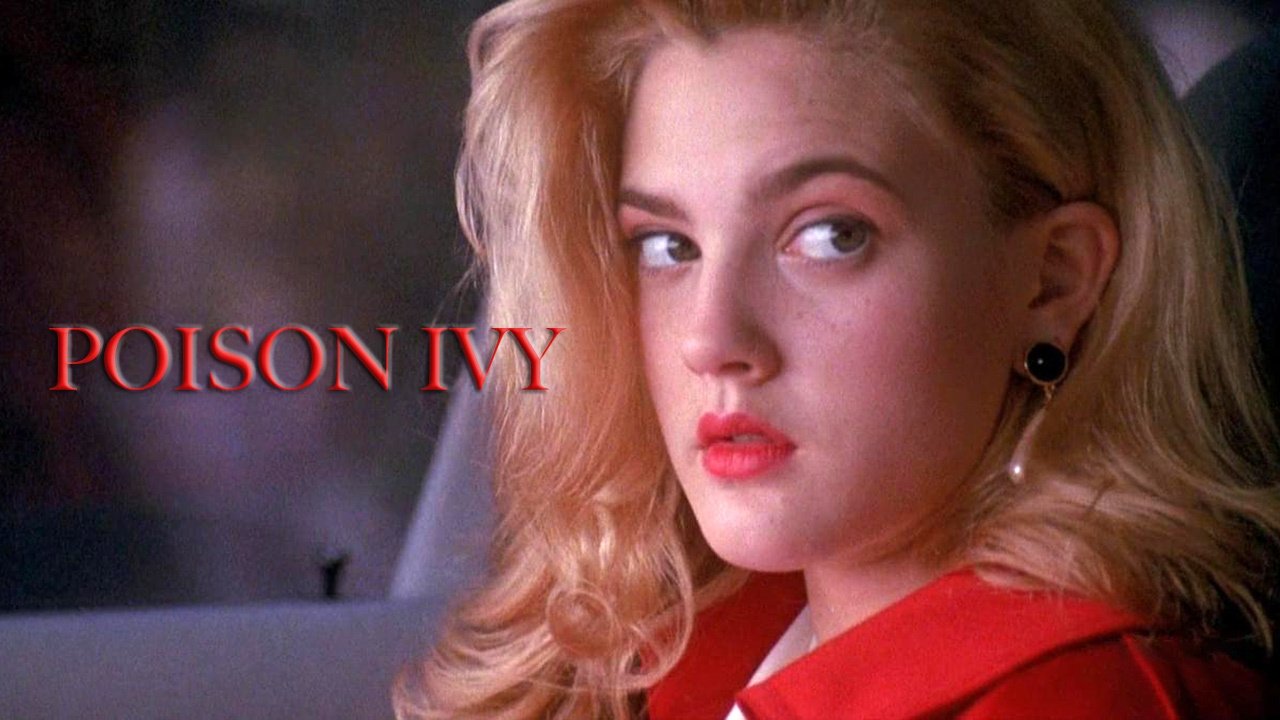
What makes Poison Ivy more than just a cautionary tale is Drew Barrymore's absolutely magnetic performance. Fresh off shaking the lingering pixie dust of her E.T. the Extra-Terrestrial childhood fame, Barrymore leaned hard into this role. It was a calculated risk, a deliberate shedding of innocence, and it paid off spectacularly. She imbues Ivy with a complex mix of overt sexuality, cunning intelligence, and a flicker of genuine, perhaps damaged, humanity beneath the surface. Is Ivy simply a sociopath, or is she a product of her own unseen traumas, mirroring the dysfunction she finds in the Cooper household? Barrymore keeps you guessing, making Ivy simultaneously terrifying and strangely compelling. It's a performance that announced her arrival as a serious adult actress capable of navigating incredibly tricky material.
A Female Gaze on Dangerous Ground
Directed by Katt Shea, who co-wrote the script with Andy Ruben, Poison Ivy arrived during the peak of the early 90s erotic thriller boom, a genre often dominated by male perspectives. Think Basic Instinct, released the same year. Shea, however, brings a distinctly female sensibility to the proceedings. While undeniably steamy and provocative, the film often feels more focused on the psychological dynamics, particularly the complex, charged relationship between Sylvie and Ivy, than on pure titillation. Shea uses the sun-bleached LA setting to create a sense of simmering tension, where the bright exteriors mask the decaying interiors of the Cooper family – particularly the fragile, ailing mother (played with heartbreaking fragility by Cheryl Ladd) and the susceptible father (Tom Skerritt).
Skerritt, an actor often associated with more authoritative or wholesome roles like Viper in Top Gun (1986) or Sheriff Brock in TV's Picket Fences, is fascinating here. He portrays Darryl Cooper not as a lecherous predator, but as a man starved for attention and validation, making his eventual succumbing to Ivy’s advances feel tragically plausible, if deeply unsettling. His weakness becomes the crack through which Ivy fully infiltrates and destabilizes the family unit.


Behind the Twisted Vine: Retro Fun Facts
Poison Ivy wasn't a blockbuster by any means, made on a relatively tight budget of around $3 million. However, it found its true home, like so many genre gems of the era, in the video rental market. It became a certified VHS sensation, its provocative cover art practically leaping off the shelves. Its theatrical gross was modest (around $1.8 million domestically), but worldwide earnings and video rentals eventually pushed it well past $25 million – a significant return on investment and proof that provocative, lower-budget thrillers could find a massive audience at home. Adjusted for inflation, that $25 million is like earning over $55 million today, a testament to its quiet success.
The film's sultry content inevitably led to discussions with the MPAA. While released theatrically with an R-rating, an "unrated" version soon surfaced on VHS and later DVD, featuring slightly more explicit scenes – a common practice in the 90s to entice renters looking for that extra edge. This definitely added to its forbidden fruit appeal for teens browsing the aisles back in the day.
Katt Shea has spoken about wanting to explore themes of class resentment and the dark side of female friendship, elements often given short shrift in mainstream thrillers. The Cooper house itself, reportedly a location in Pasadena, becomes a character – its seeming perfection slowly revealing neglect and hidden decay, mirroring the family's internal state. While not a direct influence, one can't help but feel echoes of films exploring toxic bonds and social climbing, albeit with a distinctly 90s, sexually charged twist.
Lingering Questions Under the California Sun
Does Poison Ivy hold up perfectly? Perhaps not entirely. The plot occasionally veers into melodrama, and some character motivations can feel a bit thin under scrutiny. Yet, its power remains undeniable. It captures a specific early 90s mood – a blend of cynicism, burgeoning sexual awareness, and a fascination with the darkness lurking beneath polished surfaces. The central performances, particularly Barrymore's iconic turn, remain potent. It asks uncomfortable questions about desire, manipulation, and the desperate lengths people will go to for connection, or control. What is the true nature of Ivy's motivation? Is it pure malice, envy, or a twisted form of survival? The film leaves these questions lingering, like the cloying scent of night-blooming jasmine.
Rating: 7/10
Poison Ivy earns a solid 7. While flawed and occasionally heavy-handed, its strengths – Drew Barrymore's star-making performance, Katt Shea's atmospheric direction offering a female perspective on the erotic thriller, and its unflinching look at toxic relationships – make it a standout cult classic of the VHS era. It captures a specific time and mood with unsettling effectiveness, delivering a provocative and memorable viewing experience that still resonates with a dangerous allure.
It’s a film that reminds you that sometimes the most dangerous threats don’t announce themselves with thunder and lightning, but arrive bathed in sunlight, with an irresistible smile. Definitely worth digging out of the VHS archives, if you dare.