Some films just stick with you, long after the VCR has clicked off and the tape's been rewound. They leave a residue, a feeling you can't quite shake. Larry Clark’s 1998 crime drama Another Day in Paradise is exactly that kind of film. It doesn't offer easy comforts or glamorous anti-heroes; instead, it plunges you headfirst into the grimy, desperate reality of life on the margins, leaving you feeling a bit frayed around the edges, maybe even questioning the allure of the outlaw lifestyle that cinema so often romanticizes.

A Different Kind of Family Road Trip
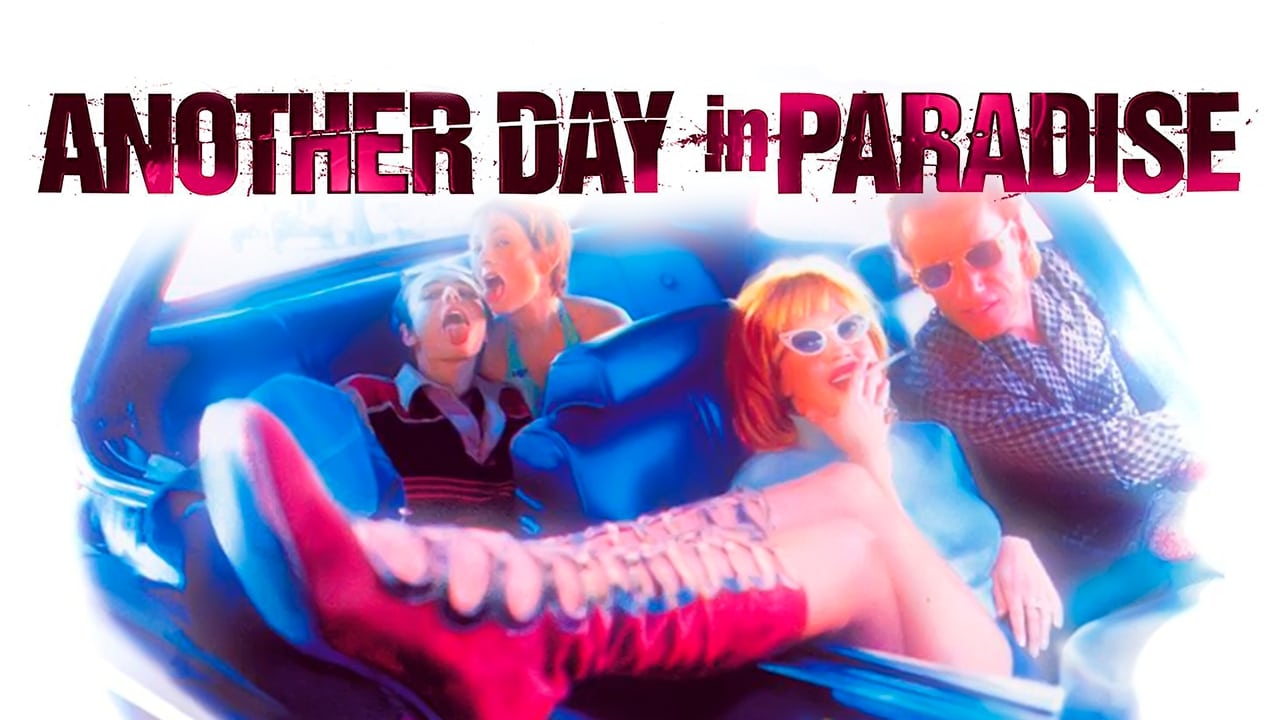
Based on the autobiographical novel by former addict and convict Eddie Little – a detail that lends the narrative an undeniable, unsettling authenticity – the story follows Bobbie (Vincent Kartheiser), a small-time teenage junkie and thief. After a botched robbery leaves him injured, he finds unlikely saviors in Mel (James Woods) and his girlfriend Sid (Melanie Griffith), a pair of older, more experienced criminals living a nomadic existence funded by scams and drug deals. Joined by Bobbie’s naive girlfriend Rosie (Natasha Gregson Wagner, daughter of Natalie Wood), they form a dysfunctional surrogate family, embarking on a "big score" road trip through the Midwest that feels less like a thrilling adventure and more like a slow slide towards inevitable disaster. There's a certain grim predictability to their path, but it’s the journey itself, the texture of their lives, that captivates.
Performances That Bite
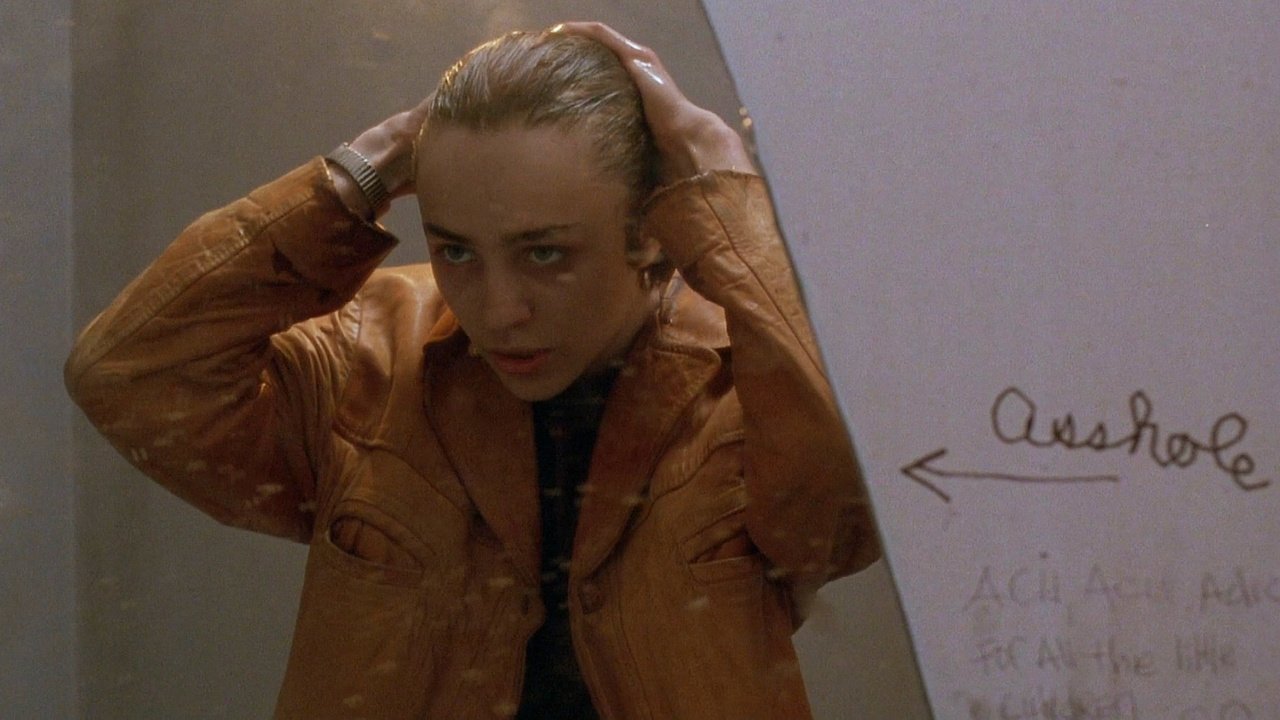
What truly elevates Another Day in Paradise beyond a standard crime flick are the performances, particularly from the veteran leads. James Woods, an actor always capable of radiating dangerous intelligence, is utterly magnetic as Mel. He’s not just a hardened criminal; he's a manipulator, a charmer when he needs to be, fiercely protective in his own twisted way, yet prone to terrifying bursts of violence. Woods doesn't play Mel as a caricature; there's a weariness beneath the bravado, a lifetime of bad choices etched onto his face. He makes Mel believable, which is perhaps the most frightening thing about him. Watching him school Bobbie in the ways of the grift feels disturbingly paternal, a corrupted mentorship that chills you to the bone. Remember his intense energy in films like Videodrome or Salvador? He channels that here, but grounds it in a grubby realism.
Equally compelling is Melanie Griffith as Sid. Often relegated to lighter roles or characters defined by their vulnerability, Griffith taps into something raw and desperate here. Sid is Mel’s partner in crime and in life, weathered by addiction and fiercely loyal, but carrying her own deep scars. There's a scene involving a painful detox that Griffith plays with harrowing conviction – it’s stripped of all vanity, showcasing a vulnerability that’s tough, not fragile. It’s a reminder of her formidable talent, seen previously in works like Working Girl but rarely explored with such grit. Apparently, both Woods and Griffith were drawn to the challenging material and Clark's unflinching style, eager to sink their teeth into something substantial, and it shows.
The younger pair, Vincent Kartheiser (years before his memorable turn as Pete Campbell in Mad Men) and Natasha Gregson Wagner, hold their own admirably. Kartheiser captures Bobbie’s mix of youthful recklessness and desperate need for belonging, while Wagner embodies Rosie’s vulnerability and gradual disillusionment. Their relationship provides a counterpoint to Mel and Sid's cynical dynamic, highlighting the potential paths not taken, though the film offers little hope that they'll escape the cycle. It's worth noting that the role of Bobbie was reportedly offered to Leonardo DiCaprio, hot off Titanic, who turned it down. Kartheiser makes the role his own, bringing a less polished, perhaps more fittingly rough-edged quality to the character.

Clark's Uncompromising Vision
Coming off the back of his controversial but undeniably impactful debut Kids (1995), director Larry Clark brings his signature cinéma vérité-adjacent style to Paradise. The film feels unvarnished, immediate. Clark, originally a photographer known for documenting marginalized youth, doesn't shy away from the ugliness – the casual violence, the bleak motel rooms, the physical toll of addiction. There's no slick Hollywood gloss here. The locations feel lived-in and worn-out, mirroring the characters' lives. This wasn't a big-budget affair (estimated around $4.5 million), and that constraint likely contributed to its raw aesthetic. Clark isn't interested in judging these characters, merely observing them in their self-made purgatory. The 'paradise' of the title becomes a haunting piece of irony; their existence is anything but.
The Weight of Authenticity
The film’s power stems significantly from its source material. Eddie Little, who tragically passed away not long after the film's release, lived the life he wrote about. This authenticity permeates the dialogue, the situations, the pervasive sense of dread. It avoids many crime genre clichés, focusing instead on the mundane desperation and the toxic bonds that form in these environments. It asks uncomfortable questions: What draws people to this life? Is escape ever truly possible? Can loyalty exist amongst thieves, and what does that loyalty even look like?
The film does have its critics; some found its bleakness relentless, its characters difficult to root for. Clark’s unblinking gaze can feel voyeuristic at times. But for me, its refusal to offer easy answers or romanticize the criminal underworld is precisely its strength. It’s a film that sits heavy, forcing a kind of empathy born not of affection, but of witnessing raw, flawed humanity navigating a dead-end street.
VHS Heaven Rating & Final Thoughts
Another Day in Paradise isn't a feel-good movie you pop in for light entertainment. It’s a demanding, sometimes punishing watch, anchored by powerhouse performances and Larry Clark's uncompromising direction. It captures a specific strain of late-90s indie filmmaking that wasn't afraid to get its hands dirty. The authenticity derived from Eddie Little's novel gives it a weight that lingers. For its raw power, unforgettable lead performances, and unflinching portrayal of a life rarely depicted with such honesty, it earns its place on the shelf.
Rating: 8/10
It’s a potent reminder that sometimes the most compelling stories aren't about heroes, but about survivors clinging desperately to their own broken version of paradise, even as it crumbles around them. Doesn't that unflinching honesty feel rare these days?