It hits you like a blast of furnace heat and cheap tequila – the raw, frantic energy of Oliver Stone's Salvador. Released in 1986, just before Stone cemented his place in the Hollywood firmament with Platoon, this film feels less like a polished studio picture and more like a desperate dispatch smuggled out of a war zone. Watching it again now, that same breathless, almost unhinged quality remains potent, a stark reminder of a kind of filmmaking – and a kind of world event coverage – that feels increasingly rare. It wasn't the standard fare you'd grab off the New Releases shelf at Blockbuster; this one felt dangerous.
Gonzo Comes to Life
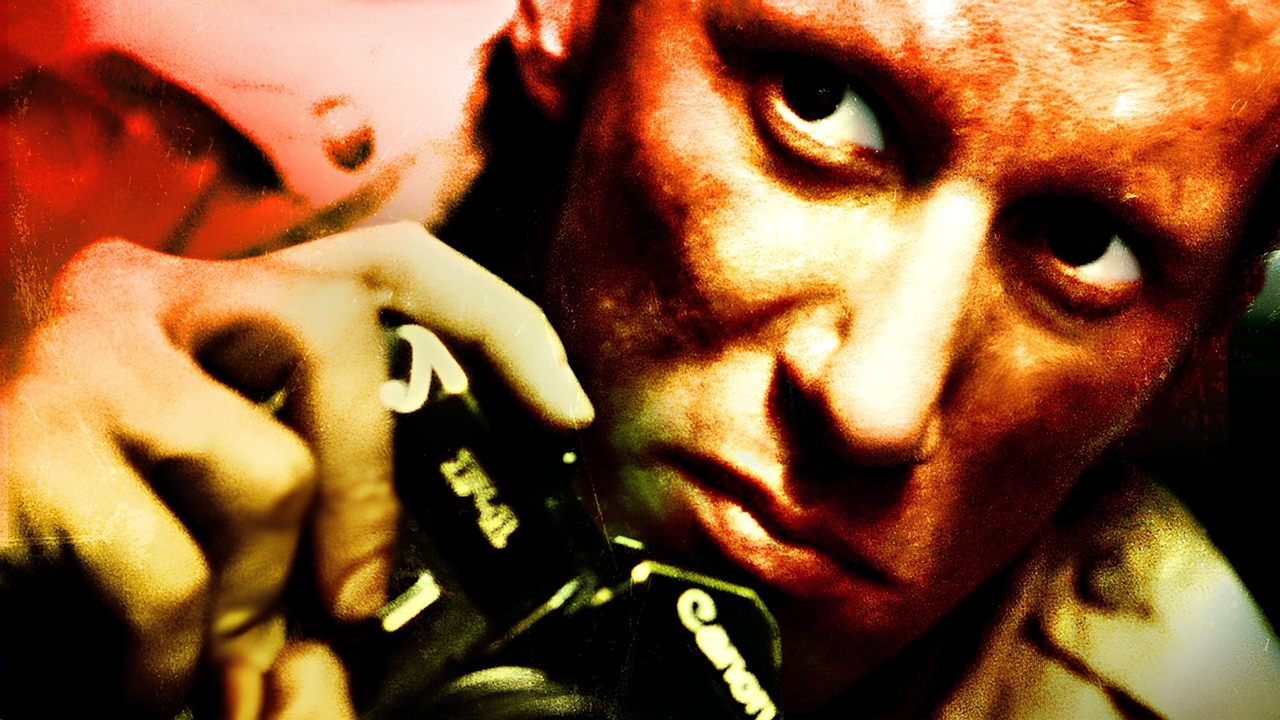
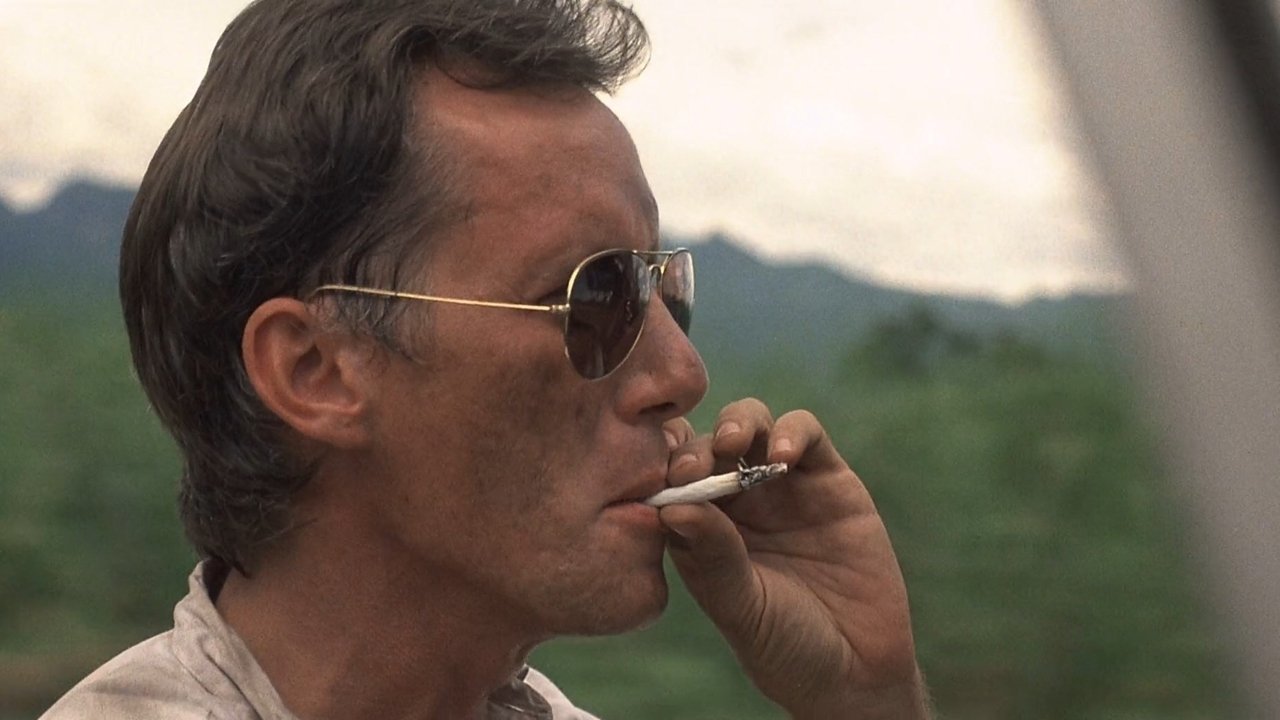
At its heart, Salvador is the semi-autobiographical story of Richard Boyle, a washed-up, down-on-his-luck photojournalist played with searing, repulsive magnetism by James Woods. Boyle is a hustler, a user, perpetually seeking his next score, whether it's cash, booze, or a fleeting human connection he can exploit. When his freelance career in the US hits rock bottom, he drags his equally aimless buddy Doctor Rock (Jim Belushi, surprisingly effective in a more grounded role) down to El Salvador in 1980, chasing rumors of conflict and the potential for career-making photos. What they find is a country descending into the bloody chaos of civil war, a situation far more complex and horrifying than Boyle initially comprehends.
Stone, co-writing with the real Richard Boyle, adopts a style that mirrors his protagonist's jittery, often reckless energy. The camera rarely sits still, plunging us into crowded streets, tense military checkpoints, and sudden bursts of shocking violence. There's a documentary-like immediacy here, a sense of being right there in the thick of it, smelling the cordite and the fear. This wasn't your typical Hollywood depiction of conflict; it felt jagged, messy, and terrifyingly real. You get the sense Stone, already known for his intense script for Midnight Express (1978), was pouring every ounce of his righteous fury and political conviction into the frame.
That Man Boyle
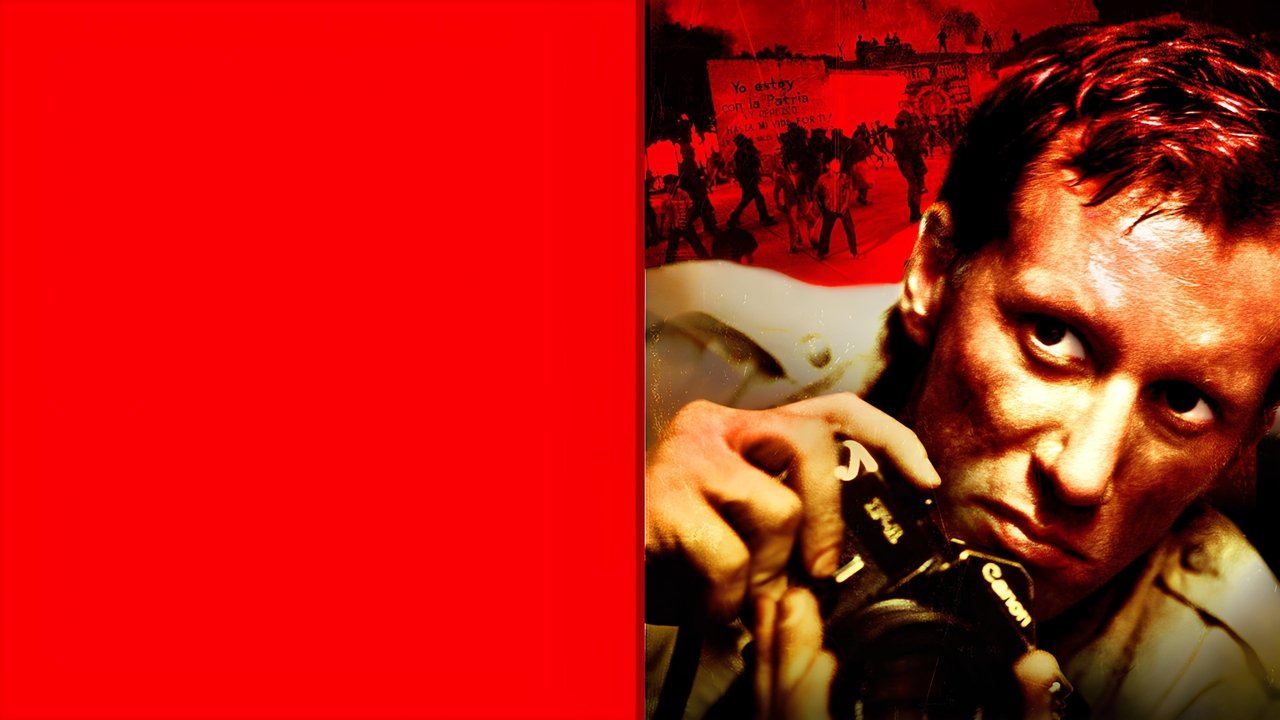
Let's be clear: Richard Boyle, as portrayed by Woods, is not a hero. He's often cowardly, deeply selfish, and morally ambiguous at best. Yet, Woods' performance is nothing short of phenomenal. It's a portrayal utterly devoid of vanity, capturing the character's desperation, his moments of surprising (if fleeting) conscience, and the cynical armour he wears to navigate the horrors he witnesses. Woods doesn't ask us to like Boyle, but he demands we watch him, understand his frantic survival instinct, and perhaps see, buried deep beneath the grime, a flicker of the idealistic journalist he once might have been. It earned Woods a much-deserved Best Actor Oscar nomination, a remarkable feat considering the film's controversial subject matter and independent roots. It’s hard to imagine anyone else inhabiting this sweaty, manic role with such unnerving conviction. Even Jim Belushi dials back his usual comedic persona to provide a necessary anchor of bewildered decency against Woods’ whirlwind.
From Hustle to Horror
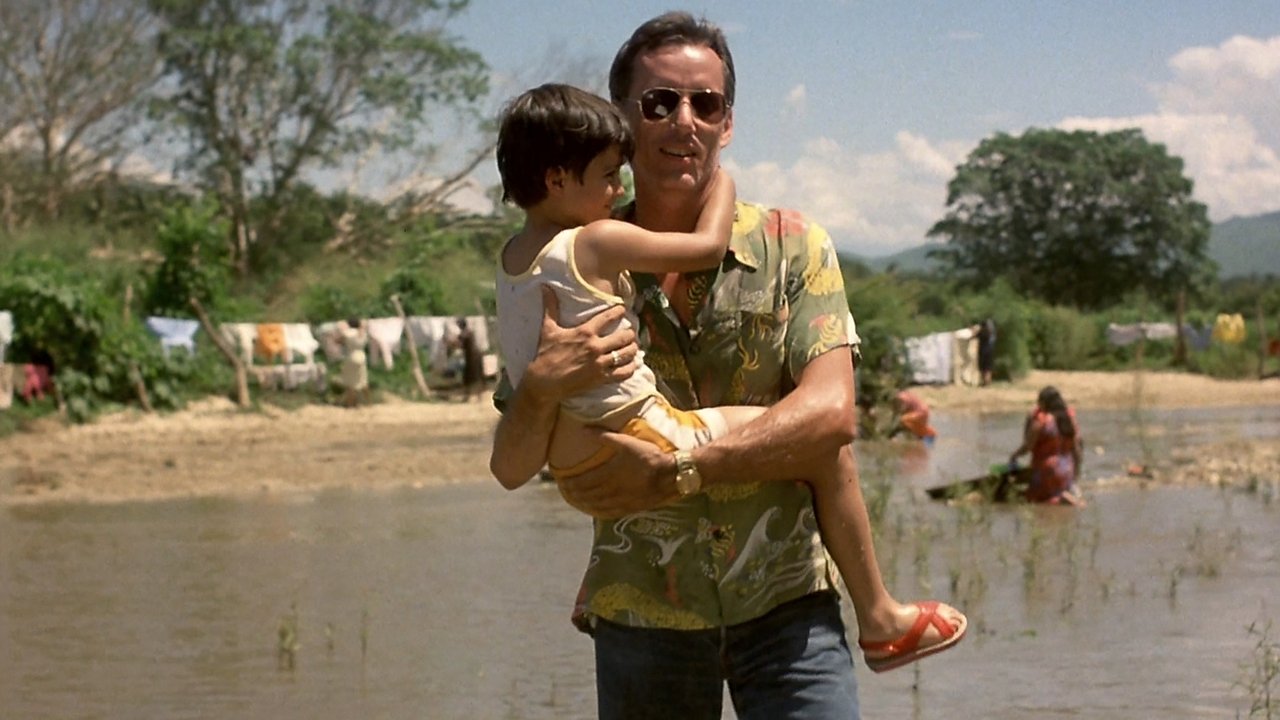
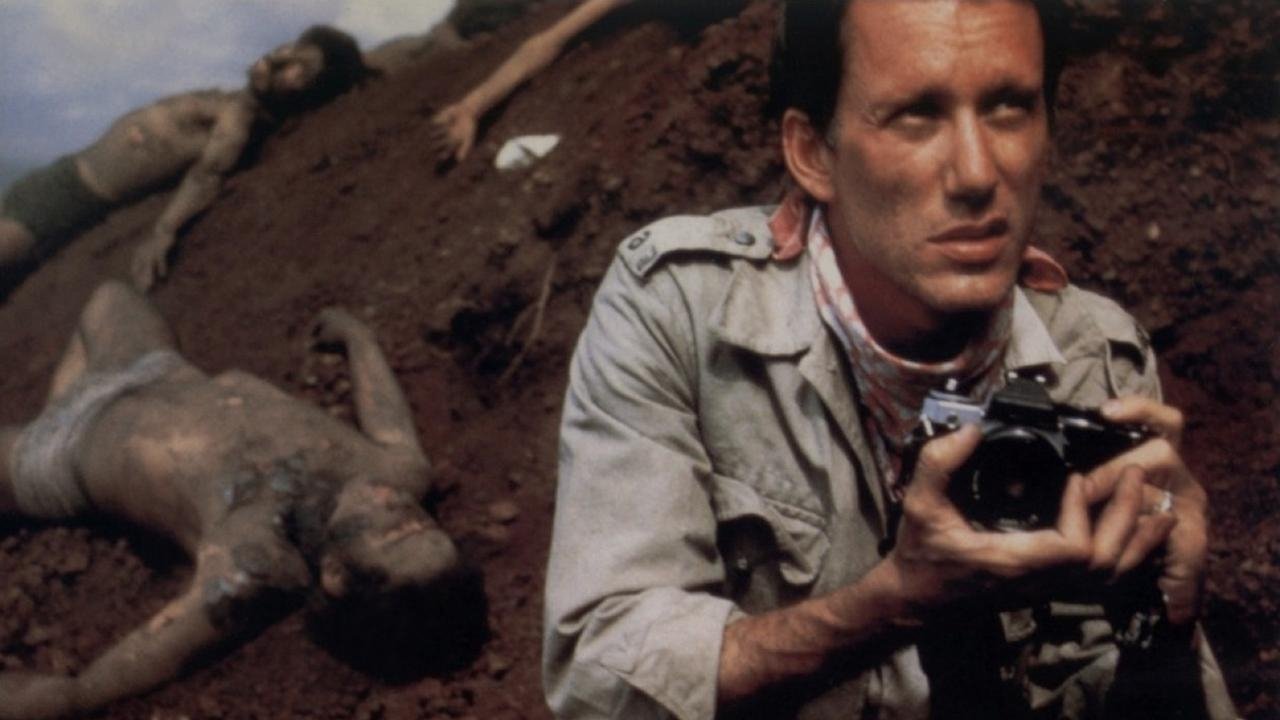
The film doesn't shy away from the brutal realities of the Salvadoran Civil War or the US government's murky involvement. We see the stark contrast between the privileged lives of officials and the suffering of ordinary people caught in the crossfire. Scenes depicting the assassination of Archbishop Romero or the discovery of bodies at the infamous El Playon dumping ground are handled with a directness that remains chilling. It's here that the film's independent spirit becomes most apparent. Stone and Boyle reportedly shopped the script everywhere, facing rejection from studios wary of its politics and bleak outlook. It was eventually financed independently for a lean $4.5 million (roughly $12 million today) – a shoestring budget that makes the film's scope and visceral impact all the more impressive. Shooting primarily in Mexico, standing in for El Salvador due to safety concerns, the production itself faced numerous challenges, mirroring the chaos depicted on screen. The fact that the real Boyle was often on set, allegedly adding both authenticity and friction, only adds another layer to the film's intense backstory.
A Jolt from the Past
Pulling that Salvador tape off the shelf back in the day felt different. It wasn't escapism; it was an immersion, a confrontation. It lacked the polish of bigger studio films, but it possessed a truthfulness, however subjective and filtered through Boyle's unreliable perspective, that resonated. It forced questions about media responsibility, American foreign policy, and the human cost of ideological conflict. Does Boyle’s desperate pursuit of the ‘story’ ultimately justify his methods? Can true objectivity exist when faced with such stark brutality? The film doesn't offer easy answers, leaving those uncomfortable questions hanging in the air long after the VCR whirred to a stop.
Its success, particularly the Oscar nominations for Woods and the screenplay, felt like a validation for Stone and a sign that audiences were receptive to challenging, politically charged cinema, paving the way for Platoon later the same year. It remains a vital piece of 80s filmmaking – raw, flawed, perhaps occasionally heavy-handed in its messaging, but undeniably powerful.
Rating: 8/10
Salvador earns its high marks for its sheer audacity, Stone’s visceral direction, and James Woods' unforgettable, career-defining performance. While its protagonist is deeply flawed and the narrative occasionally mirrors his chaotic nature, the film’s unflinching portrayal of conflict and its underlying political fury make it a compelling and necessary watch. It’s a film that grabs you by the throat and refuses to let go, leaving you breathless and perhaps a little bruised.
It stands as a potent reminder from the VHS era that sometimes the most vital stories are the ones that are hardest to tell, and hardest to watch. What lingers most isn't just the violence, but the desperate, flawed humanity struggling to survive within it.