It arrived not merely as a movie, but as an event. In late 1991, Oliver Stone’s JFK wasn't just something you rented; it felt like something you had to confront. I remember the buzz, the controversy already swirling before the hefty double-VHS cassette even landed on rental shelves. This wasn't your typical historical drama; it was a cinematic Molotov cocktail lobbed directly into the heart of American certainty, a three-hour-plus vortex of paranoia, fragmented evidence, and righteous fury that left you reeling, questioning everything you thought you knew about November 22, 1963.
An Avalanche of Information, A Torrent of Style
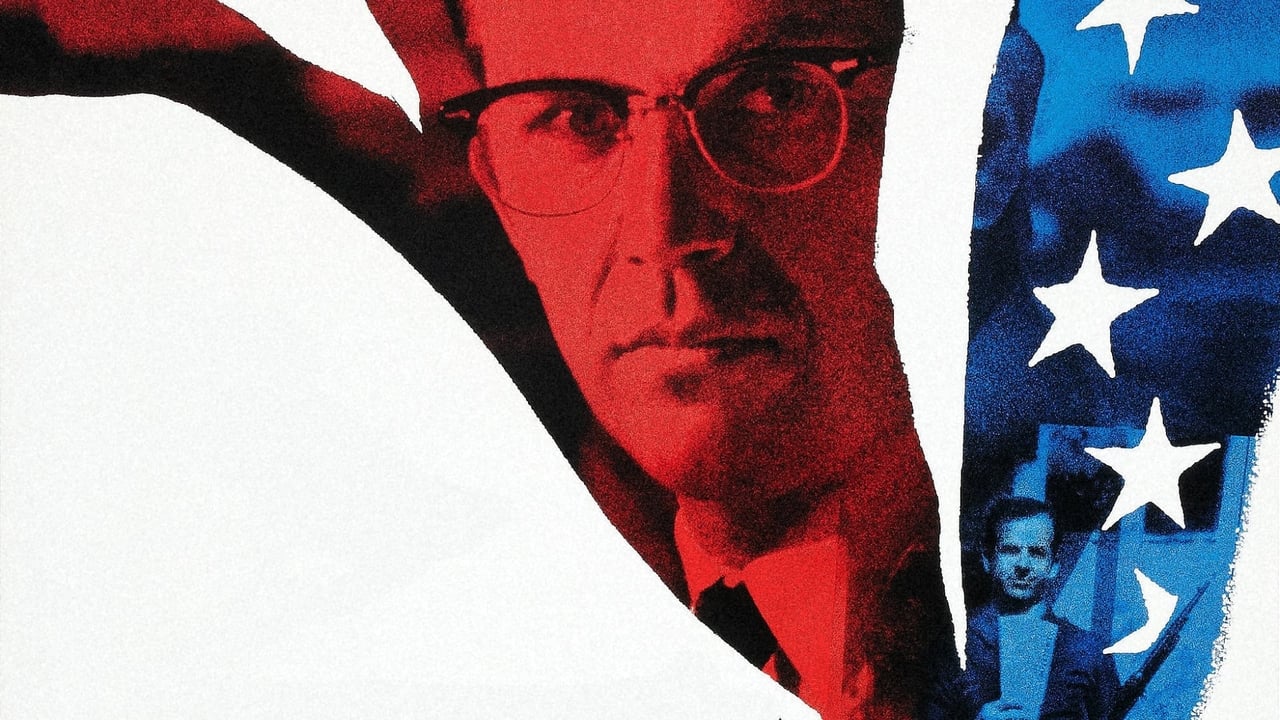
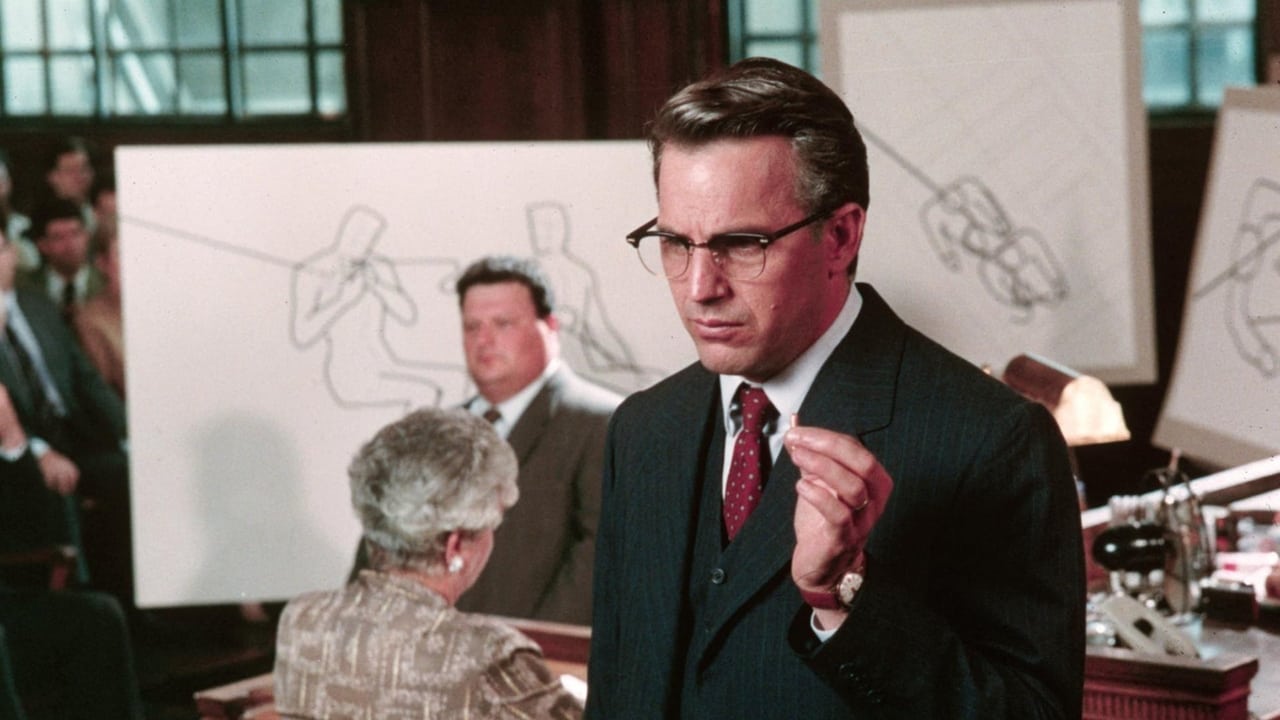
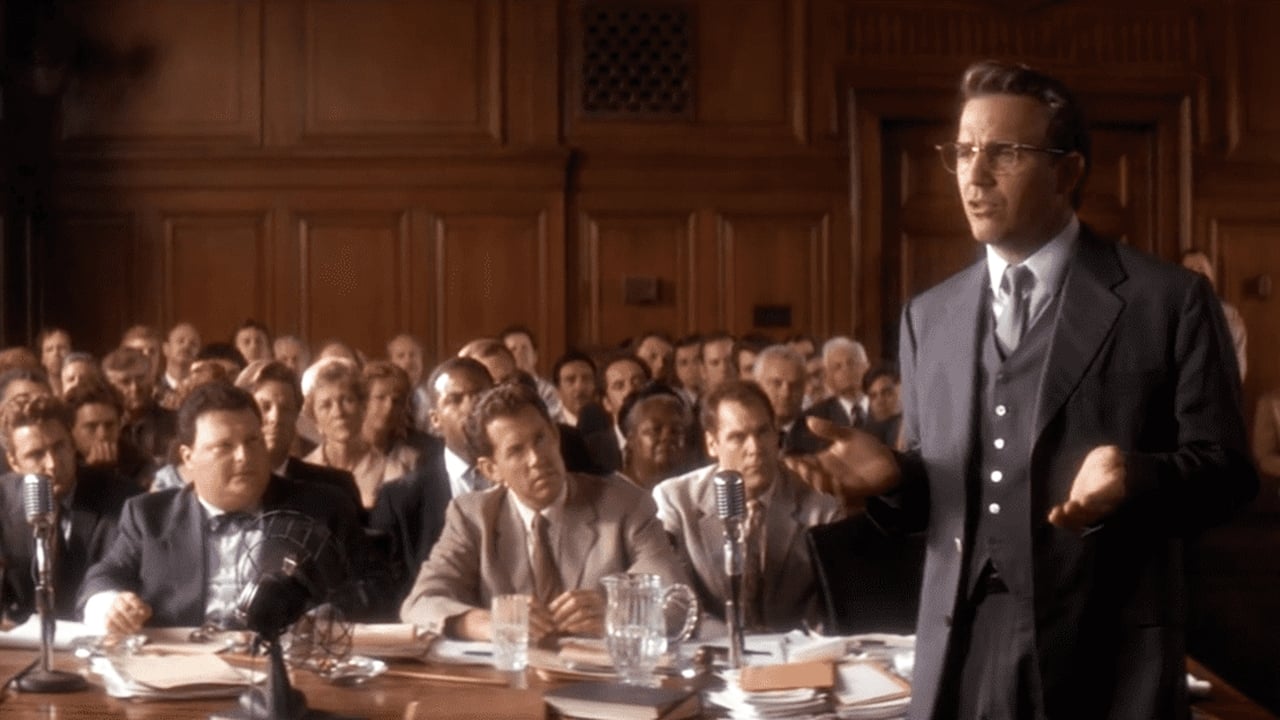
From the opening frames, mixing stark black-and-white newsreel footage with Stone's own visceral reconstructions, JFK establishes its relentless pace. We're plunged into the world of New Orleans District Attorney Jim Garrison, played with a stoic, almost unwavering intensity by Kevin Costner, then arguably at the peak of his Hollywood power after Dances with Wolves. Garrison, initially accepting the official Warren Commission findings, begins to pull at loose threads, uncovering inconsistencies and potential connections that lead him down a rabbit hole of shady operatives, Cuban exiles, government agents, and high-level conspiracies surrounding the assassination of President John F. Kennedy.
Stone, working with co-writer Zachary Sklar (adapting Garrison's own book On the Trail of the Assassins and Jim Marrs' Crossfire: The Plot That Killed Kennedy), doesn't just present a linear investigation. He bombards the viewer. Employing a dizzying array of film stocks – colour, black and white, grainy 8mm and 16mm recreations – and deploying Oscar-winning editing (Joe Hutshing and Pietro Scalia deservedly won), the film mirrors Garrison's own increasingly frantic search for truth. It's less a narrative and more an immersive onslaught of testimony, flashbacks, theories, and counter-theories, expertly underscored by John Williams' haunting, elegiac score. The effect is deliberate: to overwhelm, to disorient, to make the viewer feel the weight and complexity of the unanswered questions.

A Constellation of Characters in the Shadows
While Costner provides the film's moral and narrative anchor, JFK is populated by an astonishing ensemble cast, many turning in unforgettable performances in relatively brief screen time. Tommy Lee Jones earned a Best Supporting Actor nomination for his chilling portrayal of Clay Shaw, the enigmatic businessman Garrison puts on trial. Jones imbues Shaw with an unnerving blend of Southern charm and reptilian coldness. Then there's Gary Oldman, disappearing utterly into the role of Lee Harvey Oswald, presenting him not just as the lone nut of official record but as a confused, possibly manipulated pawn.
The list goes on: Joe Pesci is pure manic energy as David Ferrie; Kevin Bacon brings a disturbing swagger to the fictionalized composite character Willie O'Keefe; Sissy Spacek grounds the film emotionally as Garrison's increasingly concerned wife, Liz; and Donald Sutherland delivers a masterclass in exposition during his lengthy, hypnotic monologue as the mysterious informant "X". Even smaller roles feature legends like Jack Lemmon, Walter Matthau, Ed Asner, and a surprising dramatic turn from John Candy. This sheer weight of talent, each actor bringing nuance to their piece of the puzzle, lends the sprawling conspiracy an unsettling plausibility.
Retro Fun Facts: Fueling the Firestorm
JFK wasn't just controversial upon release; it was practically radioactive. Warner Bros. took a significant gamble bankrolling the $40 million production ($85 million+ in today's money), facing immense pressure from political figures and historical commentators who decried Stone's blending of fact, speculation, and dramatic license before the film even opened. Stone himself was a lightning rod, known for his provocative takes on recent history (Platoon, Born on the Fourth of July).
- Casting Coups: Getting such a star-studded cast was a feat. Many actors reportedly took pay cuts to be part of what they saw as a vital project. Harrison Ford initially considered the Garrison role, but Costner, fresh off his Oscar win, brought immense star power.
- Location Realism: Stone insisted on filming key scenes in the actual locations, including Dealey Plaza and inside the Texas School Book Depository in Dallas, adding a layer of chilling authenticity. Garrison himself even has a cameo – playing Earl Warren!
- The "Magic Bullet" Visualized: The film's graphic, slow-motion depiction of the infamous "single bullet theory" became one of its most debated sequences, viscerally challenging the official narrative.
- Legislative Impact: The public outcry and renewed interest generated by JFK directly led to the passage of the President John F. Kennedy Assassination Records Collection Act of 1992, mandating the release of previously classified documents. A rare case of a Hollywood film directly influencing government action. Box office returns were strong ($205 million worldwide), proving audience appetite for the subject despite the controversy.
- Editing Marathon: The complex structure required Herculean effort in the editing room, weaving together disparate formats and timelines into a cohesive (if relentless) whole.
Does It Hold Up?
Watching JFK today, perhaps on a format far removed from that original double-VHS behemoth, its power remains undeniable. Yes, historians still fiercely debate its accuracy, and Stone certainly presents Garrison's theories with conviction rather than objective distance. It’s crucial to remember this is Stone's interpretation, a cinematic argument rather than a documentary. But as a piece of filmmaking? It's breathtaking. A masterclass in editing, pacing, and sustained tension. It captures the paranoia of an era and the enduring trauma of an event that shattered American innocence. It forces you to think, to question, to sift through the information yourself. Isn't that what powerful cinema should do?
It doesn't necessarily provide definitive answers, nor should it perhaps. Its strength lies in its passionate insistence that the official story felt incomplete, that doubts lingered for valid reasons. The film taps into that deep-seated unease, the feeling that powerful forces operate beyond public view, a theme perhaps even more resonant today.
Rating: 9/10
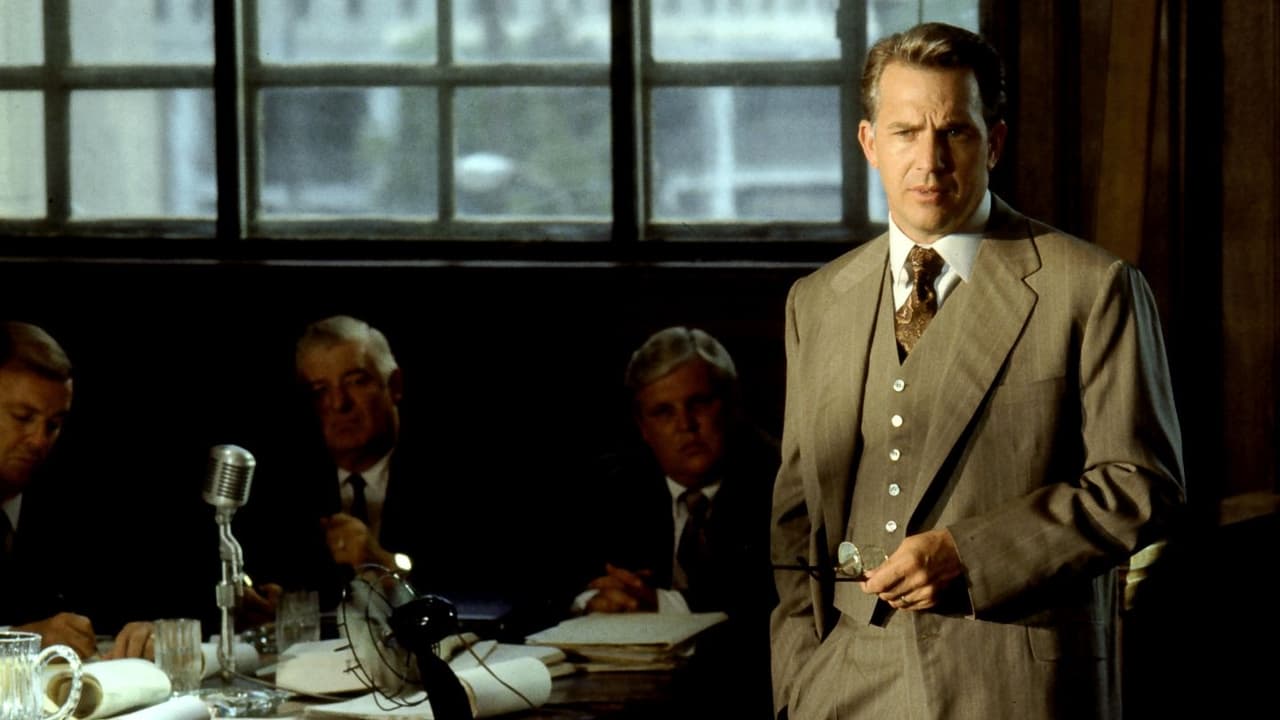
JFK earns this high score not for being the final word on the assassination, but for its sheer cinematic audacity, its technical brilliance, powerhouse performances, and its undeniable cultural impact. It's a demanding, provocative, and utterly gripping piece of filmmaking that exemplifies Oliver Stone's confrontational style at its peak. It’s a film that doesn't just entertain; it interrogates, provokes, and lingers long after the credits roll.
What JFK ultimately leaves you with isn't necessarily belief in Garrison's specific conclusions, but rather a profound sense of the fragility of truth and the enduring power of secrets. A fittingly complex legacy for a film tackling one of history's most complex mysteries.