The silence after the gunshot is deafening, isn't it? But in Quentin Tarantino's explosive 1992 debut, Reservoir Dogs, the real noise happens before and after the bullets fly. It wasn't just another heist movie flicked onto the rental shelves; it felt like contraband smuggled out of some grimy cinematic underworld. This film didn't gently introduce itself; it kicked the door down, bleeding and swearing, demanding your full, unnerved attention.
Aftermath in a Warehouse Hell
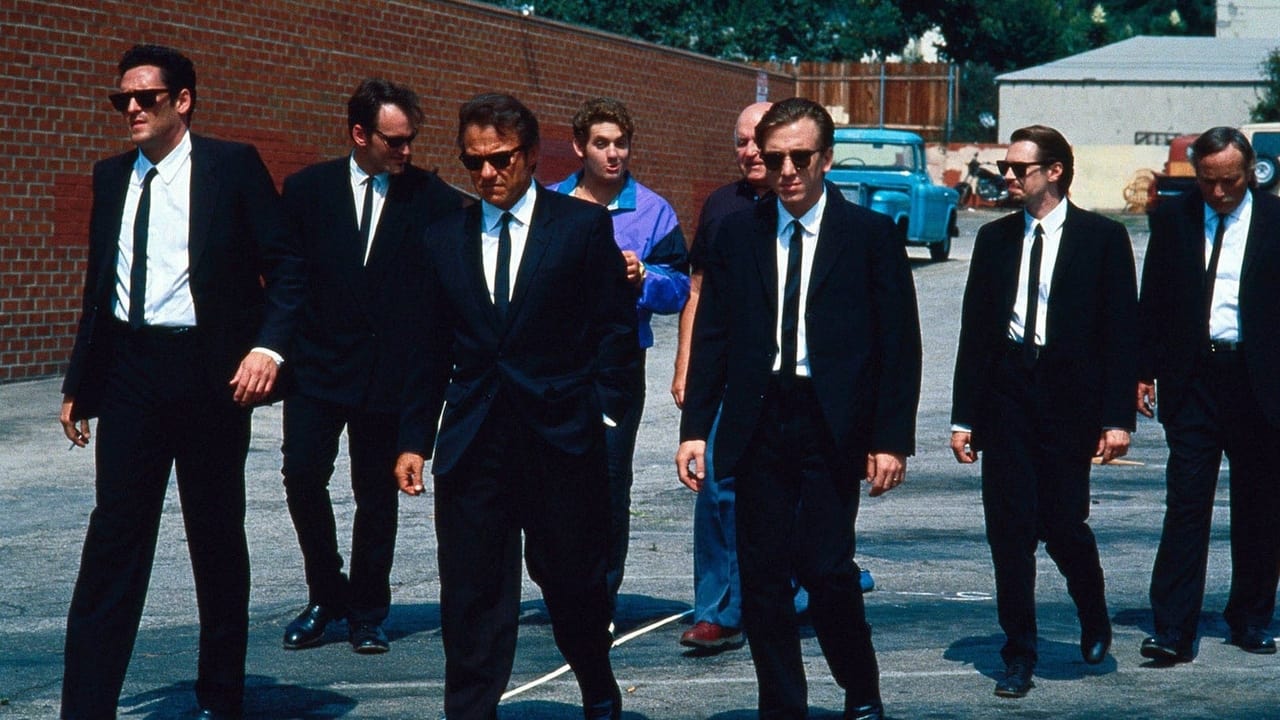
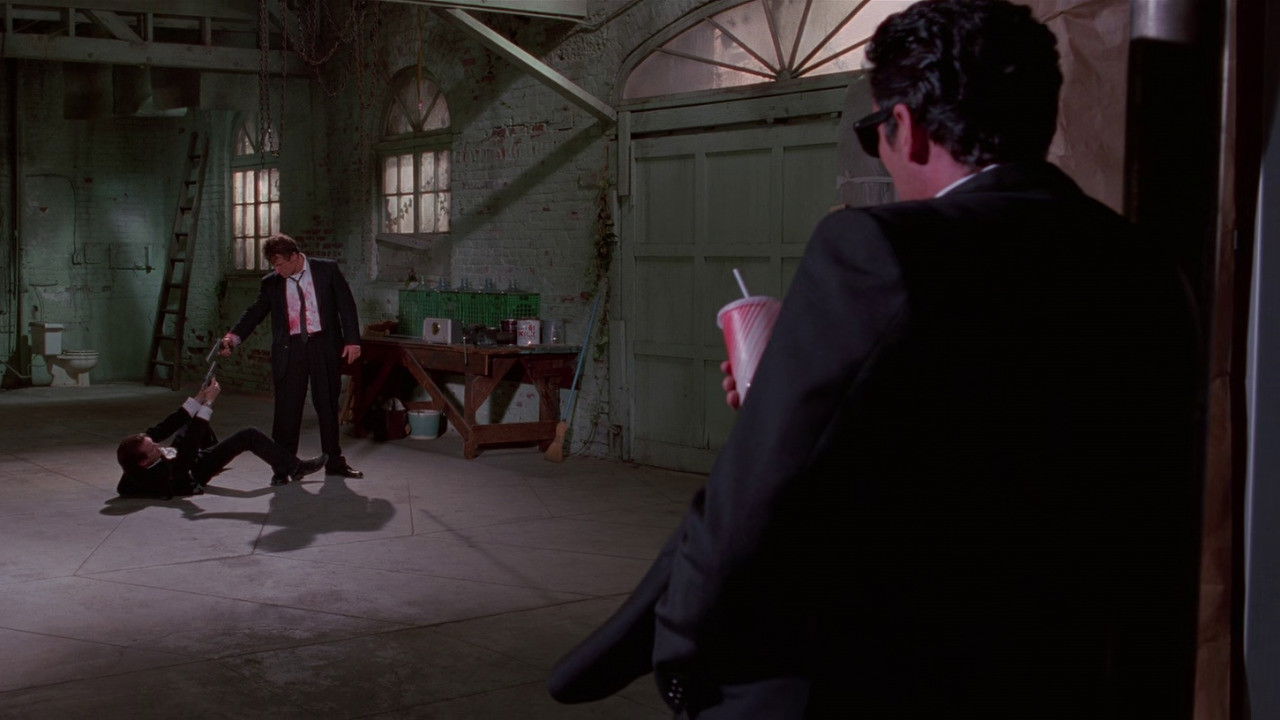
Forget the elaborate planning montage or the slick execution of the robbery. Reservoir Dogs throws us directly into the frantic, bloody fallout. A diamond heist has gone terribly wrong, and the surviving perpetrators, anonymous behind their colour-coded aliases (Mr. White, Mr. Orange, Mr. Pink, Mr. Blonde), converge on a designated rendezvous point: a stark, empty warehouse that quickly becomes a pressure cooker of paranoia, pain, and recrimination. The genius lies in what we don't see. The botched job lives only in panicked recollections and accusations, forcing us to piece together the disaster alongside the increasingly desperate characters. This minimalist setting, born partly from necessity due to the famously tight budget (boosted to around $1.2 million largely thanks to Harvey Keitel's involvement as actor and co-producer), becomes a character itself – a claustrophobic purgatory where loyalties fray and secrets fester.
Talk is Cheap, Dialogue is Deadly
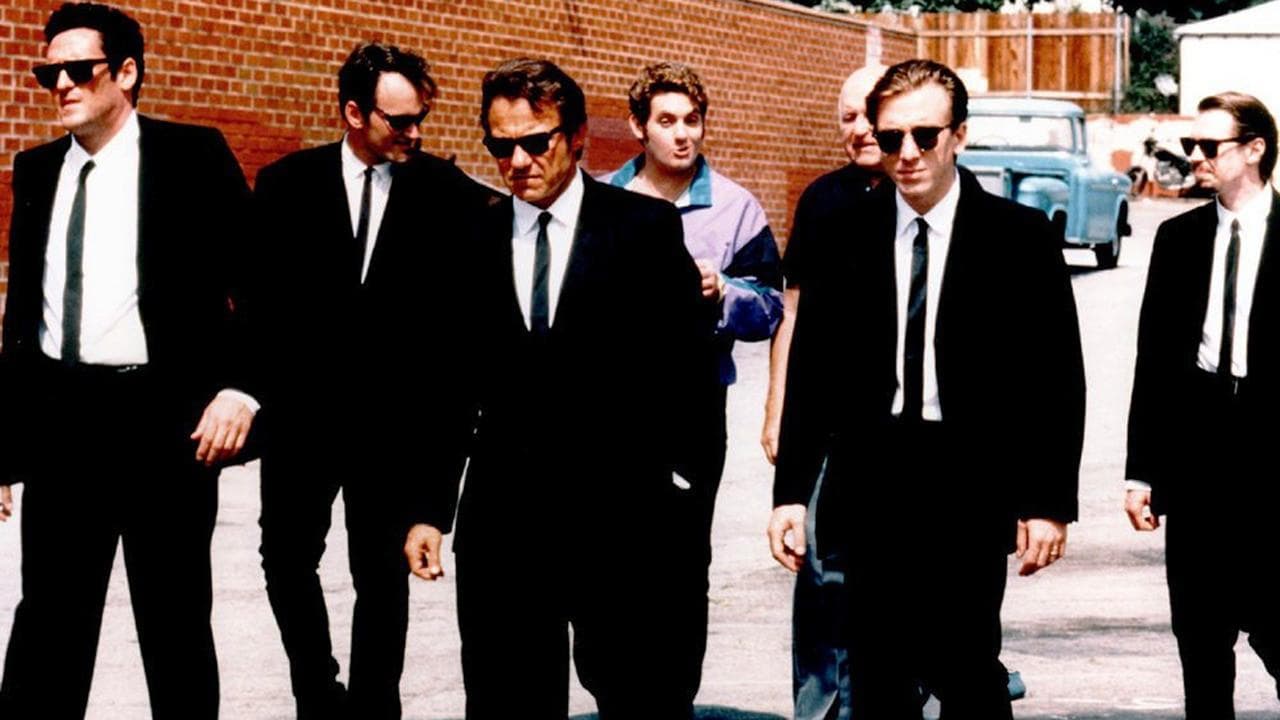
What truly set Reservoir Dogs apart, grabbing viewers by the collar back in '92, was Tarantino's script. This wasn't the stilted exposition of lesser crime flicks. This was dialogue that crackled with profane poetry, mundane pop-culture debates (Madonna, tipping etiquette) rubbing shoulders with brutal threats and desperate pleas. Remember that opening diner scene? So effortlessly cool, yet subtly planting seeds of the personalities and tensions that would soon explode. The non-linear structure, jumping between the tense present in the warehouse and glimpses of the characters' recruitment and preparations, wasn't just a gimmick; it masterfully controlled the flow of information, heightening the mystery of who the rat is and making the eventual reveals land with maximum impact. It felt revolutionary, a shot of adrenaline straight into the veins of independent cinema.
A Gallery of Rogues
The cast assembled here is pitch-perfect, embodying Tarantino's archetypes with unnerving conviction. Harvey Keitel lends weathered gravitas to Mr. White, the experienced hand whose paternal instincts towards the grievously wounded Mr. Orange (Tim Roth, in a performance of gut-wrenching agony) become a fatal flaw. Steve Buscemi, allegedly after initially auditioning for a different role, delivers a career-defining turn as the weaselly, pragmatic Mr. Pink, obsessed only with professionalism and escape ("Why am I Mr. Pink?"). And then there's Michael Madsen as Mr. Blonde. Cool, detached, and utterly terrifying. Madsen, reportedly using his own Cadillac for Blonde's cruising scenes, exudes a casual menace that culminates in that scene. The infamous ear-slicing sequence, set chillingly to Stealers Wheel's "Stuck in the Middle with You," became instantly notorious. Walkouts were reported at festival screenings, yet Tarantino's decision to pan the camera away during the gruesome act itself somehow makes it even more disturbing, leaving the horror to unfold in our imagination – a trick perhaps even more effective on a grainy VHS watched late at night. It's a masterclass in building dread through implication and sound design, amplified by the jarringly upbeat K-Billy's Super Sounds of the Seventies radio broadcast playing throughout.

Behind the Bloodshed
The film's lean, mean aesthetic was amplified by its production realities. Shot quickly over roughly 35 days, the iconic black suits weren't initially budgeted; a generous menswear designer, impressed by the script, offered them, though some actors apparently supplemented with pieces from their own wardrobes. This kind of resourcefulness permeated the production, giving the film a raw, unpolished energy that resonated powerfully. Its premiere at the Sundance Film Festival created immediate buzz, signalling the arrival of a major new talent. Reservoir Dogs wasn't just a movie; it was a statement.
The Reservoir Dog Legacy
Watching Reservoir Dogs today, decades removed from its initial shockwave, its power remains undiminished. It's a film built on tension, character, and dialogue rather than spectacle. Its influence on 90s indie film is undeniable, launching Tarantino's meteoric career and inspiring a legion of imitators who often captured the profanity but rarely the wit or underlying structure. It proved that a compelling story, sharp writing, and intense performances could make a bigger impact than the biggest budget. For many of us, finding this tape at the local video store felt like uncovering a secret – something dangerous, exciting, and utterly unique. It wasn't just a rental; it was an initiation.
Rating: 9/10
This score reflects the film's near-perfect execution of its tightly focused concept. The razor-sharp script, unforgettable performances, masterful control of tension, and groundbreaking non-linear narrative solidify its place as a landmark of independent cinema. While the raw violence was shocking, it served the story and characters, contributing to the film's visceral impact rather than feeling gratuitous. Its influence and raw energy remain potent.
Reservoir Dogs is more than just a cult classic; it's a perfectly cut diamond of 90s crime cinema – rough, brilliant, and forever sharp. Doesn't that warehouse still feel unsettlingly close?