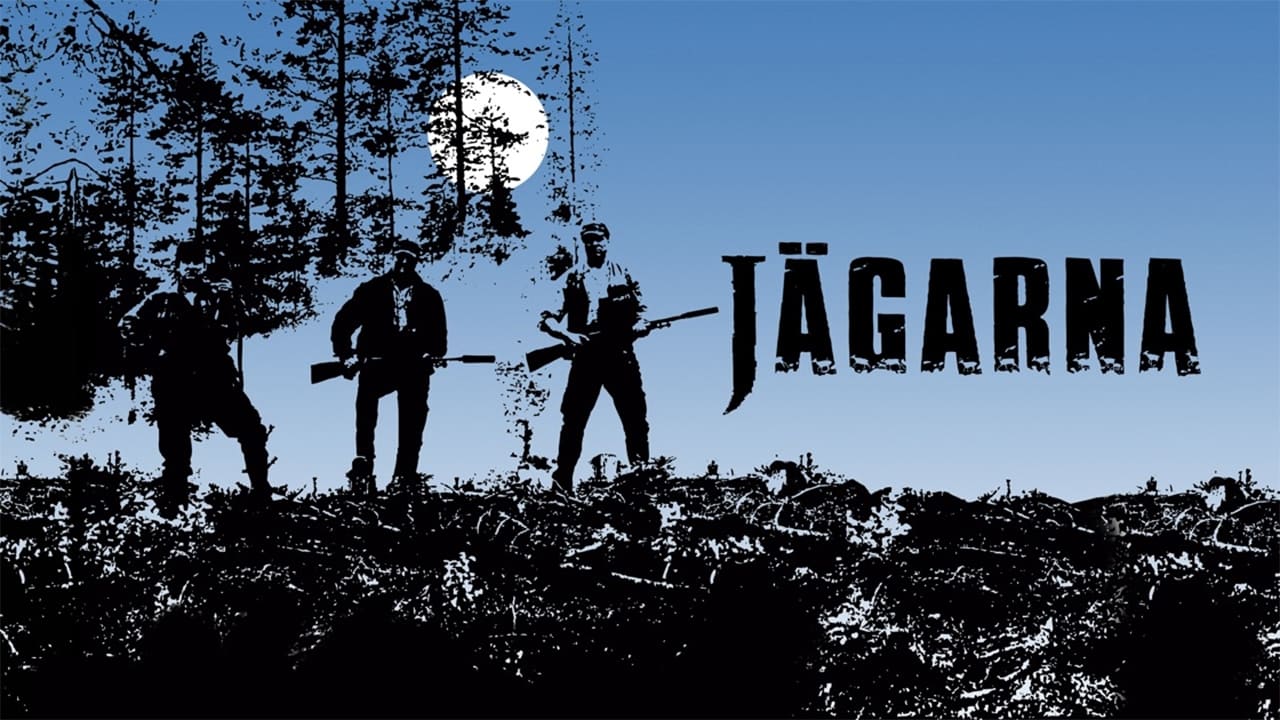
There's a certain kind of quiet that settles over vast, remote landscapes – a quiet that can feel peaceful, but sometimes, deeply unnerving. It’s this latter feeling that permeates The Hunters (Jägarna), a 1996 Swedish thriller that might have caught your eye in the 'World Cinema' section of the video store back in the day, promising something colder and perhaps more unsettling than the usual Hollywood fare. Directed by Kjell Sundvall, it plunges us into the stark beauty and hidden darkness of Sweden's far north.
A Homecoming Laced with Frost
The film opens with Erik Bäckström (Rolf Lassgård), a Stockholm police officer, returning to his rural hometown in Norrland following the death of his father. He intends to take up a local position, reconnect with his estranged brother Leif (Lennart Jähkel), and perhaps find a slower pace of life. The initial welcome is warm, filled with the boisterous camaraderie of Leif's hunting buddies. Yet, almost immediately, there's an undercurrent. Erik, the city cop, the outsider who got away, notices things the locals either ignore or accept – particularly concerning widespread illegal poaching. His professional instincts clash violently with the ingrained codes of loyalty and silence that govern this isolated community. What starts as a minor investigation spirals into something far more dangerous, forcing Erik to confront not just criminals, but the very fabric of the place he once called home.
The Weight of Belonging

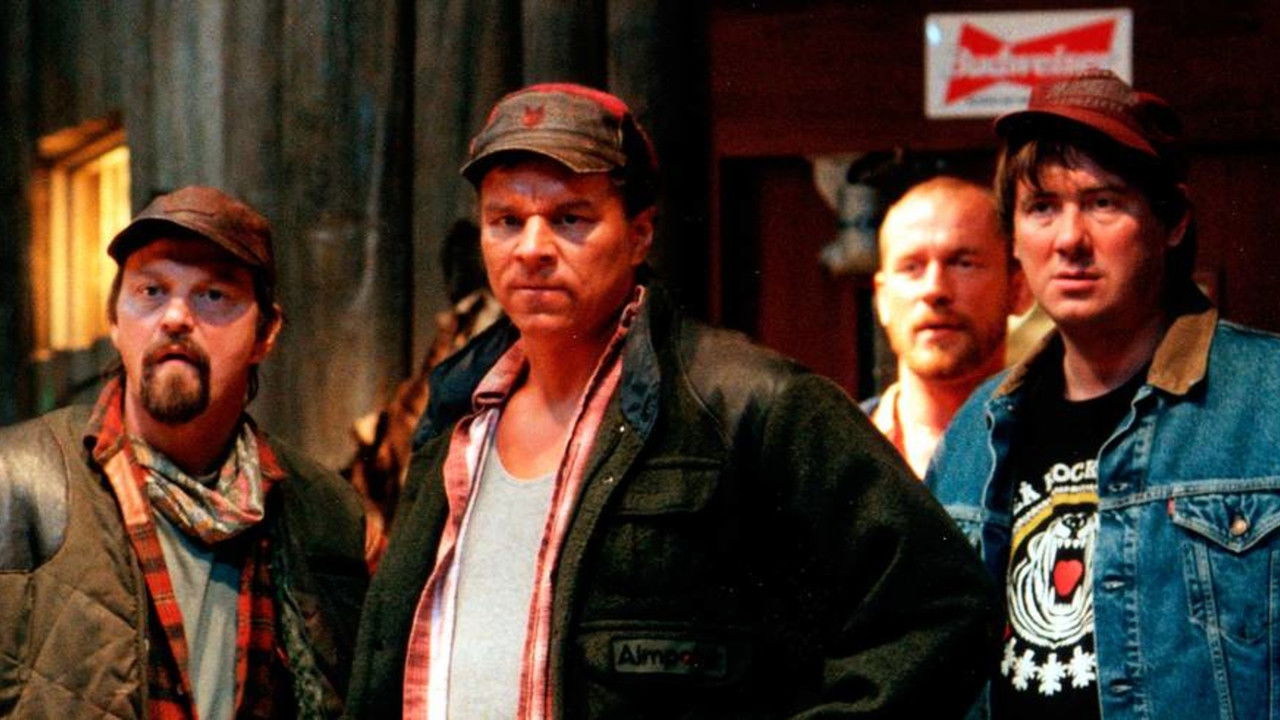
At its heart, The Hunters is a chilling exploration of group dynamics and the corrosive nature of secrets within a tight-knit community. Leif and his crew, including the menacingly volatile Tomme (Jarmo Mäkinen), represent a hyper-masculine world where loyalty to the pack trumps external laws or morality. They hunt together, drink together, and cover for each other, creating an intimidating wall of silence. Lennart Jähkel is magnetic as Leif, charismatic and welcoming on the surface, but with a palpable undercurrent of menace and possessiveness over his domain. You understand why people follow him, even as you see the danger he represents. He embodies that complex figure: the charming rogue whose charm curdles into something truly threatening when challenged. Doesn't that dynamic feel chillingly familiar, echoing in closed communities everywhere?
Lassgård's Quiet Intensity
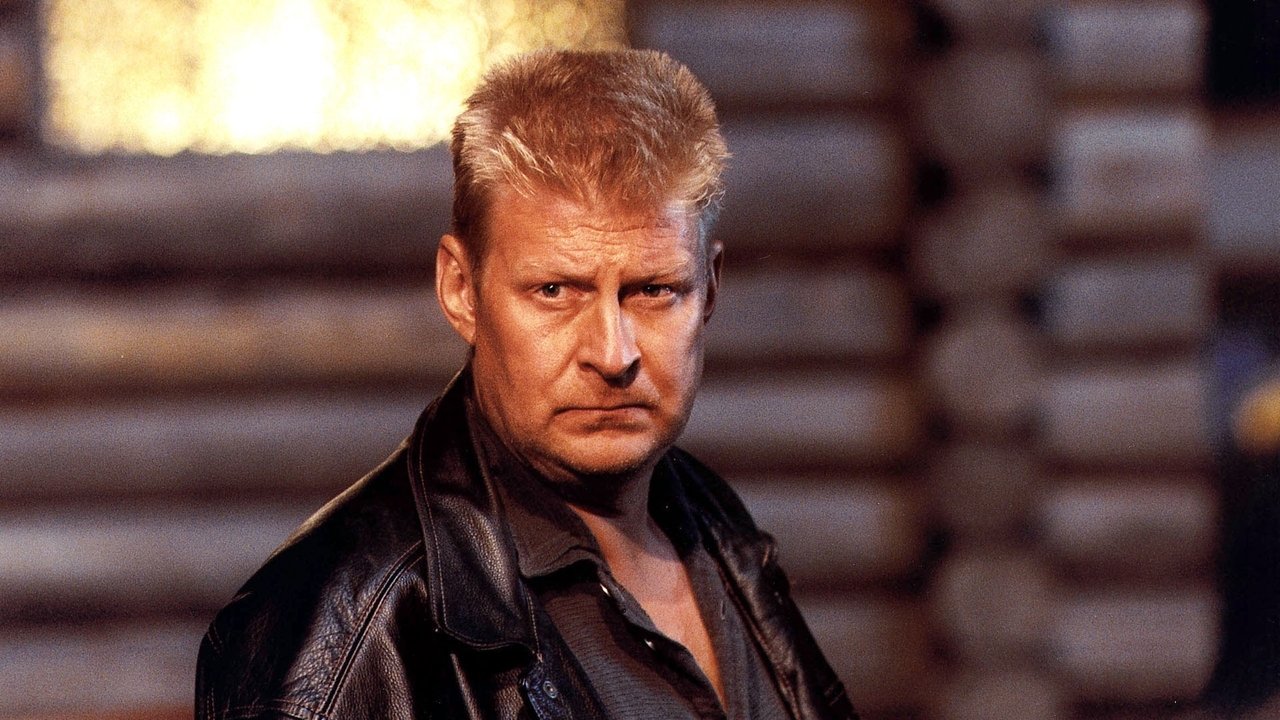
This film truly belongs to Rolf Lassgård. Many might know him now from the popular Wallander series (based on Henning Mankell's novels), but here, years earlier, he delivers a performance of remarkable depth and restraint. As Erik, he carries the weight of his Stockholm experience and the uncomfortable burden of his local roots. Lassgård perfectly captures the internal struggle of a man torn between his duty as a police officer and the lingering, complicated bonds of family and community. There's a weariness in his eyes, a quiet determination mixed with a growing sense of dread. He’s not a flashy hero; he’s observant, methodical, and increasingly isolated. You feel his frustration mount as his investigation meets resistance, not just from the culprits, but from seemingly ordinary people invested in maintaining the status quo. It's a performance grounded in realism, making the escalating tension feel utterly believable.
Norrland Noir: Setting as Character
Director Kjell Sundvall, who also co-wrote the script, masterfully uses the vast, unforgiving landscape of Norrland (filming took place around Älvsbyn and Överkalix) not just as a backdrop, but as an active participant in the drama. The endless forests, frozen lakes, and wide-open spaces convey both beauty and profound isolation. Cinematographer Kjell Lagerroos captures this duality perfectly – stunning vistas that simultaneously feel oppressive and isolating. The environment shapes the characters and their actions; it’s a place where people can disappear, secrets can be buried under snow, and the law feels very far away. This effective use of setting foreshadows the bleak, atmospheric style that would later define the hugely popular Nordic Noir genre.
Retro Fun Facts: Sweden's Sleeper Hit
It's fascinating to look back and realize just how massive The Hunters was in its native Sweden. Produced on a relatively modest budget (around SEK 20 million, roughly $3 million USD back then), it became a colossal box office success, selling over 700,000 tickets – a huge number for a domestic film. It wasn't just popular; it sparked debate. Some felt its portrayal of Norrland and its inhabitants relied on negative stereotypes, depicting the region as backward and prone to lawlessness. Whether fair criticism or not, the discussion highlighted the film's significant cultural impact. For Rolf Lassgård, already a respected actor, The Hunters significantly boosted his profile, paving the way for his iconic role as Kurt Wallander. The film’s success wasn’t initially mirrored internationally, making it one of those fantastic VHS finds that felt like uncovering a hidden gem – a potent, darker thriller from Scandinavia long before Stieg Larsson’s novels hit the global mainstream.
Enduring Chill
What makes The Hunters linger long after the credits roll? It’s the pervasive sense of unease, the exploration of how easily morality can blur within a closed group, and the unnerving feeling that sometimes, going home is the most dangerous thing you can do. The film asks tough questions about loyalty, justice, and the darkness that can hide beneath a familiar surface. It doesn’t offer easy answers, leaving the viewer with a chilling sense of ambiguity. The themes feel disturbingly timeless – the tension between insiders and outsiders, the pressure to conform, the rot beneath a seemingly peaceful community.
The film's impact endured in Sweden, eventually spawning a sequel, False Trail (Jägarna 2), in 2011, and even a television series continuation starting in 2018, both also starring Lassgård. This longevity speaks volumes about the original's power and resonance.

Rating: 8/10
The Hunters earns its score through its potent atmosphere, stellar performances (especially from Lassgård and Jähkel), and its unflinching look at the dark side of community loyalty. It’s a tightly wound thriller that uses its stark setting to maximum effect, delivering a suspenseful narrative that feels grounded and deeply unsettling. While perhaps a little slow-burn for some expecting non-stop action, its patient build-up culminates in genuinely tense confrontations.
It remains a standout piece of 90s European crime cinema, a precursor to the Nordic Noir phenomenon, and a reminder that sometimes the most chilling stories are found far from the familiar city lights, hidden in the vast, quiet north. A must-watch if you appreciate taut, atmospheric thrillers with substance.