Ah, the rustle of leaves in an enchanted forest, the glint of magic in the air, and the hiss of a well-loved VHS tape spooling up... For many of us who haunted video store aisles in the early 90s, stumbling upon the Fantaghirò series felt like discovering a secret passage to another world. After the charming introduction of the first installment, The Cave of the Golden Rose 2 (or Fantaghirò 2 as many knew it) arrived in 1992, ready to deepen the magic and, surprisingly, darken the fairytale considerably. This wasn't just a simple continuation; it felt like the storybook pages had turned to a chapter filled with richer shadows and more formidable dangers.
### Into Darker Woods We Go
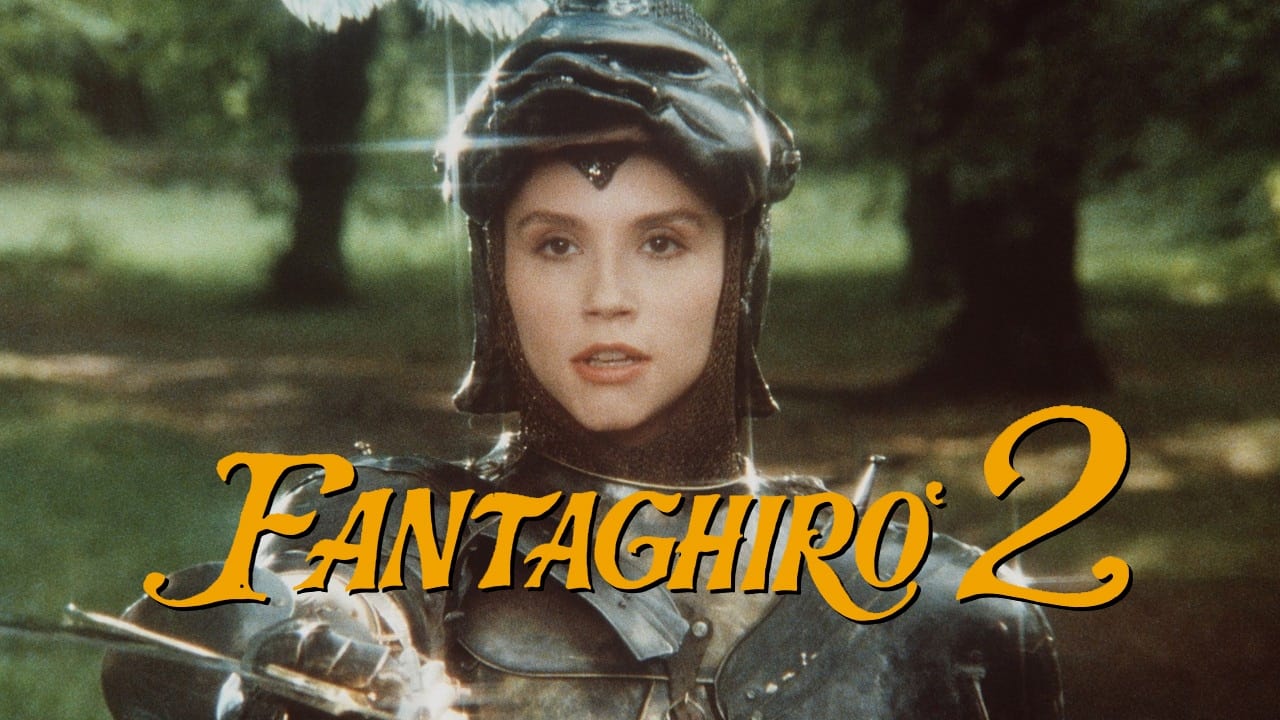
Picking up after the "happily ever after" of the first film, this sequel, again skillfully helmed by Italian director Lamberto Bava (yes, son of the legendary Mario Bava, though Lamberto carved his own niche shifting from horror like Demons to this lush fantasy), wastes little time plunging our beloved warrior princess Fantaghirò (Alessandra Martines) and her prince Romualdo (Kim Rossi Stuart) into fresh peril. Written once more by Gianni Romoli, the story cleverly avoids simple repetition. Instead of warring kingdoms, the central conflict shifts to a more insidious, magical threat embodied by the unforgettable Dark Witch, played with icy relish by the statuesque Brigitte Nielsen. Just when Fantaghirò and Romualdo are about to finally tie the knot, the Witch kidnaps Fantaghirò’s father. Our princess, ever the hero, must postpone her wedding vows and ride out once more, leaving Romualdo vulnerable to the Witch's wicked enchantments.
### Nielsen Steals the Show (and the Prince)
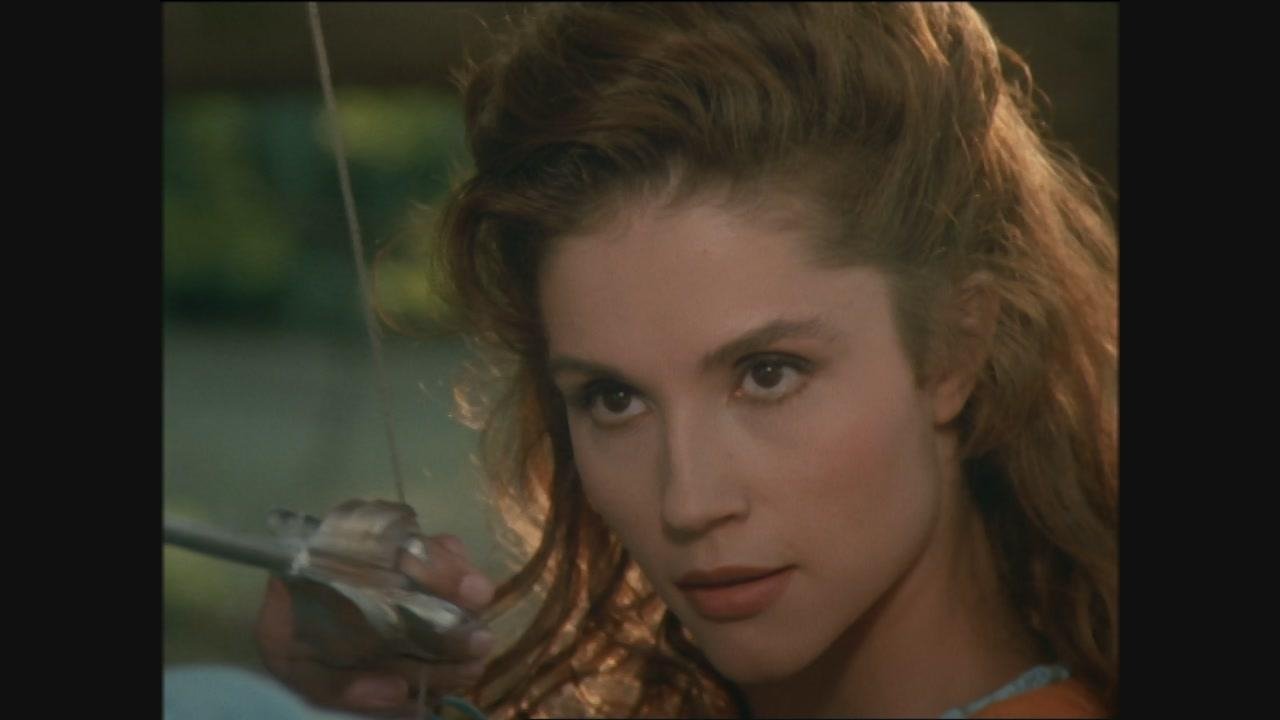
Let's be honest, while Alessandra Martines remains the heart of the series – embodying Fantaghirò's blend of strength, vulnerability, and determination perfectly – and Kim Rossi Stuart brings a sincere charm to Romualdo (even when magically manipulated), it's Brigitte Nielsen who truly dominates Fantaghirò 2. Fresh off roles like Red Sonja (1985) and Rocky IV (1985), Nielsen sinks her teeth into the role of the Dark Witch (Strega Nera). With her striking costumes, chilling gaze, and command of dark magic (fueled by a rather nasty habit of consuming negativity), she presented a genuinely formidable and visually arresting antagonist. Her scenes crackle with a malevolent energy that significantly raises the stakes. Remember her transforming Romualdo into her devoted, dark-clad servant? It was a genuinely unsettling turn that felt miles away from the first film's relatively straightforward conflicts.
### That Euro-Fantasy Magic
Part of the enduring charm of the Fantaghirò series lies in its distinct visual style. Filmed primarily in picturesque castles and forests (often utilizing stunning locations in the former Czechoslovakia, offering grand scale on a television budget), these films possess a specific European fairytale aesthetic that feels different from the typical Hollywood fantasy of the era. The costumes are elaborate, the sets feel lived-in yet magical, and the practical effects, while perhaps showing their age now, had a tangible quality back then. Think of the talking stones, the enchanted transformations, or the Witch's creepy lair – they might seem quaint by today's CGI standards, but they possessed a handmade charm that fueled the imagination. Amedeo Minghi's sweeping, romantic musical score is another crucial element, perfectly capturing the blend of adventure, romance, and danger.
Retro Fun Facts: It's easy to forget these were originally Italian television miniseries, often broadcast in two parts. The international versions, particularly the VHS releases we cherish, were frequently edited down into feature-length films. Fantaghirò 2 reportedly cost around 6 billion Italian Lire (roughly $4-5 million USD back then), a significant sum for European TV production at the time, showcasing the ambition behind the series after the success of the first installment. The popularity was immense, particularly in Italy and Germany, spawning three more sequels throughout the 90s, cementing Fantaghirò as a genuine fantasy phenomenon outside the Anglosphere. Did you know Nielsen reportedly did many of her own stunts involving horse riding? Her commanding presence wasn't just acting!
### A Deeper, More Enduring Fairytale
While the first film established the world and characters, Fantaghirò 2 truly deepened the mythology and emotional core. It explored themes of sacrifice, temptation, and the corrupting nature of power through the Dark Witch's actions and Romualdo's plight. Fantaghirò herself faces tougher choices, forced to rely on her wits and courage against explicitly magical threats rather than just patriarchal expectations or enemy soldiers. It maintained the romance but added layers of complexity and peril that made the eventual triumph feel even more earned. It wasn't afraid to be a little scary, a little sad, and ultimately, more memorable for it.
This sequel cemented the feeling that the Fantaghirò saga was something special – a sprawling, earnest, and beautifully realized fantasy adventure that felt both timeless and distinctly European. It captured that feeling of discovering an epic story unfolding, chapter by chapter, right there on your flickering CRT screen.
Rating: 8/10
This score reflects Fantaghirò 2's successful expansion of the world and themes established in the first film. It introduces a truly iconic villain in Brigitte Nielsen's Dark Witch, raises the stakes effectively, and maintains the enchanting Euro-fantasy atmosphere. While some effects are dated and the TV-movie origins occasionally show, its ambition, strong performances (especially from Martines and Nielsen), memorable score, and darker, more complex narrative make it a standout sequel and a beloved entry in the series for many fans. It took the charming foundation and built something richer and more compelling upon it.
For those whose VHS copy is long worn out, revisiting The Cave of the Golden Rose 2 is like opening a cherished, slightly dusty storybook – the magic, thankfully, remains potent.