Okay, fellow tapeheads, let's rewind to a time when fantasy epics didn't need nine-figure budgets and sprawling CGI armies to capture our imaginations. Sometimes, all it took was a determined princess, some questionable monsters, a healthy dose of European flair, and a title that sounded impossibly grand: The Cave of the Golden Rose 4 (or Fantaghirò 4, as many of us knew it). Finding this one on the rental shelf, often nestled next to its predecessors, felt like continuing a beloved, slightly strange, fairy tale.
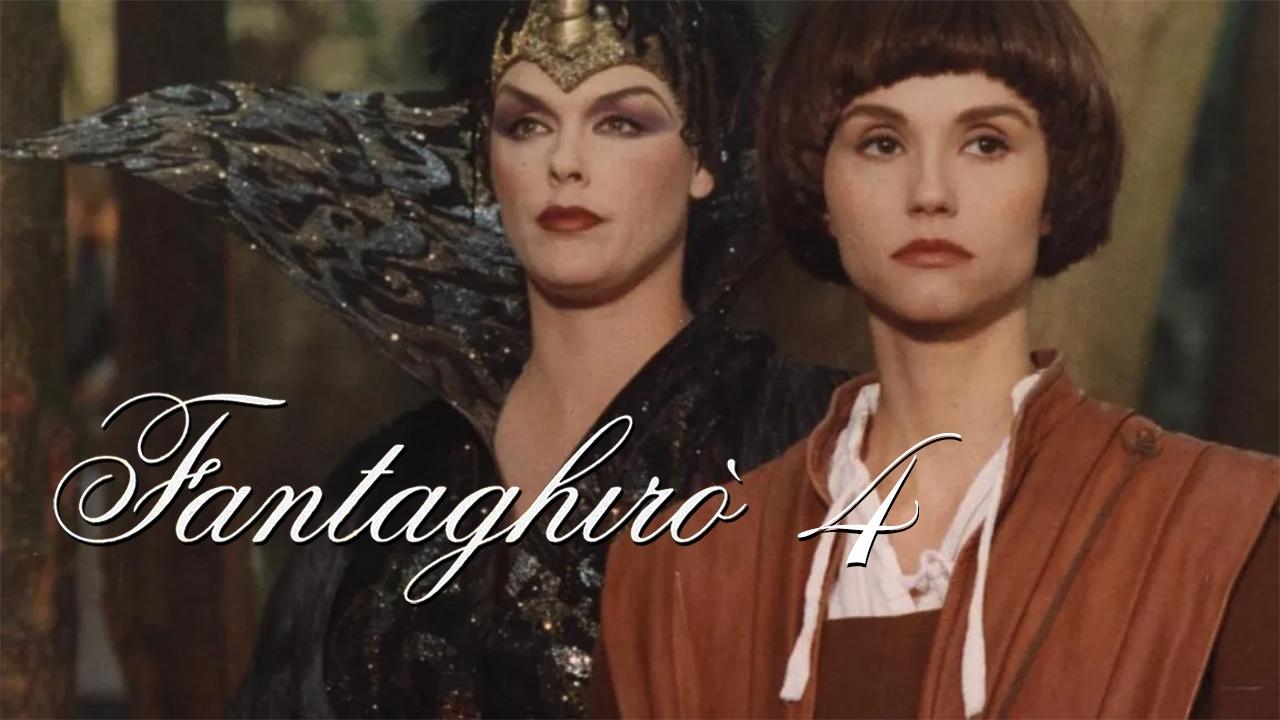
This 1994 entry picks up our warrior princess Fantaghirò (Alessandra Martines, who embodies this role with fierce commitment) in a darker place. Remember the gut-punch ending of Part 3? Well, this installment dives headfirst into a quest driven by grief and a looming darkness threatening the fairy tale kingdoms. The story whisks us away to distant, war-torn lands, introducing a powerful, curse-afflicted warrior prince named Parsel and a plot involving a mysterious black cloud consuming kingdoms. It definitely felt like the series was trying to mature, perhaps leaning into a slightly more somber, Eastern European folk tale vibe.
### A Different Kind of Quest
Right off the bat, Fantaghirò 4 feels... different. The absence of Kim Rossi Stuart's Romualdo for much of the runtime (a necessary plot point, but keenly felt) shifts the dynamic considerably. Instead, the focus broadens, bringing in new characters and conflicts. Nicholas Rogers, who made such an impact as the brooding sorcerer Tarabas in the previous installment, returns, grappling with his own dark past and trying desperately to resist his evil mother Xellesia’s influence. And speaking of Xellesia, who better to play a glamorous, malevolent sorceress than the legendary Ursula Andress? Her casting felt like a delightful throwback, adding a touch of classic Hollywood (or perhaps Cinecittà?) glamour to the proceedings. It's one of those "Retro Fun Facts" moments – getting a former Bond girl, Dr. No less, into this Italian TV fantasy world must have been quite the casting coup back then.
The direction, once again by horror maestro Lamberto Bava (yes, the man who unleashed Demons (1985) on us!), retains that distinctively European fantasy feel. It’s less about polished Hollywood sheen and more about atmosphere, sometimes bordering on the bizarre. Bava, working alongside writers like Gianni Romoli, wasn't afraid to let things get a little weird, a little dark. Remember those slightly unsettling creature designs or the dreamlike logic of the magic? That’s pure Fantaghirò. While perhaps not as tightly plotted as the earlier films, Bava keeps the adventure moving, leveraging the often stunning (if sometimes recognizably budget-conscious) filming locations, reportedly including castles and forests in the Czech Republic, which lent the production an authentic, old-world feel without breaking the bank.
### Practical Magic and VHS Charm
Let's talk about the look and feel, because that's pure VHS Heaven territory. Forget seamless CGI – this was the era of rubbery monster suits (sometimes charmingly so!), elaborate, almost theatrical costumes, and magical effects achieved through optical printing, smoke machines, and clever lighting. Remember the swirling energy blasts or transformations? They might look dated now, but back then, projected through the fuzzy warmth of a CRT, they had a tangible quality. There’s a certain heft to the practical effects here, a sense that things were physically built and performed. The sword fights, while maybe not Highlander-level intricate, felt grounded, relying on the actors' physicality rather than digital doubles. It's a different kind of immersion, one tied to the craft of the time.
I distinctly remember renting these Fantaghirò films, often released as multi-part miniseries on tape, and feeling completely drawn into their world. Part 4 might have felt like a bit of a narrative detour for some fans, particularly with the shift away from the core romance for a time, and maybe the plot threads got a little tangled. The budget limitations, a common factor in these ambitious European co-productions, occasionally peek through in the scale of certain scenes or effects. But Alessandra Martines remains a compelling anchor, fierce and vulnerable, carrying the emotional weight of Fantaghirò's journey. And the return of Nicholas Rogers' Tarabas adds a layer of tormented anti-hero appeal that was definitely a highlight.
The music, too, often sweeping and dramatic in that specific Italian fantasy score way, plays a huge role in selling the epic scope, even when the visuals might betray the budget. It swells at just the right moments, heightening the emotion and adventure. Was this the strongest entry in the series? Maybe not for everyone. It took risks, changed the formula, and occasionally stumbled. But did it deliver that unique blend of fairy tale wonder, slightly campy adventure, and earnest emotion that defined Fantaghirò? Absolutely.
VHS Heaven Rating: 6.5/10
Justification: While it doesn't quite recapture the lightning-in-a-bottle magic of the first couple of films and the plot feels a bit stretched, Fantaghirò 4 still offers a worthwhile dose of 90s Euro-fantasy charm. Alessandra Martines is reliably great, the addition of Ursula Andress is inspired camp, and Nicholas Rogers continues his compelling arc. The practical effects and Bava's atmospheric direction provide that essential retro flavour, even if budget constraints are sometimes visible. It’s a slightly darker, more sprawling chapter that might divide fans, but still holds a certain nostalgic magic.
Final Thought: It might lack the pure fairy-tale focus of the originals, but The Cave of the Golden Rose 4 is a testament to that ambitious, slightly weird, utterly sincere brand of fantasy filmmaking that feels like a warm, fuzzy memory from the video store aisles – a journey worth taking, even with a few narrative bumps along the way.