Okay, fellow tape-travelers, let’s dust off a box that perhaps sat a little longer on the rental shelf, or maybe one you only grabbed if the big hitters were already checked out. We’re diving into the strange, somewhat fractured fairy tale world of The Cave of the Golden Rose 5 (or Fantaghirò 5 as many of us knew it) from 1996. If the earlier entries in this sprawling Italian fantasy saga were worn smooth from repeated viewings in your VCR, this fifth chapter often felt… different. Like finding a familiar storybook rebound with darker, slightly weirder pages.
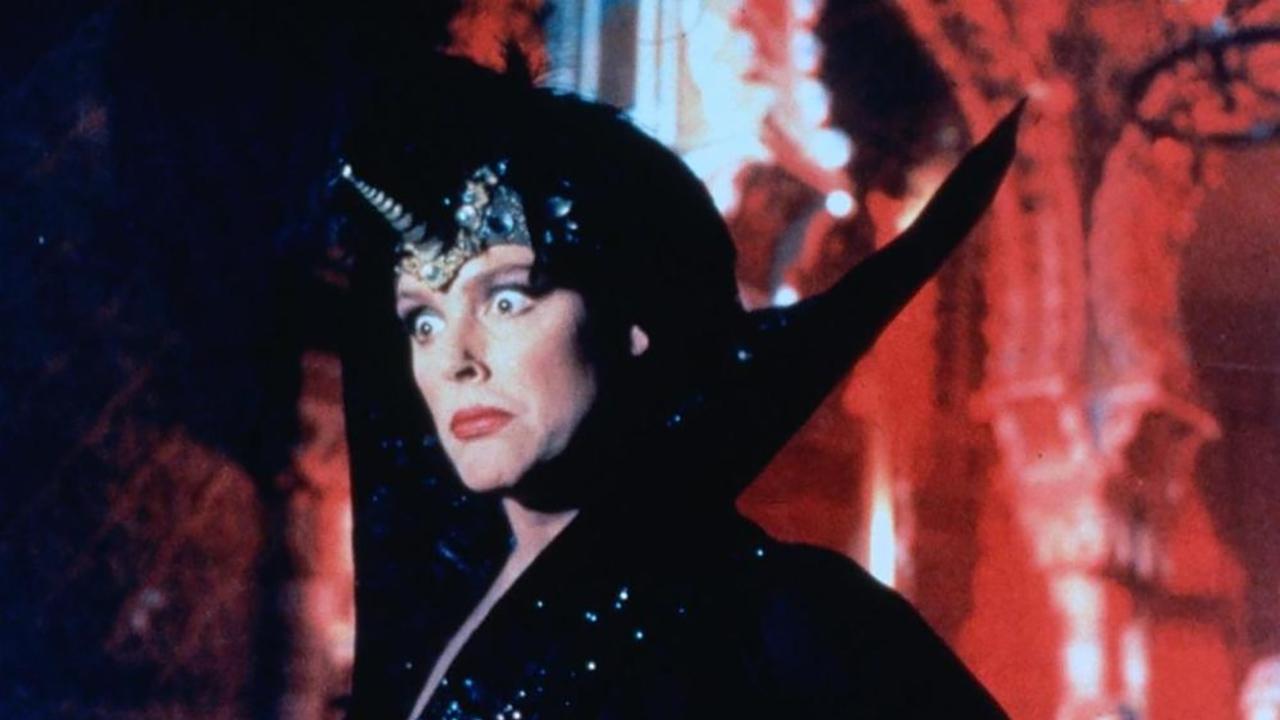
This wasn't quite the bright, romantic questing of the first few films. From the get-go, Fantaghirò 5 throws our beloved warrior princess, the ever-stalwart Alessandra Martines, into a bizarre predicament. Transported to a surreal alternate dimension filled with hungry children, weaponized fruit, and a truly unsettling floating pirate ship captained by 'Nameless' (Remo Girone, bringing his trademark intensity usually seen in gritty crime dramas), the film immediately signals a departure. It felt less like a grand fairy tale and more like a fever dream someone had after eating too much pizza before bed.
### A World Away from Home
Remember how epic those earlier Fantaghirò films felt? Even on a fuzzy CRT screen, the castles looked imposing, the forests enchanted. This fifth installment, still under the direction of Lamberto Bava (yes, the same Bava who gave us the gooey practical horror of Demons!), retains some of that ambition, but you can almost feel the budget tightening. Much of the filming reportedly took place in the Czech Republic and Slovakia, leveraging dramatic landscapes and existing structures to give a sense of scale that the production might not have otherwise afforded. It’s a classic trick of 90s European co-productions – making fantasy worlds appear vast through clever location scouting rather than expensive set builds.
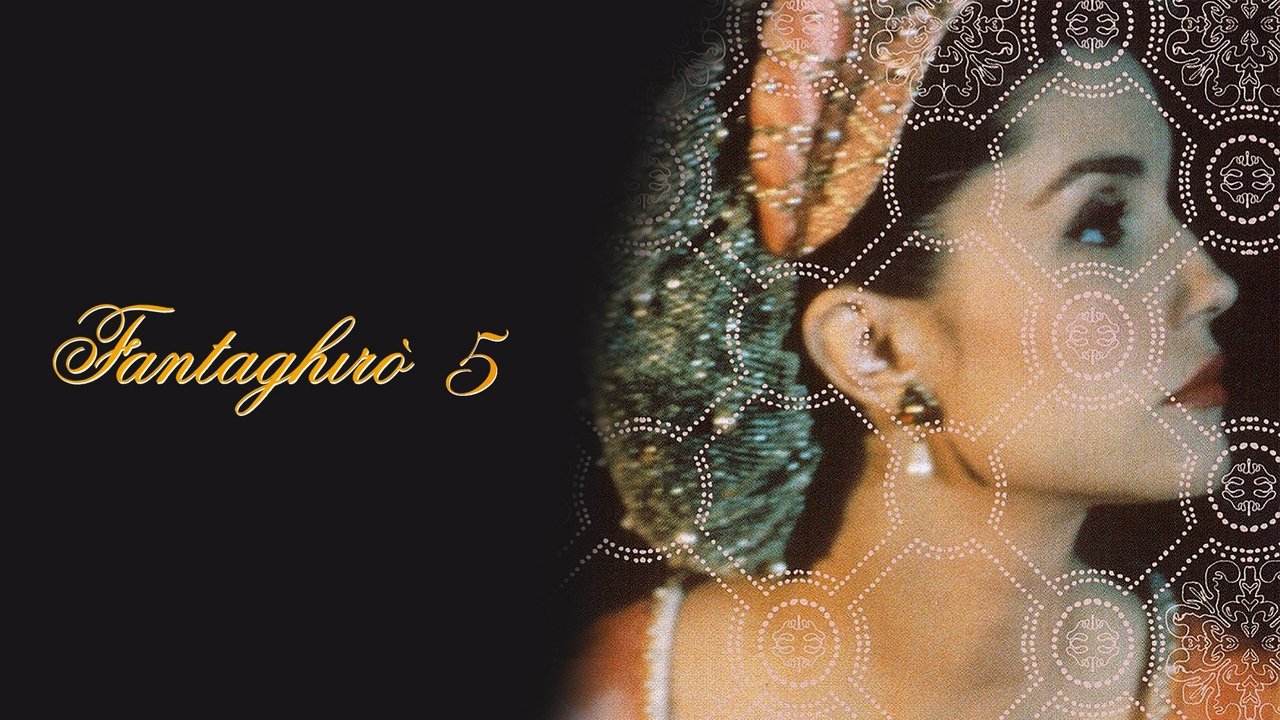
The practical effects, a hallmark of the series, are certainly… present. We get monstrous plants, weird transformations, and that aforementioned floating vessel. Compared to the seamless CGI landscapes we see today, these effects have a charming, hand-crafted quality. You can almost see the wires, smell the latex. There's an earnestness to them, a commitment to realizing these strange visions physically, even if the execution sometimes wobbles. It’s a world away from the slick digital perfection we expect now, possessing a tangible, almost theatrical feel that defined so much fantasy from the VHS era.
### Where Did Everyone Go?
Let’s address the elephant in the room, or rather, the dashing prince not in the room. The absence of Kim Rossi Stuart as Prince Romualdo, Fantaghirò’s great love, is the defining feature (and for many, the defining flaw) of this entry. His absence fundamentally alters the story's dynamic, forcing Fantaghirò onto a path detached from the central romance that drove the earlier films. While Alessandra Martines remains fiercely committed, embodying Fantaghirò's courage and determination, the quest feels unmoored. We get new companions, like the adventurous rogue Aries (Luca Venantini), but the chemistry and established history just aren't the same.
Remo Girone chews the scenery effectively as the bizarre antagonist Nameless, a villain seemingly plucked from a different, darker story altogether. His motivations are murky, his methods unsettling (that cannibalism subplot, anyone?), pushing the series into territory that felt jarringly grim compared to its predecessors. It’s a bold choice, maybe born from necessity due to casting changes or maybe a deliberate attempt by writer Gianni Romoli and Bava to shake things up, but it divided audiences sharply back in the day. Reportedly, this installment suffered from lower ratings and funding cuts, which might explain some of the narrative leaps and the overall feeling that things were winding down, perhaps not entirely as planned.
### The Last Echo of the Golden Rose
Watching Fantaghirò 5 now is a curious experience. It's undeniably part of the saga, carrying the visual DNA and Martines' unwavering central performance. Yet, it feels like an outlier, a strange detour taken just before the path ended abruptly (as this became the final chapter, despite initial plans for more). The ambition is still there, filtered through the constraints of its time and budget. You see Bava trying to inject some of his darker sensibilities into the fairy tale framework, resulting in moments that are genuinely creepy alongside others that are just plain goofy.
The music retains some of that sweeping, romantic European fantasy feel, but even it seems tinged with a certain melancholy, reflecting the story's darker turns. Was it the grand finale the series deserved? Probably not. Did it provide another couple of hours of imaginative, if bizarre, escapism on a rainy afternoon? For some of us, absolutely. I remember grabbing this one from the rental store, hoping for more of the magic, and being distinctly confused but strangely compelled by its weirdness.
VHS Heaven Rating: 4/10
Justification: While Alessandra Martines remains a dedicated hero and there's a certain nostalgic charm to the ambitious-but-dated practical effects and Eastern European locales, Fantaghirò 5 suffers greatly from the absence of key characters, jarring tonal shifts into grim territory, and a sense of budgetary constraint. It feels like a disjointed, slightly desperate attempt to continue a story that had lost its romantic core, making it primarily of interest to series completists.
Final Thought: Like finding a warped cassette tape that plays a beloved song slightly off-key, The Cave of the Golden Rose 5 is a fascinating, flawed echo of 90s TV fantasy ambition – memorable more for its strangeness than its magic.