There's a particular kind of silence that settles over you after watching certain films, isn't there? Not the comfortable quiet of resolution, but the uneasy stillness of confrontation. Ryu Murakami's 1992 dive into the neon-drenched abyss, Tokyo Decadence (originally titled Topâzu), leaves you precisely in that space. Watching it again, decades after first encountering its stark, often brutal honesty on a likely worn-out VHS tape, feels less like revisiting an old favourite and more like re-examining a wound. It’s a film that doesn't just depict alienation; it mainlines it, straight from the heart of a Tokyo teetering on the edge of its bubble-era excess.
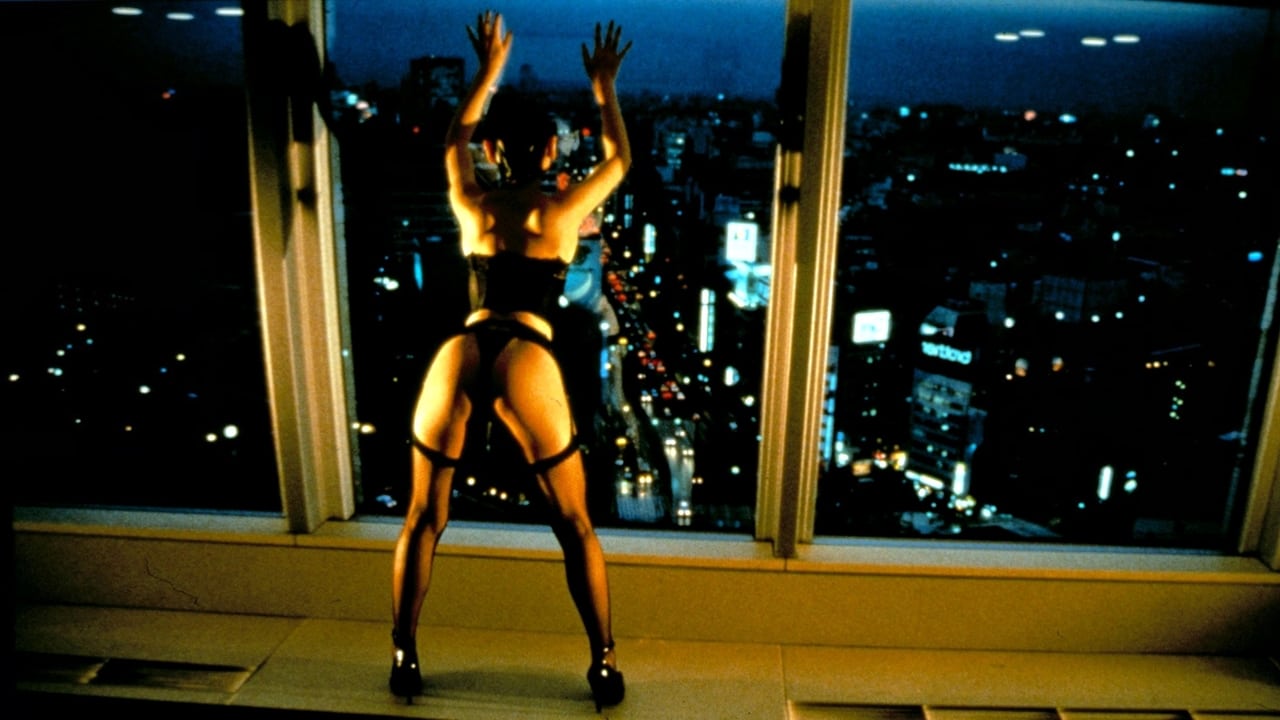
A City's Soul, Exposed
The film follows Ai (Miho Nikaido), a young woman navigating the detached, transactional world of high-end S&M call girls. Her journey isn't one of dramatic arcs or clear character growth in the traditional sense. Instead, Murakami presents a series of encounters – disturbing, bizarre, sometimes strangely tender, often degrading – that serve as vignettes exposing the hollowness beneath the city's glittering surface. We see Ai drift through luxurious apartments and sterile hotel rooms, her clients ranging from timid salarymen seeking release to powerful figures enacting elaborate, often cruel, fantasies.
What sticks with you isn't necessarily the explicit nature of these encounters, though the film certainly doesn't shy away from confronting imagery. It’s the profound sense of dislocation, the feeling that genuine human connection has become just another commodity in this hyper-capitalist landscape. Ai seeks guidance from a fortune teller, clings to a vague hope of escaping with her absent lover, and interacts with her stern madam (a chillingly pragmatic Sayoko Amano), but finds little solace. The opulence surrounding her only seems to amplify the emptiness within. This setting – late 80s/early 90s Tokyo, a period of almost hallucinatory wealth masking deep societal anxieties – isn't just a backdrop; it's an active participant in Ai's story, shaping her experiences and reflecting her internal state.
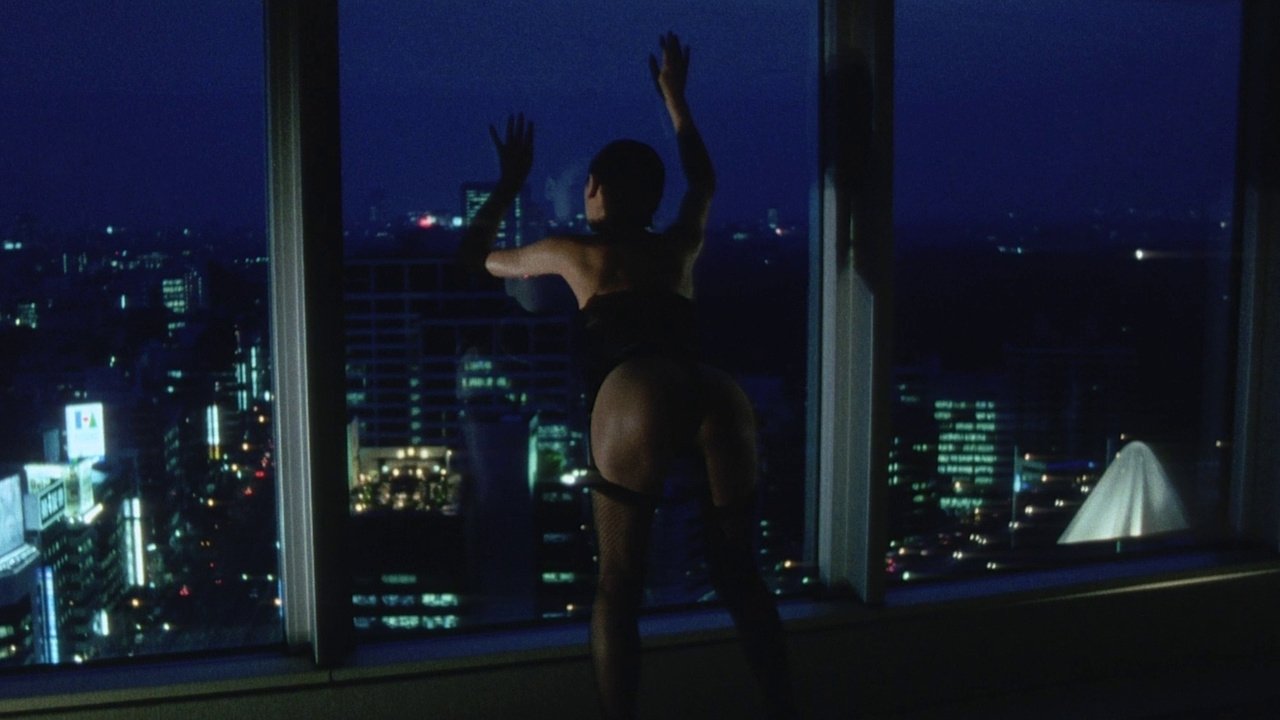
The Unflinching Gaze of Miho Nikaido
Central to the film's unsettling power is the extraordinary performance by Miho Nikaido. It’s a role that demands immense vulnerability and resilience, often simultaneously. Nikaido embodies Ai's passivity not as weakness, but as a survival mechanism, a necessary detachment from the often dehumanizing situations she endures. There's a quiet intensity in her eyes, a flicker of searching that makes her journey utterly compelling, even when the events themselves are difficult to watch. She rarely externalizes Ai's trauma, yet we feel its weight in her posture, her silences, the subtle shifts in her expression. It’s a performance devoid of melodrama, grounded in a painful authenticity that stays with the viewer long after the credits roll. One can only imagine the challenges Nikaido faced bringing such a complex and exposed character to life with such nuance.
Murakami's Uncompromising Vision

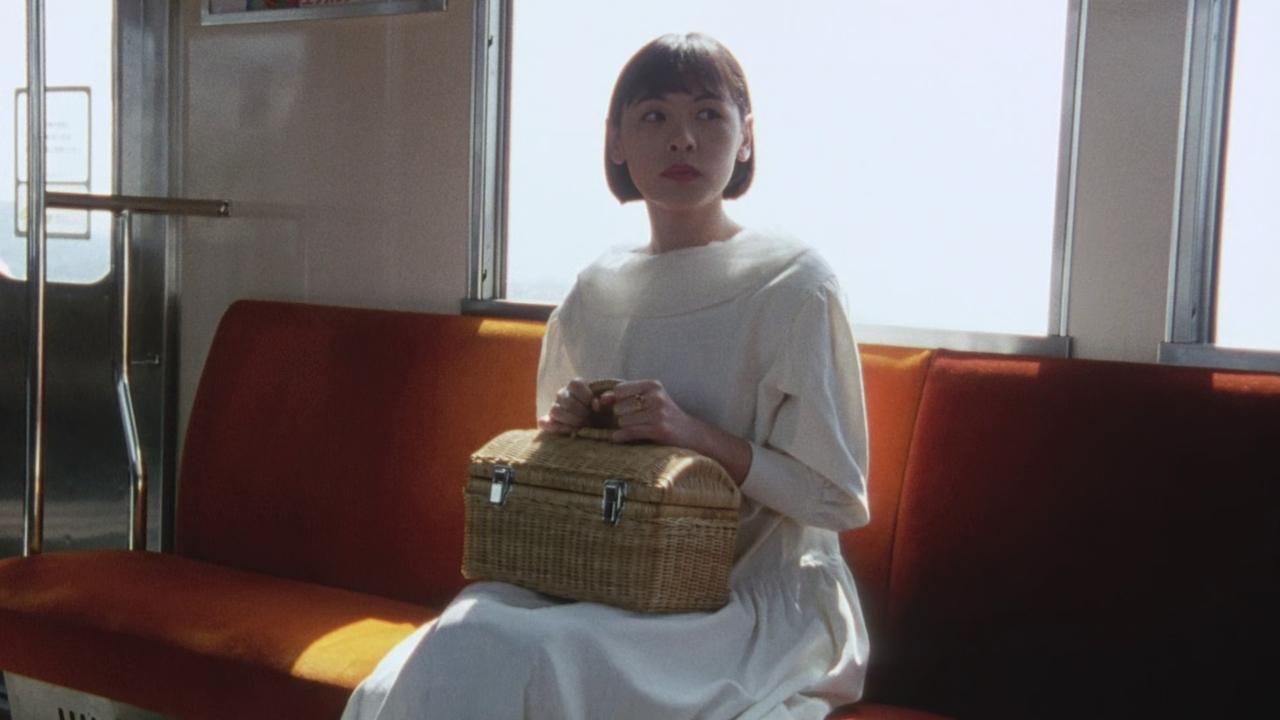
Director Ryu Murakami, adapting his own novel Topaz, brings a novelist's eye for detail and a provocateur's sensibility to the screen. He's less interested in plot mechanics than in creating a sustained mood of existential dread and exploring the darker corners of human desire. Some viewers might find the episodic structure meandering, but it effectively mirrors Ai's own drift through life, devoid of a clear destination. The film famously faced censorship issues in various countries upon release, and finding an uncut version back in the VHS days often felt like uncovering forbidden knowledge – a stark contrast to the sanitized fare dominating rental store shelves. This wasn't Pretty Woman; this was its shadow self, reflecting the transactional realities often lurking beneath romanticized narratives.
Murakami, already a celebrated and often controversial literary figure in Japan known for works like Almost Transparent Blue, uses the visual medium to amplify his themes. The cinematography often contrasts the cold, sleek interiors of wealth with the almost dreamlike, yet isolating, cityscapes Ai navigates. There’s a deliberate, almost clinical quality to the direction that forces the viewer into the position of an observer, unable to intervene but implicated nonetheless. Doesn't this detached observation mirror the societal apathy the film critiques?
More Than Just Shock Value?
Is Tokyo Decadence merely provocative for provocation's sake? I don't believe so. While undeniably explicit and often disturbing, the film uses its challenging content to pose difficult questions about identity, exploitation, and the search for meaning in a world saturated by materialism. It explores the ways individuals cope with trauma and isolation, and the often-blurred lines between power, pleasure, and pain. It’s a film that refuses easy answers or comfortable resolutions, demanding engagement on its own terms.
Thinking back, renting something like Tokyo Decadence felt different. It wasn't a casual Friday night pick. It was often a deliberate choice, perhaps sought out based on reputation or a cryptic review in a niche magazine, promising something outside the mainstream. It represented a willingness to engage with cinema that challenged, rather than just entertained.
Rating & Final Reflection
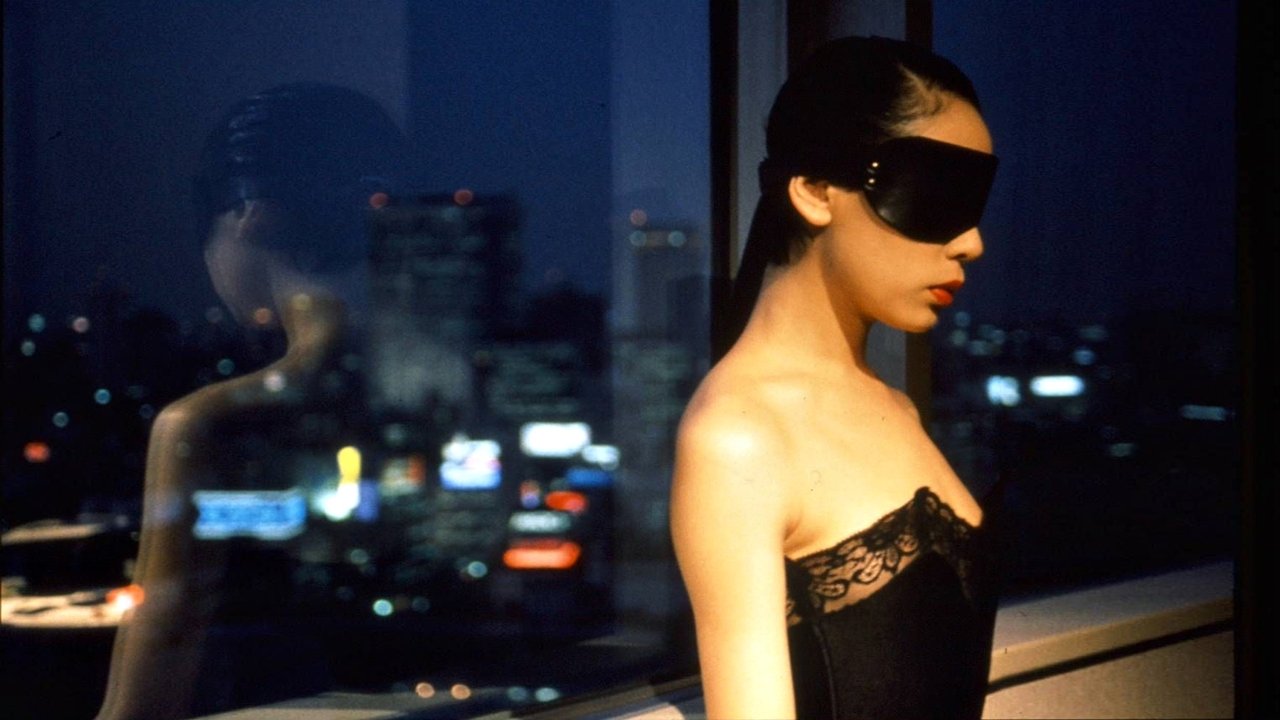
7/10 – This rating reflects the film's undeniable artistic merit, Miho Nikaido's haunting performance, and its unflinching thematic exploration, balanced against its challenging, often disturbing content and episodic nature, which may not resonate with all viewers. It earns its score through sheer audacity and the lingering power of its central portrayal of alienation.
Tokyo Decadence remains a potent, unsettling piece of 90s cult cinema. It’s not a film one easily ‘likes,’ but its uncompromising vision and Nikaido's unforgettable performance make it difficult to dismiss. It forces us to look at the uncomfortable truths hidden beneath the surface, leaving behind not a sense of satisfaction, but a profound disquiet – a question mark hanging in the neon-lit air. What does it truly mean to connect in a world that seems determined to keep us apart?