The rain never seems to stop. It drums against the windows of a decaying mansion somewhere outside Athens, a relentless percussion mirroring the psychological disintegration within. This isn't the neon glow of Miami Vice or the suburban haunts of a slasher flick; this is the monochrome dread of Nikos Nikolaidis's Singapore Sling (1990), a film that feels less watched and more endured, crawling under your skin and staying there long after the VCR clicks off. Finding this on a dusty rental shelf back in the day was like unearthing forbidden knowledge – a tape whispered about, promising something transgressive, something other.

Into the Noir Nightmare
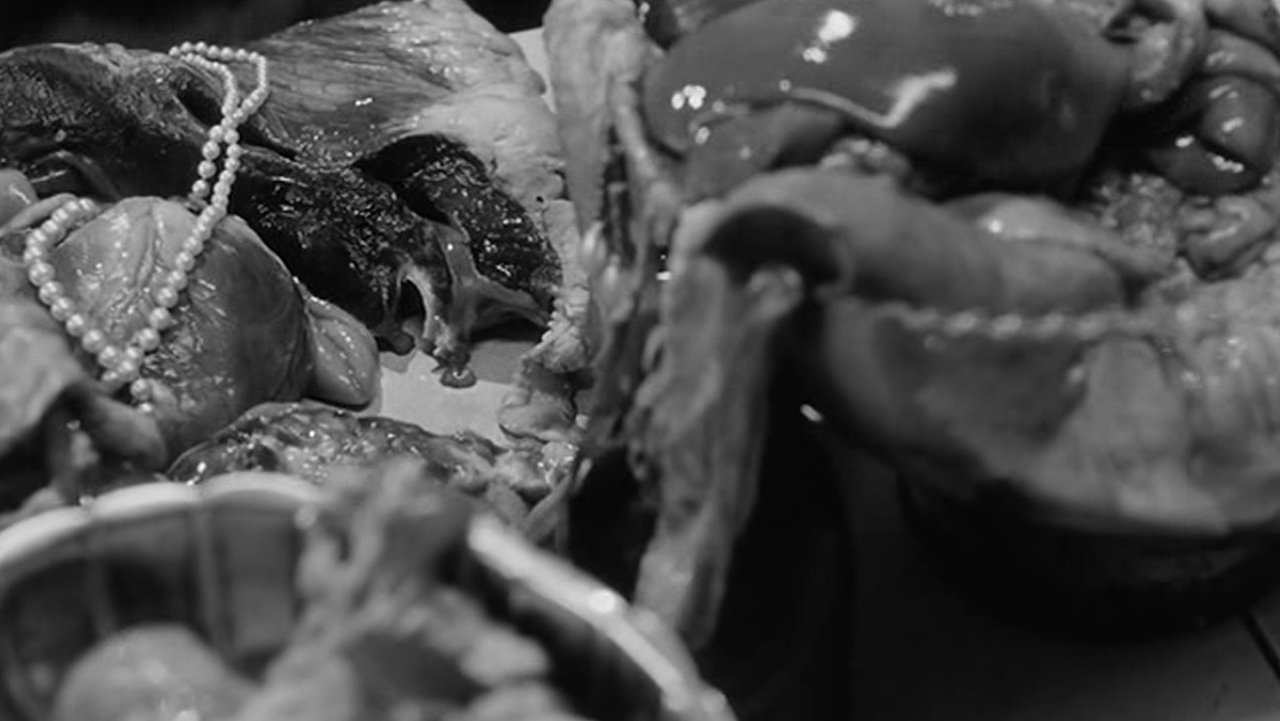
Singapore Sling presents itself, initially, as a warped film noir. We have a detective, the titular "Singapore Sling" (Panos Thanassoulis), wounded and amnesiac, searching for his lost love, Laura. He stumbles into an isolated villa inhabited by a deranged mother (Michele Valley) and her equally unhinged daughter (Meredyth Herold). They are expecting someone, perhaps him, perhaps someone else entirely. What unfolds isn't a mystery to be solved, but a descent into a perverse, claustrophobic hell of sexual obsession, psychological torture, and bodily fluids. This film is not for the faint of heart, or stomach.
Shot in stark, high-contrast black and white, the film immediately evokes classic noir, but Nikolaidis weaponizes the aesthetic. Shadows don't just conceal; they suffocate. The immaculate, yet decaying, interiors become a prison, reflecting the characters' trapped psyches. There's a story, perhaps apocryphal but fitting, that Nikolaidis kept his actors largely confined to the oppressive set during the shoot, aiming to bleed the location's atmosphere directly into their performances. Whether true or not, the palpable sense of confinement and escalating madness feels disturbingly authentic. The constant, artificial rain outside the windows – a simple but incredibly effective atmospheric tool – adds to the feeling of inescapable gloom.
Games People Play (When They're Utterly Broken)
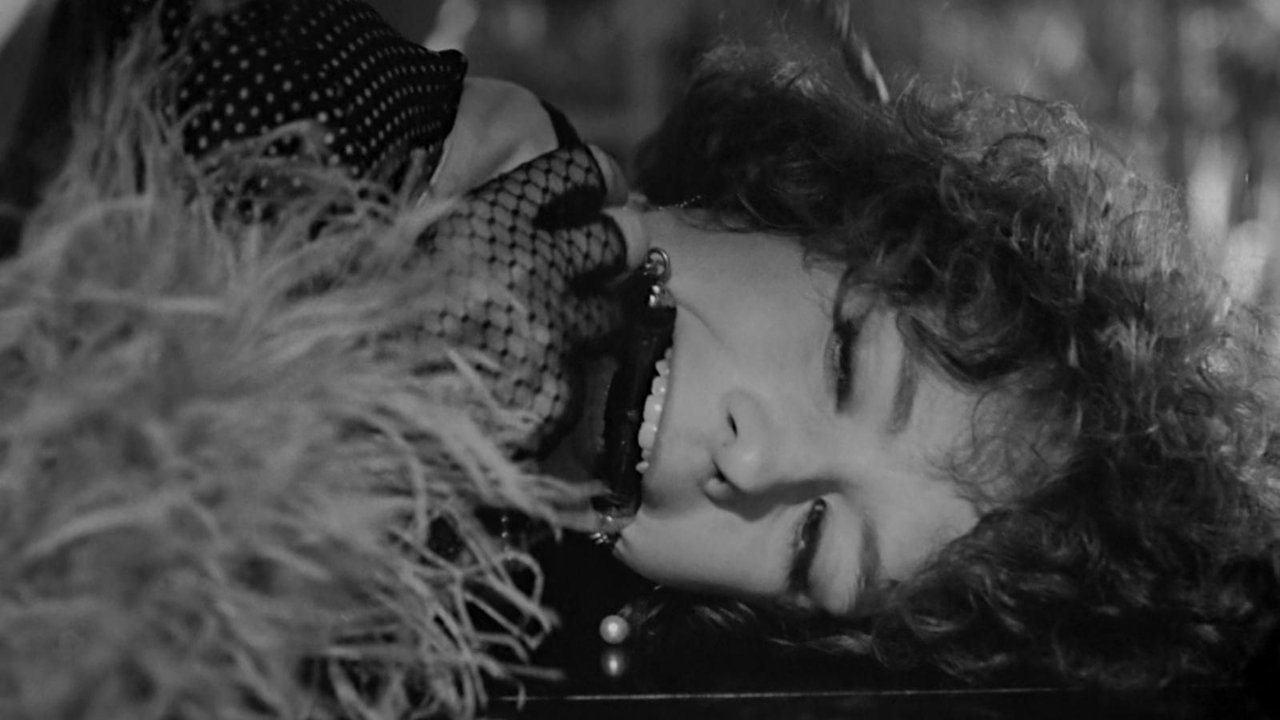
The mother and daughter duo are the film's corrosive center. Their relationship is a toxic brew of codependency, rivalry, and shared psychosis. They ensnare the detective, less out of malice (though there's plenty of that) and more out of a desperate, diseased need for stimulation and control in their self-imposed exile. They subject him to bizarre interrogations, sexual humiliations, and unsettlingly intimate acts, all while playing out their own warped power games. Meredyth Herold, in particular, delivers a performance of unnerving intensity as the daughter, swinging between childlike vulnerability and predatory menace. You watch her, fascinated and repulsed, wondering just how deep the damage goes. Did discovering her performance feel like stumbling upon something genuinely dangerous back then?
Nikolaidis himself, a unique and often controversial figure in Greek cinema known for films like Euridice BA 2037 (1975) and Sweet Bunch (1983), described Singapore Sling as the final part of his loose "Years of Cholera" trilogy, exploring societal decay and existential despair. He wasn't just making an exploitation film; he was crafting a bleak, philosophical statement using the language of exploitation and noir. The graphic content – and it is often shockingly graphic, pushing boundaries even for late-night VHS fare – serves this vision, depicting humanity stripped bare, reduced to primal urges and base fluids. It’s rumored that securing distribution, even in the less restrictive climate of the time, was a challenge, with many finding the film simply too extreme.


An Unforgettable Stain
The sound design is crucial, amplifying the discomfort. Whispers, screams, the incessant rain, bodily noises – it’s an intimate and violating soundscape. The film often feels like a fever dream, punctuated by moments of shocking violence or perverse tenderness that blur the lines between horror, psychodrama, and pitch-black comedy (though any laughs are likely to catch in your throat). It’s a film that confronts the viewer, daring you to look away but compelling you to witness the depths of its characters' depravity.
The "Singapore Sling" detective, despite being the ostensible protagonist, becomes almost a blank slate, an object upon which the women project their desires and frustrations. His search for "Laura" becomes a hollow echo, a forgotten purpose in the face of the immediate, overwhelming reality of the mansion. It’s a brutal subversion of the heroic noir detective trope.
Retro Fun Facts
- The film's title, "Singapore Sling," refers not just to the cocktail but also evokes a sense of exotic, dangerous allure, fitting the warped femme fatale dynamic.
- Nikos Nikolaidis often worked with low budgets, forcing creative solutions. The stark black-and-white cinematography wasn't just an aesthetic choice; it was also a practical one, often cheaper and allowing for more control over the mood with limited lighting resources.
- Despite its confrontational nature, the film won Best Director and Best Actress (Meredyth Herold) at the Thessaloniki Film Festival in 1990, indicating recognition of its artistic merit amidst the controversy.
***
Singapore Sling is not a film you "enjoy" in the conventional sense. It’s an ordeal, an immersion into profound darkness. It’s arthouse extremity filtered through a grimy VHS lens, a challenging piece of cinematic transgression that uses the tropes of noir to explore the bleakest corners of the human psyche. It’s brilliantly crafted, visually arresting, and utterly unforgettable, precisely because it is so deeply unsettling. For the adventurous viewer digging through the cult corners of the video store era, finding this felt like hitting a nerve. It remains a potent and disturbing experience, a testament to Nikolaidis's uncompromising vision.
Rating: 8/10 – This score reflects its power as a piece of challenging, atmospheric filmmaking and its status as a notorious cult object. It's technically masterful in achieving its bleak aims, visually striking, and features unforgettable performances. However, its extreme content and relentlessly oppressive tone make it inaccessible and deeply unpleasant for many viewers, preventing a higher score based on broader appeal. It's a must-see for connoisseurs of cinematic extremity, but casual viewers should approach with extreme caution.
Final Thought: Some tapes left a sticky residue of unease long after ejection; Singapore Sling felt like it could permanently stain your VCR heads – and your soul.