It arrived like a gaudy supernova, burning bright and then spectacularly imploding upon arrival in 1995. Forget hushed reverence; Showgirls landed with the subtlety of a sequined sledgehammer, promising adult thrills and delivering… well, something else entirely. Legend has it the whole lurid affair began with writer Joe Eszterhas (fresh off the succès de scandale Basic Instinct) sketching the outline on a cocktail napkin during lunch with director Paul Verhoeven. That napkin, apparently soaked in ambition and maybe something stronger, ultimately netted Eszterhas a staggering initial $2 million, paving the way for one of the most debated, derided, and bizarrely beloved films of the decade. Strap in, folks. This isn't just a movie; it's a rhinestone-encrusted cultural artifact.
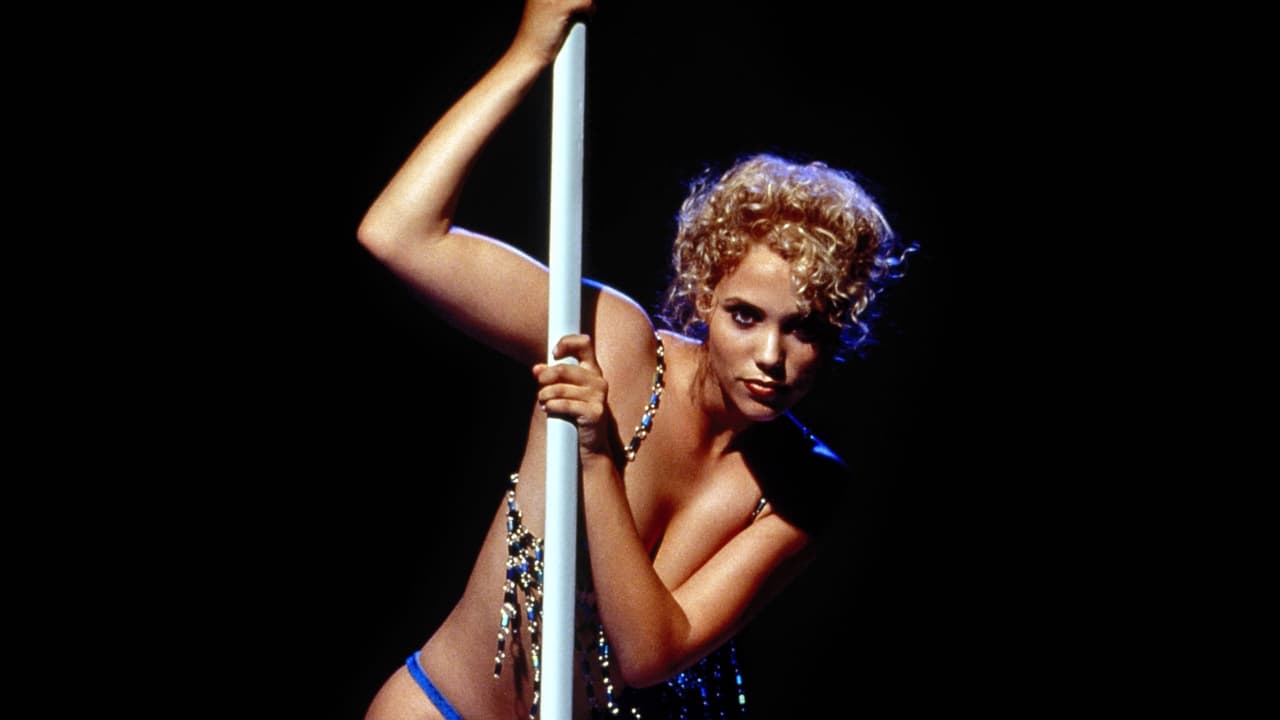
Welcome to Vegas, Baby?
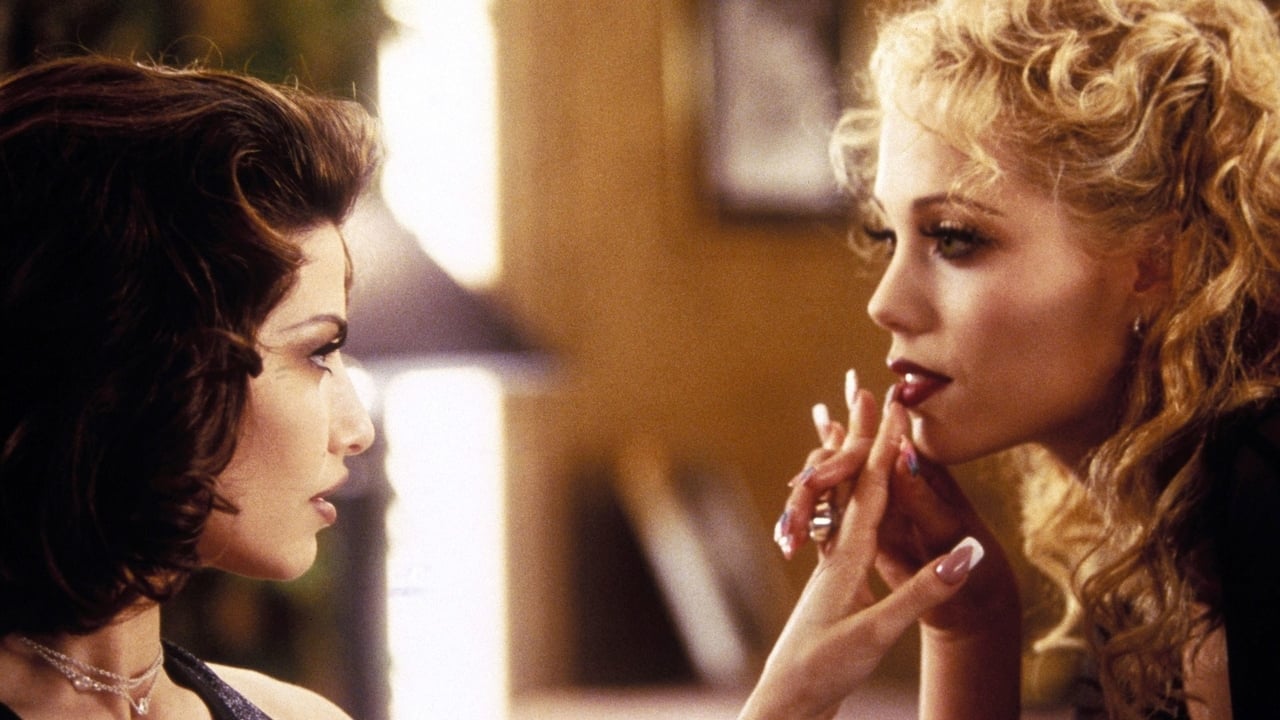
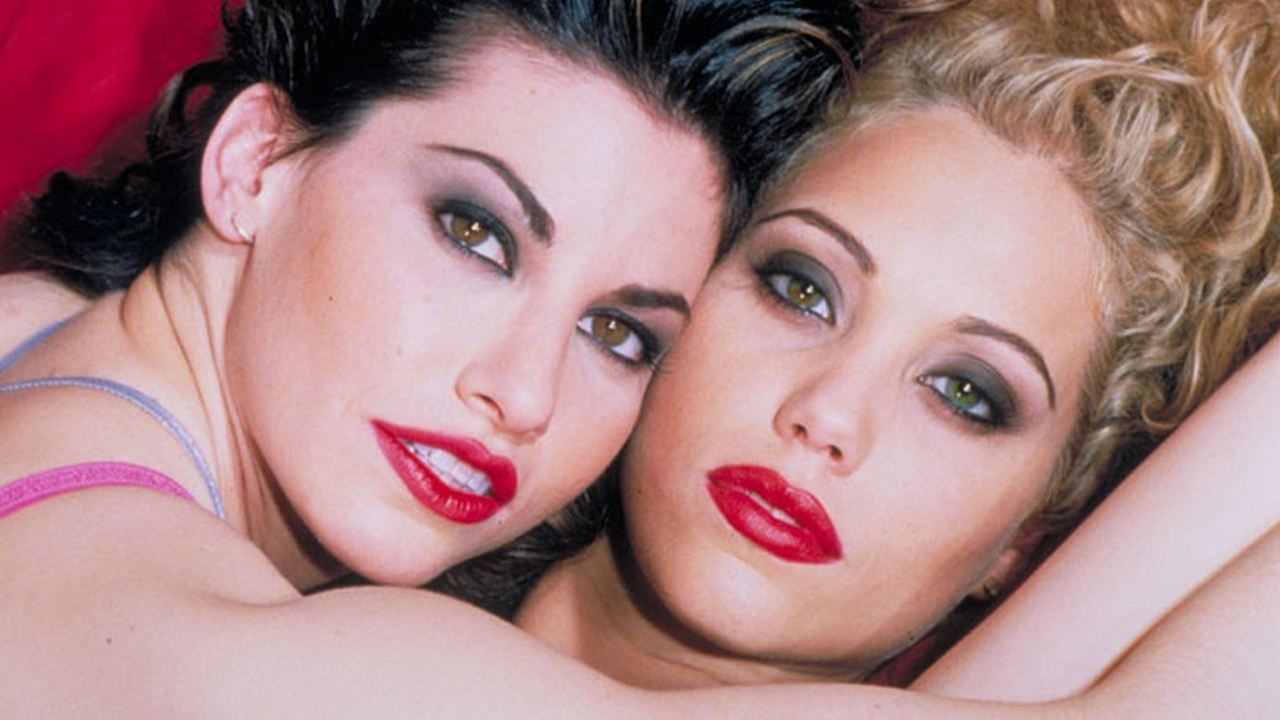
The premise is pure pulp: wide-eyed, fiercely ambitious Nomi Malone (Elizabeth Berkley) hitchhikes to Las Vegas with dreams of dancing her way to the top of the casino showgirl hierarchy. She’s got talent (sort of?), attitude (definitely!), and a mysterious past involving things like "different places." Standing in her way are the reigning queen bee Cristal Connors (Gina Gershon, radiating pure vampy menace) and Cristal's powerful entertainment director boyfriend, Zack Carey (Kyle MacLachlan, looking perpetually bemused). What follows is a dizzying spiral of backstabbing, ambition, questionable dance routines, and dialogue so exquisitely awful it achieves a kind of accidental poetry. "I'm not a whore," Nomi insists at one point, before demonstrating skills that suggest… versatility.
Verhoeven's Velvet Hammer
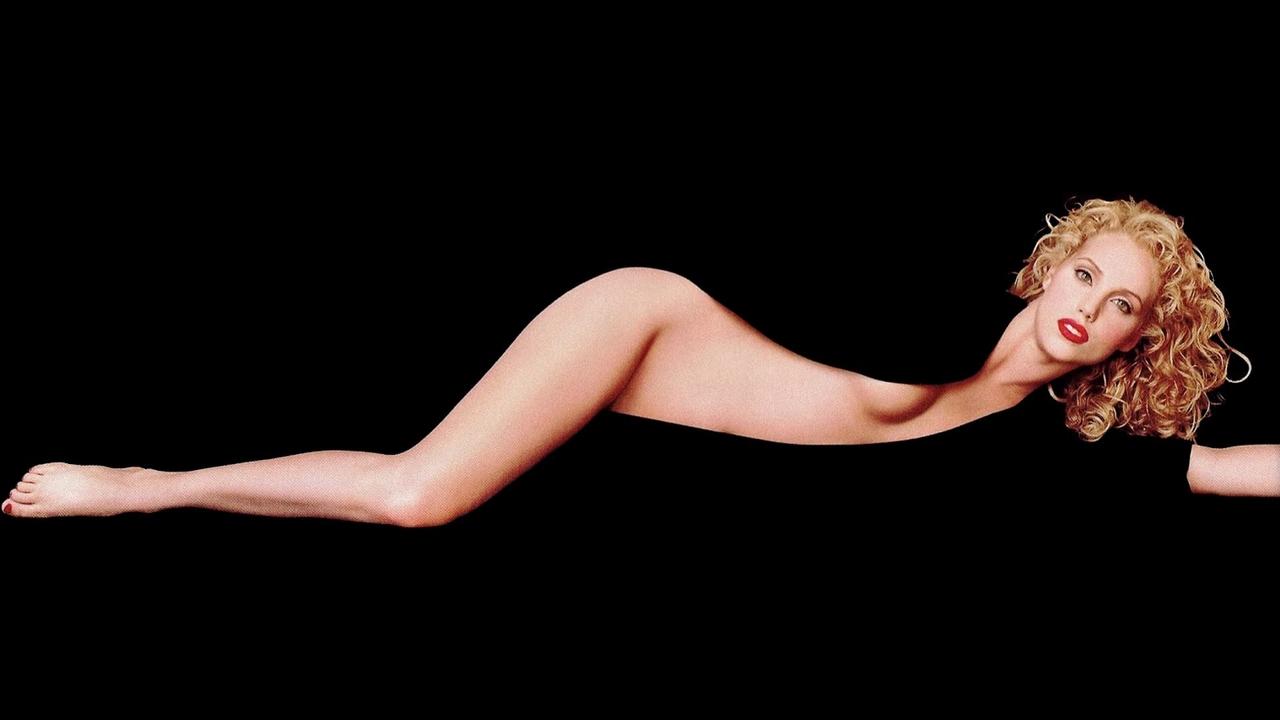
Handing this script to Paul Verhoeven felt like giving Hieronymus Bosch a commission to paint a centerfold. The Dutch maestro, known for his hyper-violent, satirical, and often sexually charged works like RoboCop and Total Recall, attacks the material with his trademark slick visuals and unflinching gaze. But is Showgirls a cunning satire of the vacuousness of fame and the American Dream, as Verhoeven has sometimes claimed? Or is it just a profoundly misguided attempt at erotic drama that tripped over its own stilettos? The line blurs constantly. Verhoeven brings a technical proficiency – the staging, the lighting, the sheer look of the film is polished – but it often feels like he’s meticulously crafting scenes of utter absurdity. It’s a testament to his unique character that Verhoeven actually showed up in person to accept his Golden Raspberry Award for Worst Director, a rare and rather sporting move.
The Girl Who Danced Too Much
Let's talk about Nomi. Elizabeth Berkley, desperately trying to break free from her squeaky-clean Saved by the Bell image, throws absolutely everything she has into the role. It's a performance of astonishing physical commitment and wild-eyed intensity that veers dramatically between genuinely affecting vulnerability and moments of acting so broad they feel beamed in from another dimension (the infamous "Thrust it!" scene, anyone?). Landing the role was reportedly a huge coup for Berkley after numerous bigger names allegedly shied away due to the explicit content and potential career fallout; Verhoeven saw something compelling in her audition tape for another project entirely. Watching her now, knowing the storm that awaited, adds a layer of uncomfortable meta-commentary. Gina Gershon, conversely, seems perfectly aware of the movie she’s in, slinking through scenes with predatory grace and delivering her lines with a delicious, knowing archness. Kyle MacLachlan, fresh off Twin Peaks, often just seems happy (or perhaps contractually obligated) to be there, a stabilizing presence amidst the escalating hysteria.
A Spectacle of Skin and Spandex
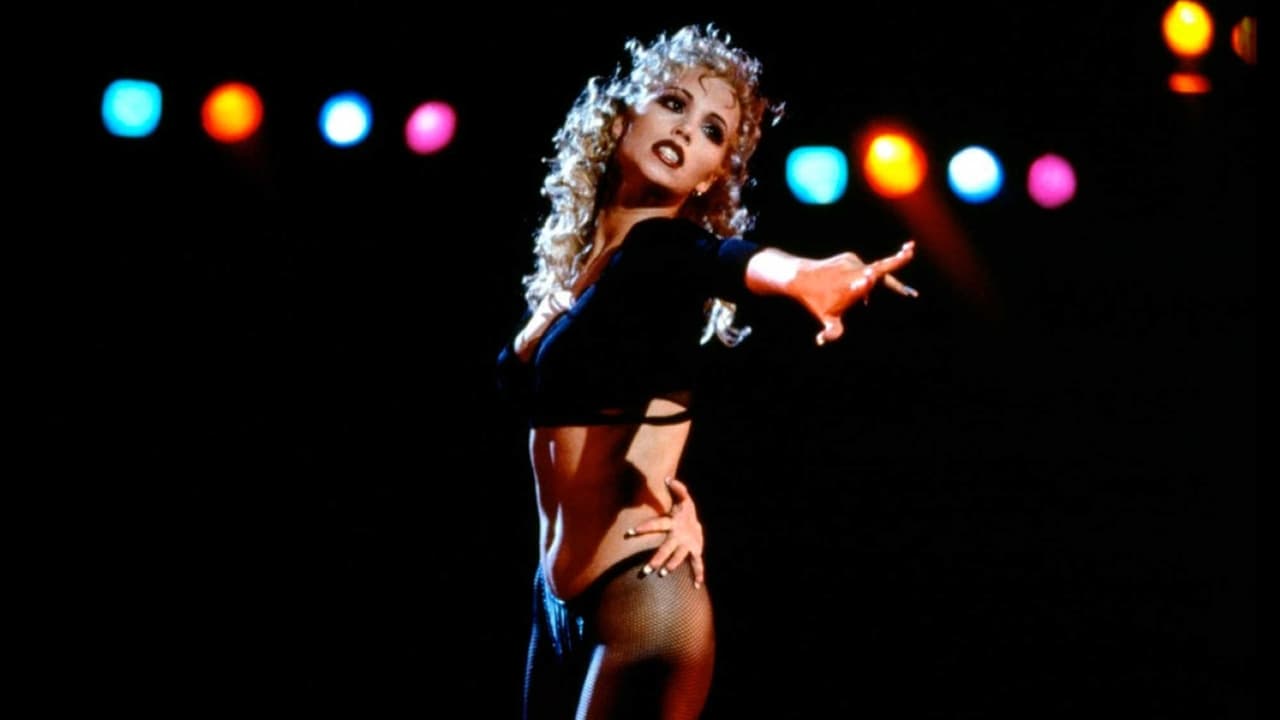
Showgirls didn't just flirt with controversy; it French-kissed it while wearing nipple tassels. The film proudly embraced its NC-17 rating, a decision that severely hampered its box office potential ($20 million gross against a hefty $45 million budget – roughly $85 million today) and scared off many mainstream advertisers and theaters. But Verhoeven and Eszterhas seemed determined to push boundaries, resulting in sequences like the notoriously spastic poolside coupling that cemented the film's camp reputation. The sheer excess extends to Ellen Mirojnick's costumes – a parade of glitter, feathers, and strategically placed fabric that perfectly captures the specific brand of Vegas theatricality, often tipping gloriously into the absurd. It’s a visual feast, even if you’re not entirely sure what you’re consuming.
From Punchline to Cult Phenomenon
Crushed by critics and ignored by audiences upon release, Showgirls could have easily faded into obscurity. But then, something magical happened – the VHS tape. Passed around, watched at parties, screened at midnight showings, the film found a second life not despite its flaws, but because of them. It became the ultimate "so bad it's good" experience, a communal ritual of quoting terrible lines ("Everybody got AIDS and shit!") and marveling at its sheer, unadulterated strangeness. Is it misunderstood art? Probably not. Is it unintentionally hilarious and endlessly fascinating? Absolutely.
Rating: 5/10
Let's be brutally honest: judged by conventional metrics of good filmmaking – believable plot, nuanced characters, subtle dialogue – Showgirls fails spectacularly. The script is often atrocious, the tone veers wildly, and some performances are legendary for the wrong reasons. However, awarding it a lower score feels wrong. For sheer audacity, unintentional comedic genius, Gina Gershon's iconic turn, Paul Verhoeven's baffling commitment, and its undeniable status as a cult masterpiece of high-gloss trash, it earns points. It's a film that delivers an experience, albeit a bizarre one, that few others can replicate. Its entertainment value, particularly viewed with the right mindset (and maybe a few friends), is undeniable, even if derived from its spectacular missteps.
Showgirls remains a singular, shimmering, slightly sticky landmark in 90s cinema – the kind of glorious disaster you could only truly discover late at night, perhaps on a slightly worn-out tape, wondering just what in the glittering hell you were witnessing. And honestly? We wouldn't have it any other way.