There's a quiet magic woven into the fabric of Benny & Joon, a film that arrived on video store shelves in 1993 feeling both comfortingly familiar and refreshingly peculiar. It doesn't shout its themes from the rooftops; instead, it whispers them through stolen glances, shared eccentricities, and the delicate dance of unconventional love. Watching it again now, decades removed from that first rental (I distinctly remember the slightly worn clamshell case), the film retains a unique charm, prompting reflection on how we define 'normalcy' and where genuine connection can unexpectedly blossom.

An Unlikely Trio in Spokane
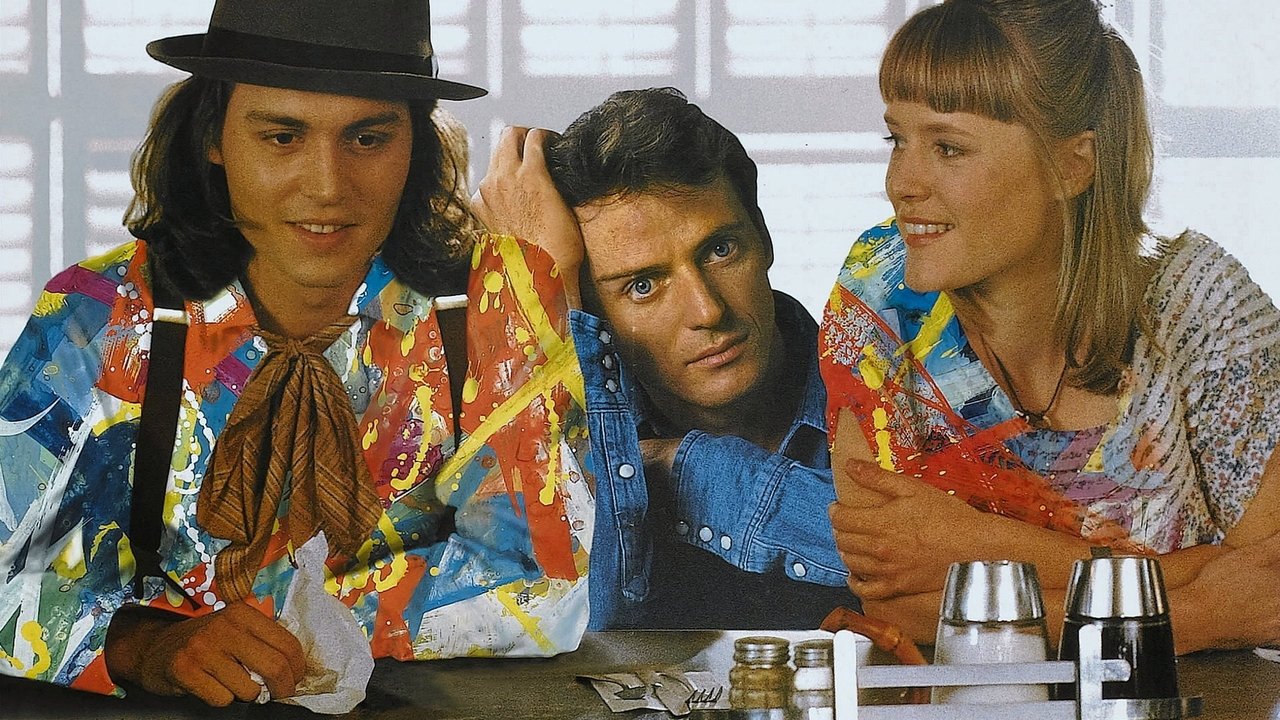
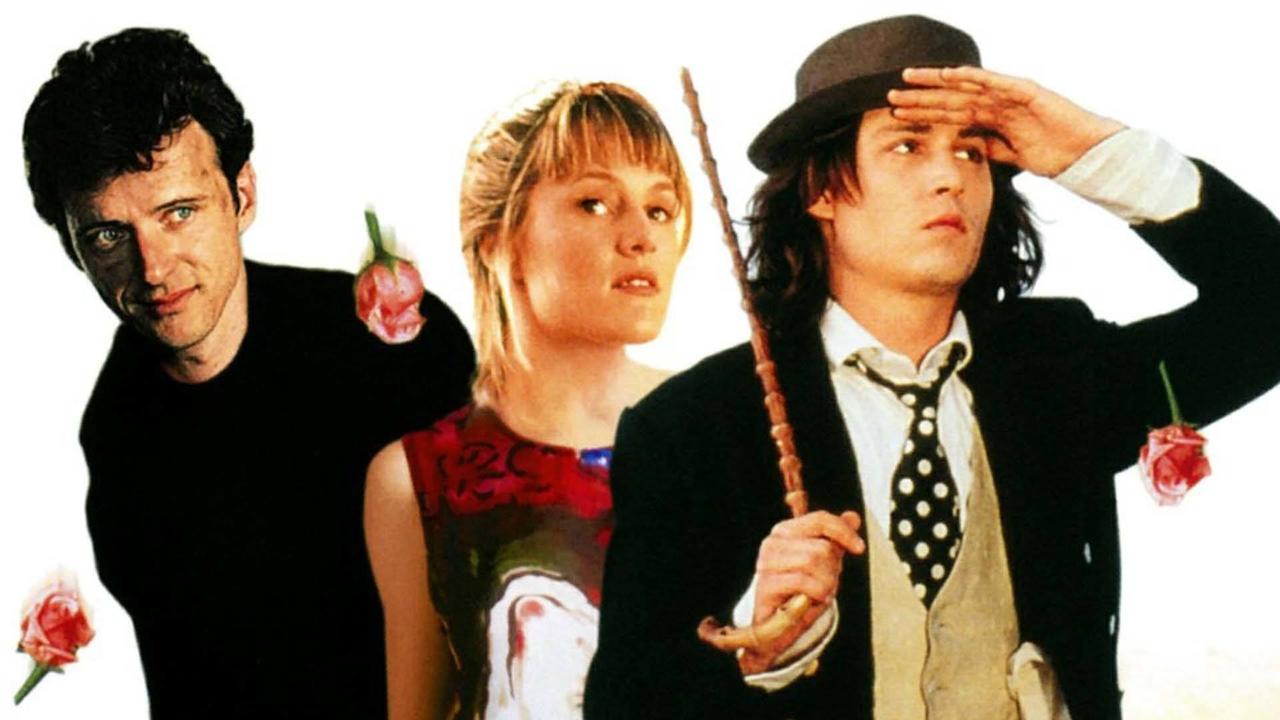
We're introduced to Benny Pearl (Aidan Quinn) and his sister, Juniper, known as Joon (Mary Stuart Masterson). They reside in a cozy corner of Spokane, Washington, living a life dictated by Joon's mental illness – never explicitly named, but presenting with erratic behaviour, sensory sensitivities, and moments of profound disconnect. Benny is her devoted caregiver, his own life perpetually on hold, cycling through housekeepers who inevitably flee Joon's intense episodes. Quinn portrays Benny with a palpable weariness, the love for his sister warring constantly with the suffocating weight of responsibility. It's a grounded performance that anchors the film's more whimsical flights of fancy.
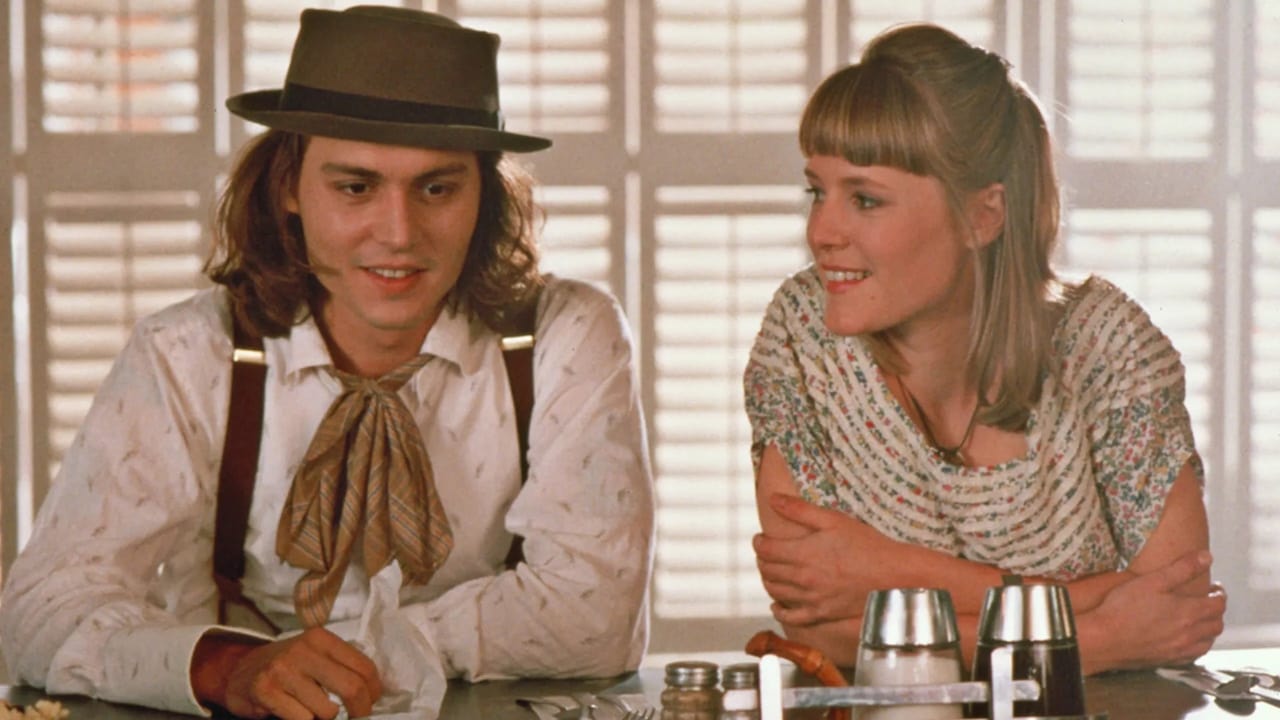
Into this carefully managed, fragile world tumbles Sam (Johnny Depp), quite literally won by Benny in a poker game as a form of eccentric housekeeping help. Sam is… different. Largely non-verbal initially, he communicates through mimicry, physical comedy homages to silent film legends like Buster Keaton and Charlie Chaplin, and an innate, almost childlike sweetness. He doesn't see Joon's illness as a barrier, but perhaps as simply another language to learn.
A Masterclass in Physicality and Vulnerability
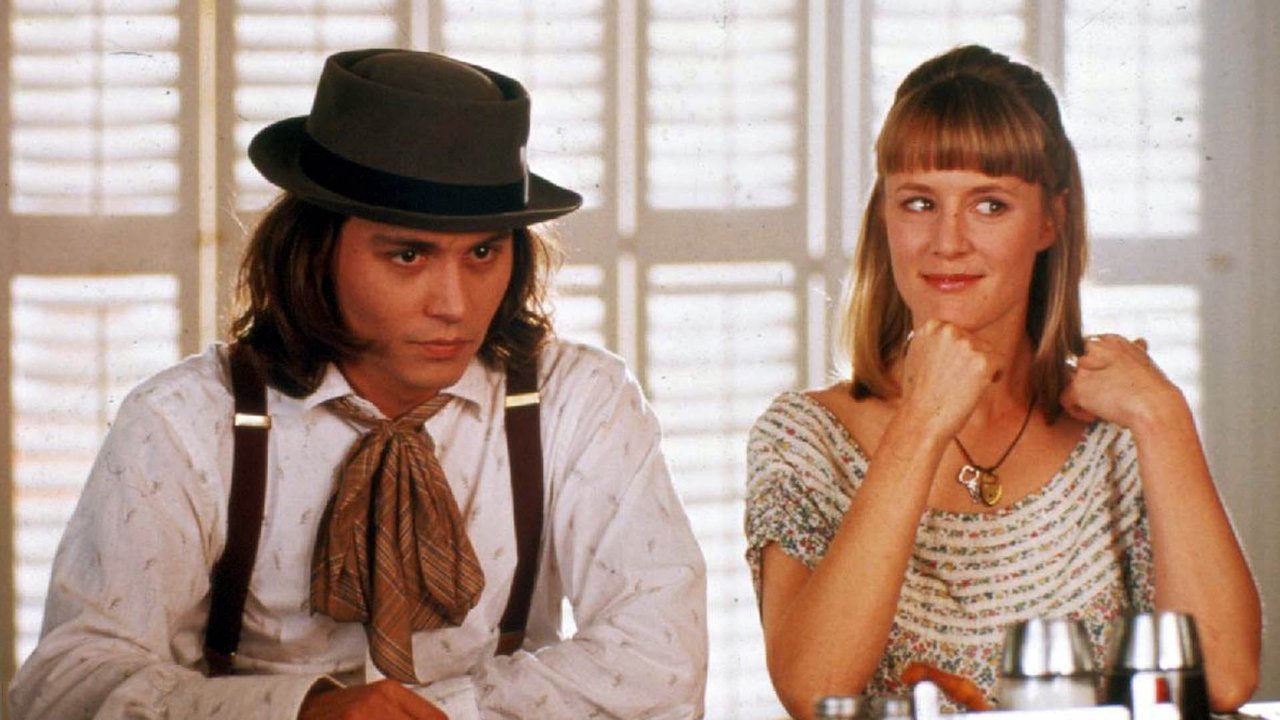
It's impossible to discuss Benny & Joon without focusing on the performances, particularly Depp and Masterson. Coming off the gothic fairytale of Edward Scissorhands (1990), Depp solidified his reputation for taking unconventional roles. He reportedly threw himself into studying Keaton and Chaplin, mastering routines like the delightful dinner roll dance performed with forks. That charmingly absurd scene where Sam makes grilled cheese sandwiches using a clothing iron? Apparently, that was Depp's own improvised touch, a perfect little moment encapsulating Sam's blend of practicality and whimsy. It’s a performance built on physicality and expressive eyes, conveying volumes without dialogue. While stars like Woody Harrelson and Laura Dern were apparently considered for the lead roles, it's hard now to imagine anyone else capturing Sam's specific blend of otherworldly innocence and deep empathy.
Equally captivating is Mary Stuart Masterson as Joon. She resists the temptation to play Joon as merely a collection of tics. Instead, she crafts a portrait of a young woman brimming with artistic talent (her paintings are vibrant expressions of her inner world) and a fierce intelligence, trapped within the confines of her condition. Masterson researched her role diligently, and it shows in the subtle shifts in Joon's demeanor, the vulnerability in her eyes, and the quiet frustration simmering beneath the surface. The tentative, burgeoning romance between Sam and Joon feels authentic precisely because these two actors commit so fully to their characters' unique ways of seeing and interacting with the world.
Love, Acceptance, and the Quirky Heart
Director Jeremiah S. Chechik, perhaps more widely known for the raucous comedy of National Lampoon's Christmas Vacation (1989), adopts a gentler, more observational style here. He allows the film's quirky heart to beat steadily, balancing the melancholic undercurrents of Joon's illness and Benny's burden with moments of genuine warmth and humor. The film walks a fine line in its portrayal of mental illness; some contemporary viewers might find it occasionally romanticizes the condition. Yet, its core message remains powerful: the plea for acceptance, the idea that love doesn't require conformity, and the celebration of finding connection in the most unexpected ways. It asks us, gently, who gets to decide what constitutes a 'normal' life or a 'valid' relationship?
One can't forget the film's auditory signature: "I'm Gonna Be (500 Miles)" by The Proclaimers. It’s fascinating trivia that this incredibly catchy song, originally released in the UK in 1988, didn't achieve massive popularity in the US until Benny & Joon blasted it across cinema screens and VCRs five years later. Hearing it instantly transports you back, doesn't it? It became synonymous with the film's optimistic, slightly off-kilter spirit. The film itself, made for a modest $11 million, found a receptive audience, proving there was an appetite for character-driven stories that dared to be different.
Still Glowing After All These Years
Rewatching Benny & Joon today feels like revisiting an old friend, one whose quirks you know well but still find endearing. It’s a film that could easily have tipped into sentimentality or caricature, but the sincerity of the central performances, particularly from Masterson and Depp, keeps it grounded. Quinn provides the necessary emotional weight, and Julianne Moore offers warm support as Ruthie, the understanding actress who offers Benny a glimpse of a life beyond caregiving.
It’s not a perfect film; the resolution might feel a touch neat for some. But its gentle spirit, its championing of the unconventional, and its genuinely moving exploration of love found against the odds give it an enduring appeal. It was a standout on the video store shelf, nestled perhaps between louder action flicks and broader comedies, offering something quieter, sweeter, and ultimately more resonant.
Rating: 8/10
This score reflects the film's undeniable charm, the strength of its central performances (especially Depp's iconic physical comedy and Masterson's nuanced portrayal), and its heartfelt exploration of love and acceptance. While the handling of mental illness might invite discussion, the film's warmth and unique spirit earn it high marks. It remains a lovely, quirky gem from the early 90s.
What lingers most, perhaps, is the quiet understanding that passes between Sam and Joon – a connection forged not in spite of their differences, but because of them. And isn't finding someone who truly sees you, in all your unique complexity, what we're all hoping for?