Here we go again, pulling another gem from the archives here at VHS Heaven. This time, it’s a tape that, for many of us discovering anime in the 90s beyond the usual action fare, felt like something… different. We’re talking about Mamoru Oshii’s 1993 masterpiece, Patlabor 2: The Movie. If you came expecting the sometimes-goofy camaraderie and relatively straightforward police procedural of the earlier Patlabor series or even the solid first movie (Mamoru Oshii also directed Patlabor: The Movie in 1989), this one likely hit you with the force of a geopolitical thriller smuggled inside a giant robot wrapper.
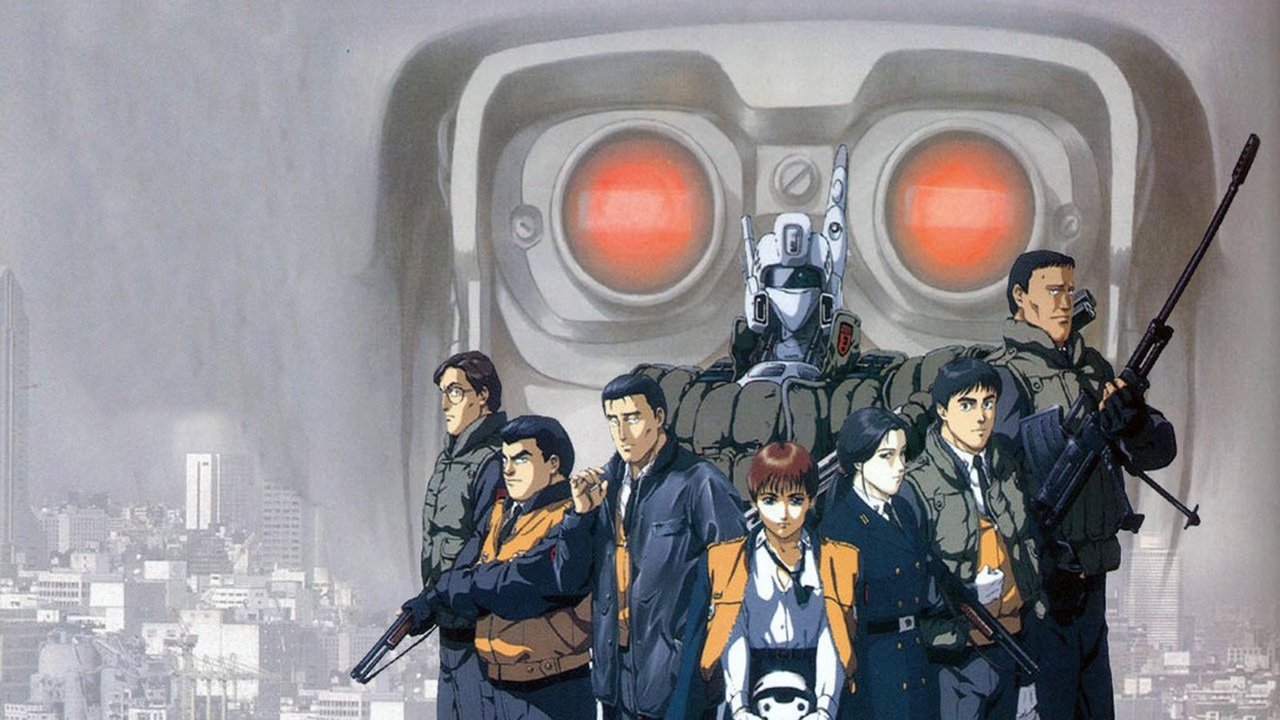
A Chill Over Tokyo
What strikes you immediately, revisiting Patlabor 2 after all these years, isn't the mecha action – though it’s present and expertly handled. No, it’s the quiet. The pervasive sense of unease that settles over Tokyo like a winter fog. Oshii masterfully uses stillness and meticulously detailed cityscapes not just as backdrops, but as characters in themselves. The film opens not with a bang, but with an eerie calm before the storm – a UN peacekeeping mission gone wrong, foreshadowing the manufactured conflict about to engulf Japan. Then comes the Yokohama Bay Bridge bombing, a sequence handled with chilling realism, setting a tone far removed from the usual anime spectacle. This isn't about heroism; it's about the fragility of peace and the shadowy forces manipulating it.
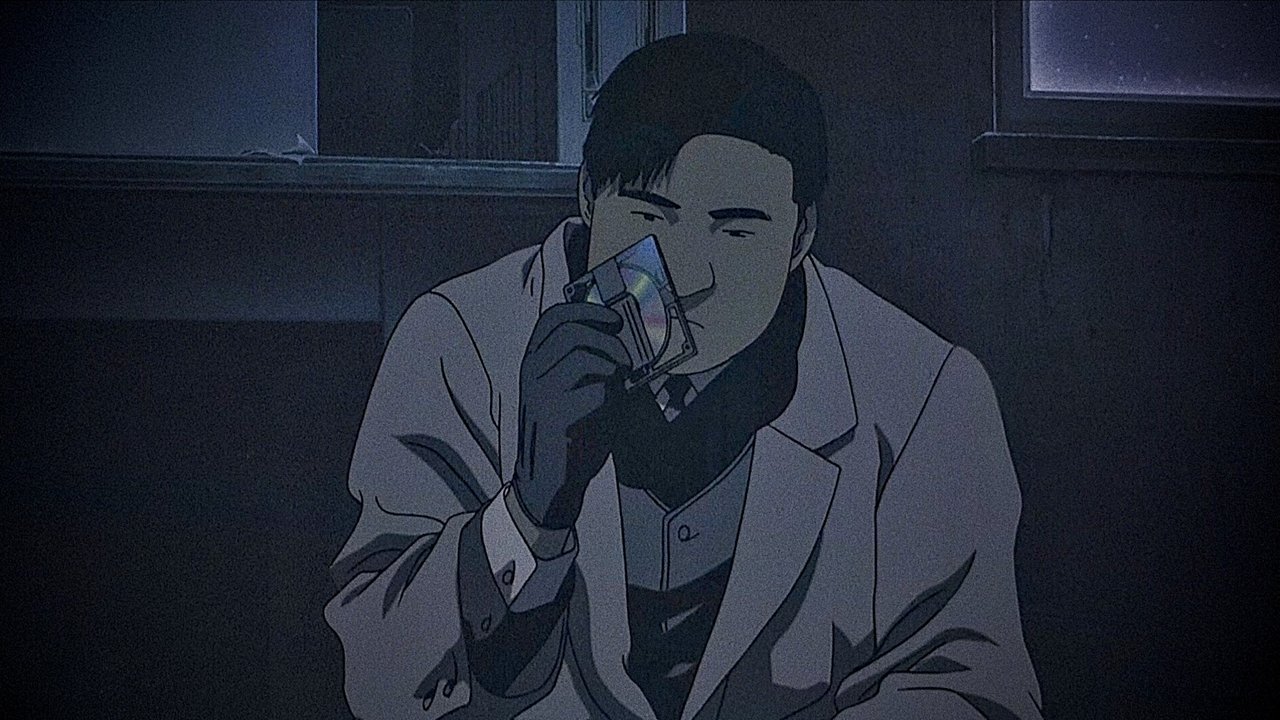
The plot unfurls like a slow-burn conspiracy: a series of staged terrorist incidents push Japan towards martial law, seemingly orchestrated by a shadowy figure connected to the pasts of Section 2 stalwarts Captain Kiichi Gotoh (Ryûnosuke Ôbayashi) and Detective Matsui. It becomes clear that the true conflict isn't between Patlabors and rogue agents, but a deeper ideological struggle questioning Japan's post-war identity and its reliance on a peace perceived as artificial – a "false peace" maintained by forgetting the costs of war. Remember tracking down those Manga Entertainment VHS tapes? Finding this one, with its complex political maneuvering and philosophical weight, felt like uncovering a secret history, a far cry from the more accessible mecha shows often found on rental shelves.

Oshii's Vision Takes Flight
This film marks a significant evolution in Mamoru Oshii’s style, laying the groundwork for his later iconic work, Ghost in the Shell (1995). He deliberately sidelines the more traditional protagonists like Noa Izumi (Mîna Tominaga) and Asuma Shinohara (Toshio Furukawa) for much of the runtime, focusing instead on the weary but astute Captain Gotoh and the grounded detective work of Matsui. This shift allows the film to delve into its complex themes without being constrained by typical anime archetypes. The voice acting throughout is superb, conveying the gravity and anxiety of the situation with understated realism – Gotoh’s weary sighs and measured tones speak volumes.
Oshii’s direction is patient, almost meditative. He employs long takes, focusing on environmental details – falling snow, reflections in puddles, the imposing architecture of a near-future Tokyo that feels unsettlingly familiar. The animation, by the legendary Production I.G, is stunning for its time, prioritizing realism in movement, technology, and atmosphere over flashy exaggeration. A fascinating bit of trivia: Oshii and his team conducted extensive research into modern military hardware, tactics, and JSDF (Japan Self-Defense Forces) procedures to lend the escalating conflict an unnerving authenticity. This wasn’t just sci-fi; it felt disturbingly plausible, reflecting real-world anxieties simmering beneath the surface in the early 90s post-Cold War landscape.
More Than Just Giant Robots
Where the first Patlabor movie was a tightly plotted disaster/mystery film, Patlabor 2 transcends genre expectations. It’s a political thriller, a philosophical treatise, and a character study rolled into one. The central antagonist, Tsuge, isn't a moustache-twirling villain but a disillusioned idealist whose methods are monstrous but whose critique of societal complacency resonates uncomfortably. The film asks profound questions: What is the true price of peace? Can a nation built on deliberate amnesia truly be secure? How easily can fear be weaponized to erode freedom? These aren’t questions you typically pondered while rewinding a VHS tape on a Saturday night, but Patlabor 2 forces the confrontation.
The infrequent mecha deployments are treated not as heroic set pieces, but as terrifying escalations within a tense military standoff. The sequence where Section 2's Patlabors are trapped in the underground tunnels, facing down heavily armed military units, is a masterclass in suspense, highlighting their vulnerability and the terrifying reality of state power turned inward. It’s a far cry from simply stopping a rampaging construction Labor. Oshii even manages to sneak in his signature basset hound cameo, a brief moment of visual familiarity amidst the escalating tension.
A Legacy of Unease
Patlabor 2 stands as a high watermark for mature anime storytelling. It dared to be slow, complex, and politically charged, trusting its audience to engage with challenging ideas. While perhaps less immediately accessible than its predecessor or the TV series, its depth, atmosphere, and intellectual rigor grant it enduring power. It’s a film that rewards patience and contemplation, leaving you with a sense of disquiet long after the credits roll. It proved that anime could tackle complex real-world issues with nuance and artistry, paving the way for other sophisticated works.
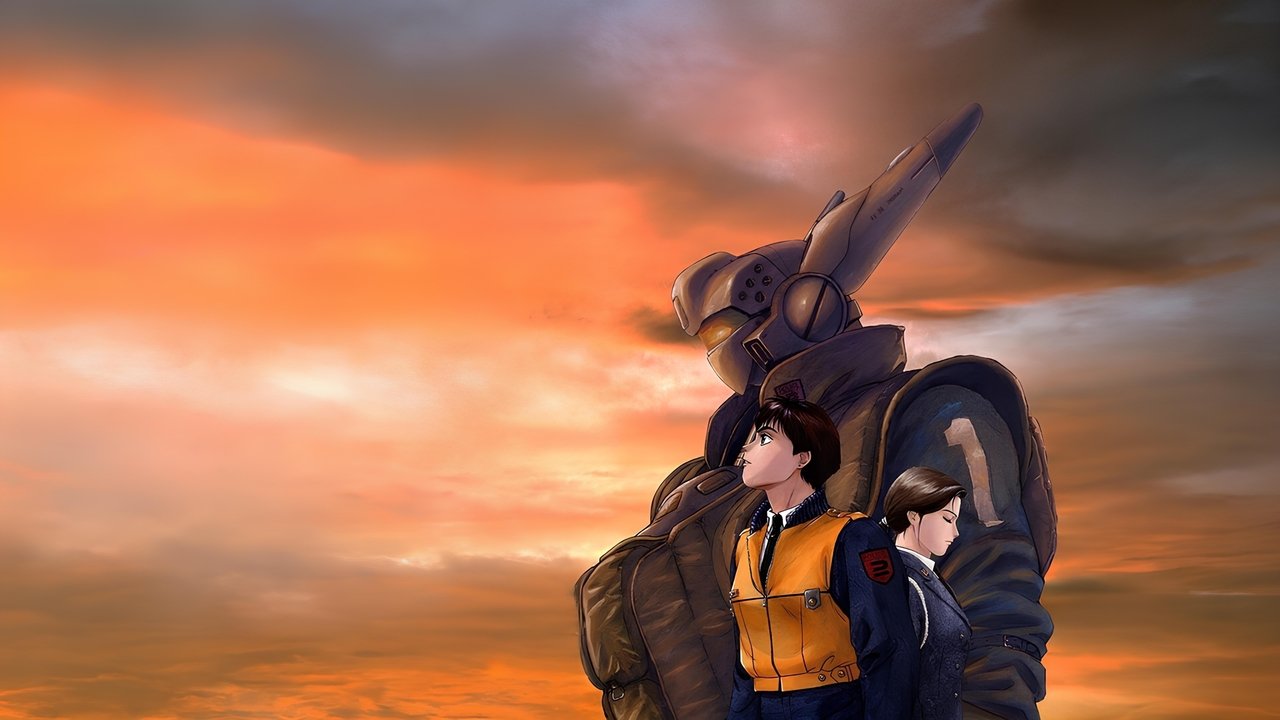
Rating: 9/10
This score reflects Patlabor 2's exceptional direction, its thematic depth, stunning animation, and its success as a gripping political thriller that just happens to feature giant robots. It might require more patience than typical genre fare, and its focus shifts away from some beloved characters, but the payoff is immense. It's a film that feels remarkably prescient, its exploration of manufactured crises, surveillance, and the precariousness of peace resonating perhaps even more strongly today.
Finding this on VHS felt like graduating to a different level of appreciation for the medium – a reminder that animation could be as profound and unsettling as any live-action thriller. What lingers most is that quiet sense of dread, the chilling beauty of Oshii's Tokyo, and the uncomfortable questions it forces us to ask about the world outside the screen.