The hum from the VCR feels different tonight. Deeper, somehow. Like it knows what spooling up inside its mechanical guts: a trip not just through time, but into a timeline that shouldn't exist. We're talking about Philadelphia Experiment II, a 1993 slice of speculative dread that landed on rental shelves like a temporal anomaly, offering a vision far bleaker than its 1984 predecessor ever dared. Forget the romance and naval mystery; this one throws you headfirst into the chilling abyss of 'what if?'
A Future That Wasn’t
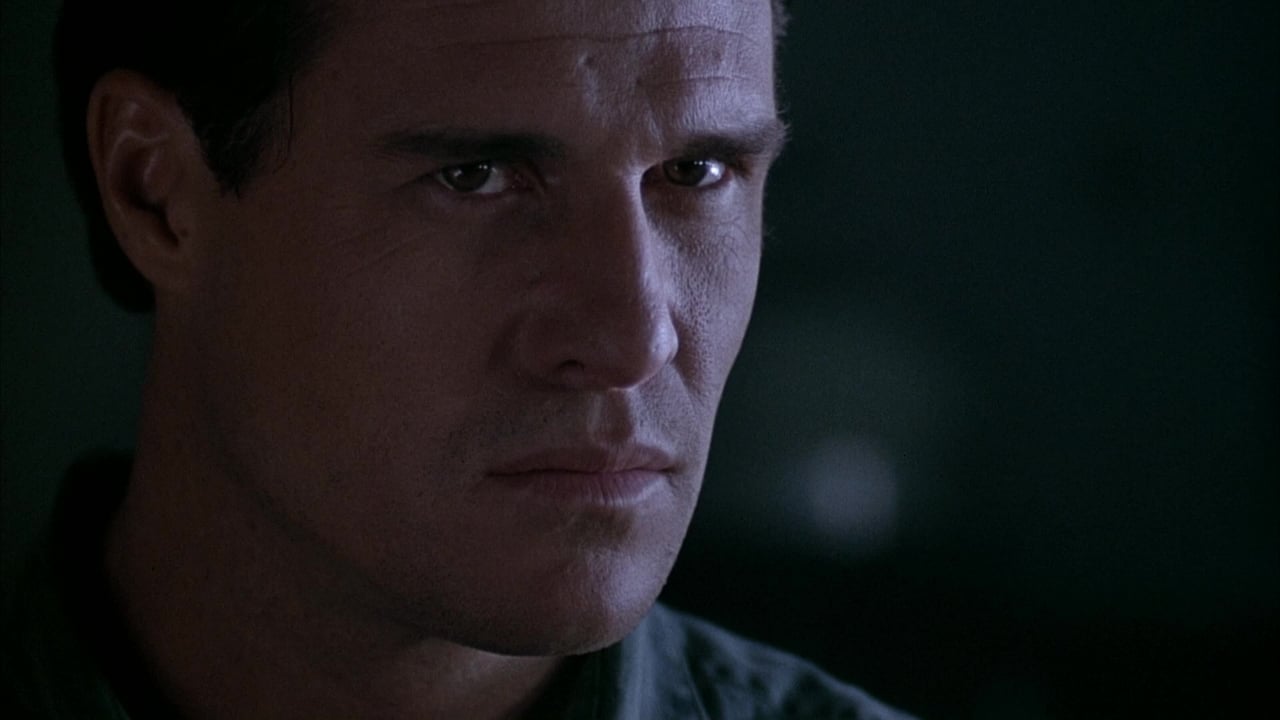
The premise alone is enough to send a shiver down your spine, isn't it? Imagine, if you will, that the infamous (and likely entirely fictitious) World War II experiment didn't just make a ship disappear, but somehow, decades later, became the catalyst for losing the war. That's the dark heart of Philadelphia Experiment II. David Herdeg, the time-lost sailor from the original (now played by former Marlboro Man Brad Johnson, stepping in for Michael Paré), finds himself ripped from 1984 and flung into a chillingly altered 1993. An unrelated stealth bomber test, spearheaded by the sinister Dr. William Mailer (Gerrit Graham, perfectly cast with his knack for unsettling charisma), goes awry. The F-117, loaded with nukes, isn't just cloaked; it's thrown back to 1943 Germany, right into Hitler's lap. The result? A victorious Third Reich and a brutal, totalitarian America where hope is a forgotten word. The grainy VHS tracking lines almost seemed to mimic the fractured reality on screen.
Dystopia on a Dime
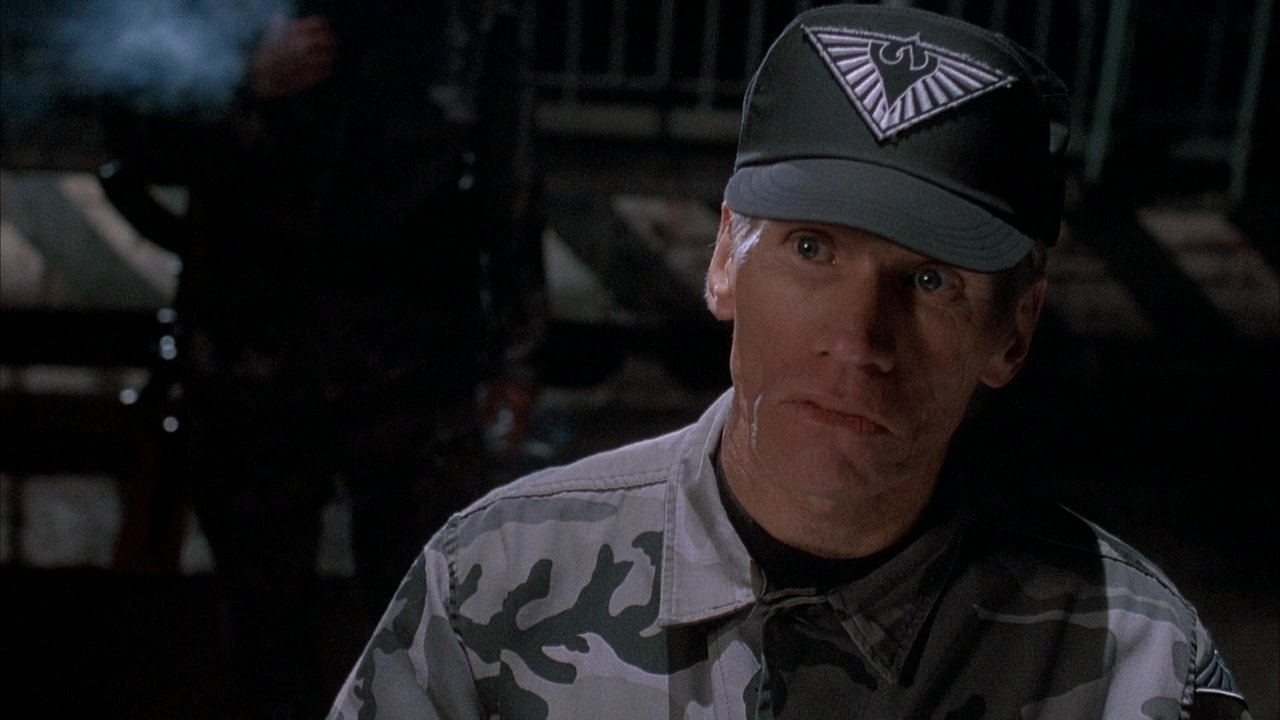
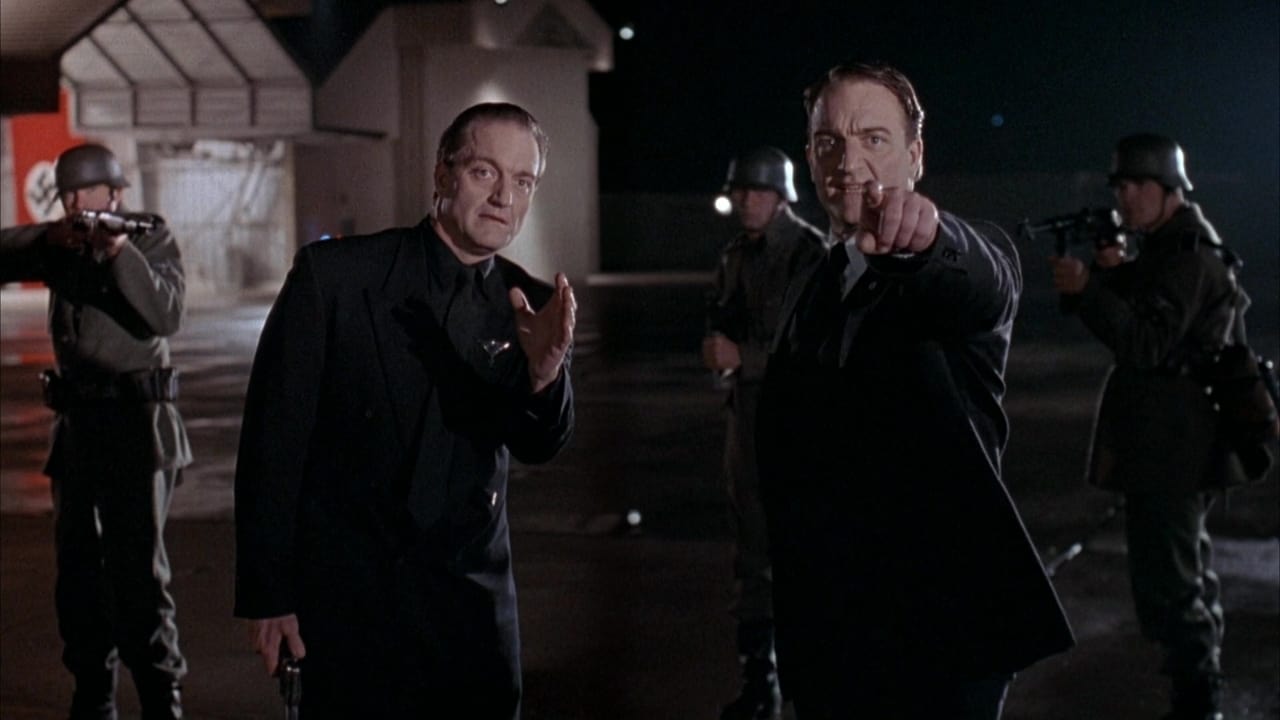
Let’s be honest, this wasn't a summer blockbuster. Made on an estimated $5 million budget, Philadelphia Experiment II has that unmistakable aura of a film crafted with more ambition than resources, likely destined for the direct-to-video market from the get-go. Yet, director Stephen Cornwell manages to conjure a surprisingly effective sense of oppressive gloom. The alternate 1993 isn't just swastika banners draped over familiar landmarks (though there's plenty of that); it's the suffocating atmosphere, the paranoia etched on faces, the grimy, militarized streets. They didn't film this in Philly, by the way – much of the heavy lifting for this grim future was done on California backlots and locations, stretching every dollar to create a world gone wrong. The practical effects, like the shimmering energy fields of the time displacement or the miniature work for the bomber, have that tangible, slightly clunky charm we remember so well. Dated now? Absolutely. But back then, watching on a flickering CRT, they felt grounded and disturbingly possible.
Faces in the Nightmare
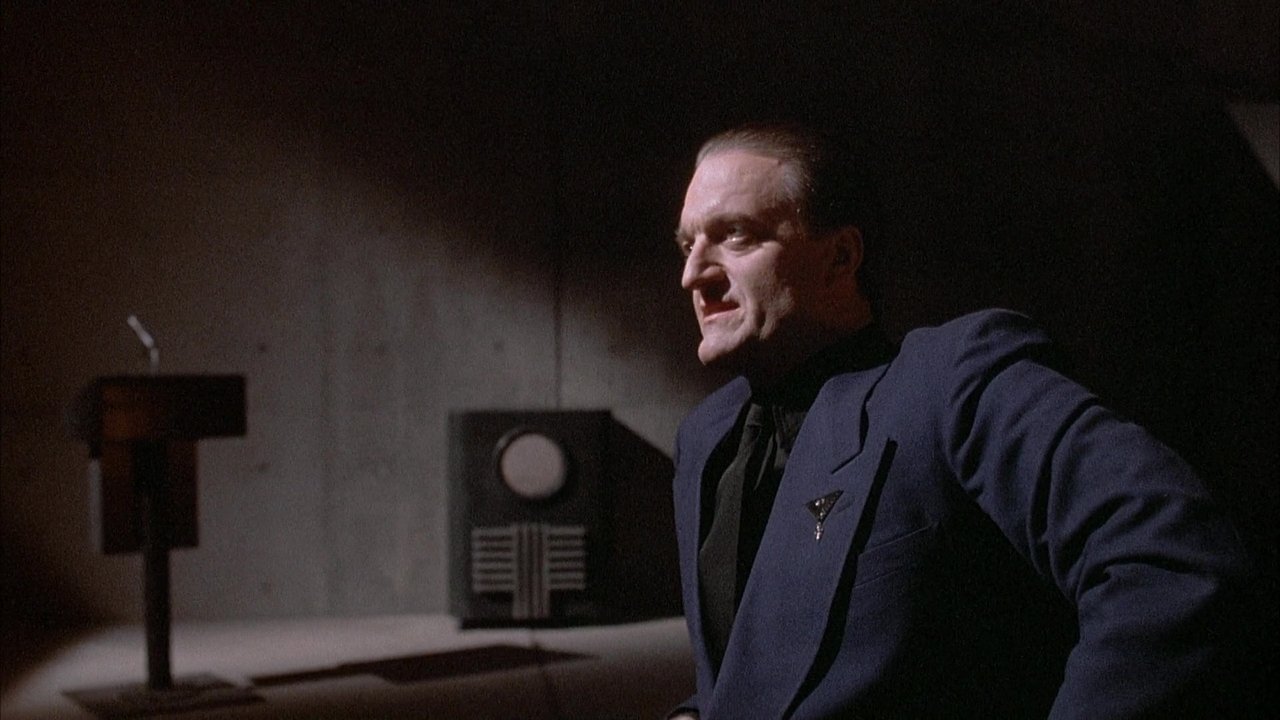
Brad Johnson, taking over the Herdeg role, brings a rugged, everyman quality that works for the bewildered hero thrust into an unwinnable situation. He’s less the haunted romantic lead of the original and more a desperate survivor scrambling to fix a broken world. Alongside him, Marjean Holden (later seen kicking butt in Mortal Kombat: Annihilation) provides resilience and resourcefulness as Jess, a rebel navigating the treacherous landscape of the Nazi-controlled US. But it's Gerrit Graham who steals the show. His Dr. Mailer, who becomes the high-ranking Friedrich Mahler in the altered timeline, is a fantastic slice of B-movie villainy – intelligent, driven, and utterly convinced of his warped righteousness. Graham leans into the role with a relish that elevates the material, embodying the intellectual arrogance that birthed this nightmare. Remember him from cult classics like Phantom of the Paradise (1974) or Used Cars (1980)? He brings that same off-kilter energy here.
Echoes of a Failed Experiment
While the original Philadelphia Experiment (1984) mixed its sci-fi with romance and adventure, this sequel dives straight into the darker implications of tampering with time. It’s less concerned with the mechanics and more with the horrifying consequences. The connection to the first film feels somewhat tenuous beyond the Herdeg character and the core concept; it's almost a standalone dark timeline adventure using the brand name. Did you ever wonder how they pulled off those time-travel visual effects back then? Often, it involved clever optical printing techniques, layering images and using light effects, a far cry from today's seamless CGI, but carrying a distinct, almost phantasmal quality. The film doesn't shy away from the brutality of its alternate reality, making the stakes feel genuinely high, even amidst the sometimes pulpy execution.
Legacy on Worn Tape
Philadelphia Experiment II didn't exactly set the world alight. Critical reception was muted at best (it still languishes with a low IMDb score), and it quickly settled into the comfortable obscurity of the video store's sci-fi/action back catalogue. It never spawned further sequels, leaving this dark chapter as the final word on this particular cinematic take on the enduring urban legend. Yet, there's an undeniable pull to its bleak vision and its earnest, low-budget attempt to grapple with a terrifying concept. It lacks the polish and the heart of its predecessor, but it compensates with a grim intensity and a surprisingly memorable villain performance. I recall renting this one late, the flickering neon sign of the video store reflecting in the rain-streaked car window, promising something strange and maybe a little dangerous. It delivered on the strange, that’s for sure.
Rating: 5/10
Justification: While ambitious in its concept and featuring a standout villain turn from Gerrit Graham, Philadelphia Experiment II is hampered by its obvious budget constraints, sometimes clunky execution, and a script that doesn't fully explore the potential of its dark premise. Brad Johnson is serviceable, but the magic of the original's central pairing is lost. The atmosphere of the alternate timeline is effectively grim, earning it some points, but the overall experience lands squarely in the realm of "interesting but flawed" direct-to-video sci-fi. It's a curio, a darker, weirder echo of the original that provides a specific kind of B-movie chill perfect for a late-night VHS session, but ultimately falls short of being a hidden gem.
Final Thought: It might be a bargain-bin time paradox, but Philadelphia Experiment II remains a fascinating example of how 90s direct-to-video sci-fi could swing for the fences with bleak, high-concept ideas, even if it didn't always connect. Doesn't that chilling vision of a conquered America still leave a little frost on your soul?