Sometimes, the most terrifying monsters aren't lurking under the bed, but scribbling away inside your own head. They bleed onto the page, take root in the ink, and maybe, just maybe, claw their way out. That's the chilling premise lurking at the black heart of George A. Romero's 1993 adaptation of Stephen King's The Dark Half, a film that arrived on shelves shrouded in a strange kind of release-date purgatory, but still managed to burrow under the skin. It’s a story that whispers of the parasitic nature of creativity, the kind of whisper that turns into a scream before you know it.
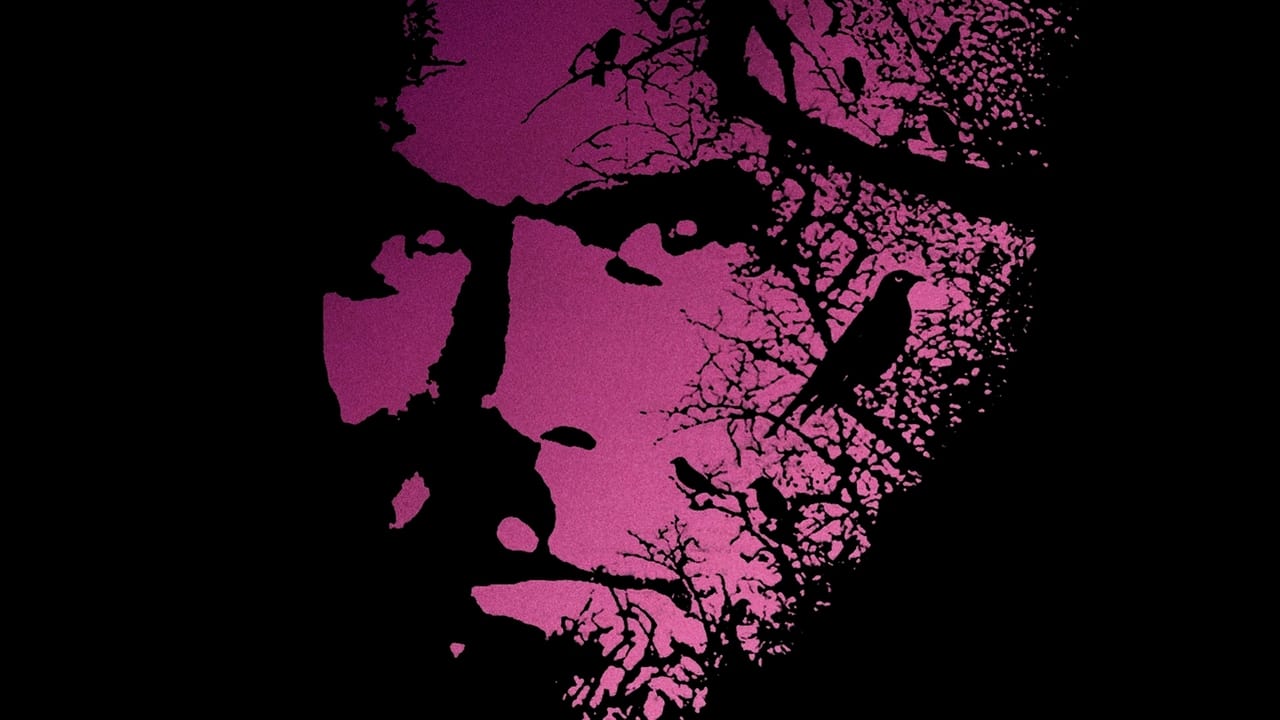
### A Name to Die For
We meet Thad Beaumont (Timothy Hutton), a successful author wrestling with a profitable, yet violent, alter ego: the pulpy crime novelist George Stark. Under pressure, Thad decides to publicly bury Stark, staging a mock funeral for his pseudonym. It’s a clever PR move, meant to transition him to more "serious" literary work. But Stark, it seems, isn't ready to rest in peace. He manifests – brutal, swaggering, and utterly physical – a Mississippi-drawling phantom in razor-creased denim, leaving a trail of bodies linked to Thad's past. It's a concept King famously drew from his own experience shedding his Richard Bachman pseudonym, adding a layer of unnerving autobiography to the fictional terror. Seeing it brought to life taps into that primal fear: what if the ugliest parts of ourselves could literally walk away and start trouble?
### Two Sides of a Tarnished Coin
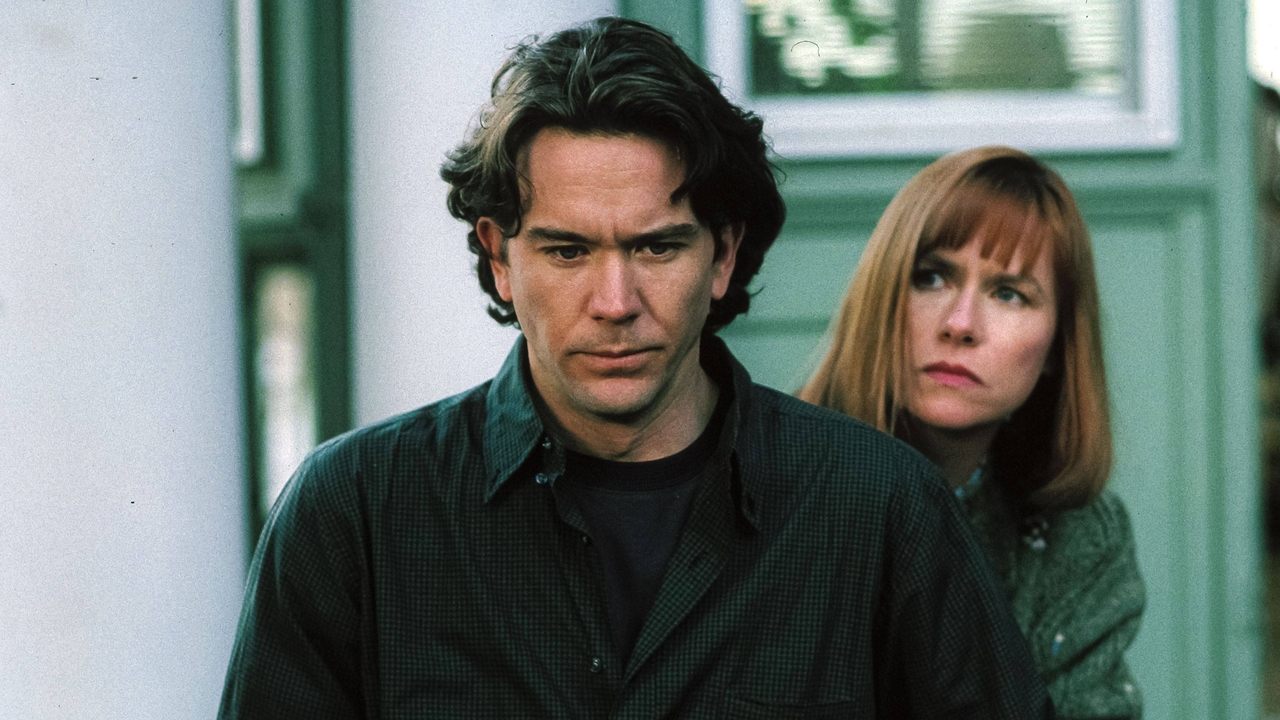
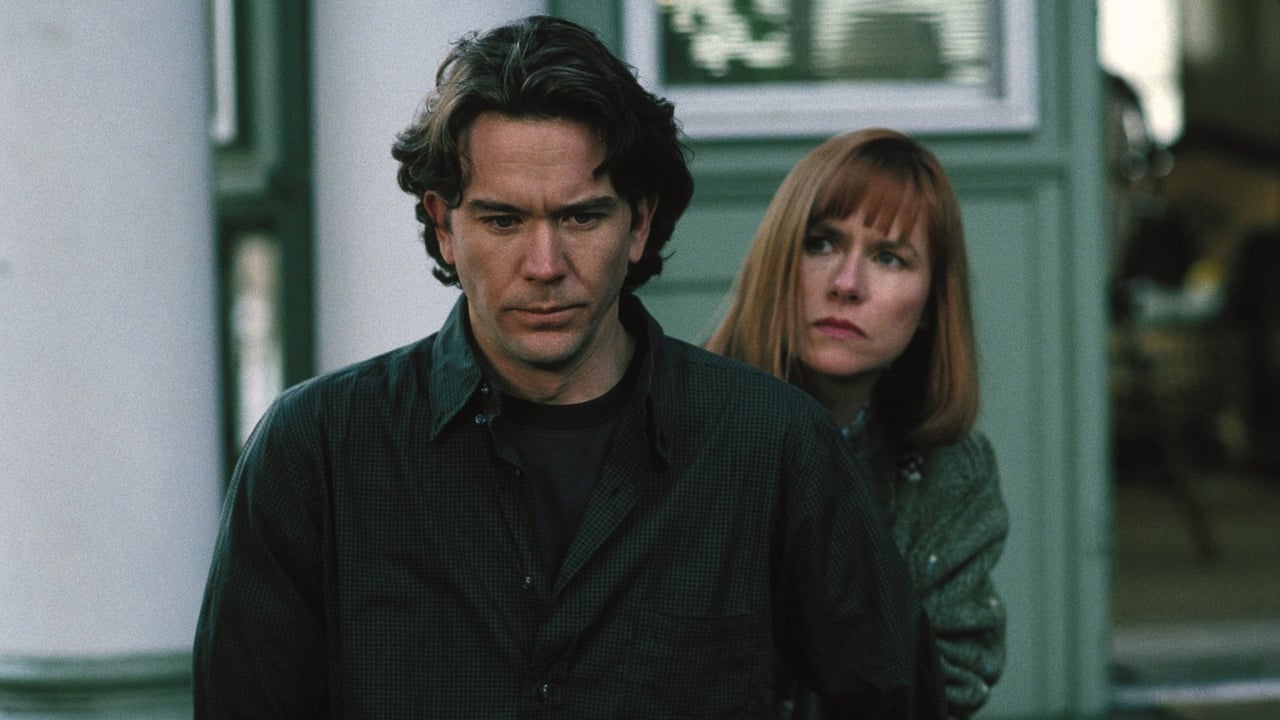
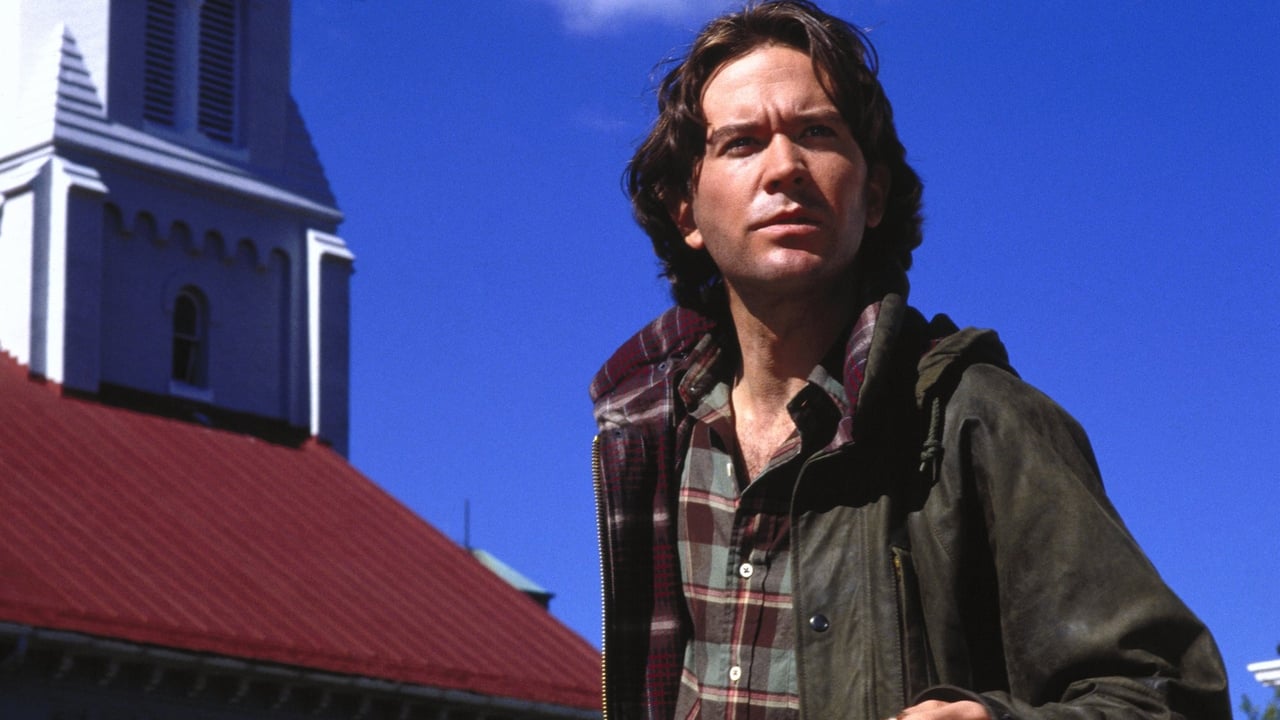
Timothy Hutton shoulders the immense burden of playing both the mild-mannered Thad and the vicious Stark, and frankly, it's a performance that deserved more attention than it got back in '93. He finds distinct physicalities, voices, and energies for each. Thad is coiled, anxious, intellectual; Stark is pure, predatory id, leaning into every threat with unnerving relish. There’s a genuine creepiness in watching Hutton switch, sometimes subtly, between the two. It’s not just a gimmick; it’s the core of the film’s psychological horror. You feel Thad’s dawning terror as he realizes this thing isn't just a figment of his imagination, but a flesh-and-blood consequence of his own buried darkness. The makeup effects distinguishing Stark, particularly the slightly off-kilter features suggesting an incomplete formation, add to the unease.
### Romero's Grim Canvas
Stepping back into studio filmmaking after Monkey Shines (1988), the legendary George A. Romero, master of societal dread (Night of the Living Dead, Dawn of the Dead), paints The Dark Half with a palette of autumnal decay and small-town menace. Shot largely in Washington, Pennsylvania, the film feels grounded, almost grimy, which makes Stark's intrusions all the more jarring. Romero resists jump scares, opting instead for a slow-burn tension. He lets the inherent wrongness of Stark's existence build, aided immeasurably by Christopher Young's superb, often deeply unsettling score. It's less overtly gory than some of Romero's zombie epics, focusing instead on the psychological implications and the visceral threat Stark represents. You can feel Romero wrestling, perhaps, with the studio system again – there are whispers that his preferred, more ambiguous ending was nixed – but his signature atmosphere of encroaching doom is potent.
### Flights of Feathered Fury
Ah, the sparrows. You can't discuss The Dark Half without mentioning the birds, psychopomps drawn to places of death and psychic trauma. Their massing, swirling presence is one of the film's most defining – and perhaps divisive – visual elements. The climax, involving literally thousands of sparrows descending, is ambitious, chaotic, and deeply strange. Reportedly, achieving this effect involved wrangling somewhere between 10,000 and 30,000 real birds, supplemented by early CGI and puppets – a logistical nightmare that feels distinctly of its practical-effects era. Does it entirely work? It’s certainly unforgettable, bordering on the surreal, a cacophony of flapping wings that feels both biblical and bizarre. It’s the kind of big, weird swing you didn’t always see in studio horror, even then.
### Buried by Delay?
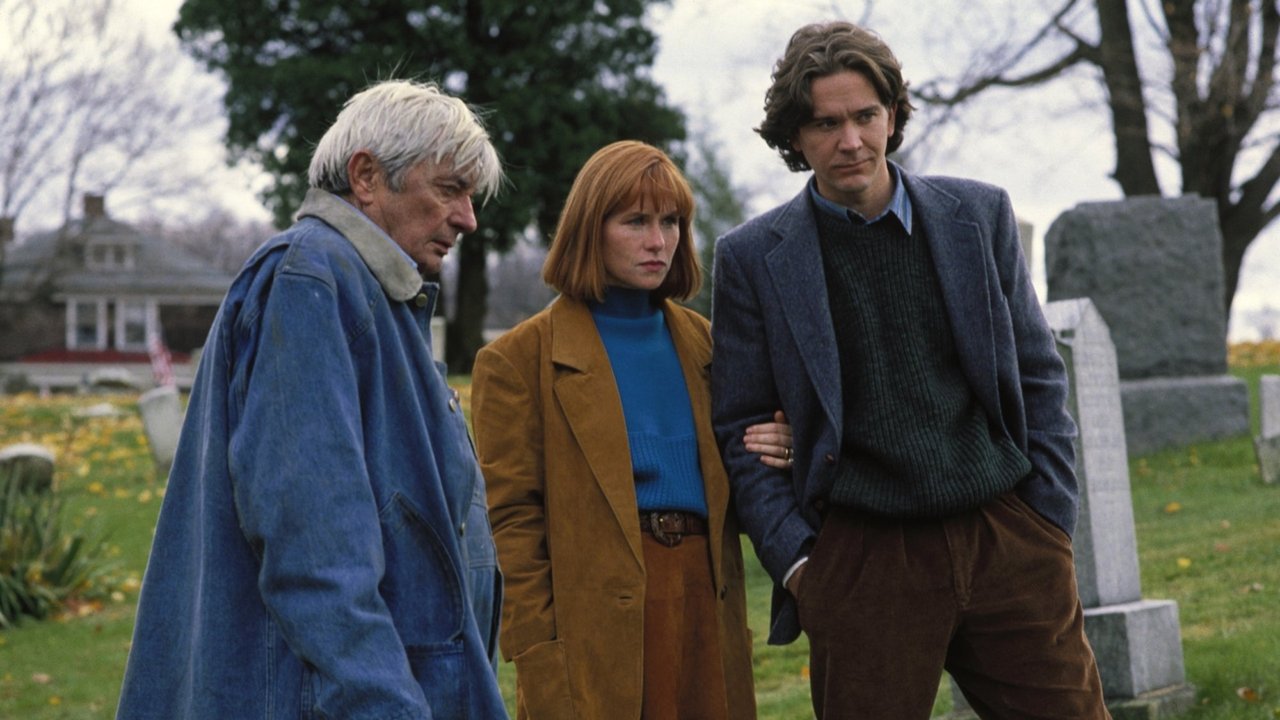
Supporting players like Amy Madigan as Thad's increasingly terrified wife, Liz, and Michael Rooker as the sturdy Sheriff Alan Pangborn (a familiar name to King readers, popping up in Castle Rock tales like Needful Things, also released in '93) provide solid anchors against Stark's storm. Rooker, especially, brings his reliable intensity to a role that demands a grounded presence amidst the supernatural chaos. Yet, despite the pedigree of King and Romero, and Hutton's strong central turn, The Dark Half landed with a thud. Its release was significantly delayed by nearly two years due to the bankruptcy woes of Orion Pictures, losing whatever momentum it might have had. It ultimately grossed only $10.6 million against its $15 million budget, fading rather quickly from theaters and finding its second life, appropriately enough, on home video.
This film was one I distinctly remember renting from the local video store, the cover art promising something grim and cerebral. It delivered on that promise, though perhaps not in the way mainstream audiences expected. It's slower, more character-focused, and maybe stranger than its premise initially suggests.
VHS Heaven Rating: 7/10
Justification: The Dark Half earns a solid 7 for its genuinely unsettling core concept, Timothy Hutton's impressive dual performance, George A. Romero's atmospheric direction, and Christopher Young's haunting score. It successfully translates the psychological dread of King's novel, particularly the fear of one's own hidden darkness. Points are deducted for slightly uneven pacing in the middle stretch and the climactic sparrow sequence, which, while ambitious and memorable, might strike some as more overwhelming than terrifying. The troubled release also likely hampered its initial impact.
Final Thought: Uneven but undeniably creepy, The Dark Half remains a fascinating, somewhat overlooked entry in both the King and Romero canons – a grim parable about the monsters we create, both on the page and within ourselves, that still carries a chill long after the tape stops rolling. Doesn't that core idea – your own creation turning against you – still feel unnervingly potent?