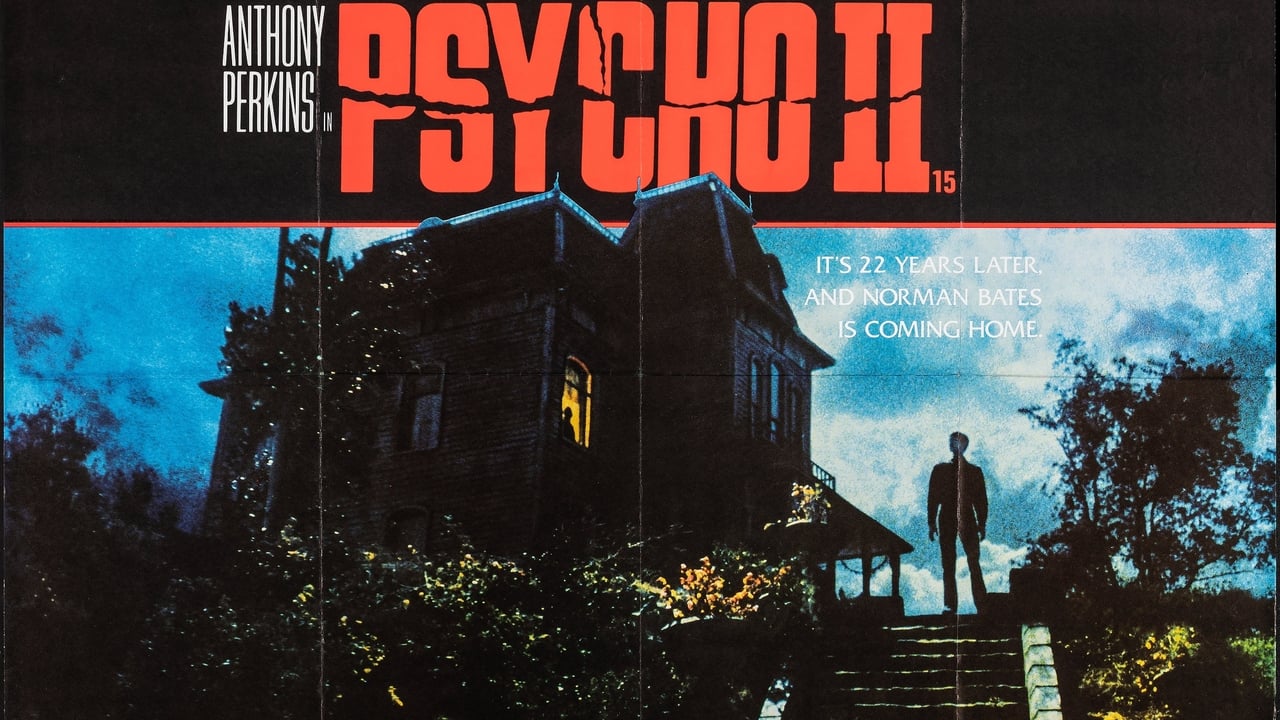
The audacity alone remains staggering. Twenty-two years after Alfred Hitchcock redefined terror with a shower curtain and a motel key, Universal dared to reopen the Bates Motel. In 1983, the idea of a sequel to Psycho felt less like a continuation and more like cinematic sacrilege. Could anyone possibly follow that act? Would it be a cheap cash-in, a pale imitation destined for the discount bin? Yet, watching Psycho II again, decades later, the grainy tracking lines flickering on an imagined CRT screen, you find something unexpected: a surprisingly effective, deeply unsettling film that earns its own dark corner in the annals of 80s horror.
Mother, May I Come Home?
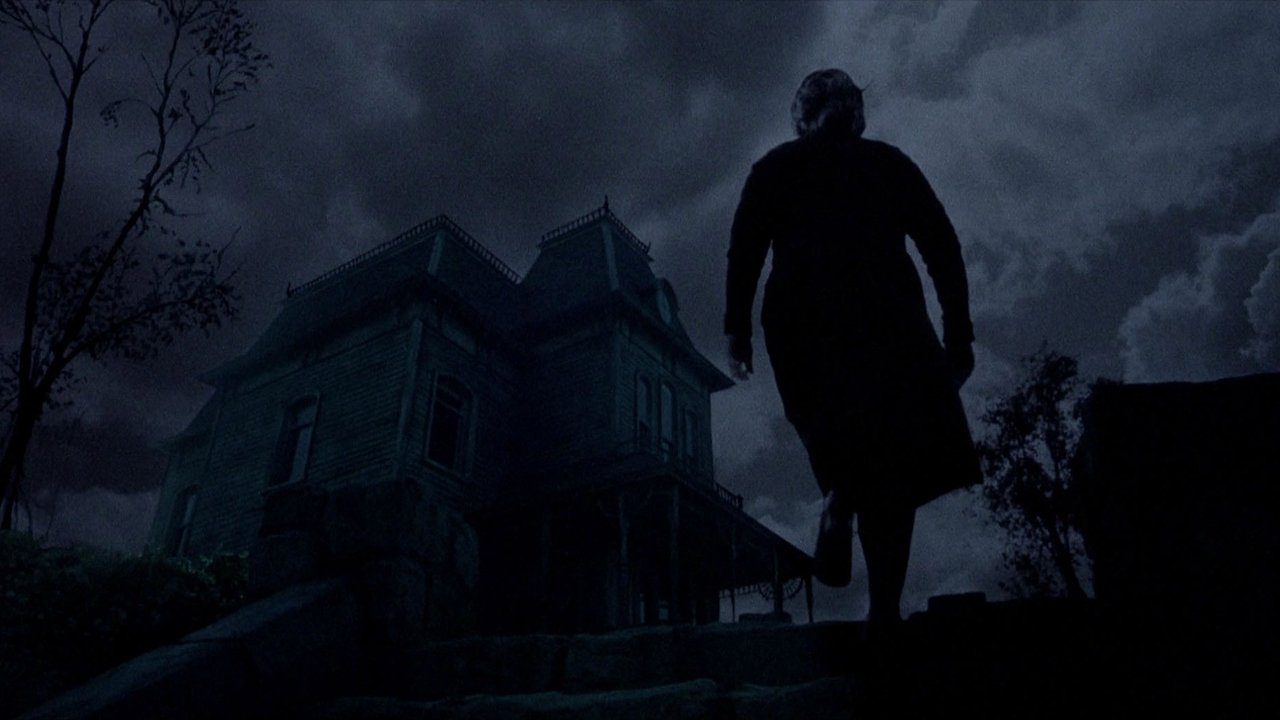
The premise is simple yet instantly fraught with tension. Norman Bates (Anthony Perkins, in a return that felt both inevitable and impossible) is deemed rehabilitated and released back into a world that hasn't forgotten his crimes. He returns to the gothic house on the hill, that ominous silhouette still looming large, and attempts to build a quiet life working at a local diner. But the past, like Mother’s rocking chair, refuses to stay still. Notes appear, signed "Mother." Mysterious phone calls echo through the empty house. And soon, the bodies start piling up again. Is Norman cracking under the pressure, his fragile sanity shattering once more? Or is someone else pulling the strings, twisting the knife in his tormented psyche? This central mystery, penned by Tom Holland before he gave us Fright Night (1985), is the engine that drives the film's chilling momentum.
Revisiting Hallowed Ground
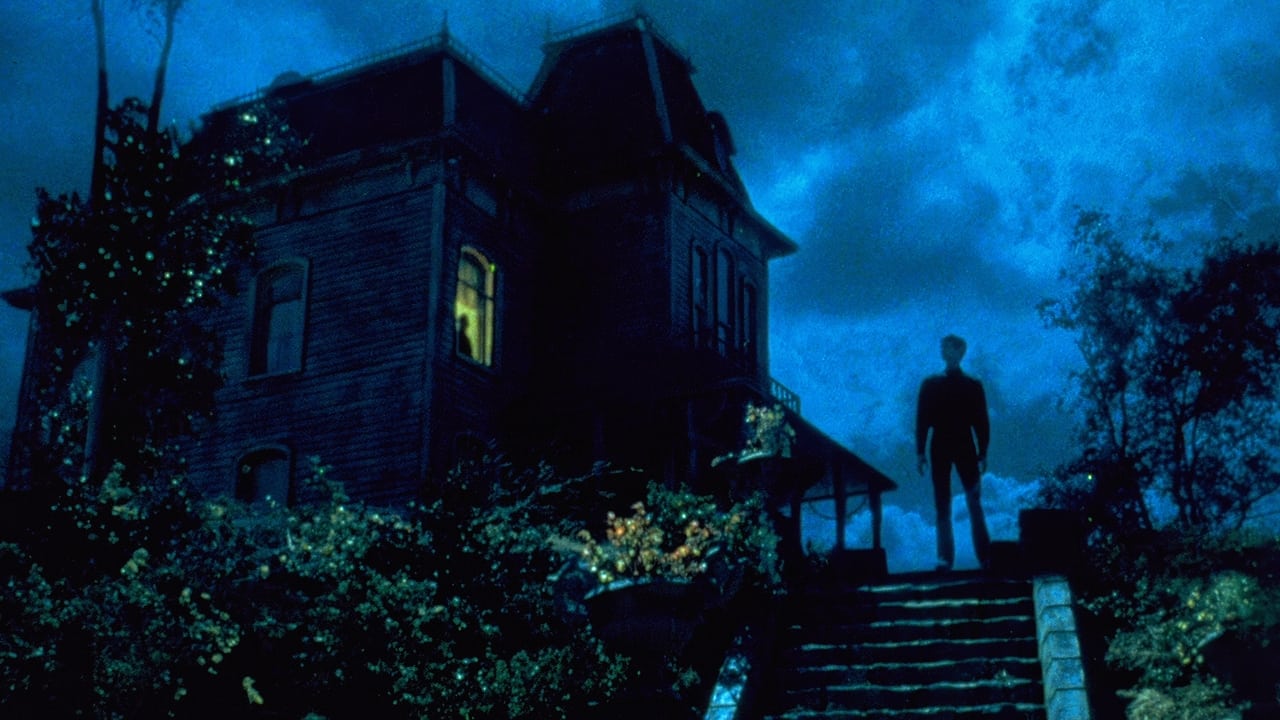
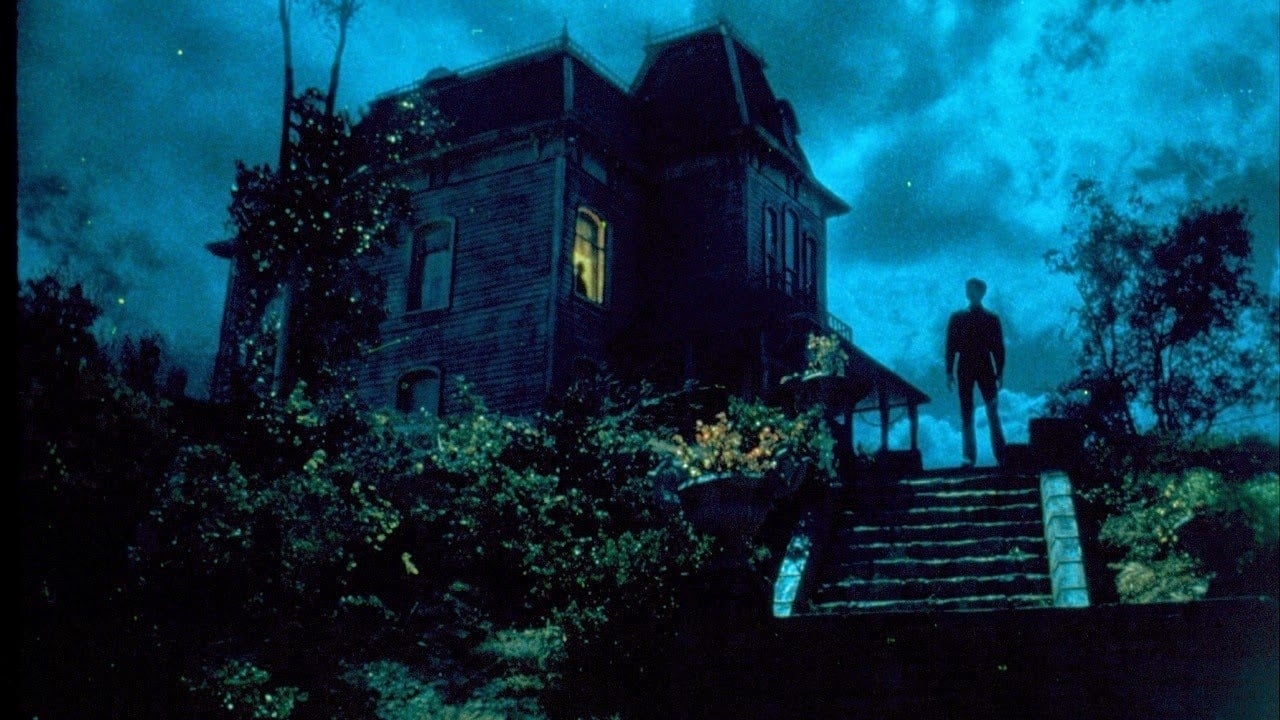
Director Richard Franklin, an avowed Hitchcock admirer, understood the weight of the task. He wasn't trying to be Hitchcock, but rather to craft a respectful, suspenseful continuation within the Master's established world. Crucially, he brought back cinematographer Dean Cundey, whose lens had already defined the look of modern horror with Halloween (1978) and The Thing (1982). Together, they didn't just replicate the original's look; they infused it with an 80s sensibility – deeper shadows, more atmospheric dread, and moments of startling violence that felt distinctly of their time. The Bates house and motel feel both familiar and corrupted, haunted not just by Mother, but by the intervening decades of cinematic terror they unknowingly inspired. Jerry Goldsmith's score, while different from Bernard Herrmann's iconic strings, weaves its own unsettling tapestry, balancing melancholy with jarring stabs of fear. Reportedly, Franklin fought hard against Universal's initial plans for a cheaper, possibly even parodic, television movie, insisting on a serious theatrical approach – a decision that ultimately saved the project from becoming a mere footnote.
The Son, The Sister, The Stranger
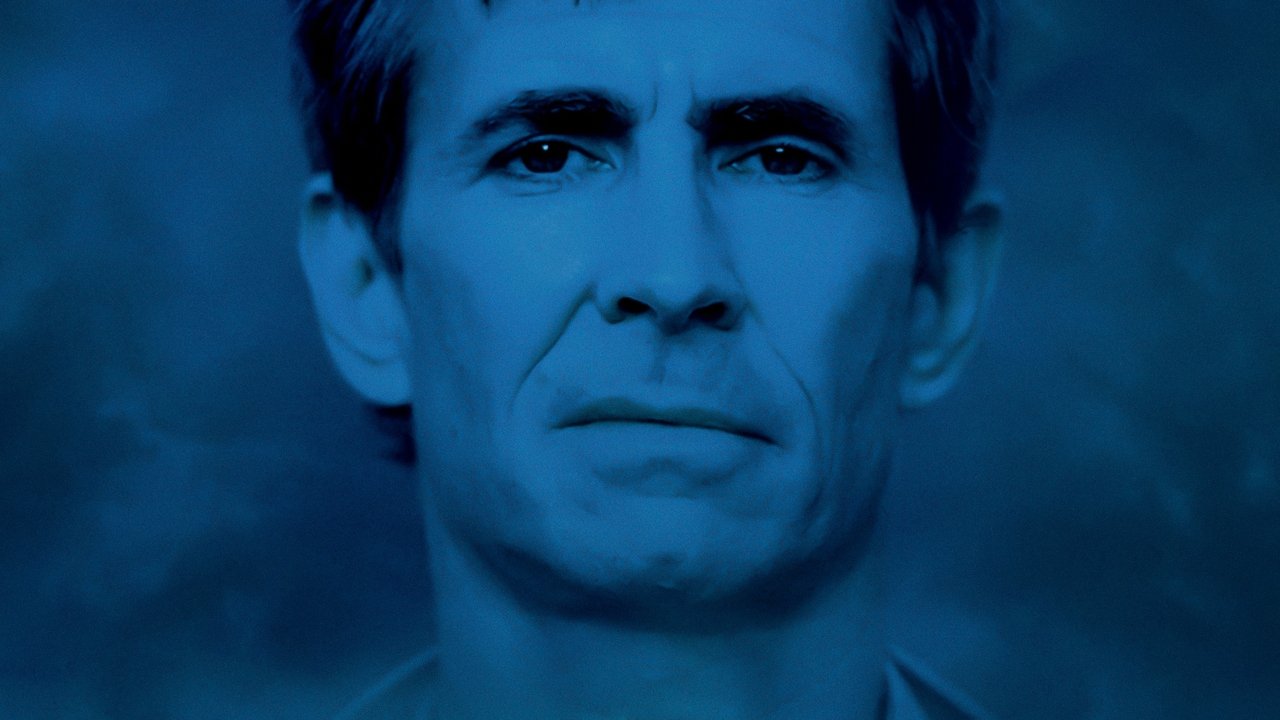
At the heart of Psycho II's success is, undeniably, Anthony Perkins. His initial reluctance to revisit the role that both defined and typecast him is well-documented. Yet, his return is magnetic. Perkins doesn't just mimic his younger self; he portrays a man desperately clinging to sanity, haunted by his past actions and terrified of the monster potentially still lurking within. There’s a vulnerability here, a desperate plea for normalcy, that makes the unfolding horror all the more tragic. Perkins reportedly fine-tuned aspects of the script himself (uncredited), ensuring Norman wasn't just a boogeyman but a character wrestling with immense internal conflict. Vera Miles also returns as Lila Loomis, Marion Crane's sister, her presence radiating suspicion and a thirst for vengeance that hasn't dimmed in twenty-two years. Her scenes crackle with unresolved trauma. And then there's Meg Tilly as Mary, the young waitress who befriends Norman, becoming his confidante and perhaps his only anchor to reality. Tilly brings a crucial warmth and innocence that contrasts sharply with the encroaching darkness, making her entanglement in Norman’s world feel genuinely perilous. Funnily enough, the role almost went to Jamie Lee Curtis, which would have created a fascinating, albeit perhaps distracting, cross-pollination of horror royalty.
More Than Just a Shadow
Make no mistake, Psycho II isn't Hitchcock. It couldn't be. It belongs to the era of the slasher, and it doesn't shy away from the requisite body count and moments of shocking gore – that infamous shovel scene, achieved with startlingly effective practical effects, likely sent more than a few jaws dropping in 1983. But Holland’s script is smarter than the average slice-and-dice fare. It functions as a compelling whodunit, constantly shifting suspicion, playing with audience expectations built by the original. Did that twist genuinely shock you back then? Even now, it holds up as a clever subversion. The film respects its predecessor while carving out its own identity as a suspenseful psychological thriller. It understands that the true horror lies not just in the violence, but in the fragility of the mind and the inescapable grip of the past. Its strong performance at the box office ($34.7 million from a $5 million budget) proved that audiences were willing, even eager, to check back into the Bates Motel.
Final Check-Out
Psycho II is that rare beast: a horror sequel made decades after the original that actually works. It navigates the treacherous path of following a masterpiece with intelligence and atmospheric dread. Perkins delivers a nuanced, haunting performance, anchoring the film in genuine pathos amidst the suspense and shocks. While inevitably living in the shadow of 1960's Psycho, it stands firmly on its own as a well-crafted, genuinely creepy 80s thriller that understood the psychological core of the original horror. It wasn't just a rehash; it was a thoughtful, often chilling, return visit.
Rating: 8/10
This film defied expectations, proving that Norman Bates' story wasn't quite over. It remains a testament to Perkins' iconic portrayal and a surprisingly worthy successor that still holds a chilling power, especially when revisited through the nostalgic lens of a well-worn VHS tape. It’s one sequel that genuinely deserved to hang the “Vacancy” sign.