Here's a review for "The Joy Luck Club" (1993), crafted for "VHS Heaven":
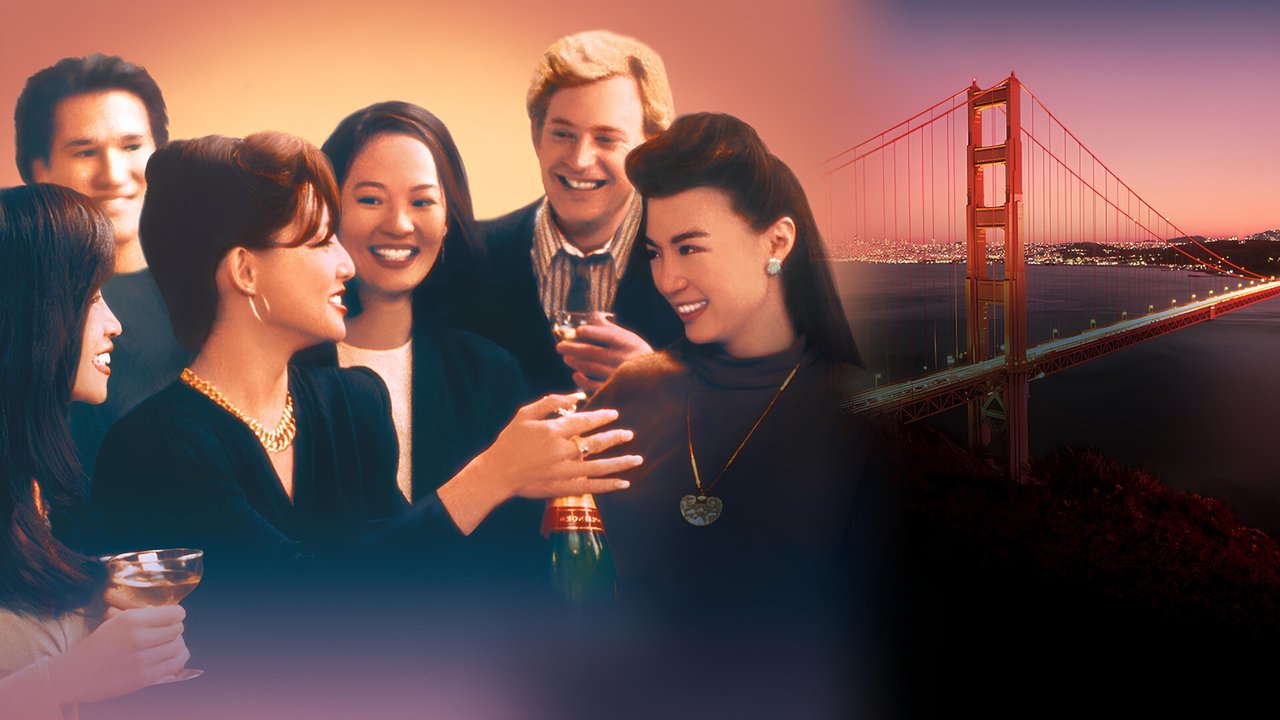
The faint click of mahjong tiles, the steam rising from tea, the weight of stories held just beneath the surface – few films capture the intricate, often painful, dance between generations quite like 1993's The Joy Luck Club. Watching it again isn't like revisiting an old action blockbuster or a familiar comedy; it feels more like being granted quiet access to intensely private memories, a tapestry woven with hardship, resilience, misunderstanding, and profound love. It’s a film that settled deep in the consciousness of many who saw it back in the day, a standout on the video store shelf, promising something different, something more substantial.
Directed by Wayne Wang, who brought a sensitive touch honed on smaller films like Chan Is Missing, and adapted from Amy Tan's beloved novel (with Tan herself co-writing the screenplay alongside Ronald Bass, known for Rain Man), the film felt like a significant cultural moment. It was rare then – and honestly, still feels noteworthy now – to see a mainstream Hollywood film centered entirely on the experiences of Chinese-American women, spanning continents and decades. The very existence of the film was something of a triumph, reportedly greenlit with the crucial backing of executive producer Oliver Stone, whose clout helped push a project through that studios might have otherwise deemed niche. Its subsequent success, earning nearly $33 million in the US on a modest $10.5 million budget, proved there was a hunger for these stories.
### Echoes Across Generations
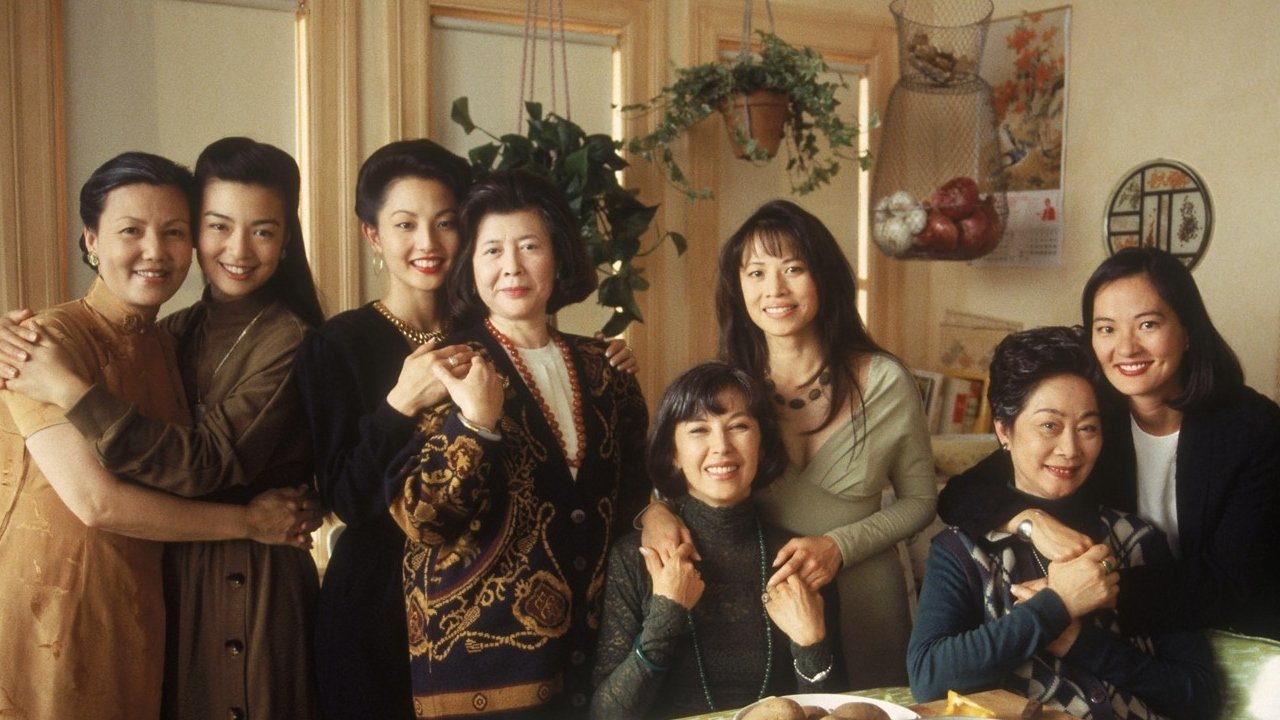
The film’s structure, mirroring the novel’s, is one of its most distinctive features. We are introduced to four older women, the founding members of the Joy Luck Club in San Francisco, who gather regularly to play mahjong, feast, and share stories. When one member, Suyuan Woo, passes away, her American-born daughter June (Ming-Na Wen, in an early standout role) is asked to take her place at the table. This prompts a cascade of memories, not just June’s, but those of the other mothers – Lindo (Tsai Chin), Ying-Ying (France Nuyen), and An-Mei (Lisa Lu) – and their complex relationships with their own daughters, Waverly (Tamlyn Tomita), Lena (Lauren Tom), and Rose (Rosalind Chao).
Each mother carries the heavy burden of her past in China – tales of arranged marriages, wartime trauma, lost children, and immense sacrifice. These experiences shape, often unconsciously, how they raise their daughters in America, leading to cultural clashes, unspoken expectations, and a painful communication gap. The film drifts seamlessly between the vibrant, sometimes perilous past in China and the contemporary lives of the daughters in San Francisco, illustrating how history reverberates through families, whether acknowledged or not. It asks a question many of us grapple with: How much of our parents' lives, their hidden sorrows and triumphs, do we truly understand?
### The Weight of Truthful Performances
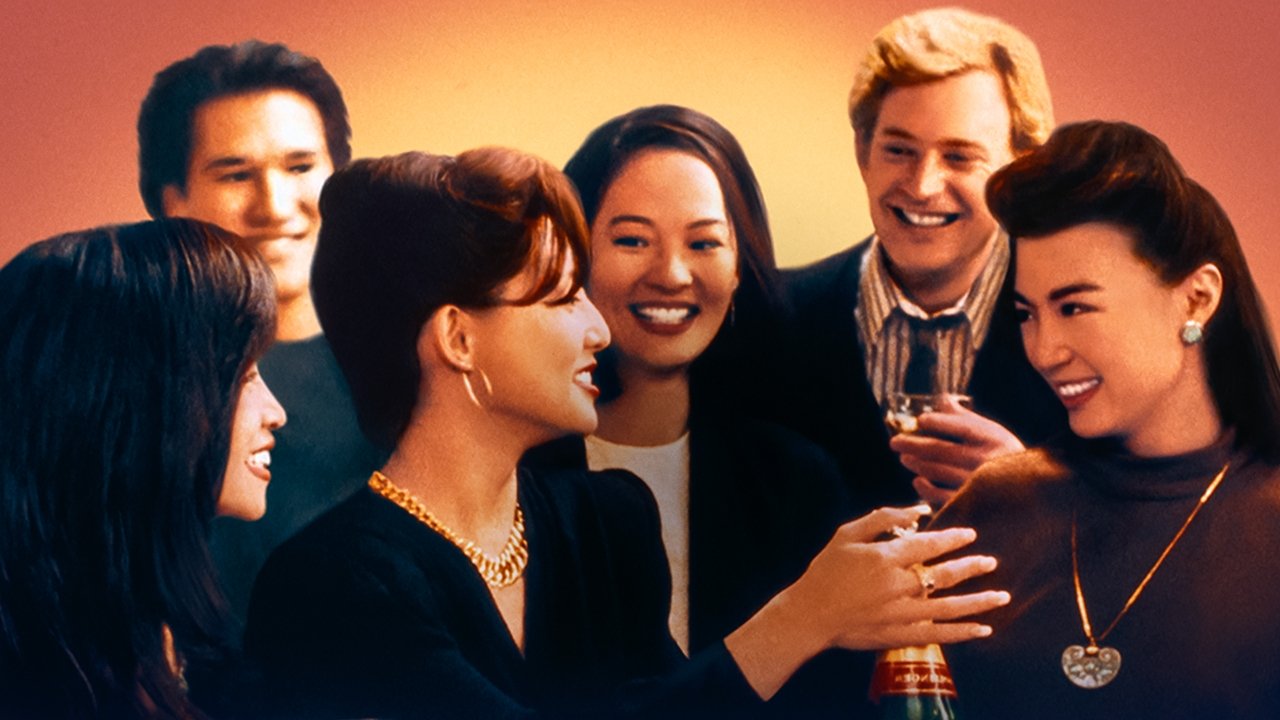

What elevates The Joy Luck Club beyond a potentially intricate but confusing structure is the sheer power of its ensemble cast. The veteran actresses playing the mothers are extraordinary. Tsai Chin, with her piercing gaze, conveys Lindo’s fierce pride and strategic mind. France Nuyen imbues Ying-Ying with a haunting fragility born of deep trauma. Lisa Lu radiates An-Mei’s quiet strength and enduring faith. And Kieu Chinh, seen in flashbacks as Suyuan, embodies the unwavering hope and determination that defines the Joy Luck Club itself. These aren't just performances; they feel like lived experiences brought to the screen, embodying the resilience required to survive and rebuild.
The younger generation is equally compelling. Ming-Na Wen captures June's journey of discovery with nuance, grappling with the legacy of a mother she realizes she barely knew. Tamlyn Tomita expertly portrays Waverly's brittle perfectionism, masking insecurity. Lauren Tom conveys Lena’s struggle to find her voice in a marriage built on imbalance, while Rosalind Chao movingly depicts Rose’s paralysis in the face of marital collapse, haunted by her mother's superstitious fears. The chemistry between the mothers and daughters, even in their conflicts, feels achingly real. There's a scene where Waverly confronts Lindo about her constant criticism, culminating in a moment of painful honesty – it’s the kind of raw, truthful interaction that sticks with you.
### Crafting Authenticity on Screen
Wayne Wang navigates the multiple storylines with remarkable grace. The transitions between past and present, guided by voiceover and visual cues, feel organic rather than jarring. He gives the emotional moments room to breathe, trusting his actors to convey the complex interplay of love, resentment, pride, and misunderstanding. There’s a richness to the production design, contrasting the textures of pre-revolutionary China with contemporary San Francisco, further emphasizing the cultural shifts the characters navigate. It’s worth noting the score by Rachel Portman (Emma, Chocolat), which beautifully underscores the film’s emotional core without ever becoming overly sentimental.
Adapting such a beloved, multi-faceted novel was undoubtedly challenging. Amy Tan’s close involvement ensured the film retained the book’s spirit, though inevitably some nuances were streamlined. Yet, the core themes – the sacrifices of immigrant parents, the search for identity between cultures, the enduring, often complicated, bonds of family – resonate powerfully. It tackled subjects like domestic abuse, mental health struggles stemming from trauma, and the specific pressures faced by women within both traditional and modern contexts with a frankness that felt refreshing for its time.
### Lasting Resonance
The Joy Luck Club wasn't just a movie; for many, it was an event. It opened doors for Asian and Asian-American representation in Hollywood, though the path forward remained, and remains, challenging. Watching it today, perhaps on a format far removed from the original VHS tapes we might have rented or owned, its emotional power hasn't diminished. If anything, the passage of time adds another layer to its reflections on memory and legacy. It reminds us that behind every family gathering, every shared meal, lie untold stories and unseen struggles. It prods us to ask: what histories do our own families hold?
Rating: 9/10
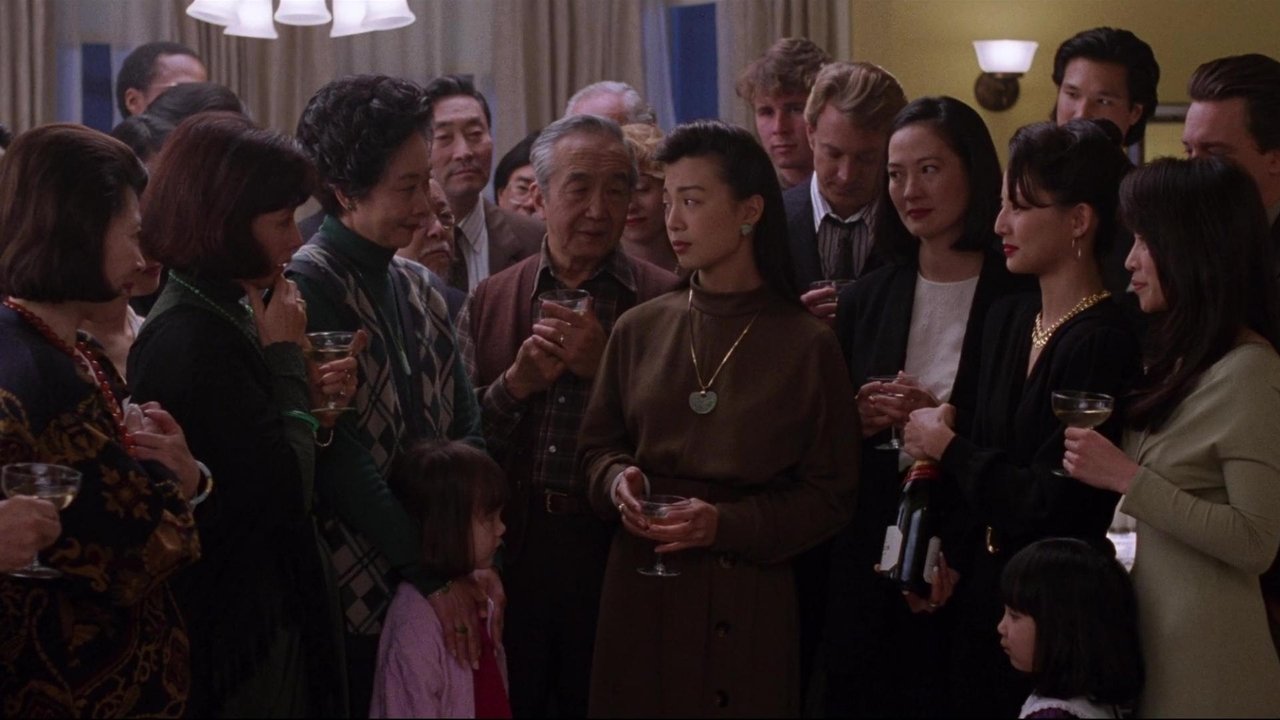
This rating reflects the film's exceptional ensemble acting, its groundbreaking cultural significance for its time, its sensitive direction, and its deeply moving exploration of universal themes through a specific cultural lens. It masterfully adapts a complex novel, creating a cinematic experience that is both intimate and epic in its emotional scope. While the multi-story structure might occasionally feel dense, the sheer authenticity and emotional weight carry it through magnificently.
Final Thought: The Joy Luck Club remains a vital piece of 90s cinema, a poignant reminder that understanding where we come from is often the key to understanding ourselves. It's a film that doesn't just entertain; it invites empathy and reflection, lingering long after the credits roll.