Step inside the Bridge residence, circa mid-century Kansas City, and you might initially be struck by the order, the quiet propriety. Everything seems meticulously placed, a reflection of the upper-middle-class life Walter Bridge has carefully constructed. But linger awhile, observe the spaces between the polite exchanges, and a profound, almost aching sense of lives lived in parallel, rather than in union, begins to emerge. This is the meticulously crafted world of James Ivory’s Mr. & Mrs. Bridge (1990), a film that arrived near the dawn of the 90s but felt like a poignant echo from an earlier, more constrained era, captured beautifully on those chunky rental tapes.
### A Portrait in Quiet Constraint
Based on the twin novels by Evan S. Connell (Mrs. Bridge and Mr. Bridge), the film offers interlocking vignettes portraying the lives of Walter Bridge, a stern, emotionally reserved lawyer, and his wife India, a woman drifting through life with unspoken desires and a gentle bewilderment at the world changing around her. Longtime Merchant Ivory collaborator Ruth Prawer Jhabvala, who penned screenplays for classics like A Room with a View and Howards End, faced the unique challenge of weaving together Connell's two distinct narrative perspectives. The result isn't a traditional plot-driven story but rather a deeply observational character study, a mosaic of moments that collectively paint a portrait of a marriage defined more by habit and societal expectation than deep emotional connection. It requires patience, asking the viewer to lean in and listen to the silences.
### The Unspoken Power of Newman and Woodward
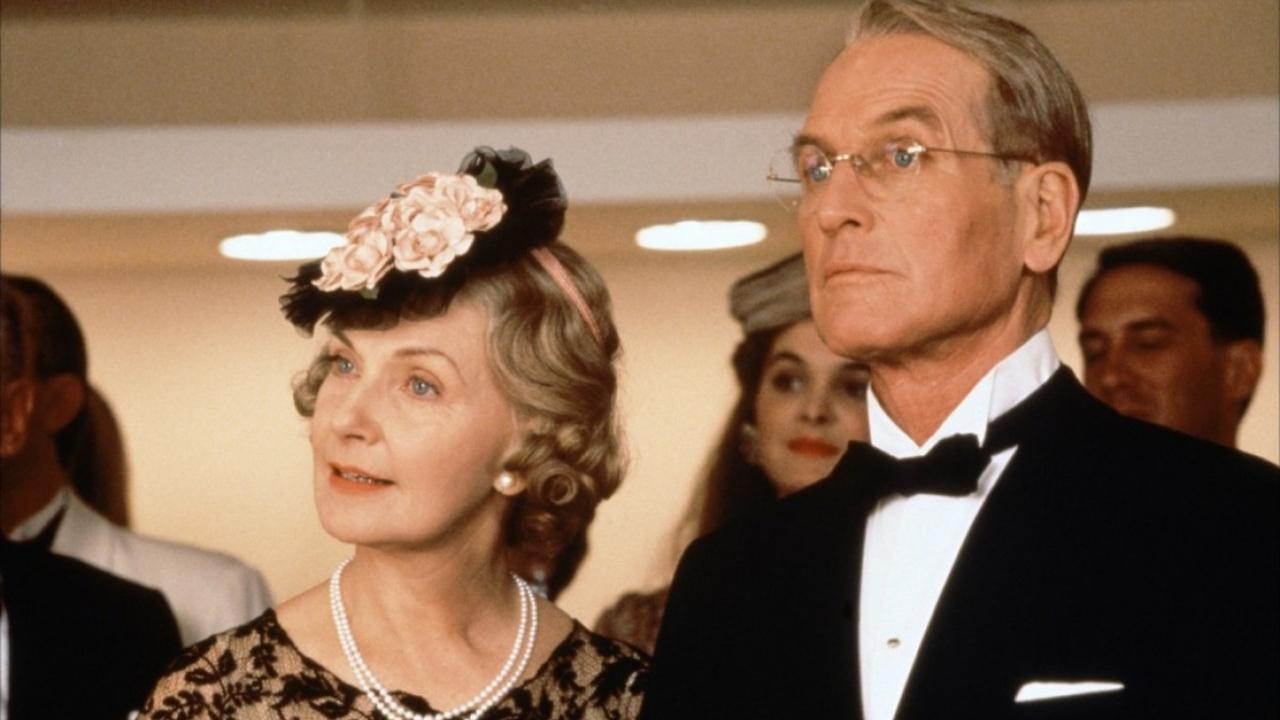
At the heart of the film’s quiet power are the performances by Paul Newman and Joanne Woodward. Seeing this legendary real-life couple, known for their enduring and vibrant partnership, inhabit the roles of the emotionally stunted Bridges is fascinating in itself. It’s a testament to their immense skill that they embody these characters so completely, conveying reservoirs of unspoken feeling beneath surfaces of polite reserve. Newman’s Walter is a man trapped by his own rigidity, his love expressed through provision rather than affection, his conservatism a shield against a world he struggles to understand. Newman masterfully portrays Walter's deep-seated anxieties and his almost pathetic inability to connect, especially with his increasingly independent children (including a memorable turn by Kyra Sedgwick as the rebellious Ruth).
But it's Joanne Woodward, in an Oscar-nominated performance, who truly breaks your heart. Her India Bridge is a figure of quiet tragedy – kind, dutiful, yearning for meaning and connection but lacking the tools or the era’s permission to forge her own path. She tries art classes, dabbles in psychoanalysis, and attempts to understand her children, but often finds herself adrift, her observations sometimes naive, sometimes deeply insightful. Woodward conveys India's loneliness and gentle confusion with exquisite subtlety – a hesitant glance, a nervous flutter of her hands, a hopeful smile that fades too quickly. It's fascinating to learn that both actors reportedly found these roles challenging, precisely because the Bridges were so emotionally disconnected, a stark contrast to their own lives. Woodward, in particular, has mentioned that capturing India's specific brand of sheltered passivity was one of the most difficult tasks of her career.
### Capturing an Era's Atmosphere
Director James Ivory, working with his usual collaborators, producer Ismail Merchant and writer Jhabvala, brings his signature sensitivity and eye for period detail to the film. The production design perfectly recreates the stifling comfort of the Bridges' upper-middle-class existence, from the heavy furniture to the carefully manicured lawns. Filming took place partly in Kansas City itself, lending authenticity to the setting that feels almost like another character – embodying the conservative, predictable world Walter clings to. The episodic structure, mirroring the novels, might frustrate those seeking conventional narrative arcs, but it brilliantly serves the film's themes, presenting life not as a grand drama, but as a series of small moments, missed opportunities, and quiet accommodations. It asks us: how much of life is lived in these unexamined spaces?
The film cost around $7.8 million to make and saw a modest return at the US box office (around $7.7 million), perhaps indicating that its slow, deliberate pace and melancholic tone weren't destined for blockbuster status in the early 90s. Yet, its critical acclaim, especially for Woodward, cemented its place as a significant, if understated, piece of American cinema. It wasn’t the kind of film my friends and I were renting for Friday night pizza back then, but discovering it later felt like unearthing a quiet gem, a thoughtful counterpoint to the era's louder offerings.
### The Lingering Resonance
Mr. & Mrs. Bridge isn't a film that shouts its themes; it whispers them. It explores the confines of traditional gender roles, the vast gulf that can exist even in the closest relationships, and the poignant, often painful, process of watching the world and your children move on without you. It doesn't offer easy answers or condemnations, merely observations rendered with deep empathy. What lingers long after the credits roll isn't a specific event, but the pervasive atmosphere of unspoken feelings, of lives lived according to a script written by society rather than the heart. Doesn't it make you reflect on the connections, or lack thereof, in our own lives and times?
VHS Heaven Rating: 8/10
Justification: The rating reflects the film's exceptional, nuanced performances from Newman and Woodward, Ivory's sensitive direction, and its insightful, if melancholy, exploration of marriage and societal constraints. The deliberate pacing and episodic structure, while true to the source and effective thematically, might not resonate with all viewers, preventing a higher score.
Final Thought: A quiet masterpiece of observation, Mr. & Mrs. Bridge remains a potent reminder of the lives nestled within the silences, and the enduring power of two screen legends exploring the complexities of unspoken love and loneliness. It’s a film that stays with you, like a half-remembered conversation filled with things left unsaid.