It’s the eyes, isn’t it? That’s what pulls you into Gia, the 1998 HBO biopic that refuses to look away. Not just the striking gaze of supermodel Gia Carangi herself, recreated in haunting fashion photoshoots within the film, but the raw, unblinking stare of a young Angelina Jolie embodying her. Watching it again, decades after its premiere, that intensity hasn't dimmed; if anything, the passage of time has only sharpened the edges of this tragic story, reminding us of a particular kind of fame-fueled flameout that feels both uniquely of its era and chillingly timeless.
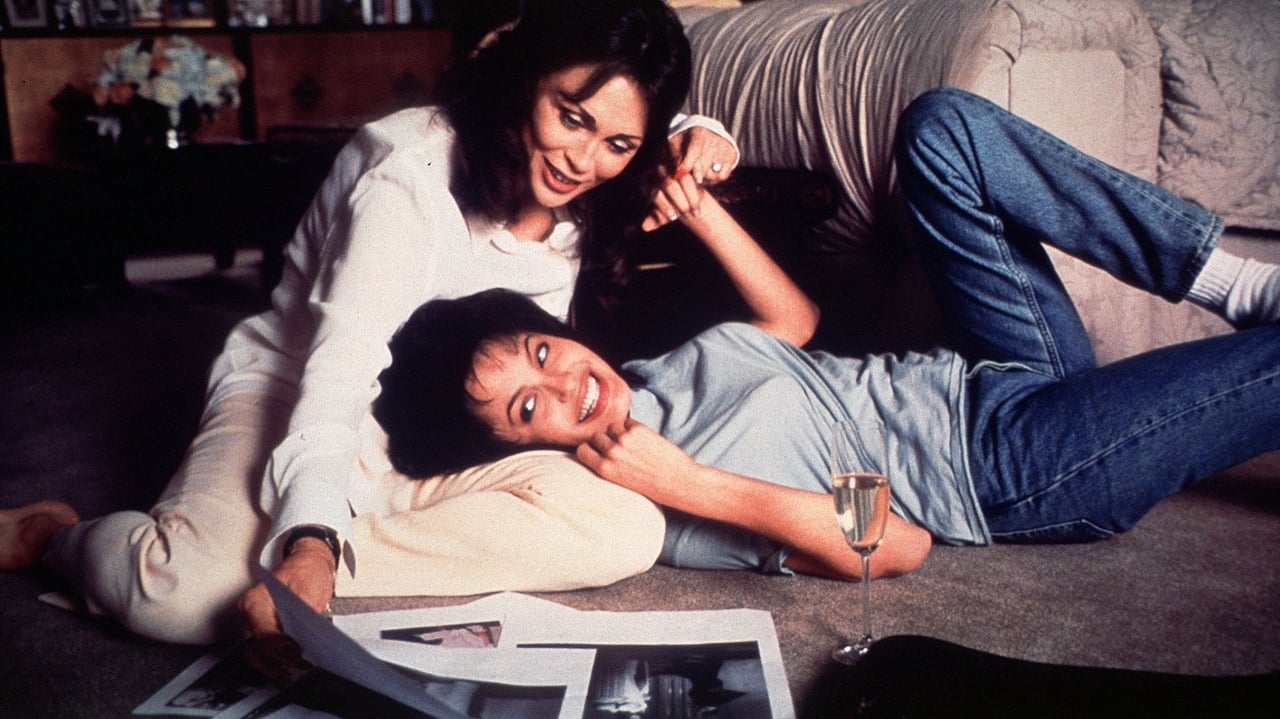
This wasn't your standard network movie-of-the-week. HBO Films in the late 90s was carving out a space for challenging, adult storytelling, and Gia felt like a gauntlet thrown down. Directed by Michael Cristofer, who also co-wrote the screenplay with Jay McInerney (whose novel Bright Lights, Big City trod similar ground of 80s excess), the film dives headfirst into the meteoric rise and devastating fall of Gia Carangi, one of the world's first supermodels, who burned brightly in the late 70s and early 80s before succumbing to heroin addiction and tragically becoming one of the first famous women known to die from AIDS-related complications in 1986.
A Star Ignited
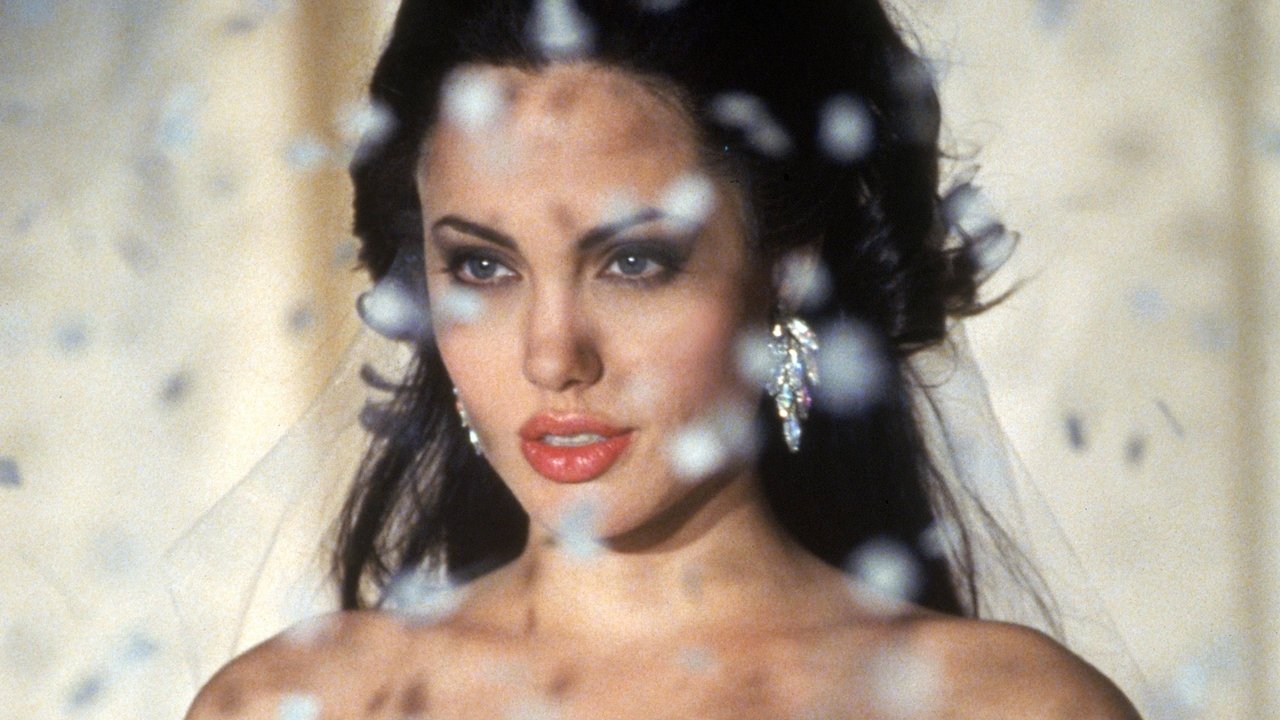
What makes Gia unforgettable, the element that elevates it beyond a cautionary tale, is the performance at its core. This was the role that truly announced Angelina Jolie not just as a movie star, but as a fearless, ferocious acting talent. She doesn't just play Gia; she inhabits her, capturing the wild, defiant spirit, the desperate need for love, the vulnerability beneath the tough Philly exterior, and the terrifying emptiness that addiction feeds upon. Jolie’s commitment is total, almost frighteningly so. It’s well-documented that she employed a method approach, famously saying she needed to purge Gia from her system afterwards, even initially refusing contact with her own father during the shoot to maintain the character's sense of isolation. This wasn't just mimicry; it felt like channeling. You witness the transformation – the cocky swagger, the androgynous allure that captivated photographers, dissolving into the track-marked desperation of an addict. It earned her Golden Globe and SAG awards, and watching it now, you understand why. It’s a raw nerve of a performance.

Beyond the Catwalk
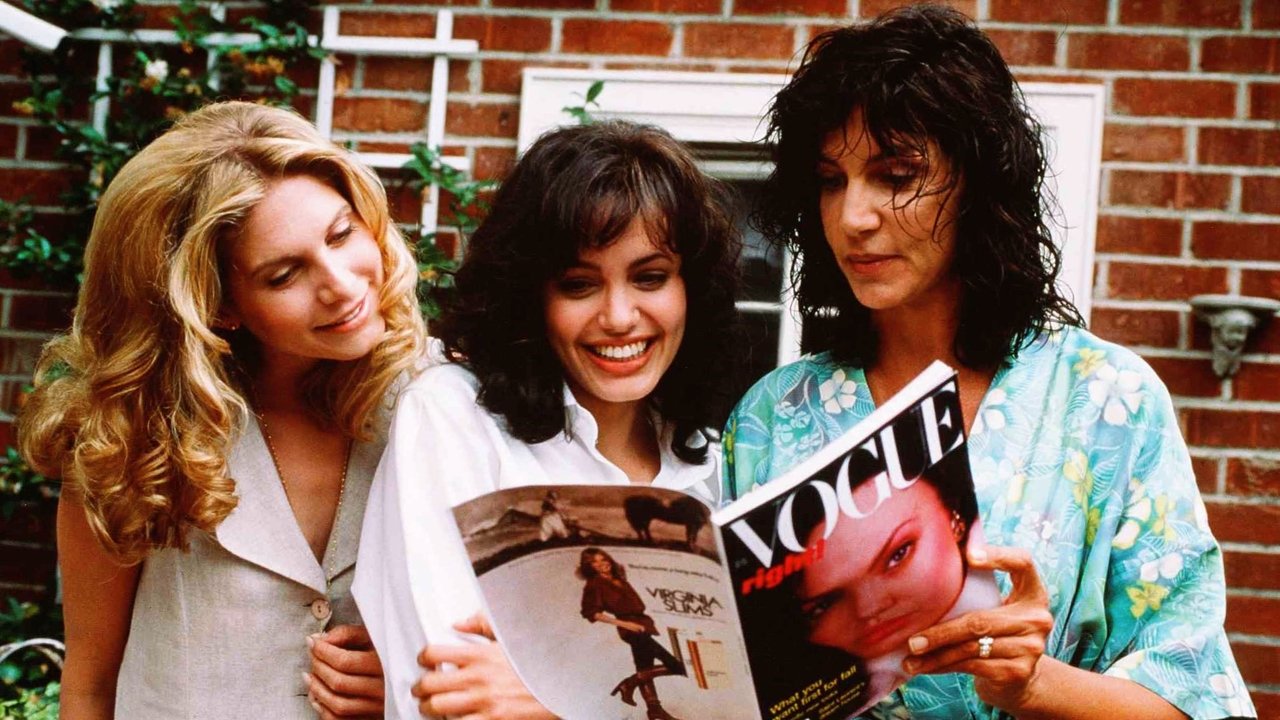
The film smartly structures itself around Gia's life, using recreated interviews with those who knew her (based on real accounts and Gia's own journals) to frame the narrative. This adds a layer of fractured perspective, reflecting Gia's own chaotic internal world. We see her whirlwind entry into the fashion scene under the mentorship of agent Wilhelmina Cooper, played with weary glamour and maternal frustration by the legendary Faye Dunaway (Network, Chinatown). Dunaway provides a crucial anchor, representing the industry that both elevates and ultimately consumes Gia.
Equally pivotal is Elizabeth Mitchell (Lost) as Linda, the makeup artist who becomes Gia’s lover and perhaps the only source of genuine, unconditional affection in her turbulent life. Their relationship provides the film's emotional core, a desperate search for stability amidst the hedonism and loneliness. The chemistry between Jolie and Mitchell is palpable, portraying both the intense passion and the heartbreaking fractures caused by Gia's addiction with aching authenticity. Finding actresses willing to portray the intimacy and required nudity alongside the already-intense Jolie was reportedly a challenge for the production, making Mitchell's nuanced performance even more commendable.
Unflinching Reality and Retro Reflections
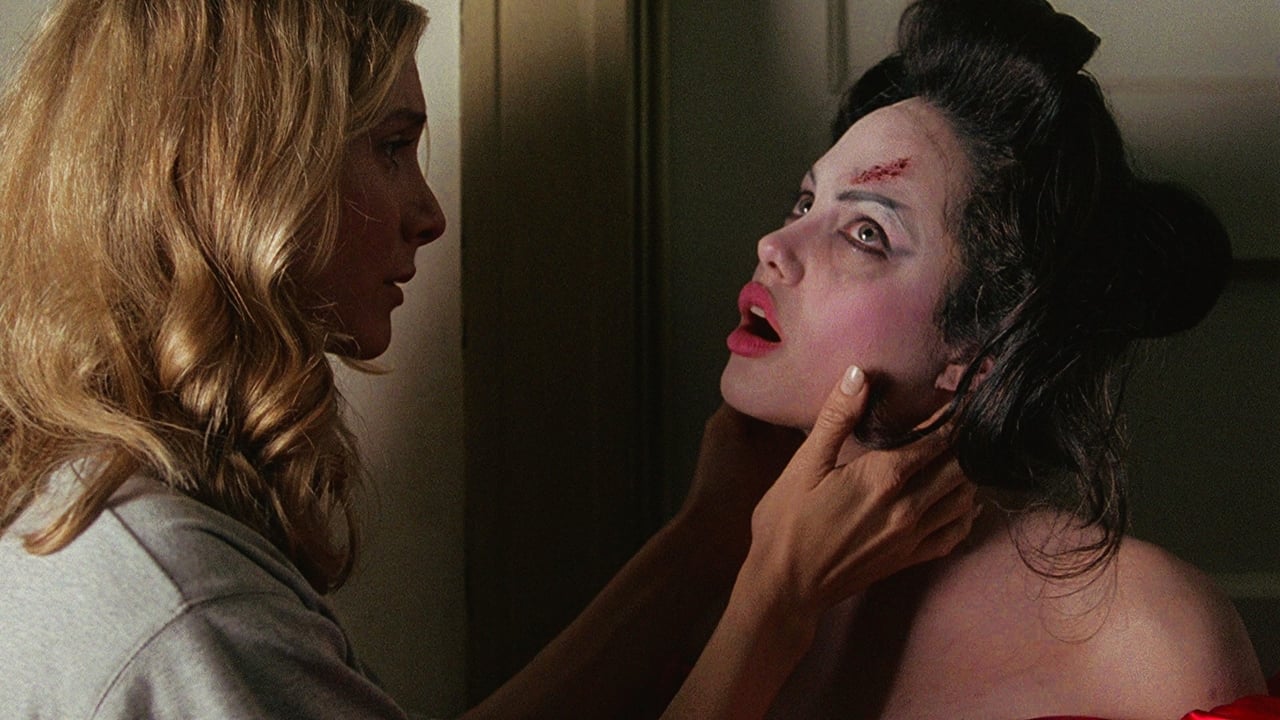
Michael Cristofer doesn't shy away from the ugliness. The drug use is depicted with stark realism, the physical and emotional decay laid bare. This was boundary-pushing for television in 1998, tackling addiction, AIDS, and queer relationships with a directness that still feels potent. The recreation of iconic fashion shoots is visually arresting, contrasting sharply with the grim reality of Gia's off-camera life. Seeing those late 70s/early 80s aesthetics – the makeup, the hair, the sheer vibe – certainly sparks a nostalgic flicker, but it's instantly undercut by the darkness lurking beneath the surface. Remember grabbing that illicitly copied VHS tape because you didn't have HBO, hearing whispers about how intense and revealing it was? Gia had that buzz, that feeling of watching something important, something dangerous.
The film’s willingness to portray Gia, flaws and all – her manipulations, her volatility, her self-destructiveness – without sanding down the edges is key to its power. It refuses easy answers or neat sentimentality. It asks uncomfortable questions about the price of fame, the commodification of beauty, and the devastating spiral of addiction. What drives someone to seek oblivion when they seemingly have the world at their feet? How much humanity gets lost in the glare of the spotlight?
Lasting Impressions
Gia remains a powerful, often difficult watch. It’s a harrowing portrait of addiction and a poignant lament for a life extinguished too soon. While deeply rooted in its late 70s/early 80s setting, its themes of seeking connection, battling inner demons, and the often-destructive nature of fame resonate strongly even today. It stands as a landmark achievement in television film and a searing testament to the transformative power of Angelina Jolie's early career-defining performance.
Rating: 9/10
Justification: The score reflects the film's unflinching honesty, its sensitive yet brutal portrayal of addiction and fame, and crucially, the absolutely towering, committed performance by Angelina Jolie that anchors the entire piece. While undeniably bleak, its craft, emotional depth, and boundary-pushing nature for its time make it a standout biopic, elevated significantly by its central star turn.
Gia isn't a comfortable film, but it’s a vital one. It stays with you long after the credits roll, a haunting reminder of the fragility beneath the most dazzling surfaces.