Okay, fellow travelers in time and tape, let's dim the lights and settle in. Some films hit you like a neon-drenched action sequence, all adrenaline and spectacle. Others creep under your skin, quiet and insistent, leaving you pondering long after the VCR clicks off. Tonight, we're revisiting one of the latter, a piece that doesn't shout but whispers profound truths about the human heart: Krzysztof Kieślowski's Decalogue IX (1989). Finding this gem, often tucked away in the 'World Cinema' section of the better video stores (remember those?), felt like uncovering a secret, a stark contrast to the usual blockbuster fare crowding the shelves.
The Quiet Fracture
The premise is deceptively simple, yet instantly unsettling. Roman (Piotr Machalica), a respected cardiac surgeon used to wielding control and fixing broken things, receives devastating news: he is permanently impotent. The core of his identity, his masculinity, is irrevocably altered. What follows isn't melodrama, but a painfully intimate portrait of a marriage straining under an invisible weight. Kieślowski, working with his long-time collaborator Krzysztof Piesiewicz, masterfully uses the Ninth Commandment – "Thou shalt not covet thy neighbor's wife" – not as a literal edict, but as a prism through which to examine the corrosive nature of jealousy, suspicion, and the desperate longing for what's been lost within one's own relationship. Roman tells his wife Hanka (Ewa Błaszczyk) that she is free to find physical intimacy elsewhere, an intellectually rational suggestion that his heart violently rejects.
Portraits in Pain
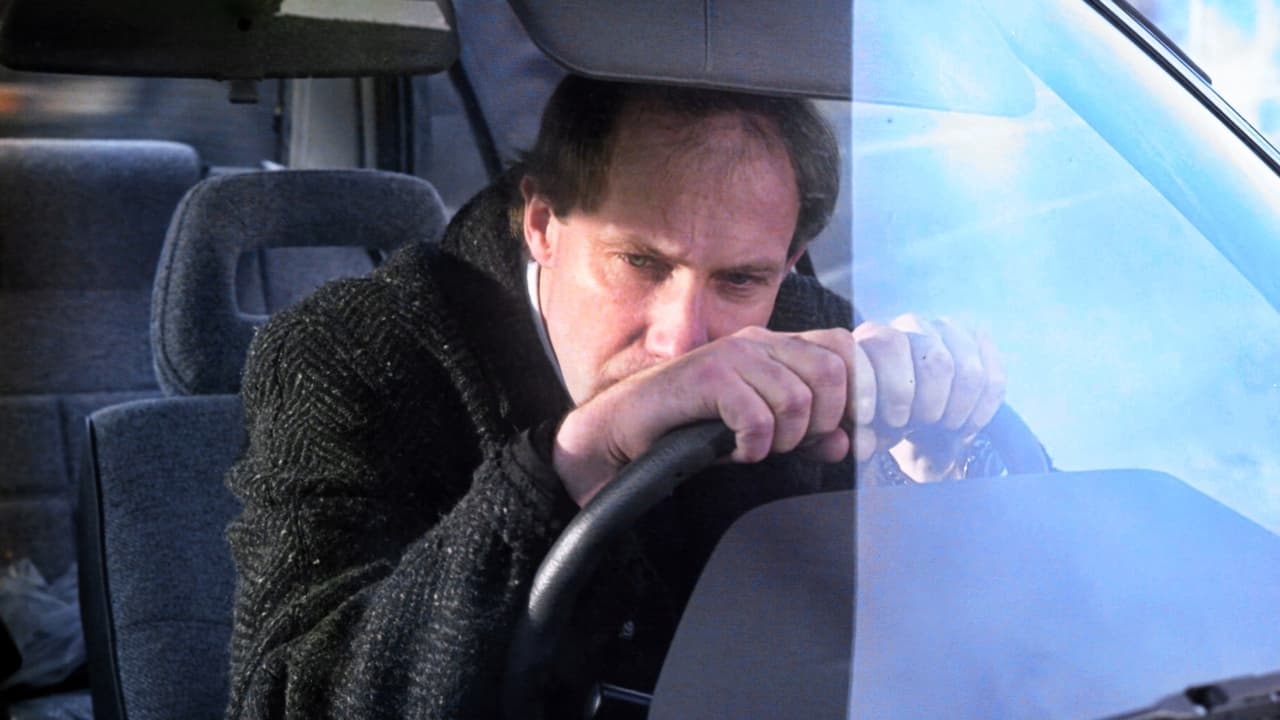
The power of Decalogue IX resides overwhelmingly in its performances. Piotr Machalica is simply extraordinary as Roman. He doesn't just play a man diagnosed with impotence; he embodies the crushing weight of it – the wounded pride masked by forced stoicism, the gnawing suspicion that festers behind his intelligent eyes, the terrifying descent into voyeurism as he taps his own phone and spies on his wife. It’s a performance built on minute shifts in expression, the clenching of a jaw, the hollowness in his gaze. You feel his internal war, the surgeon's logic battling the primal urge of jealousy. We see a man who fixes hearts for a living utterly unable to mend his own.
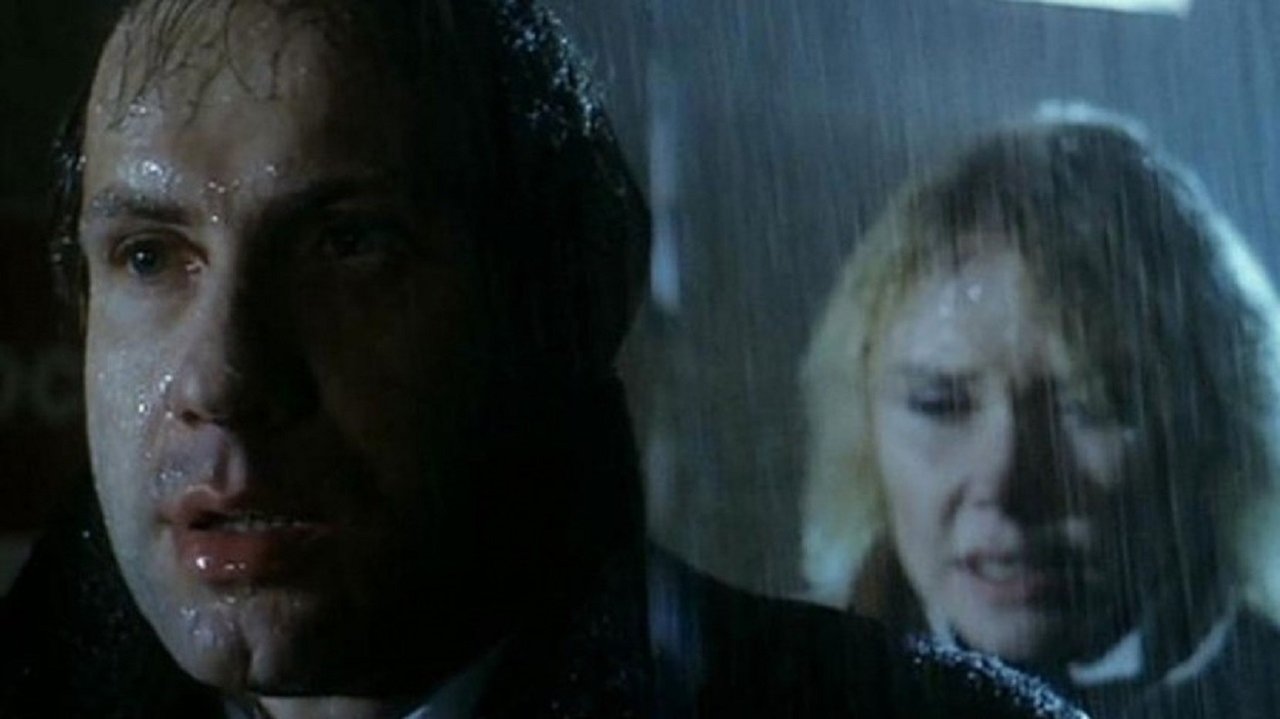
Opposite him, Ewa Błaszczyk as Hanka is equally compelling. She navigates an impossible situation with a quiet resilience that makes her character deeply sympathetic, yet intriguingly ambiguous. Is her connection with the young physics student, Mariusz (Jan Jankowski), purely emotional, or has she taken Roman’s desperate offer? Błaszczyk conveys Hanka's loneliness, her own needs simmering beneath the surface, the profound sadness of potentially betraying, or being betrayed by, the man she loves. Her silences speak volumes, reflecting the communication chasm that has opened between them. Jankowski, as the earnest student, serves as the unwitting catalyst, representing the youth and vitality Roman feels stripped of.
Kieślowski's Intimate Gaze

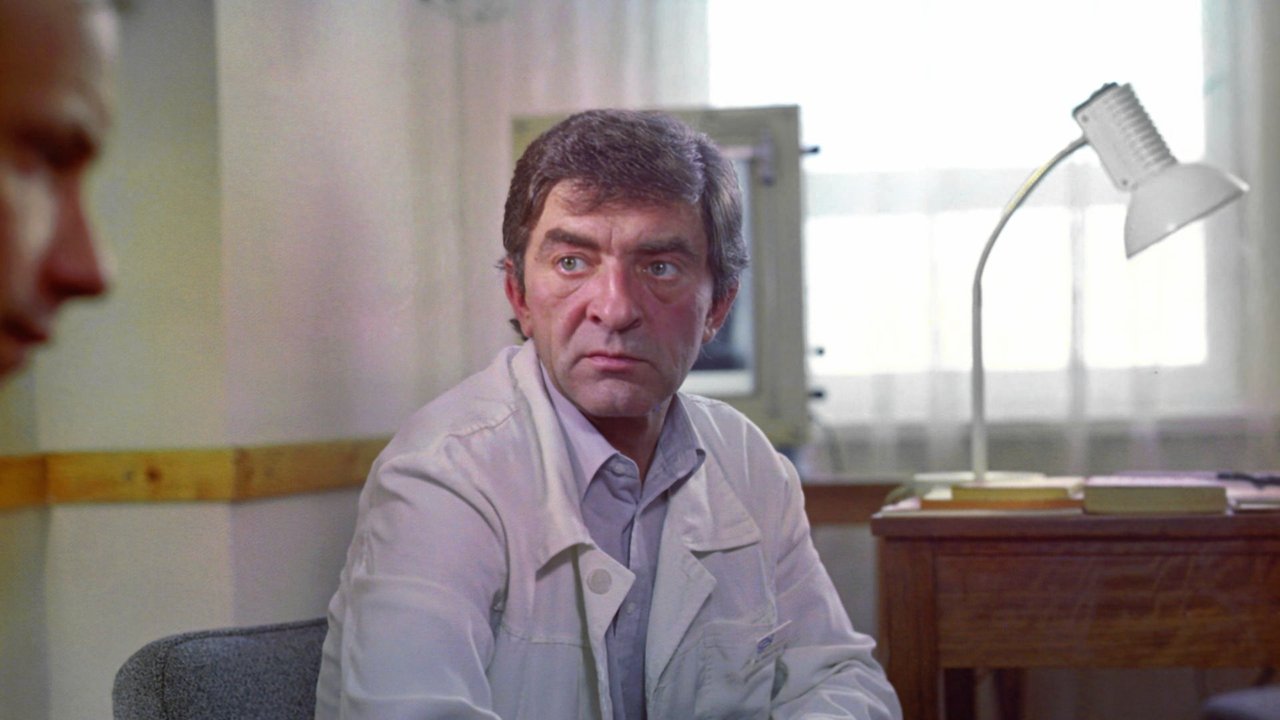
This being part of the monumental Decalogue series – ten hour-long films made for Polish television, each loosely inspired by one of the Ten Commandments – Kieślowski brings his signature style. Working with cinematographer Witold Adamek, he creates a world that feels both specific to late-80s Warsaw and universally resonant. The camera often lingers on faces, capturing subtle emotional shifts. The claustrophobic apartment becomes a character itself, trapping the couple in their escalating tension. It's a testament to the creative power born from constraint; these television films, made on modest budgets under challenging conditions in Poland at the time, achieved a depth and artistry that rivaled major theatrical releases, eventually finding global acclaim. Finding the whole series on VHS often required dedication, sometimes relying on taped-off-TV copies or specialist labels – a real collector's quest.
Retro Fun Facts Interwoven
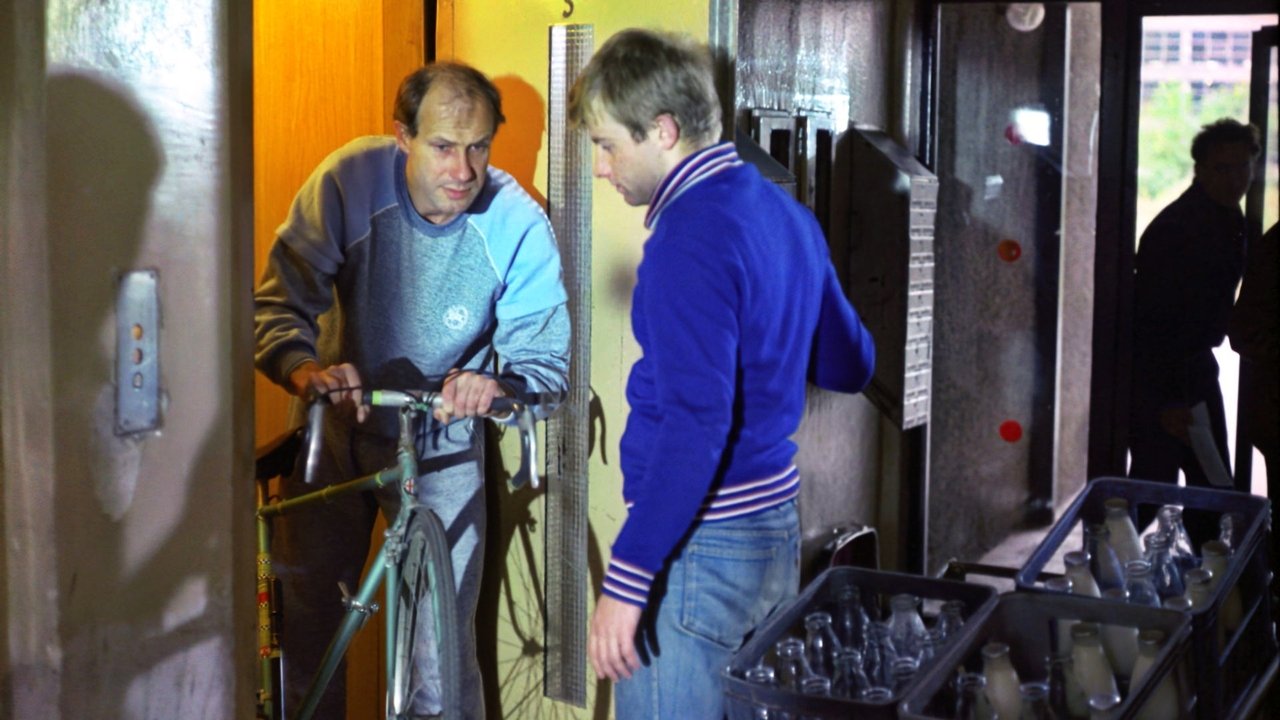
It’s fascinating how Kieślowski subtly weaves these stories together. Characters from other Decalogue installments sometimes drift through the background, reinforcing the sense of a shared universe within this sprawling apartment complex, a microcosm of human struggles. Remember the young man obsessed with watching his neighbor in Decalogue VI (A Short Film About Love)? Roman’s desperate eavesdropping here echoes that theme of voyeurism, showing how isolation and longing can twist perception. It's also worth noting that the haunting, minimalist score by Zbigniew Preisner, a key element across the series, perfectly underscores the emotional landscape without ever becoming manipulative. The initial reception outside Poland was slow but built steadily, as critics and audiences discovered the sheer power of these "TV movies." It’s a powerful reminder that profound cinema doesn’t always need a blockbuster budget.
The Lingering Ache
Decalogue IX isn't an 'easy' watch. It forces you to confront uncomfortable truths about vulnerability, the fragility of trust, and how physical intimacy is often intertwined with emotional security. What happens when the foundation of a relationship is shaken to its core? Can love survive profound, irreversible change? Kieślowski doesn't offer simple answers. Instead, he presents the situation with aching honesty, leaving the viewer to grapple with the emotional fallout. The film explores how the fear of betrayal can be as destructive as betrayal itself, a poison seeping into the spaces left by unspoken words and unmet needs. Pulling this tape out again, that slightly worn cardboard sleeve feeling familiar in my hands, reminded me of how potent quiet cinema can be. It doesn't rely on explosions, but on the implosions within the human soul.
Rating: 9/10
This score reflects the film's near-perfect execution of its difficult themes. The performances by Machalica and Błaszczyk are masterclasses in subtlety and emotional depth, Kieślowski's direction is assured and deeply empathetic, and the script explores complex moral territory with profound insight. It avoids easy judgments, presenting flawed, hurting humans with compassion. It only falls short of a perfect 10 perhaps because its intense focus might feel relentlessly bleak for some, but its power is undeniable.
Decalogue IX lingers not as a story with a neat resolution, but as a haunting question about the resilience of love in the face of profound personal loss and the destructive power of suspicion, invited or imagined. A true gem from the era, demonstrating the artistic heights television could reach.