It’s impossible to think about The Program (1993) without acknowledging the shadow that hangs over it – a shadow cast not by flickering stadium lights, but by a real-world tragedy. A specific scene, depicting a reckless act of youthful bravado on a busy highway, was excised from later prints and broadcasts after it was tragically linked to real-life copycat incidents. This single, unfortunate element has, for many, come to define the film, overshadowing its earnest attempt to capture the immense pressures and moral compromises lurking beneath the surface of big-time American college football. Watching it again now, on a format perhaps not far removed from the original VHS tapes many of us first saw it on, forces a contemplation not just of the film itself, but of the strange relationship between on-screen fiction and off-screen reality.
Beneath the Friday Night Lights
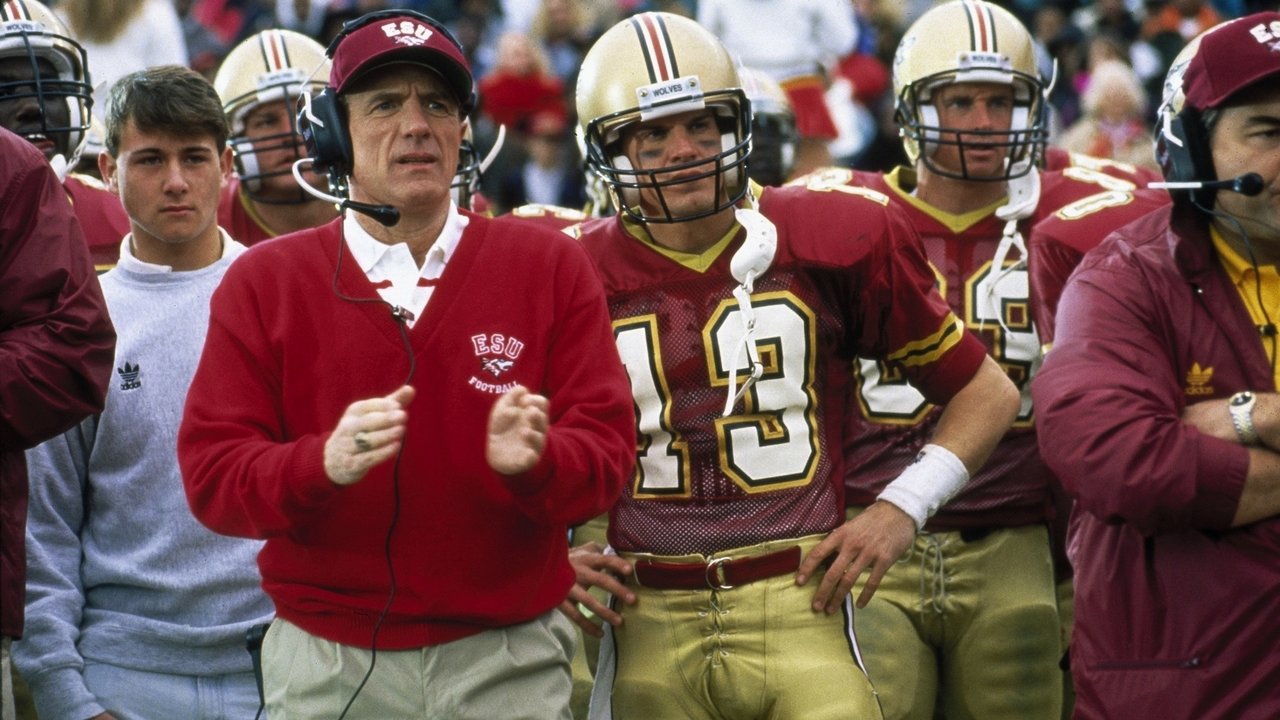
Directed and co-written by David S. Ward, who had previously gifted us the much lighter baseball classic Major League (1989) and penned the intricate con of The Sting (1973), The Program plunges us into the fictional world of the ESU Timberwolves. It’s a high-stakes environment where winning isn't everything, it's the only thing, and the pressure on the young men tasked with delivering those wins is immense. The film follows several interconnected storylines: the Heisman candidate quarterback Joe Kane (Craig Sheffer) battling his own demons and the weight of expectation; the talented freshman running back Darnell Jefferson (Omar Epps in a star-making early role) navigating academic eligibility and cultural adjustments; the defensive lineman Steve Lattimer (Andrew Bryniarski) resorting to steroids to keep his edge; and the seasoned, weary coach Sam Winters (James Caan) trying to hold it all together while battling boosters and university politics.
Ward doesn't shy away from the uglier aspects – the academic fraud, the allure of performance-enhancing drugs, the potentially career-ending injuries treated as mere setbacks, the entitled behavior fostered by athletic stardom. It paints a picture that felt jarringly authentic back in '93, a peek behind the curtain of collegiate sports pageantry that perhaps wasn’t always acknowledged so openly. The film captures that specific early 90s college atmosphere – the baggy clothes, the music, the particular brand of optimistic cynicism that permeated the era.
Performances Under Pressure
The ensemble cast is arguably the film's greatest strength. James Caan, bringing his trademark blend of simmering intensity and world-weariness, is perfectly cast as Coach Winters. He embodies the moral tightrope walk required of his position – the need to win clashing with a buried concern for his players' well-being. You feel the years of compromise etched on his face.
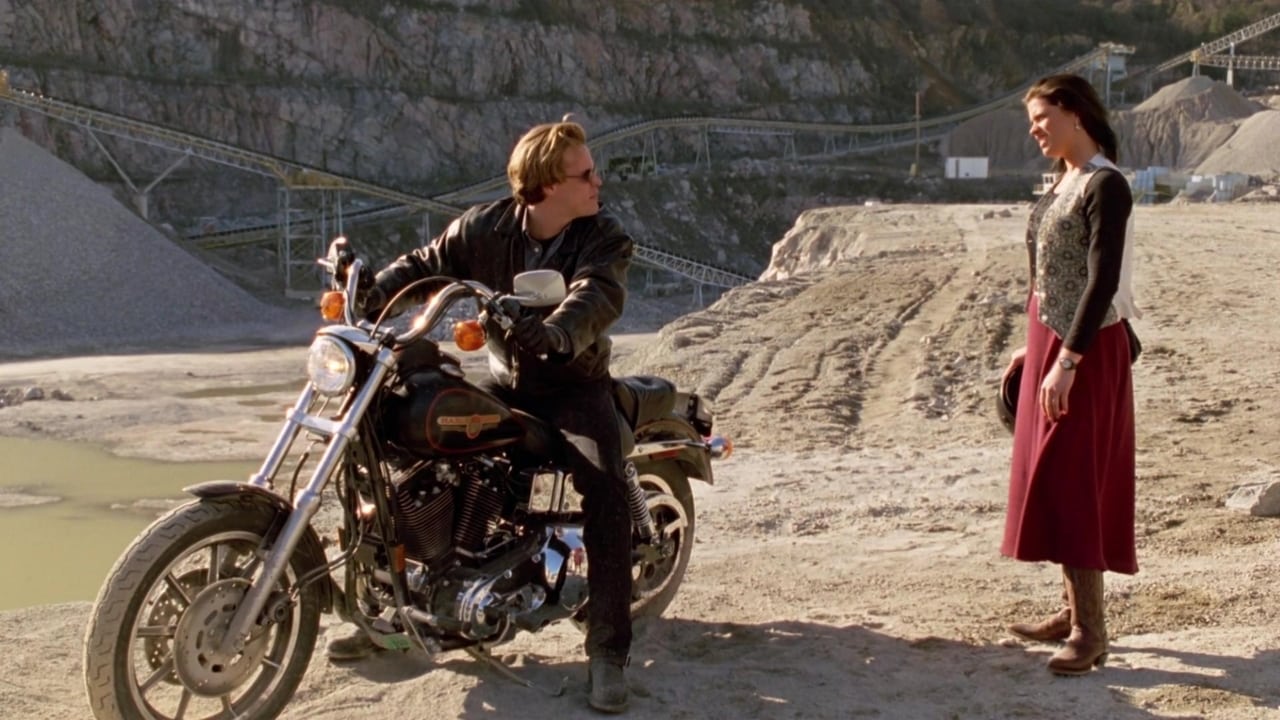
Among the younger cast, Omar Epps shines as Darnell, bringing a natural charisma and vulnerability to a character trying to find his footing in a world that wants to exploit his talent. Craig Sheffer captures the haunted quality of Joe Kane, the golden boy crumbling under pressure, though perhaps the script leans a little heavily into melodrama with his storyline. And Andrew Bryniarski is genuinely unsettling as Lattimer; his portrayal of 'roid rage' and desperation feels frighteningly committed. Halle Berry, as Darnell's tutor and romantic interest Autumn, provides a necessary counterpoint of normalcy and aspiration outside the football bubble, though her role feels somewhat underdeveloped compared to the male leads.
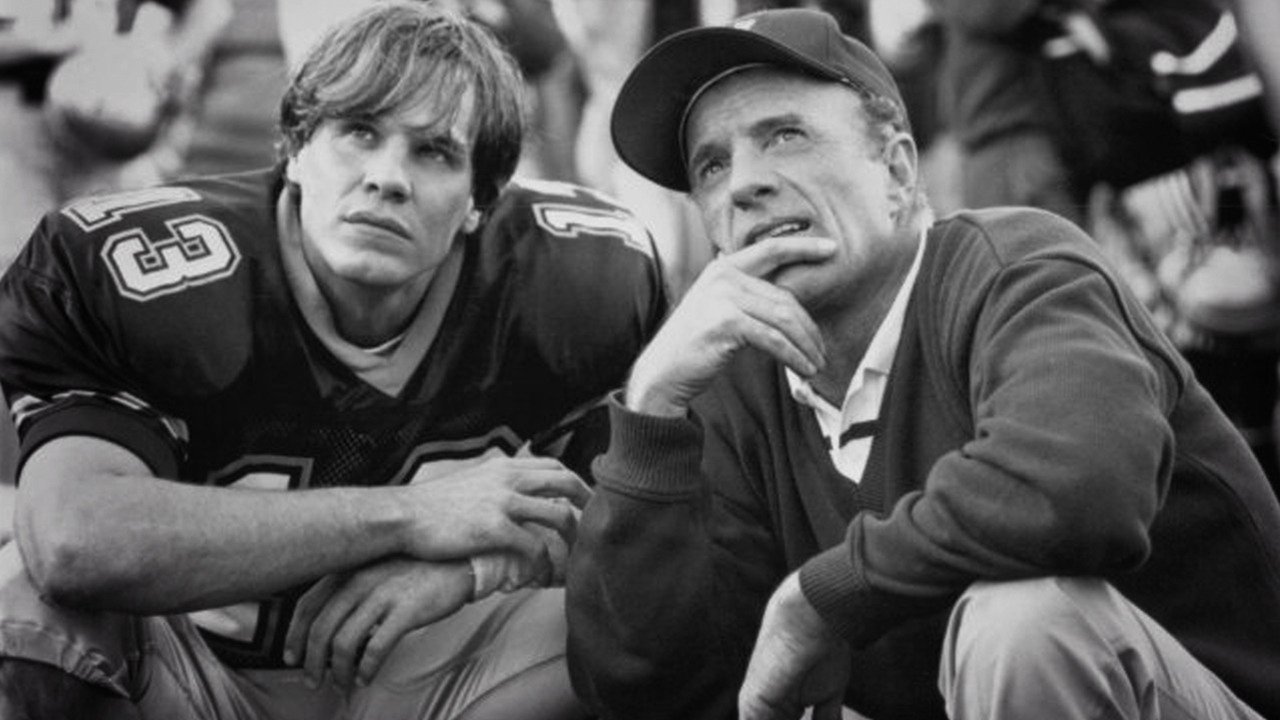
It’s the interplay between these characters, the shared burdens and disparate motivations, that gives the film its pulse. They feel less like archetypes and more like flawed individuals caught in a system far bigger than themselves.
The Elephant on the Highway
Let's address that infamous scene directly. Intended to show the reckless, almost nihilistic abandon of players pushed to their limits, the sequence where Lattimer and others lie down on the center line of a busy highway became a flashpoint. After real-world deaths were linked to teens imitating the stunt, Touchstone Pictures acted swiftly, removing the scene (approximately one minute long) from future theatrical prints, all subsequent home video releases (including VHS and DVD), and television broadcasts. Finding an uncut version today is incredibly difficult, making the version most of us remember the edited one. While the removal was undoubtedly the responsible decision, it undeniably altered the film's texture and removed a key (if problematic) character moment for Lattimer, making his arc feel slightly less complete in the commonly available cut. It's a stark reminder of cinema's potential, however unintentional, to influence behavior.
A Time Capsule with Rough Edges
Does The Program hold up? Yes and no. Some elements feel distinctly of their time – the training montages set to soaring rock anthems, certain dialogue choices, the specific brand of early 90s angst. The plot threads occasionally veer into predictable territory. Yet, its core themes remain surprisingly relevant. The questions it raises about the commodification of young athletes, the corrupting influence of money in college sports, the physical and mental toll demanded for glory – haven't these issues only intensified in the decades since?
Watching it now evokes that specific feeling of renting a slightly controversial movie from Blockbuster, the buzz surrounding it adding to the viewing experience. It wasn't perfect, even then, but it felt important, like it was saying something real about a world many only saw through the lens of Saturday afternoon broadcasts. The production itself reportedly cost around $15 million and pulled in a respectable, if not stellar, $23 million at the domestic box office. It wasn't a blockbuster smash, but it certainly found its audience, particularly among sports fans and those drawn to its grittier take.
Rating and Final Thoughts
The Program is a compelling, if flawed, piece of 90s sports cinema. It boasts strong performances, particularly from Caan and Epps, and tackles significant themes with earnestness, even if it occasionally stumbles into melodrama. Its legacy is undeniably complicated by the highway scene controversy, a factor that cannot be ignored in any discussion of the film. Yet, beneath that controversy lies a potent snapshot of the pressures facing young athletes, a time capsule that still resonates with uncomfortable truths. It captures the intensity, the sacrifice, and the often-unseen compromises behind the roar of the crowd.
Rating: 7/10
Justified by its strong ensemble cast, its brave (for the time) exploration of difficult themes within college athletics, and its memorable, if sometimes dated, depiction of early 90s sports culture. The rating is tempered slightly by some melodramatic elements and the unavoidable historical context of the removed scene impacting its original narrative flow for most viewers today.
It remains a film that sparks conversation, not just about football, but about the dreams we chase and the price we sometimes pay for them. What lingers most, perhaps, is the question of how much has truly changed in the high-stakes world it depicted.