Okay, pull up a chair, maybe grab a cold one. Let's talk about a film that didn't exactly offer the feel-good escapism of many 80s flicks, but instead grabbed you by the collar and shoved your face into the harsh realities of a city tearing itself apart. I’m talking about Dennis Hopper’s 1988 police drama, Colors. Watching this again after all these years, it's striking how it still carries the acrid smell of burnt asphalt and simmering tension that felt so potent back then, a stark contrast to the neon gloss often associated with the decade.
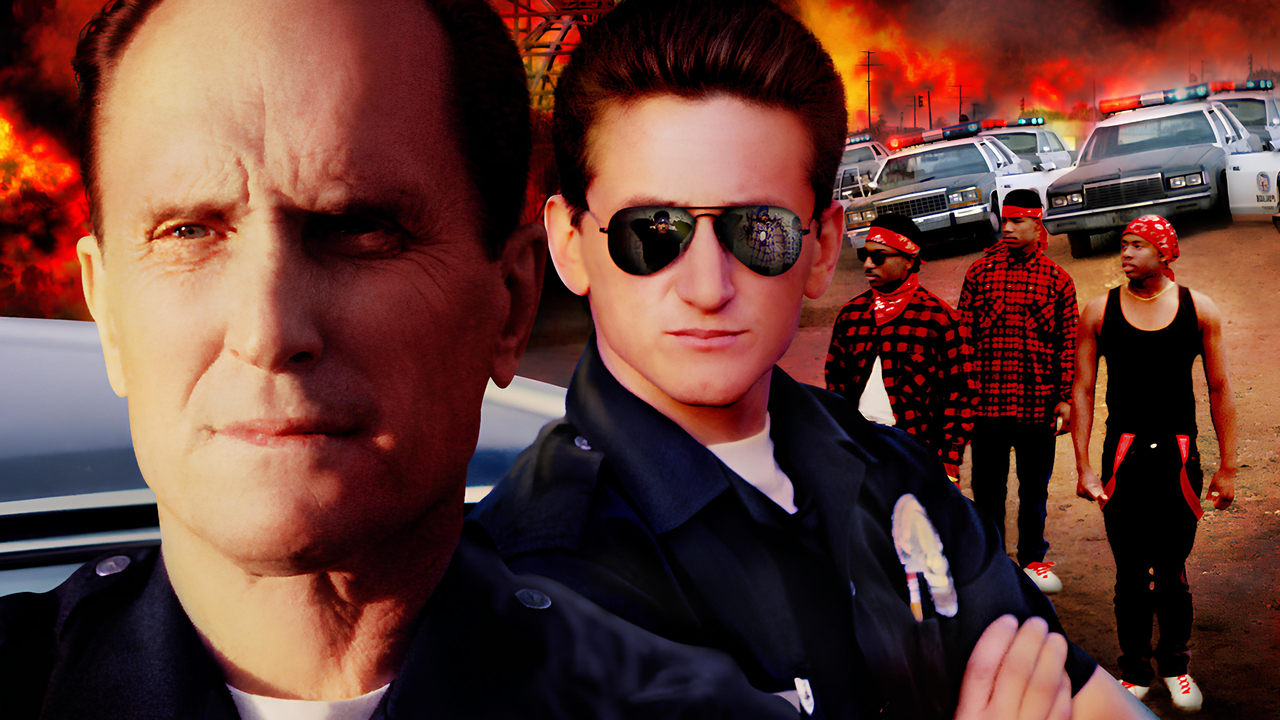
Street-Level Blues
The premise is simple enough on the surface: a grizzled veteran cop, Officer Bob Hodges (Robert Duvall), just days from retirement, gets partnered with a cocky, aggressive rookie, Danny McGavin (Sean Penn), in the LAPD's CRASH unit (Community Resources Against Street Hoodlums). Their beat is the gang-ravaged streets of East L.A. and South Central. But Colors quickly transcends the buddy-cop formula. It’s less about solving a specific case and more about immersing the viewer in the seemingly unwinnable war between the Bloods, the Crips, and the police trying, often brutally and sometimes futilely, to keep a lid on the chaos.
What Dennis Hopper, drawing perhaps from the same counter-culture wellspring that gave us Easy Rider (1969), achieves here is a sense of almost suffocating authenticity. Forget slick Hollywood car chases (though there are moments of action); this feels grounded, gritty, filmed on the actual streets where these conflicts raged. There’s a rawness to the visuals, a documentary-like immediacy that was frankly shocking for a mainstream studio picture at the time. You feel the heat radiating off the pavement, the constant hum of background danger.
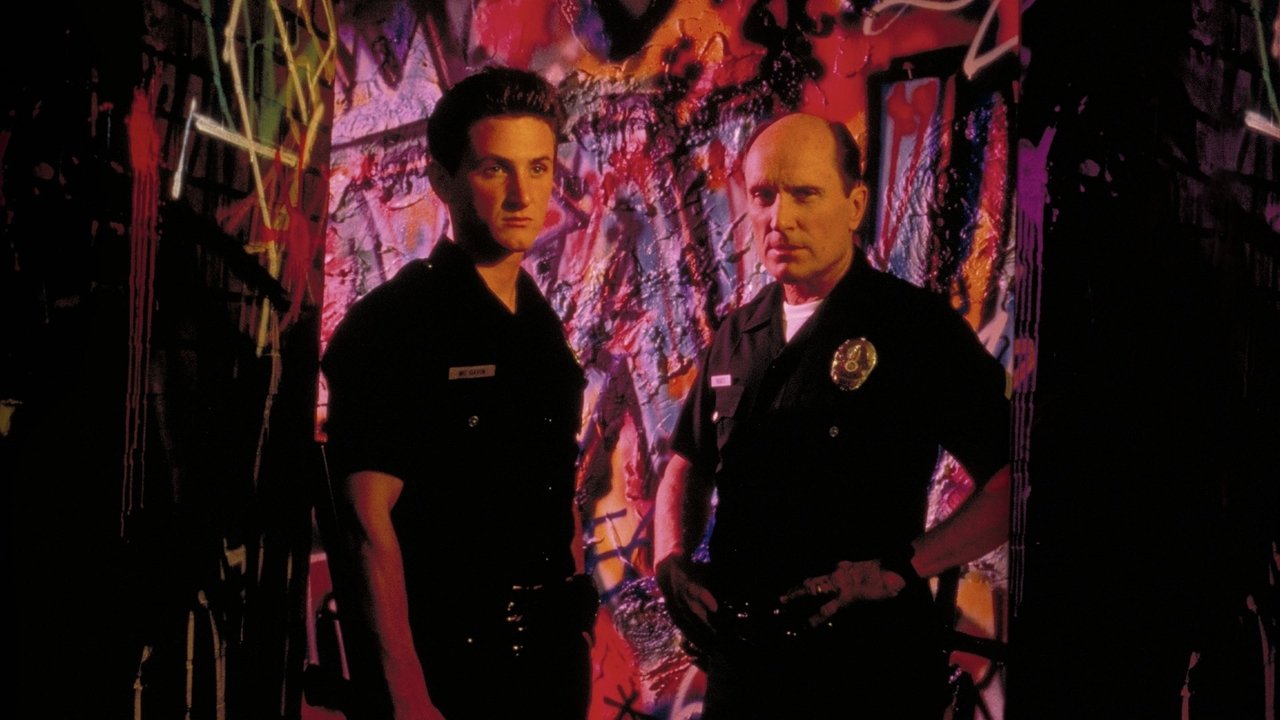
Oil and Water in Blue
At the heart of Colors is the clash between its two leads, and it’s a masterclass in contrasting styles. Robert Duvall, embodies weary experience. His Hodges isn’t cynical, exactly, but deeply pragmatic. He understands the streets have their own codes, their own language. He knows pushing too hard can ignite a powder keg, that sometimes talking is better than bashing heads – a lesson learned over years of seeing the same cycles repeat. Duvall plays him with a quiet authority, a deep well of sadness behind his eyes. You believe this man has seen it all and carries the weight of it.
Then there’s Sean Penn as McGavin. All coiled energy, simmering rage, and bristling insecurity masked as arrogance. He’s the bull in the china shop, convinced that aggressive tactics and displays of dominance are the only language the gangs understand. Penn is electric, embodying the raw, often misguided, intensity of youth convinced it has all the answers. Their partnership isn't about gradual bonding; it's a constant friction, a philosophical battleground representing two fundamentally different approaches to policing, and perhaps, to life itself. Does showing respect earn it, or does projecting force command it? The film doesn't offer easy answers.
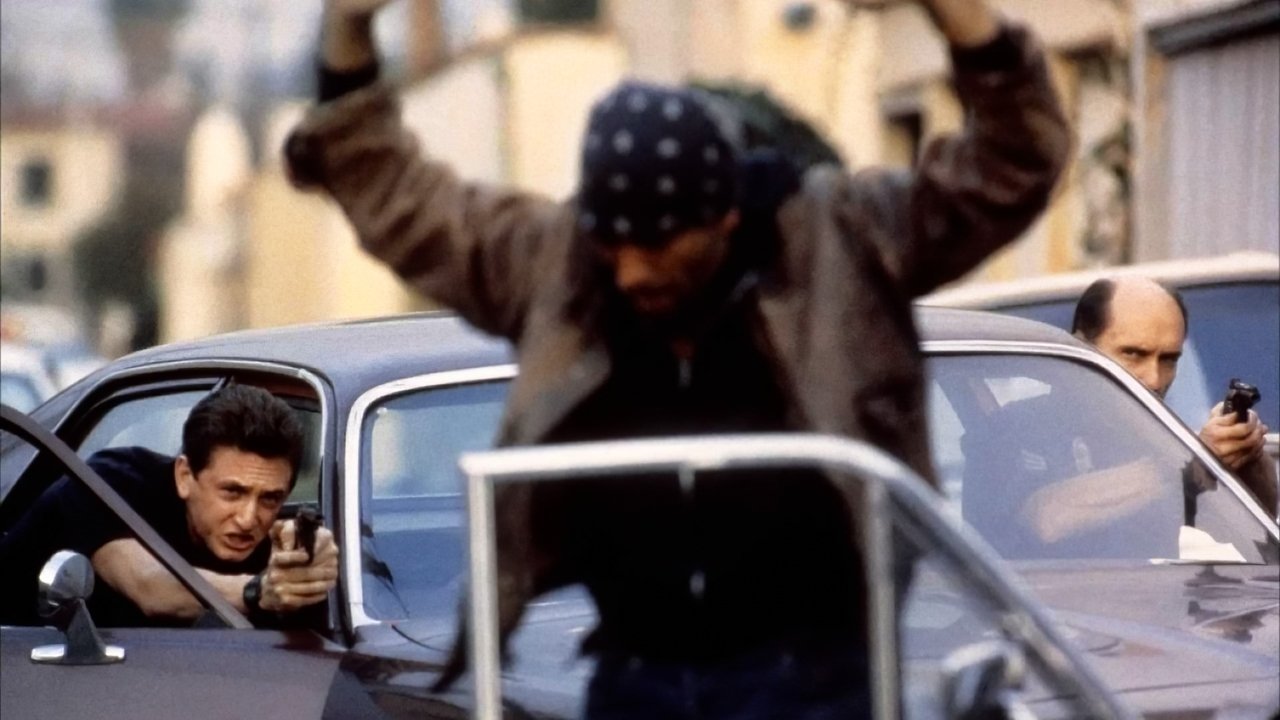
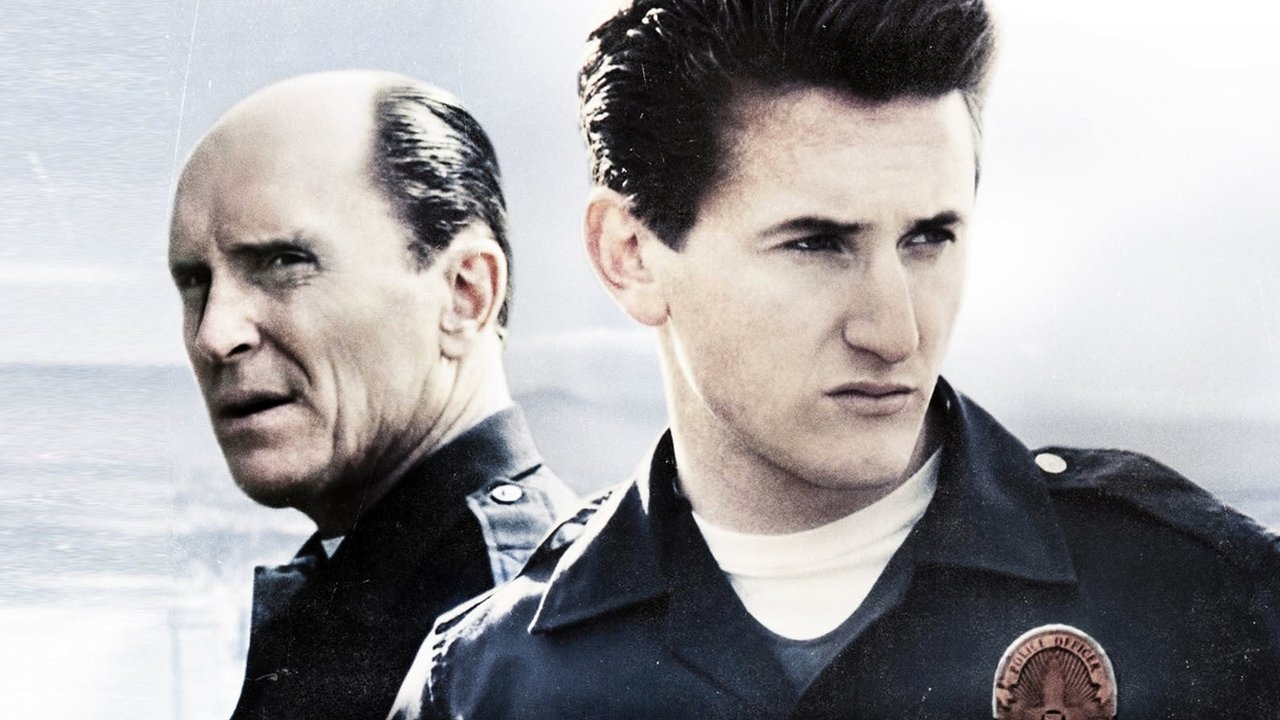
Echoes from the Set
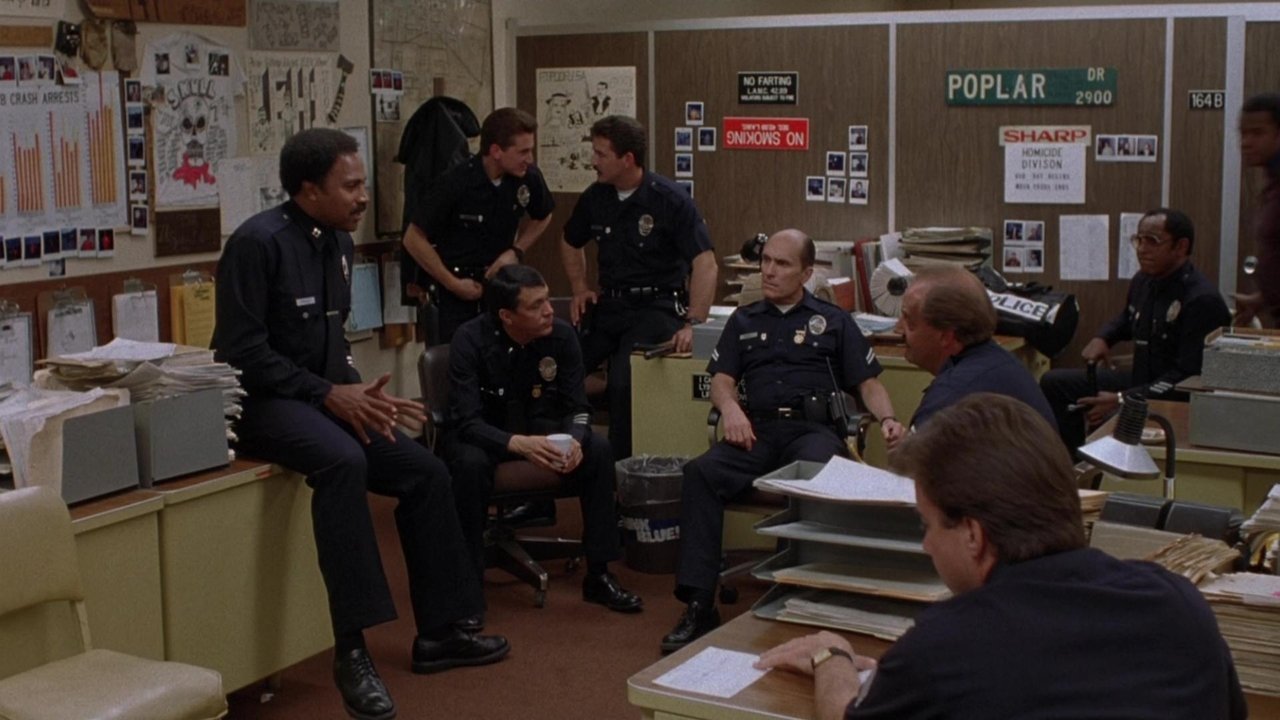
That feeling of authenticity wasn't just cinematic technique. Hopper famously hired actual gang members from rival sets as extras and advisors, a move that reportedly created genuine tension on set but undeniably added a layer of verisimilitude you simply couldn't fake. Screenwriter Michael Schiffer had spent considerable time researching CRASH officers, and that groundwork shows. There’s a procedural element, a glimpse into the daily grind, the station house politics, and the specific slang and tactics that feels earned. It wasn't universally praised for this; Colors faced significant controversy upon release, with some critics and community leaders accusing it of glamorizing gang violence or even inciting it. Watching it now, it feels more like a harrowing snapshot of a specific, terrible moment in L.A.'s history.
And you can't talk about Colors without mentioning its groundbreaking soundtrack. Helmed by the legendary Herbie Hancock, it prominently featured Ice-T's title track, "Colors." This wasn't just background music; it was one of the first times a major Hollywood film integrated West Coast gangster rap so centrally into its identity, giving voice to the very streets depicted on screen. It felt dangerous, exciting, and undeniably real – a sound that perfectly matched the film's raw energy. For a film made on a relatively modest budget of around $6.5 million, its $46.6 million box office take suggested it struck a nerve, controversy and all.
More Than Just Black and White (or Blue)
While the focus is squarely on Hodges and McGavin, Maria Conchita Alonso provides a crucial counterpoint as Louisa Gomez, McGavin's love interest who offers a perspective from within the community caught in the crossfire. Her character navigates the treacherous space between loyalty to her neighbourhood and attraction to the aggressive young cop, highlighting the human cost of the conflict beyond the uniformed officers and painted bandanas.
Colors doesn’t flinch. It shows brutality on all sides – gang-on-gang, police-on-suspect. It depicts moments of connection and understanding, quickly followed by betrayal and violence. There’s a pervasive sense of despair, a feeling that this war has no winners, only victims. The ending offers no neat resolution, no triumphant ride into the sunset. It leaves you with a lingering sense of unease, the cyclical nature of the violence grinding on.
The Verdict
Colors remains a powerful, provocative piece of filmmaking. It's not an easy watch, nor should it be. Its unflinching portrayal of gang violence and police work in late 80s Los Angeles is still potent, anchored by two phenomenal central performances from Duvall and Penn at the top of their game, and guided by Dennis Hopper's uncompromising vision. It captures a specific cultural moment with stark clarity, warts and all. I remember renting this from the local video store, the stark cover art promising something intense, and it delivered. It sparked conversations back then, and frankly, the questions it raises about policing, community, and the roots of violence still resonate today.
Rating: 8/10
The rating reflects its raw power, exceptional performances, and historical significance as a gritty time capsule. It loses a couple of points perhaps for a narrative that occasionally feels more episodic than driven, and some supporting character arcs feel slightly underdeveloped compared to the leads. Still, its impact is undeniable.
Colors isn't just a movie; it's a raw nerve exposed, a difficult but essential snapshot from the VHS shelf that reminds us of the complex, often brutal realities that existed beneath the glossy surface of the 80s. It stays with you, long after the screen goes dark.