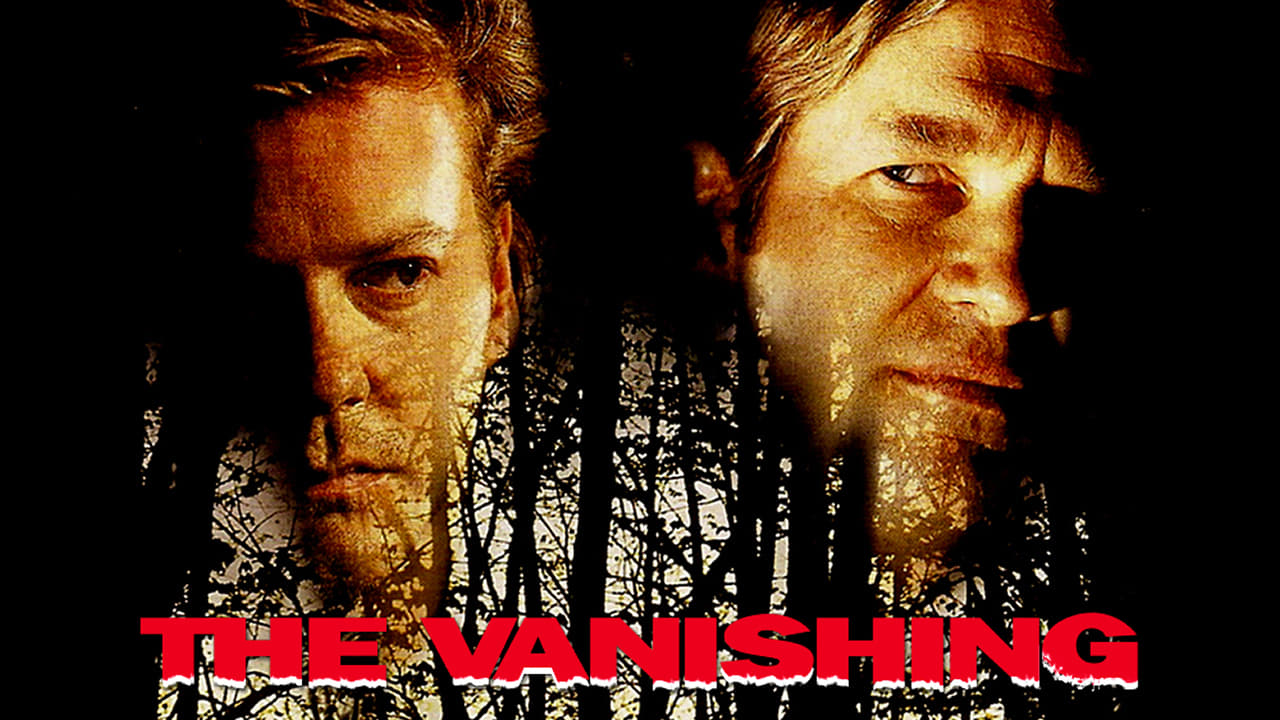
Here we go, another trip down the rabbit hole of 90s thrillers pulled from the shelves of memory (and probably Blockbuster). Remember the unsettling promise held by certain VHS boxes, the ones that didn't rely on explosions but hinted at something darker creeping just beneath the surface? 1993's The Vanishing was decidedly one of those. It arrived carrying the ghost of its predecessor – the chilling 1988 Franco-Dutch original (Spoorloos) – and the heavy burden of expectation, especially given that original director George Sluizer returned to helm this Hollywood adaptation. The central question it poses is immediate and terrifying: what happens when someone you love simply... disappears, without a trace, in broad daylight?
### The Lingering Absence
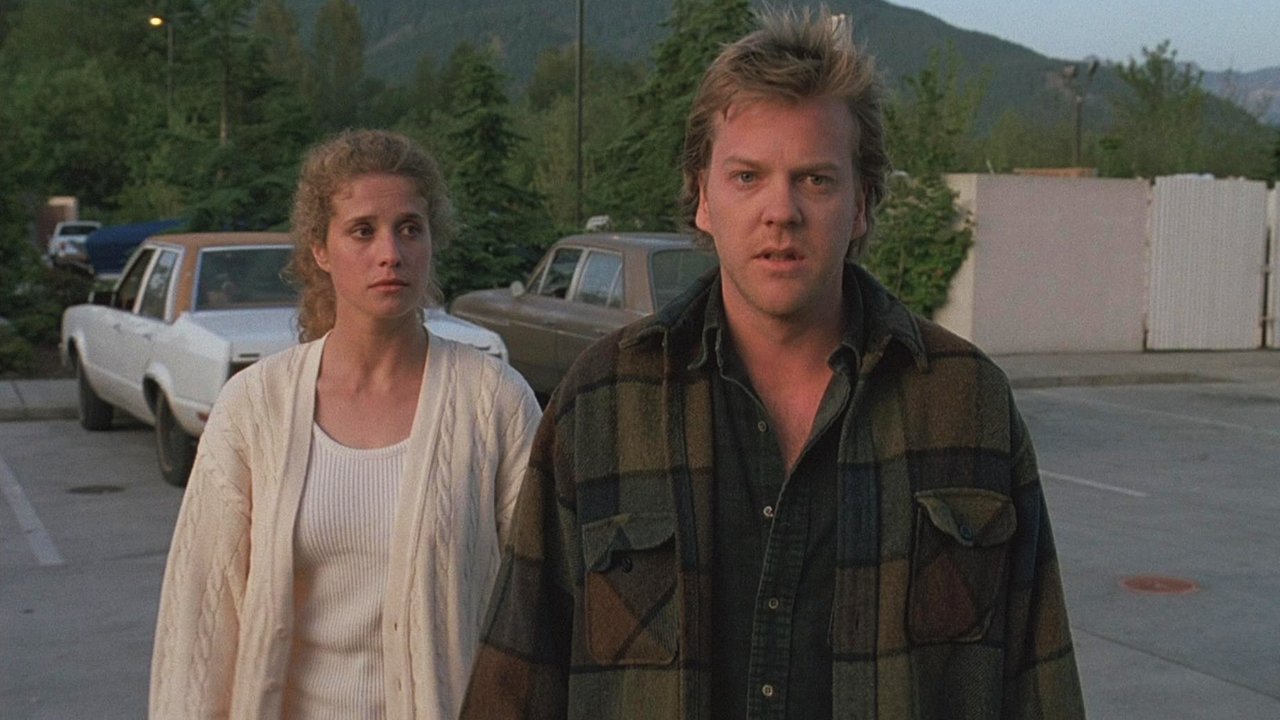
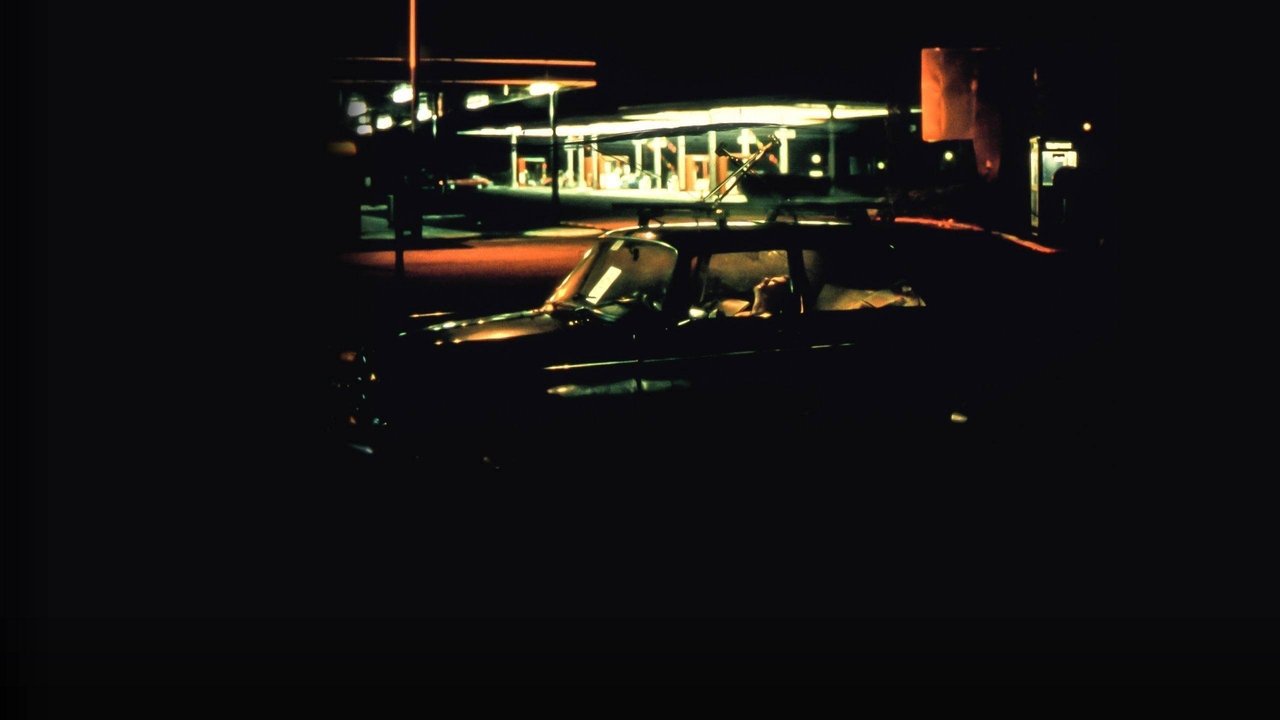
The film plunges us straight into the raw grief and burgeoning obsession of Jeff Harriman, played with a desperate energy by Kiefer Sutherland. Sutherland, already a familiar face from hits like Young Guns (1988) and Flatliners (1990), effectively conveys the consuming nature of Jeff's three-year search for his girlfriend Diane (Sandra Bullock, in an early, brief role), who vanished from a crowded gas station. His life becomes a fractured monument to her absence, plastering missing posters, chasing down fruitless leads, his hope dwindling but his fixation hardening. It’s a portrayal that taps into a primal fear – the sudden, inexplicable loss, the void that logic cannot fill. Doesn't that uncertainty, that lack of closure, feel like the cruelest torture of all?
### An Unsettling Invitation
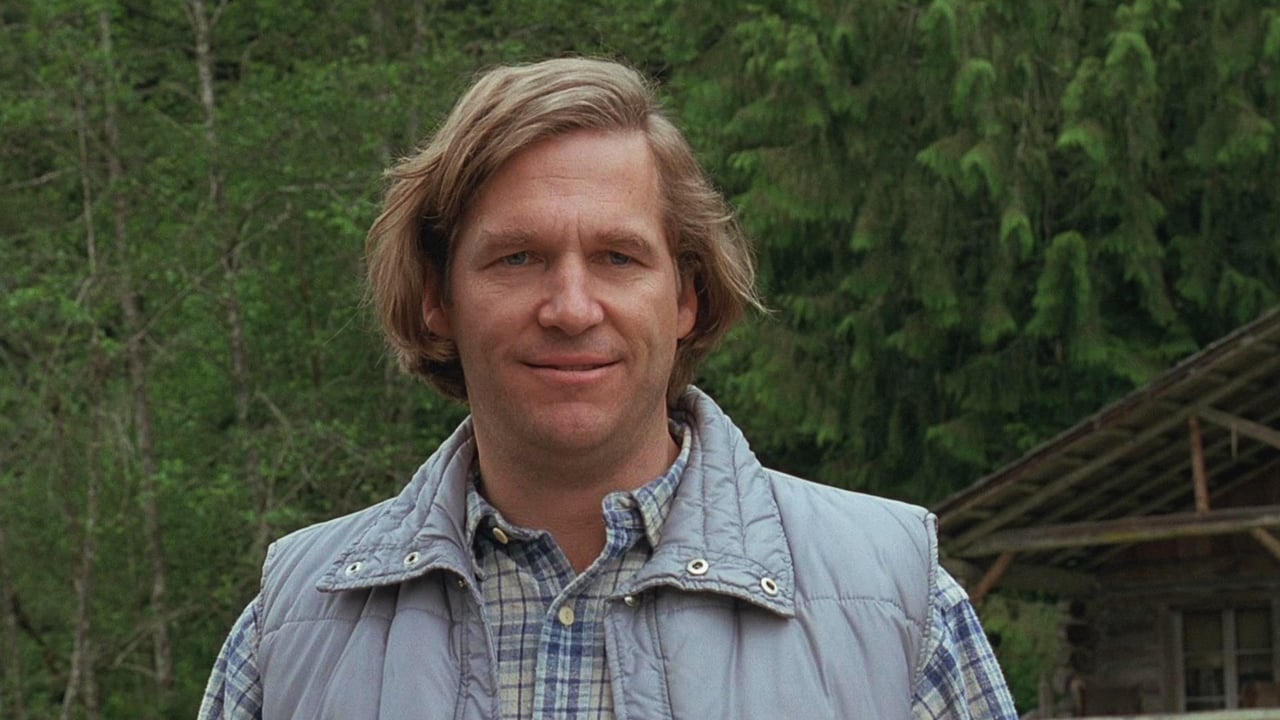
Where the film truly distinguishes itself – and sparks enduring debate – is with the introduction of Barney Cousins. Jeff Bridges, an actor often associated with charm and laid-back charisma (The Big Lebowski wouldn't redefine his image until 1998), delivers a performance that is profoundly disturbing precisely because it doesn't rely on overt monstrosity. Barney is a chemistry teacher, a seemingly ordinary family man, meticulously planning his abduction with a chilling detachment that feels almost scientific. Bridges imbues him with an unnerving calmness, a soft-spoken demeanor that makes his eventual revelations all the more horrifying. He approaches Jeff not with malice, but with a twisted sort of intellectual curiosity, offering the one thing Jeff craves: answers. The scenes between Sutherland and Bridges crackle with a perverse tension – the desperate victim drawn inexorably towards the architect of his pain. It's a fascinating, deeply uncomfortable dynamic.
One intriguing bit of trivia often surfaces regarding Bridges' preparation: he reportedly studied interviews with serial killers, aiming to capture that banal, almost bureaucratic approach to evil, rather than portraying a stereotypical movie monster. This dedication certainly translates into the character's unsettling authenticity. His methodical testing of chloroform techniques on himself at his remote cabin is one of those moments that just sticks with you, long after the tape needed rewinding.
### The Remake Dilemma
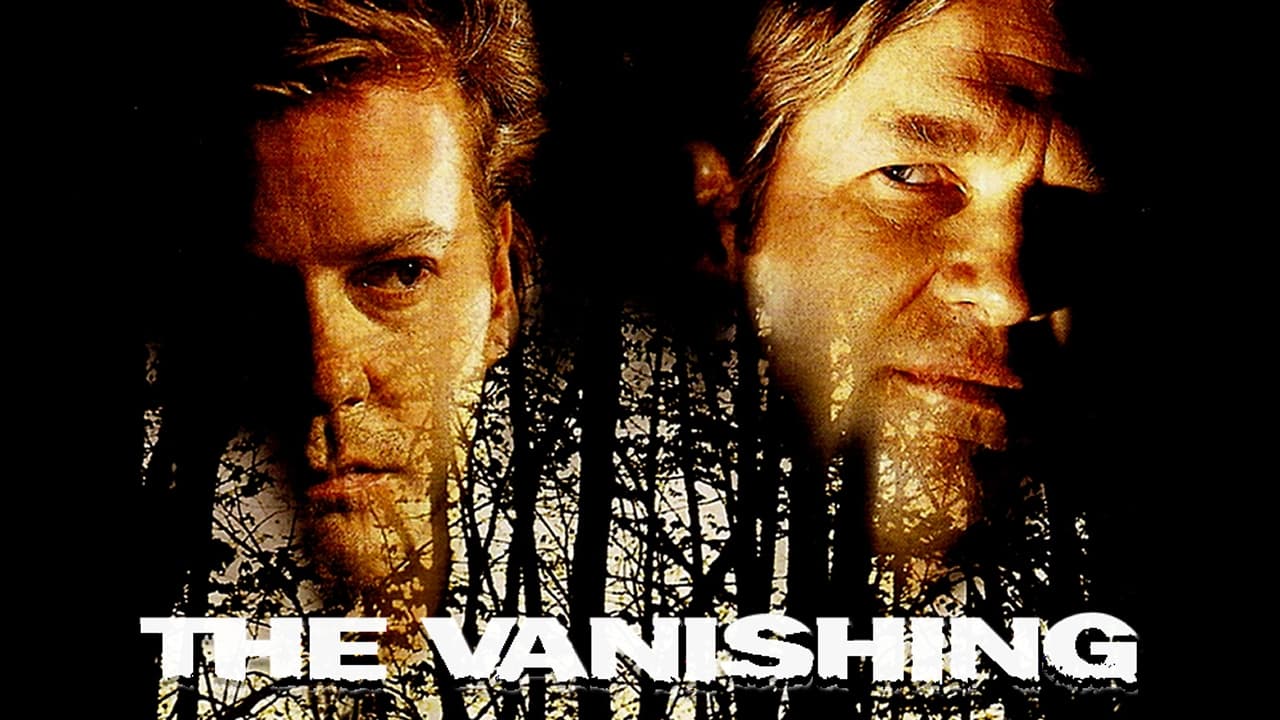
Now, we have to address the elephant in the room: this is George Sluizer remaking his own critically acclaimed film. It's a rare and fascinating situation. The original Spoorloos is notorious for its utterly bleak, existentially terrifying ending – one of the most talked-about and emotionally devastating conclusions in cinema history. Sluizer, working with screenwriter Todd Graff (adapting Tim Krabbé's novella), made the controversial decision to significantly alter the finale for American audiences.
(Potential Spoilers Ahead for the ending difference – skip this paragraph if you wish to remain completely unspoiled!)
This revised ending introduces a new character, Rita (Nancy Travis, known then from films like Three Men and a Baby), Jeff's supportive new girlfriend, who plays a much more active role in the climax. While Travis brings a welcome strength and agency to her character, the shift towards a more conventional, action-oriented resolution undeniably softens the original's brutal punch. It replaces existential dread with a more standard thriller payoff. Was this a necessary concession for Hollywood, or a dilution of the story's core power? It’s a question that divided critics and audiences sharply back in '93, and still fuels debate among fans of both versions. Reportedly, studio pressure was significant, demanding a more 'satisfying' conclusion for mainstream viewers. The film still performed modestly, grossing around $14.5 million on a budget estimated near $20 million.
### Atmosphere and Craft
Despite the ending controversy, Sluizer still crafts a genuinely tense and atmospheric thriller for much of its runtime. He understands how to use mundane locations – a bustling rest stop, a quiet suburban home, a remote cabin – and imbue them with a sense of lurking dread. The cinematography often emphasizes Jeff's isolation and Barney's calculated movements. The score, too, effectively underscores the psychological tension without becoming overbearing. The film might not reach the profound darkness of its predecessor, but it succeeds on its own terms as a well-made, often gripping early 90s psychological thriller. It captures that specific feel of the era's studio thrillers – competent, star-driven, but occasionally capable of delivering real chills.
### Final Thoughts
Watching The Vanishing (1993) today feels like revisiting a complex piece of VHS history. It’s slicker, more accessible, and certainly less soul-crushing than the original, but it boasts a truly unnerving performance from Jeff Bridges and effectively captures the nightmare of unresolved loss through Kiefer Sutherland’s desperate quest. It’s a film that forces you to confront uncomfortable questions about the banality of evil and the lengths one might go to for answers, even if the ultimate resolution feels somewhat compromised compared to its source. Did you rent this one back in the day, perhaps unaware of the original, and find yourself captivated by Bridges' quiet menace?
Rating: 6.5/10
Justification: The film is well-acted, particularly by Bridges, and maintains a palpable sense of dread for much of its runtime. Sutherland effectively portrays the obsessive grief. However, the altered, more conventional Hollywood ending significantly detracts from the profound impact of the original story, making it feel somewhat compromised, even with the original director at the helm. It's a solid thriller, but overshadowed by its source material's brilliance and bravery.
Final Comment: A chilling reminder that sometimes the most terrifying monsters wear the most ordinary faces, even if Hollywood ultimately blinked when staring into the abyss.