Here we go again, fellow tape travelers, pulling another intriguing case from the stacks. This time, it’s 1994’s Silent Fall, a psychological thriller that perhaps didn't shout its presence from the rooftops like some of its contemporaries but certainly left a whisper in the minds of those who tracked it down at the local video store. What sticks with me most, rewatching it now, isn't just the central mystery, but the unsettling quietude surrounding a child who holds the key – a silence born of profound trauma.
Whispers in the Dark
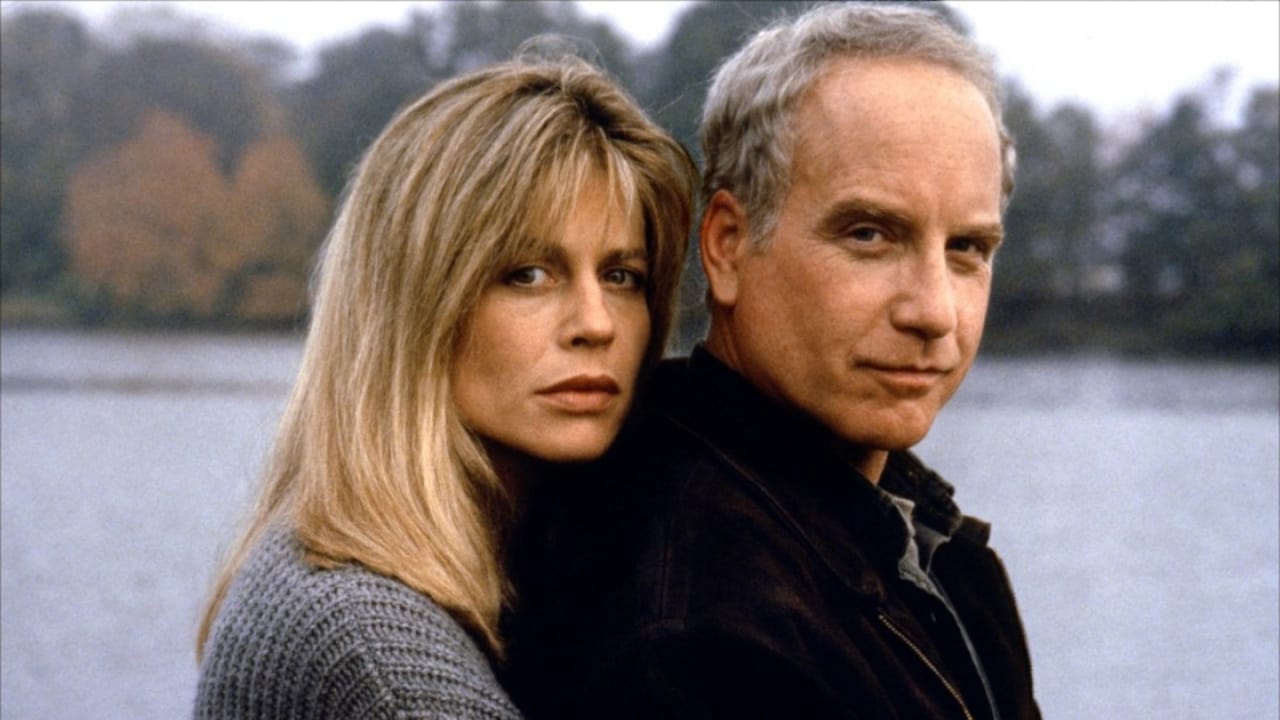
The setup is immediately gripping: a brutal double homicide in a wealthy suburban home. The only witness? Nine-year-old Tim Warden, who is autistic and now rendered non-verbal by the horror he’s experienced. The police are stumped. Enter Dr. Jake Rainer (Richard Dreyfuss), a former child psychiatrist who quit the field after a patient's tragic death. Persuaded back for this one difficult case by his wife Karen (Linda Hamilton, taking a compelling dramatic turn away from the action heroism of Terminator 2: Judgment Day (1991)), Jake finds himself attempting to communicate with a boy locked inside his own world, a world that now contains the terrifying image of his parents' killer.
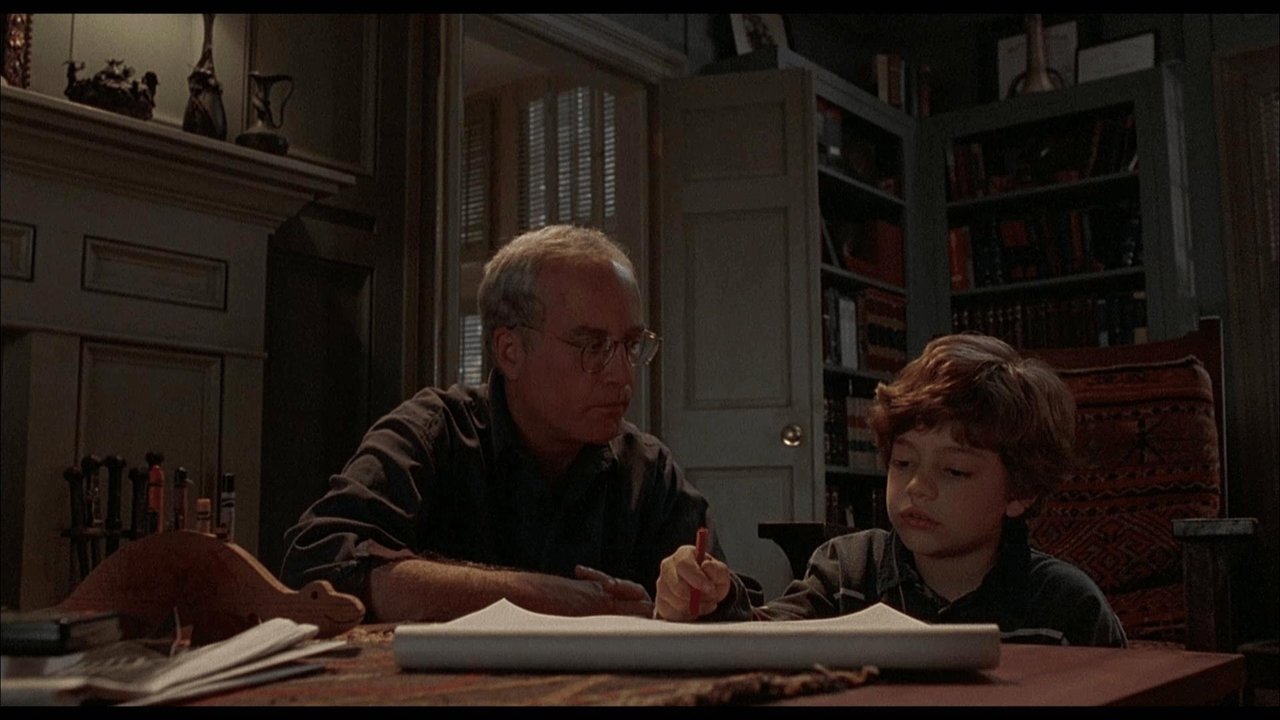
It's a premise ripe with potential, touching on themes of communication, trauma, and the lengths one might go to uncover the truth. What elevates Silent Fall beyond a standard procedural is its focus on the therapeutic process, however unconventional. Jake’s methods, particularly his use of mimicry and empathetic engagement to connect with Tim, form the film's core. There's a vulnerability here, both in the grieving child and the hesitant doctor, that draws you in. Does this unconventional approach cross ethical lines? The film certainly invites us to ponder that question, especially with the presence of Dr. Rene Harlinger (John Lithgow, perfectly cast as the professional rival questioning Jake's every move), representing the more rigid, established psychiatric viewpoint.
A Child Shall Lead Them?
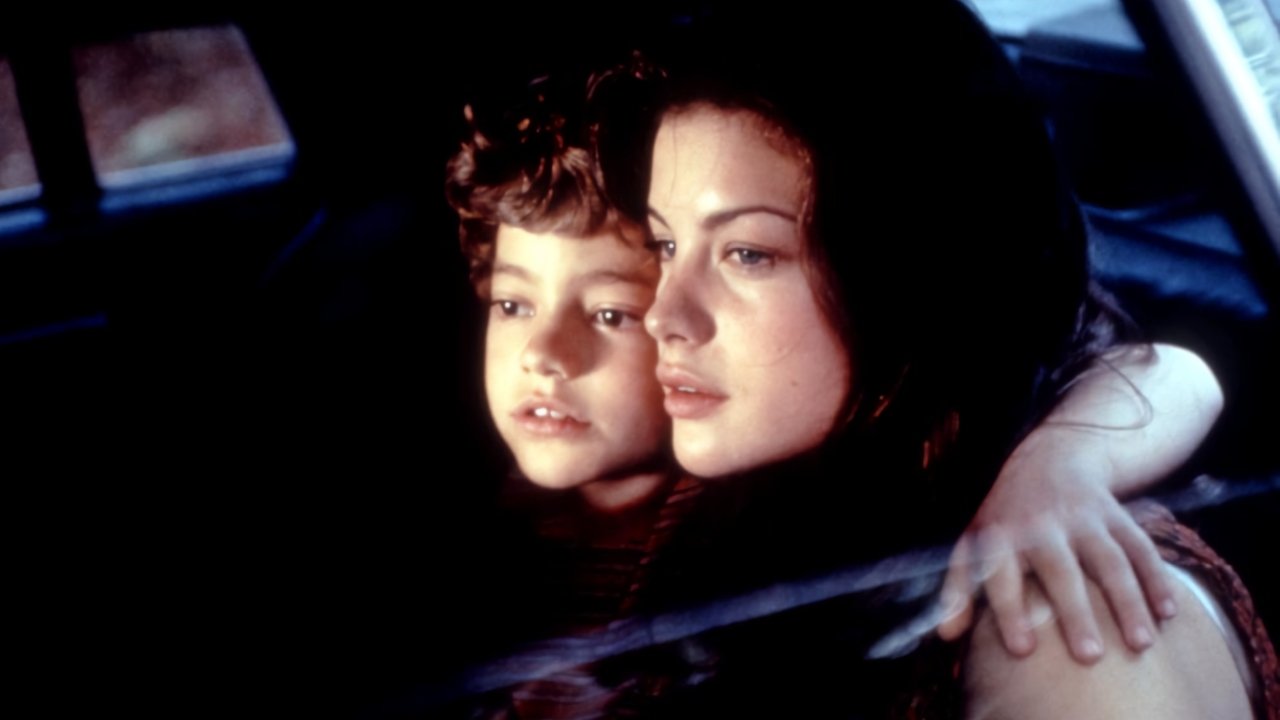
The weight of the film rests significantly on the young shoulders of Ben Faulkner as Tim. Portraying autism on screen is always a challenge, and doing so through the lens of intense trauma adds another layer of complexity. Faulkner delivers a remarkably physical and intuitive performance. His mimicry, his sudden shifts in focus, his moments of connection and withdrawal – these feel carefully observed rather than merely performed. It’s through Tim’s eyes, his fragmented re-enactments, that the chilling puzzle pieces begin to emerge. It’s a demanding role, and Faulkner, guided likely by director Bruce Beresford, navigates it with considerable sensitivity for a young actor. Watching him interact with Richard Dreyfuss is fascinating; Dreyfuss, shedding some of his trademark manic energy for a more restrained, almost wounded portrayal, creates a believable rapport built on patience and fragile trust. It’s a side of Dreyfuss we didn’t always see after his huge comedic and dramatic hits of the 70s and 80s, like Jaws (1975) or Close Encounters of the Third Kind (1977).
It's also impossible to discuss the cast without mentioning a very young Liv Tyler in her feature film debut as Tim's older sister, Sylvie. Even then, there was an undeniable screen presence, a hint of the ethereal quality mixed with teenage vulnerability that would soon make her a star. Her role is pivotal, not just as another potential source of information, but as a protective sibling grappling with her own grief and confusion.
Behind the Silence
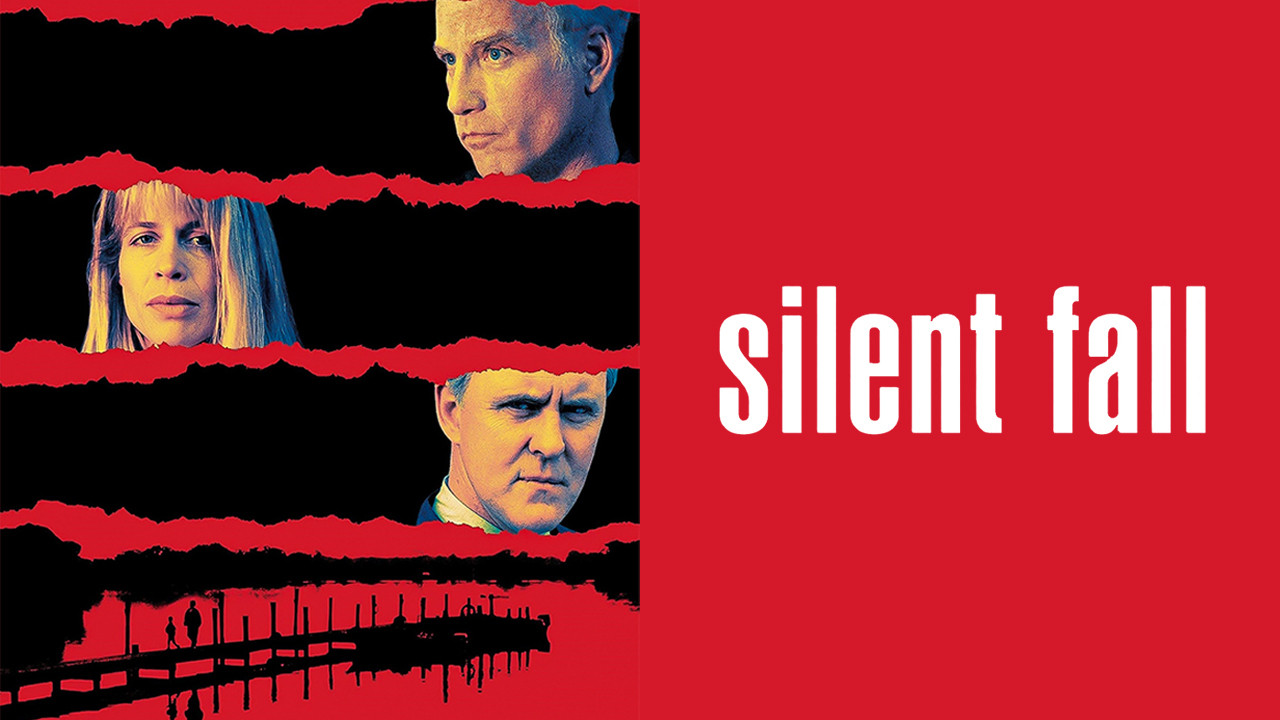
Directed by the accomplished Bruce Beresford, known for character studies like Driving Miss Daisy (1989) and Tender Mercies (1983), Silent Fall benefits from his focus on performance and atmosphere over flashy thriller mechanics. The film feels deliberately paced, allowing the tension to build through psychological uncertainty rather than relentless action sequences. This approach, however, might have contributed to its somewhat muted reception back in '94. Written by Akiva Goldsman, who would later pen vastly different films like A Beautiful Mind (2001) and Batman & Robin (1997), this early script shows ambition in tackling complex psychological themes, even if the eventual resolution feels a touch contrived compared to the nuanced build-up.
Interestingly, Silent Fall didn't exactly set the box office alight. Made for a reported $3.2 million, it only grossed around $3.6 million domestically – a disappointment, especially given the star power involved. Critical reception was decidedly mixed too, with some praising the performances and premise, while others found the plot mechanics unconvincing or the handling of autism potentially problematic, even by 90s standards. It became one of those titles you'd spot on the shelf, perhaps intrigued by the cast, rent it, and find yourself thinking about it afterward, even if it wasn’t destined for classic status. I remember renting this one, expecting maybe more of a standard cat-and-mouse thriller, and being surprised by its quieter, more character-driven focus. It felt… different.
The Verdict from the Couch
Rewatching Silent Fall today, it holds up as a compelling, if slightly flawed, piece of 90s psychological drama. Its strengths lie in the central performances – particularly Dreyfuss's grounded empathy and Faulkner's challenging portrayal – and its willingness to explore the difficult terrain of trauma and communication. Beresford’s direction lends it a thoughtful quality often missing in the genre. However, the plot mechanics sometimes strain credulity, and the final reveal, while aiming for shock, might feel a bit predictable to modern audiences seasoned on intricate thrillers. The depiction of autism, while seemingly well-intentioned for its time, might also invite contemporary critique.
It’s not a perfect film, but it’s far more interesting than its relative obscurity might suggest. It asks questions about empathy, healing, and the darkness that can lie beneath tranquil surfaces – questions that linger after the static hits the screen.
Rating: 6/10
Justification: The strong performances from Dreyfuss and Faulkner, alongside Beresford's sensitive direction and an intriguing core concept, make Silent Fall a worthwhile watch. However, it's held back by some uneven pacing, plot contrivances in the third act, and a resolution that doesn't quite live up to the psychological depth hinted at earlier. It's a solid rental night discovery from the VHS era, but not quite a hidden gem.
Final Thought: Silent Fall remains a potent reminder that sometimes the most terrifying things aren't spoken aloud, but echoed in the silences left behind. A thoughtful, if imperfect, trip back to the mid-90s thriller shelf.