There's a certain kind of bittersweet ache that some late-90s films evoke, a specific blend of earnest sentimentality and burgeoning cynicism that feels unique to that moment just before the millennium turned. Simon Birch (1998) embodies this feeling perhaps more potently than most. It arrived on video store shelves looking like a heartwarming family drama, yet beneath its surface lies a story grappling with profound questions of faith, destiny, and the often inexplicable cruelty and beauty of life. Revisiting it now feels like unearthing a time capsule, not just of late-90s filmmaking, but of a particular kind of fragile hope.
A Small Boy, A Grand Purpose
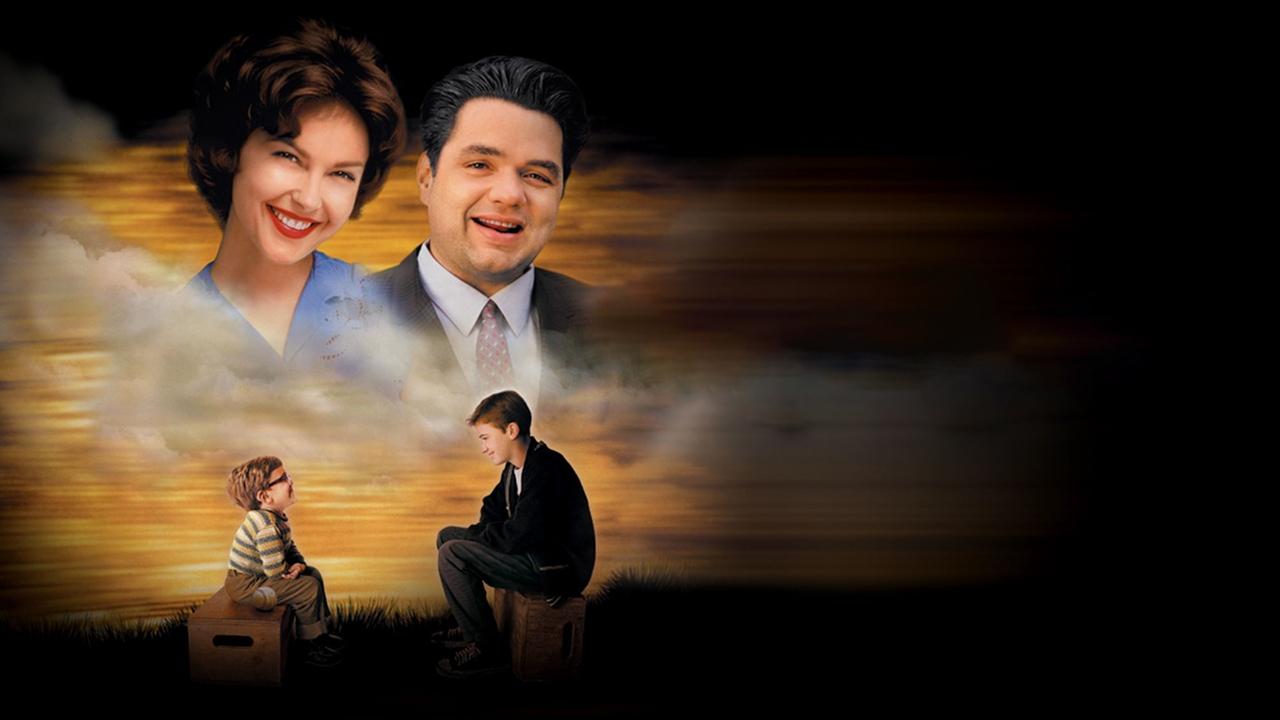
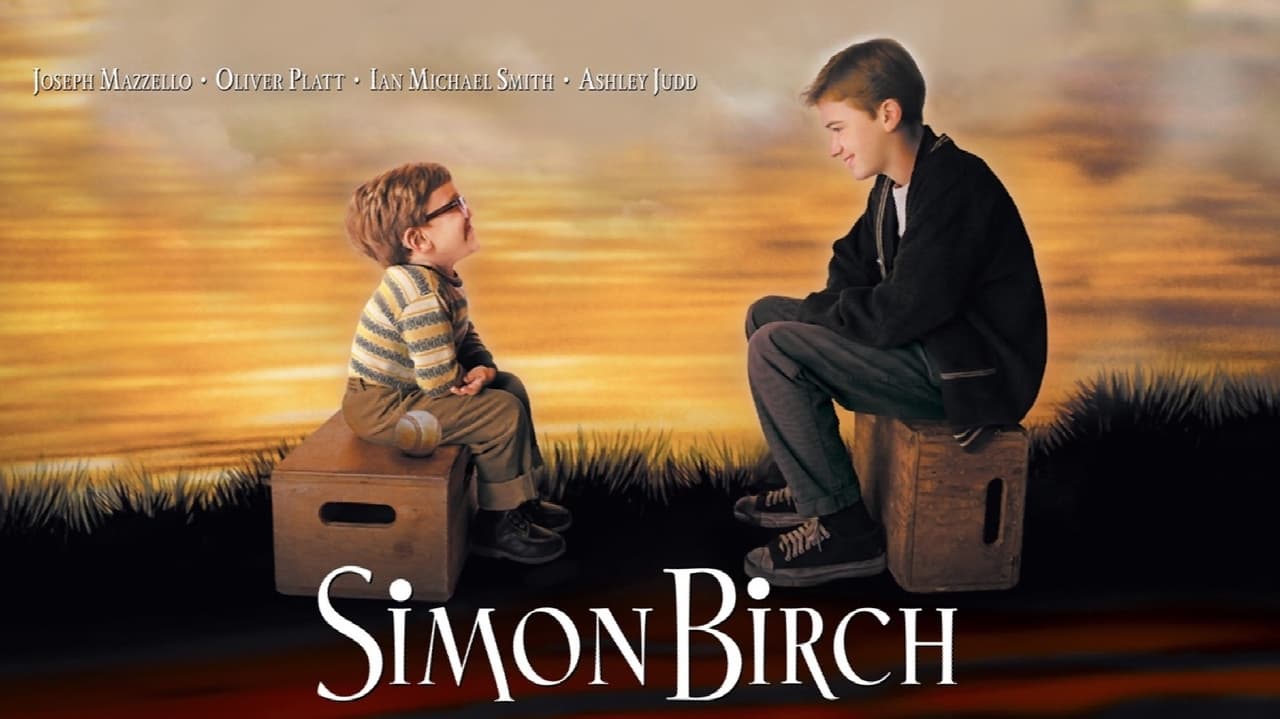
The film immediately sets its unusual tone by introducing us to Simon Birch, played with unforgettable presence by Ian Michael Smith. Born with a rare form of dwarfism (Morquio syndrome, the same condition Smith had in real life), Simon is physically diminutive but possesses an unwavering, almost unnerving conviction: he believes God has a special plan for him, a heroic destiny waiting to unfold. This central premise, a tiny David convinced of his Goliath-sized purpose in a world that often dismisses him, fuels the narrative. Smith, in his only film role, delivers a performance that transcends mere portrayal; there's an inherent truthfulness, a blend of childlike innocence and startlingly mature insight that makes Simon utterly compelling, even when his pronouncements border on the grandiose. He is Simon, and it’s impossible to imagine anyone else embodying the role with such authenticity.
It’s worth noting immediately that the film is famously inspired by, rather than adapted from, John Irving's sprawling novel "A Prayer for Owen Meany." Irving himself wasn't thrilled with the adaptation, requesting the character names and title be changed. Knowing this adds a layer of context; Simon Birch is its own entity, carving a more streamlined, arguably more overtly sentimental path than its complex literary source. Director Mark Steven Johnson, making his debut here before tackling comic book adaptations like Daredevil (2003), aims for the heartstrings, sometimes with a heavy hand, but often finds genuine emotional resonance.

The Bonds That Define Us
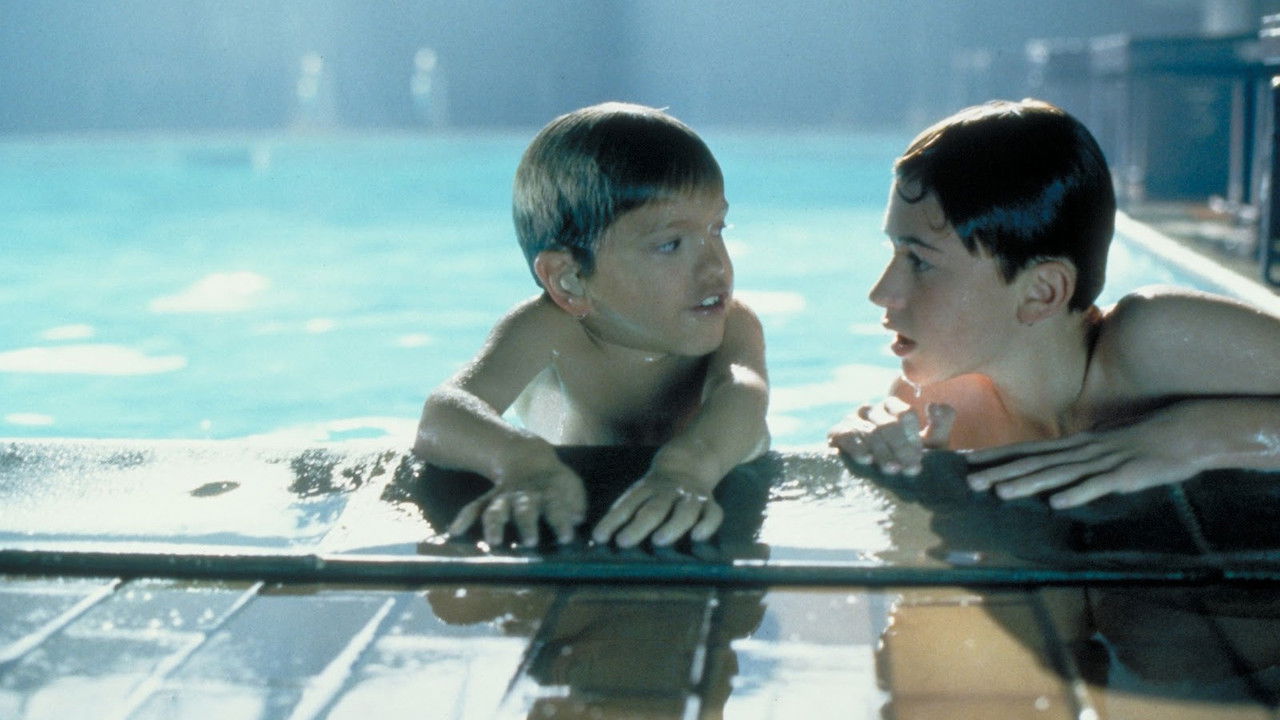
At the core of the film isn't just Simon's quest for purpose, but his profound friendship with Joe Wenteworth, played by a young Joseph Mazzello. Fresh off his memorable role in Jurassic Park (1993), Mazzello brings a quiet sensitivity and grounding presence that perfectly complements Smith's otherworldly certainty. Their bond feels real, forged in the shared experience of being outsiders in the small, idyllic town of Gravestown, Maine (though much of the film was actually shot in picturesque Ontario, Canada). Joe is searching for his own identity, specifically the identity of his father, while Simon is searching for his divine role. Their intertwined journeys form the film's emotional anchor.
Adding warmth and quiet tragedy is Ashley Judd as Rebecca Wenteworth, Joe's loving but secretive mother. Judd portrays Rebecca with a luminous grace that makes her eventual fate all the more impactful. Oliver Platt brings his reliable charm as her partner Ben, and David Strathairn lends his gravitas to the role of the town's somewhat skeptical Reverend Russell. And, in a touch of casting trivia many might miss, the uncredited narrator, the adult Joe looking back, is none other than Jim Carrey, reportedly taking the role simply because he admired the script – a far cry from his usual manic energy, offering instead a reflective, melancholic voiceover.
Spoiler Alert! The central tragedy involving Rebecca, triggered by a fluke baseball hit by Simon, is a moment that tests the viewer as much as the characters. Is it a cruel twist of fate, or part of Simon's foretold, difficult path? The film leans into the latter, suggesting even this horrific accident serves a higher purpose, a notion that can feel both profound and potentially troubling depending on your perspective. It forces a confrontation with the nature of faith – is it finding meaning in tragedy, or assigning meaning to it?
Faith, Sentiment, and Sincerity
Simon Birch doesn't shy away from big emotions. Johnson employs a visual style that often leans into a soft-focus, autumnal glow, underscoring the nostalgic, almost fable-like quality of the story. The score swells, the moments of triumph and tragedy are clearly signposted. For some viewers, this earnestness might tip into excessive sentimentality. Yet, there's a sincerity, particularly anchored by Smith's performance, that prevents it from feeling entirely manipulative.
The production itself faced unique considerations. Filming with Ian Michael Smith required adjustments, ensuring his comfort and safety while capturing the essence of a character defined by his physical difference yet refusing to be limited by it. The climactic bus crash sequence, the moment Simon believes his destiny is fulfilled, is staged effectively, balancing tension with the film’s underlying message of sacrifice and purpose. It’s a sequence that likely felt quite visceral on a CRT screen back in the day, a practical effect-driven moment carrying significant narrative weight.
The film wasn't a massive box office success, earning around $18 million against a reported $20 million budget, and critical reception was mixed, often praising the performances while questioning the tone or the deviation from Irving's novel. Yet, it clearly struck a chord with many, becoming something of a beloved staple on VHS and cable, remembered for its unique protagonist and its unabashed emotional core.
Final Reflection
Does Simon Birch hold up? Yes, largely due to the power of its central performances and its willingness to tackle grand themes, even if its approach feels very much of its time. It asks us to consider the possibility of purpose in the seemingly random, the strength found in difference, and the enduring power of friendship. It’s a film that requires a certain willingness to meet it on its own heartfelt terms. There's a fragility to it, a vulnerability that feels increasingly rare.
Rating: 7/10
The score reflects the film's genuine heart, unforgettable central performance from Ian Michael Smith, and strong supporting cast (Mazzello, Judd). It tackles big themes with sincerity, even if its sentimentality can feel heavy-handed at times and its departure from the source material is significant. It earns its emotional moments more often than not, leaving a lasting impression.
Watching Simon Birch today is like finding an old photograph – perhaps slightly faded, maybe a touch overly posed, but undeniably capturing a genuine moment, a feeling that still resonates with a quiet, persistent hope. It reminds us that sometimes, the smallest figures carry the largest convictions.