Alright, pull up a beanbag chair and let’s talk about a strange little artifact from the mid-90s video store shelves, one that probably caught your eye thanks to a certain prominent name on the box. I’m talking about Reb Braddock’s 1996 feature debut, Curdled. It’s a film that arrived riding the slipstream of indie quirk generated by its executive producer, a fella named Quentin Tarantino. And let me tell you, slipping this tape into the VCR back in the day felt like uncovering a slightly off-kilter, sun-drenched secret.
### Blood, Obsession, and Miami Heat
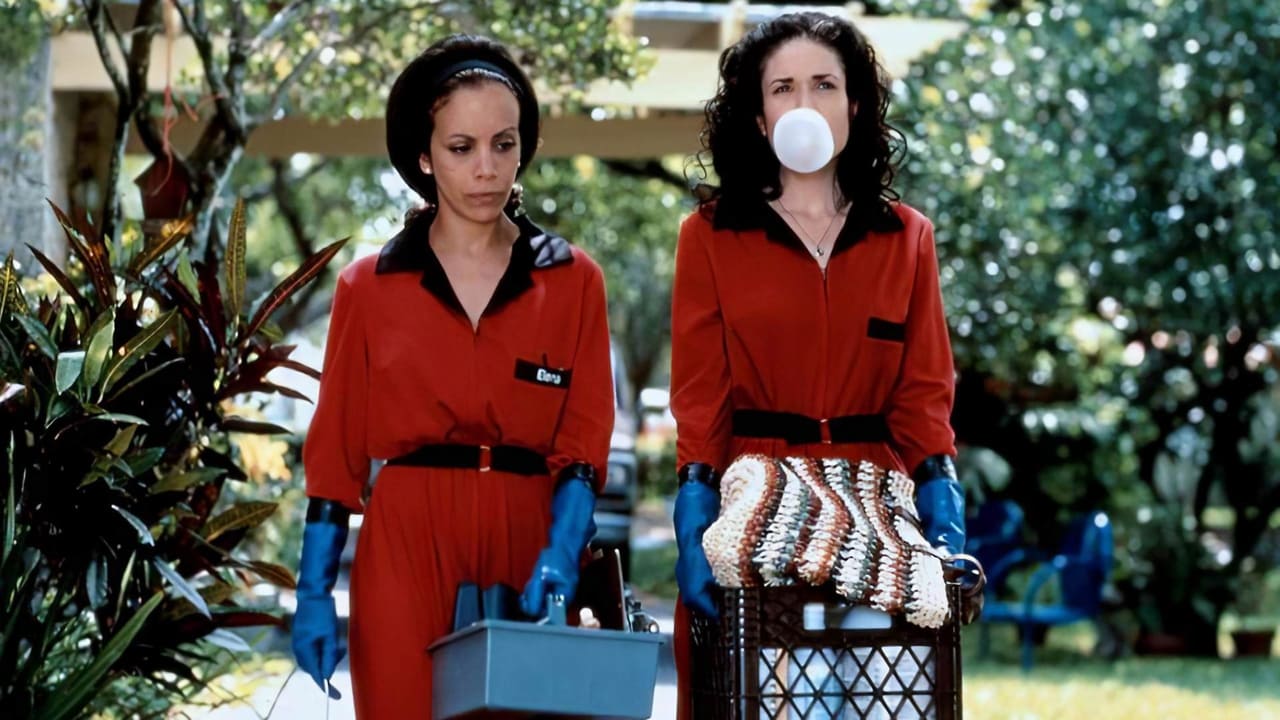
Curdled dives headfirst into the peculiar world of Gabriela (Angela Jones), a Colombian immigrant in Miami utterly fascinated by murder. Not in a morbid, creepy way, exactly, but with an almost childlike, wide-eyed curiosity about the final moments and, crucially, what happens after. This fascination, stemming from a childhood memory involving a decapitated chicken (yes, really), leads her to a job at a post-crime scene cleaning service. Conveniently, Miami is currently gripped by the hunt for the "Miami Riviera Killer," a suave murderer targeting wealthy socialites. You can see where this is going, right?
The setup itself is pure 90s indie – taking a potentially dark premise and filtering it through a lens of eccentric character study and black humour. The film is actually an expansion of Reb Braddock's own 1991 short film, which is precisely how Quentin Tarantino discovered Angela Jones. He was so taken with her performance in the short that he not only cast her in that memorable cab scene in Pulp Fiction (1994) – "What's it feel like to kill a man?" – but threw his considerable post-Pulp weight behind getting this feature version made. That connection alone probably got Curdled onto way more rental shelves than it might have otherwise reached.
### The Innocent and the Killer
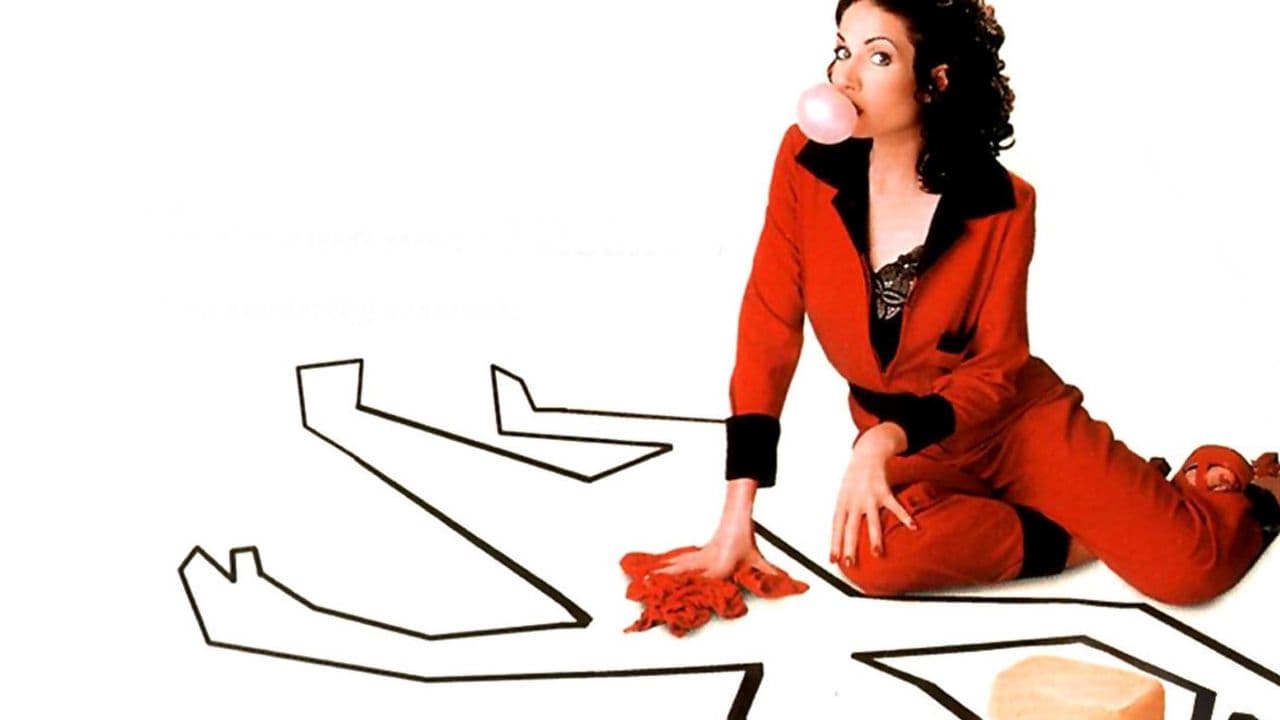
Angela Jones is the undeniable heart of Curdled. Reprising her role from the short, she imbues Gabriela with a captivating innocence and naivete that borders on the ethereal. Her wide eyes and gentle voice make her obsession feel strangely pure, less ghastly and more like an intense, if unconventional, hobby. It’s a performance that really has to carry the film, navigating its tricky tonal shifts between whimsical character moments and the grim reality of murder cleanup.
Playing opposite her is William Baldwin as Paul Guell, the charming, blue-blooded killer. Fresh off more conventional handsome-guy roles in films like Backdraft (1991) and Sliver (1993), it was definitely interesting seeing Baldwin tackle this darker, more ambiguous character. He brings a necessary smoothness and surface appeal to Guell, making the eventual collision course with Gabriela feel plausible within the film's heightened reality. Their interactions, particularly as Gabriela cleans one of his crime scenes while he’s still hiding nearby, are the film's most effective blend of suspense and oddball charm. Supporting turns, like Bruce Ramsay as Gabriela’s somewhat exasperated co-worker Eduardo, help flesh out the slightly surreal Miami landscape.
### More Quirky Than Curdling
Let’s be clear: if you rented Curdled expecting a taut, white-knuckle thriller, you might have felt a bit... well, curdled. While it deals with a serial killer, the focus is far more on Gabriela's internal world and her unique perspective. The tension often comes less from imminent danger and more from the awkward comedy of her earnest questions about death intersecting with the gruesome reality of her job. Remember those crime scene cleanup montages? They weren't exactly groundbreaking practical effects showcases – no exploding squibs or massive stunt falls here – but there was a certain grimy authenticity to the buckets and squeegees dealing with the aftermath, a mundane counterpoint to the sensationalism of the murders themselves. It felt less about shocking gore and more about the methodical, almost detached process, mirroring Gabriela’s own perspective.
Director Reb Braddock, working with co-writer John Maass, crafts a film that feels distinctly Miami. Not the glossy Miami Vice version, but a hotter, slightly stickier, more neighbourhood-level vibe. The cinematography captures the bright Florida sun, but often juxtaposes it with the enclosed, messy spaces of the crime scenes. It’s a film that, despite its Tarantino connection and killer premise, feels surprisingly small-scale and character-focused. It reportedly cost around $2.5 million to make, pocket change even then for a studio picture, reinforcing that intimate, indie feel.
### Reception and Rewind
Upon release, Curdled didn’t exactly set the world on fire. Critics were mixed, some charmed by its quirkiness and Angela Jones' unique performance, others finding it tonally uneven or too slight, perhaps inevitably comparing it unfavorably to the producer's more explosive works. It didn't make much noise at the box office, quickly finding its home on video store shelves where curious renters, likely drawn by the names involved, gave it a second life. I distinctly remember seeing that VHS box, often placed strategically near Pulp Fiction or From Dusk Till Dawn (1996), another Tarantino-associated project from the same year. It felt like part of that mid-90s wave of crime films trying different flavours.
Is it a forgotten masterpiece? Probably not. But is it a fascinating curio from the era, anchored by a truly singular performance from Angela Jones? Absolutely. It’s a film that feels very much of its time – a quirky, slightly meandering character piece wrapped in thriller clothing, born from the indie boom.
VHS Heaven Rating: 6/10
Justification: The rating reflects the film's undeniable charm and Angela Jones' captivating central performance, plus its interesting production history linked to Tarantino. However, it's held back by a somewhat uneven tone and a plot that feels more like a quirky anecdote stretched thin than a fully gripping narrative. It doesn't quite deliver on the thriller premise, leaning heavily into its oddball character study aspect, which won't work for everyone.
Final Take: Curdled is like finding a weird but intriguing mixtape at the back of a drawer – not every track hits, but the ones that do have a strange, lingering melody. It’s a time capsule of mid-90s indie ambition, best appreciated for its unique central performance and its peculiar, sun-bleached vibe, flaws and all. Definitely worth a spin if you appreciate the odder corners of the video store era.