Forget glass slippers and fairy godmothers. The road to Grandma's house in Matthew Bright's 1996 cult nightmare, Freeway, is paved with crack pipes, cheap motels, and the predatory gaze of a modern-day wolf hiding in plain sight. This isn't a bedtime story; it's a Molotov cocktail thrown straight into the heart of 90s cynicism, a film that practically snarled at you from its spot on the video store shelf, promising something far nastier than your average thriller fare. Watching it felt like discovering contraband, a grainy, sun-bleached transmission from the underbelly of the American dream.
Welcome to the Wrong Side of the Tracks
Our unlikely heroine is Vanessa Lutz, brought to electrifying life by a young Reese Witherspoon in a performance that burns itself into your memory. Vanessa’s a semi-literate juvenile delinquent whose mother (a gloriously strung-out Amanda Plummer) and stepfather have just been busted. Facing foster care, she steals a broken-down car and hits the I-5 freeway, heading for the sanctuary of her estranged grandmother's trailer. Witherspoon, just 19 during filming, reportedly fought hard for the role, and it’s easy to see why. She invests Vanessa with a ferocious, foul-mouthed resilience that’s both terrifying and strangely endearing. This isn't the polished star we know from Legally Blonde (2001); this is pure, unfiltered teenage fury and survival instinct.
The Big Bad Wolf Wears Khakis
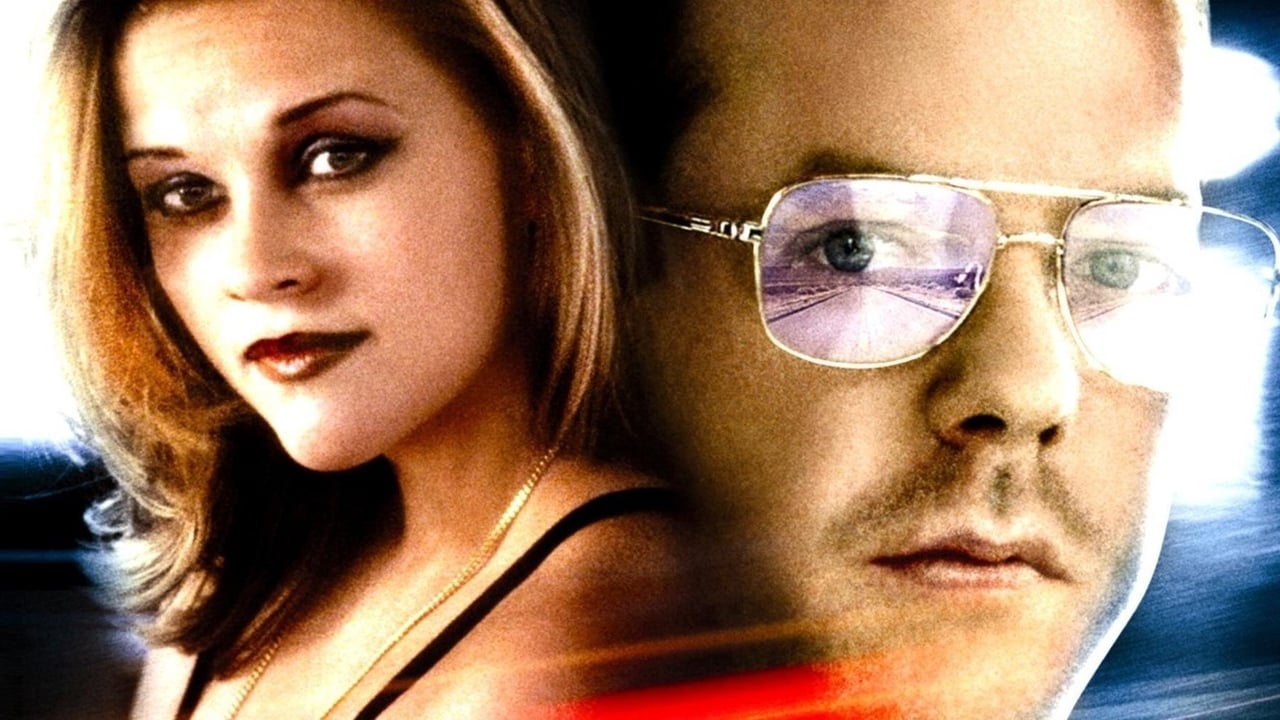
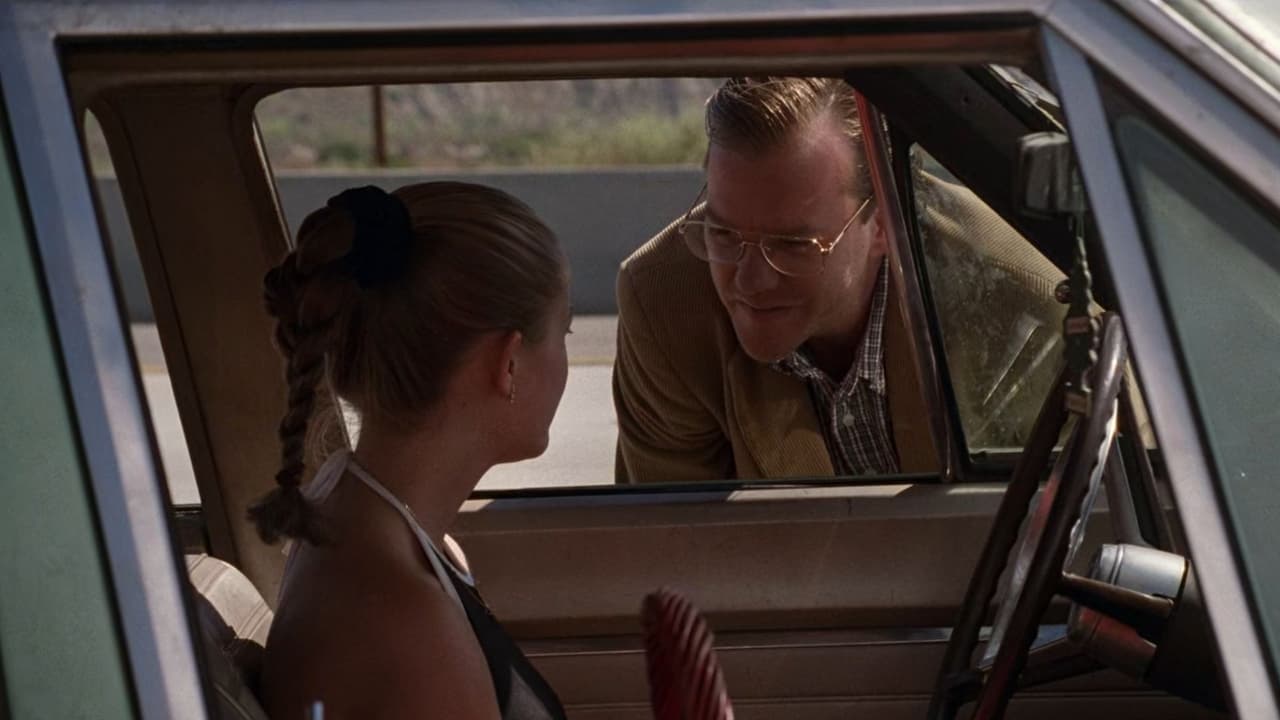
Of course, what’s Little Red Riding Hood without the Wolf? Enter Bob Wolverton, a seemingly mild-mannered youth counselor played with skin-crawling perfection by Kiefer Sutherland. Sutherland, known then for more conventional leading man or intense roles (Young Guns, Flatliners), leans into the predatory darkness here. His Bob is a study in manipulative charm that curdles into monstrousness, a serial killer known as the "I-5 Killer." The scenes between Witherspoon and Sutherland crackle with a deeply uncomfortable tension. Bright masterfully uses the cramped confines of Bob's car to build a suffocating sense of dread before the inevitable, violent turn. It's said Sutherland relished the chance to play such an irredeemable character, and that commitment makes the eventual confrontations feel genuinely dangerous, miles away from fairytale archetypes.
A Grimm Fairy Tale Doused in Gasoline
Freeway is director Matthew Bright's (brother of Oingo Boingo founder and famed composer Danny Elfman) unapologetically grimy take on the familiar Red Riding Hood narrative, twisting it into a brutal, darkly comic satire of media sensationalism, the justice system, and societal neglect. Bright, who also penned the script, doesn't shy away from the ugliness. The violence is sudden and shocking, the language relentlessly coarse, and the humor blacker than asphalt on a scorching California day. Remember those exploitative true-crime TV shows that were everywhere in the 90s? Freeway feels like the movie those shows wished they could be, unfiltered and unrepentant.
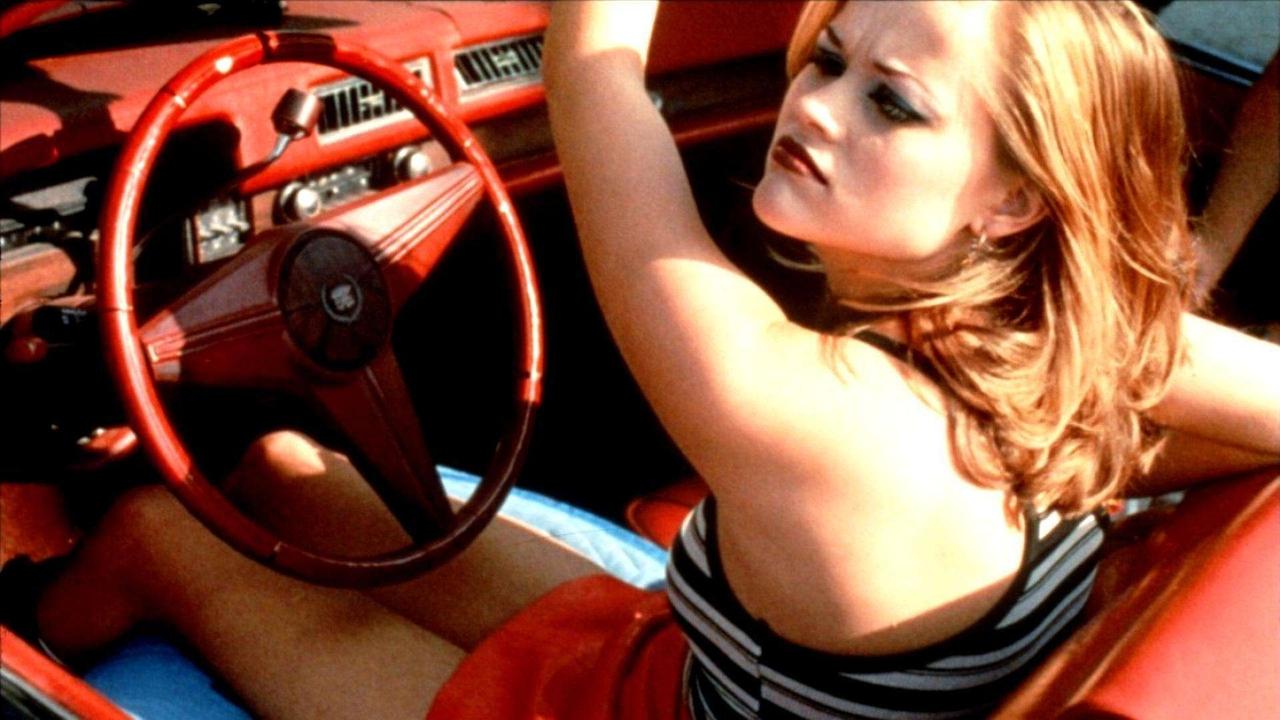
The film revels in its low-budget ($3 million, a pittance even then) aesthetic. The cinematography captures the harsh glare of the California sun, the peeling paint of roadside motels, the general decay lurking just off the highway ramps. This isn't stylized poverty; it feels depressingly real, contributing significantly to the film's unsettling atmosphere. This raw quality might have been a product of necessity, but it became one of Freeway's defining strengths, especially on VHS where the slight visual degradation only added to the grime.
Unforgettable Detours and Retro Facts
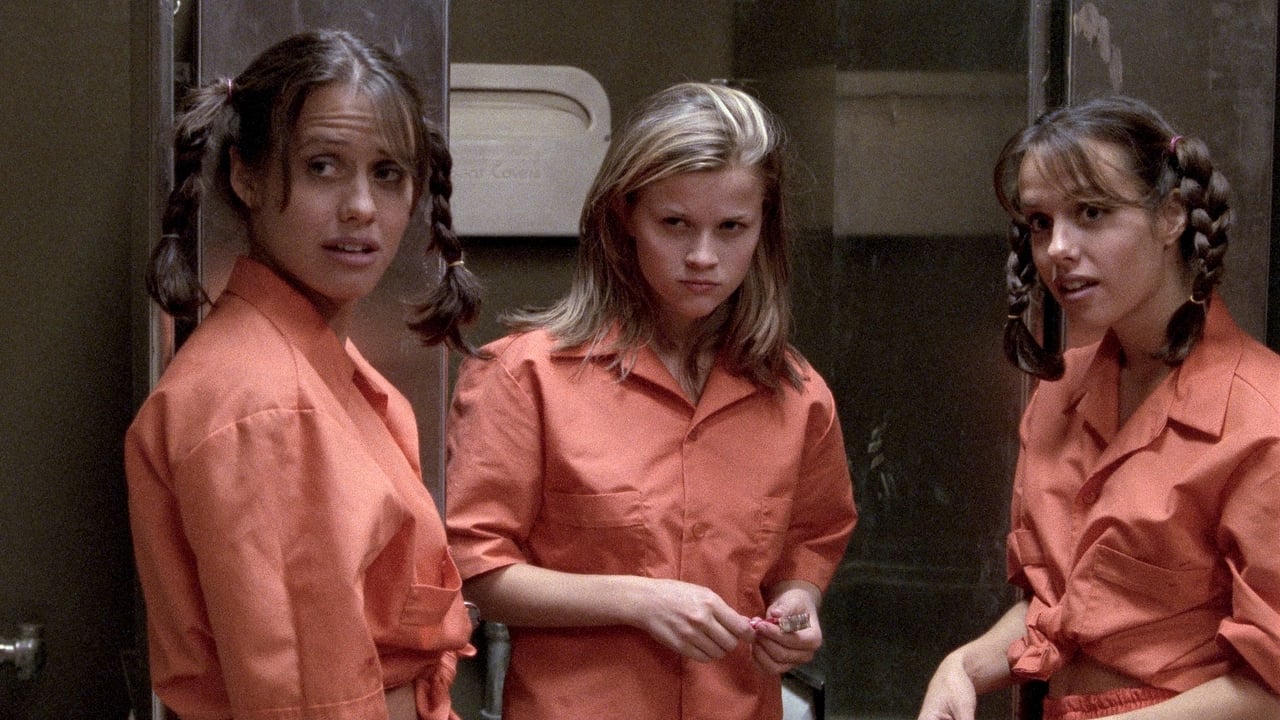
The journey doesn't end when Vanessa escapes Bob's immediate clutches. The plot takes wild, unpredictable turns involving police ineptitude (personified by Dan Hedaya as Detective Wallace), media frenzy, prison exploitation, and a truly bizarre final act that pushes the fairytale parallels into overdrive. Along the way, we meet a cast of memorable lowlifes and institutional figures, each adding another layer to the film's cynical worldview.
It’s fascinating to think Freeway struggled to find its audience initially. Its confrontational tone and challenging content made it a tough sell for mainstream distributors, but it became a quintessential cult classic on home video. Renting this tape felt like you were in on a secret, passing around this shocking, hilarious, disturbing gem that the multiplexes didn't know what to do with. Did anyone else feel a jolt seeing Brooke Shields appear in a small, against-type role as Bob's clueless wife? It was one of those casting choices that felt deliberately provocative.
Still Packs a Punch
Does Freeway hold up? Absolutely. Its critique of media circuses feels even more relevant today, and its blend of horror, thriller, and pitch-black comedy remains potent. Witherspoon's performance is timelessly ferocious, and Sutherland crafts one of the decade's most hateable villains. It’s abrasive, often unpleasant, and definitely not for everyone – but its sheer audacity and unforgettable central characters make it a standout piece of 90s independent filmmaking. It’s a film that grabs you by the throat and refuses to let go, leaving you breathless and maybe a little bit bruised.
Rating: 8/10
Justification: Freeway earns its high marks for its fearless satirical edge, Reese Witherspoon's career-igniting performance, Kiefer Sutherland's chilling villainy, and its enduring cult status. It’s a masterclass in tone management, balancing genuine dread with laugh-out-loud dark humor. While its confrontational nature might alienate some, its raw energy and uncompromising vision make it unforgettable. A true VHS treasure dug up from the grimy roadside ditch of 90s cinema.