Ah, 1994. It feels like just yesterday, doesn't it? Amidst the high-octane action flicks and grand family sagas dominating the Bollywood scene, a quieter, altogether gentler film arrived, capturing hearts with its simple charm and relatable yearning. I'm talking, of course, about Kundan Shah's delightful Kabhi Haan Kabhi Naa. This wasn't your typical blockbuster fare; it felt more like discovering a hidden gem on the video store shelf, a tape you’d rewind again and again, humming its tunes long after the credits rolled. It possessed a warmth and sincerity that stood out, offering a slice-of-life romance that felt refreshingly real.
### The Lovable Loser We All Rooted For
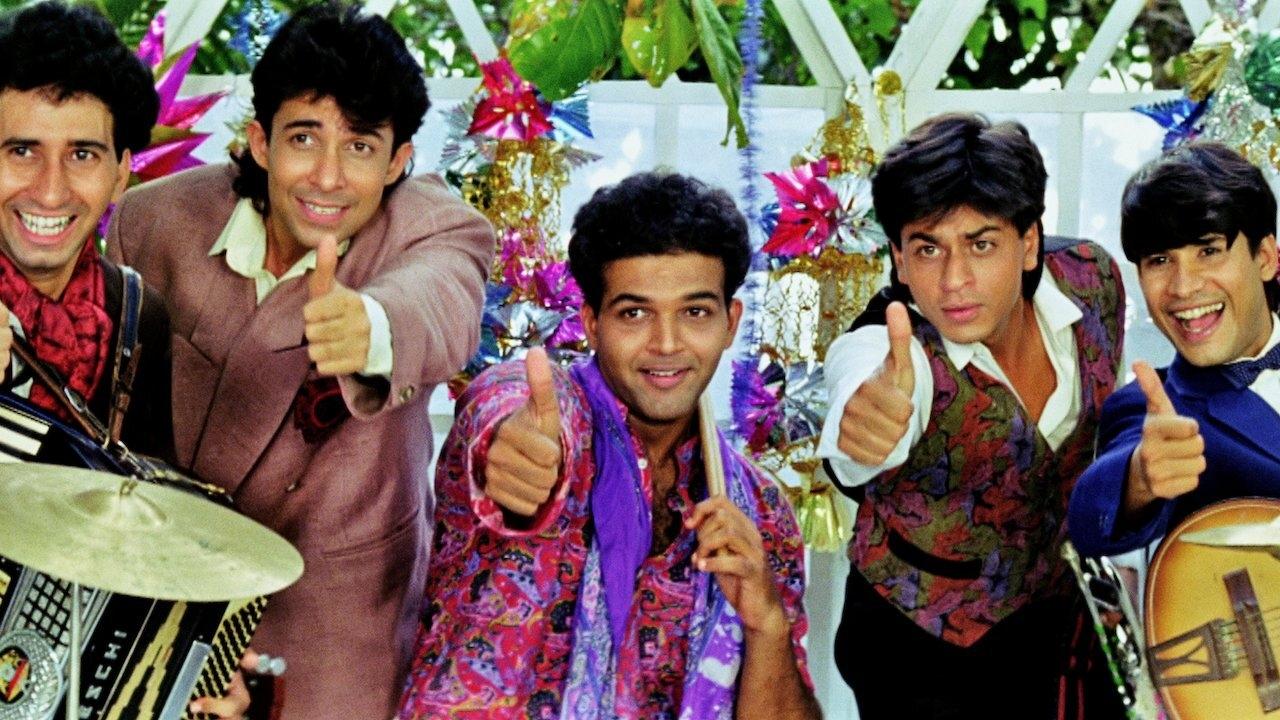
At the heart of Kabhi Haan Kabhi Naa is Sunil, played by a young, impossibly endearing Shah Rukh Khan. This was SRK before he became the undisputed King of Romance, yet all the seeds were there: the boundless energy, the expressive eyes, the smile that could melt glaciers. But Sunil wasn't a hero in the conventional sense. He was, bless his heart, a bit of a lovable loser – failing exams, dreaming big, constantly scheming (often poorly) to win the heart of the girl next door, Anna. He lied, he manipulated, he made mistakes, yet you couldn't help but root for him. Shah Rukh Khan himself reportedly considers this one of his favourite performances, and it's easy to see why. He poured so much earnestness into Sunil, making his triumphs feel joyous and his heartbreaks genuinely poignant. It's said SRK was so passionate about the project, helmed by the acclaimed director of the satirical masterpiece Jaane Bhi Do Yaaro (1983), Kundan Shah, that he took a significantly reduced fee, truly believing in its unique appeal.
### Sun-Drenched Goa and Songs for the Soul
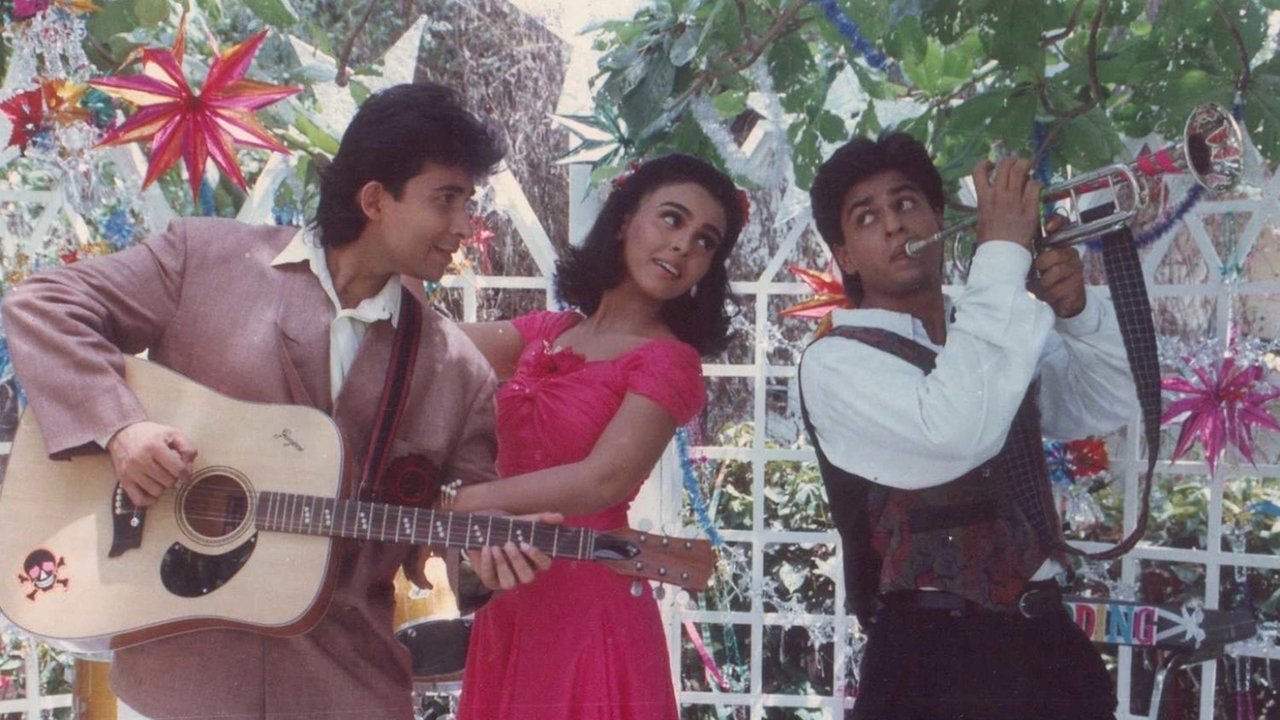
Setting the film in the picturesque locales of Goa was a masterstroke. The sun-drenched beaches, the charming churches, the laid-back atmosphere – it all contributed to the film's breezy, feel-good vibe. It felt less like a movie set and more like a place you could actually visit, populated by characters who felt like friends. Adding immeasurably to this atmosphere was the absolutely stellar soundtrack by Jatin-Lalit. Honestly, who didn't have the Kabhi Haan Kabhi Naa cassette playing on repeat back then? From the infectious title track to the soulful "Ae Kaash Ke Hum" and the dreamy "Woh Toh Hai Albela," every song was a winner, perfectly capturing the film's emotional palette. These weren't just songs dropped into the narrative; they felt like organic expressions of the characters' feelings.
Anna, the object of Sunil's affection, was played with sweet sincerity by Suchitra Krishnamoorthi in her debut film role. She embodied the girl-next-door ideal perfectly, making Sunil's infatuation completely understandable. Rounding out the central trio was Deepak Tijori as Chris, the well-meaning, musically gifted rival for Anna's affections. Tijori, often seen in supporting roles during the 90s, brought a likable stability that contrasted nicely with Sunil's chaotic energy. The chemistry between the three leads felt genuine, making the central love triangle engaging rather than frustrating.
### More Than Just a Rom-Com
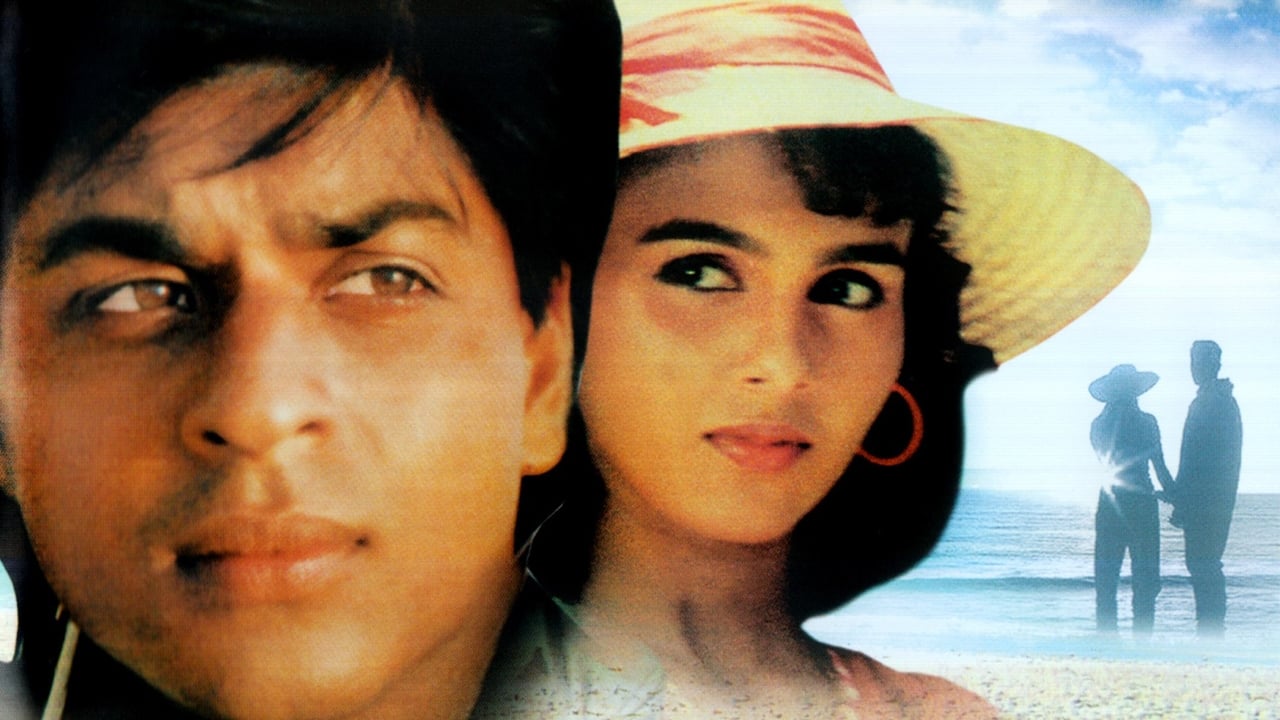
While Kabhi Haan Kabhi Naa is undeniably a romantic comedy, it carries a depth that elevates it beyond simple laughs and swoons. Kundan Shah, along with co-writer Pankaj Advani, crafted a narrative that explored themes of unrequited love, friendship, failure, and ultimately, acceptance. It dared to suggest that sometimes, life doesn't give you exactly what you want, and that's okay. Spoiler Alert! The film's ending, where Sunil doesn't get the girl but finds a measure of peace and maturity, was remarkably unconventional for mainstream Bollywood at the time. It felt bittersweet but honest, leaving a lasting impression that resonated more deeply than a typical happily-ever-after. This nuanced approach likely contributed to its initial modest box office performance (earning respectably, but not setting records alight immediately) before it blossomed into the beloved cult classic it is today, recognized with the Filmfare Critics Award for Best Film.
### Retro Fun Facts & Lasting Charm
Digging into the VHS archives reveals some fun tidbits. Besides SRK's financial commitment, the film's budget was relatively modest, forcing a creative approach that likely enhanced its grounded feel. The simple, everyday costumes and realistic settings felt relatable. There's a lovely anecdote about how Shah Rukh Khan apparently sold tickets himself at a Mumbai theatre on the opening day, showcasing his personal investment. It's this kind of heart, both on-screen and behind the scenes, that permeates Kabhi Haan Kabhi Naa. It wasn't trying to be the biggest or loudest film; it was content being the most sincere.
Even watching it today, the film holds up remarkably well. Yes, the fashion screams early 90s, and the pacing might feel gentle compared to modern films, but its emotional core remains strong. It's a reminder of a time when Bollywood could tell smaller, character-driven stories with immense heart. It captures that specific ache of young love and the bittersweet journey of growing up.

Rating: 9/10
This score reflects the film's enduring charm, Shah Rukh Khan's career-defining early performance, the timeless music, and Kundan Shah's sensitive direction. It's not perfect – the pacing occasionally meanders – but its warmth, honesty, and unconventional approach make it a near-flawless gem within its genre and era. It earns its place as a cherished memory for anyone who discovered it back in the day.
Kabhi Haan Kabhi Naa is like finding an old photograph that instantly brings a smile to your face – a sweet, sun-kissed snapshot of youth, love, and learning that sometimes, the best tunes are played on the heartstrings, even if they don't follow the expected melody. A true treasure from the golden age of cassettes.