Okay, pull up a comfy chair, maybe grab a Thums Up if you can find one, because we're diving headfirst into a phenomenon that swept across screens and hearts back in 1998: Kuch Kuch Hota Hai. For many of us, this wasn't just a movie; it was an event. It landed towards the tail end of the prime VHS era, but its sheer cultural explosion ensured countless tapes (and soon, VCDs) were worn thin from repeated viewings. Its opening chords alone became an instant nostalgia trigger, a portal back to a time of vibrant colours, grand emotions, and questionable college fashion we somehow thought was the absolute coolest.

### Pyaar Dosti Hai... Mostly
At its heart, Kuch Kuch Hota Hai (or KKHH as it’s affectionately known) is a story spun from the threads of friendship and love, famously encapsulated in its ubiquitous tagline, "Pyaar dosti hai" – Love is friendship. We're introduced to the boisterous world of St. Xavier's College (a hyper-stylized version, mind you!), where Rahul (Shah Rukh Khan) is the campus heartthrob, and his best friend is the tomboyish, fiercely loyal Anjali (Kajol). Their world is rocked by the arrival of the sophisticated Tina (Rani Mukerji), the Principal's daughter, fresh from Oxford. A classic love triangle ensues, leading to heartbreak and separation. Fast forward eight years, and Rahul is a single father to a precocious daughter, also named Anjali. Through letters left behind by her mother, little Anjali learns of her father's first love and embarks on a mission to reunite Rahul with the original Anjali. It’s a premise that tugs shamelessly at the heartstrings, blending youthful exuberance with mature melancholy.
### The Dream Team Takes Center Stage
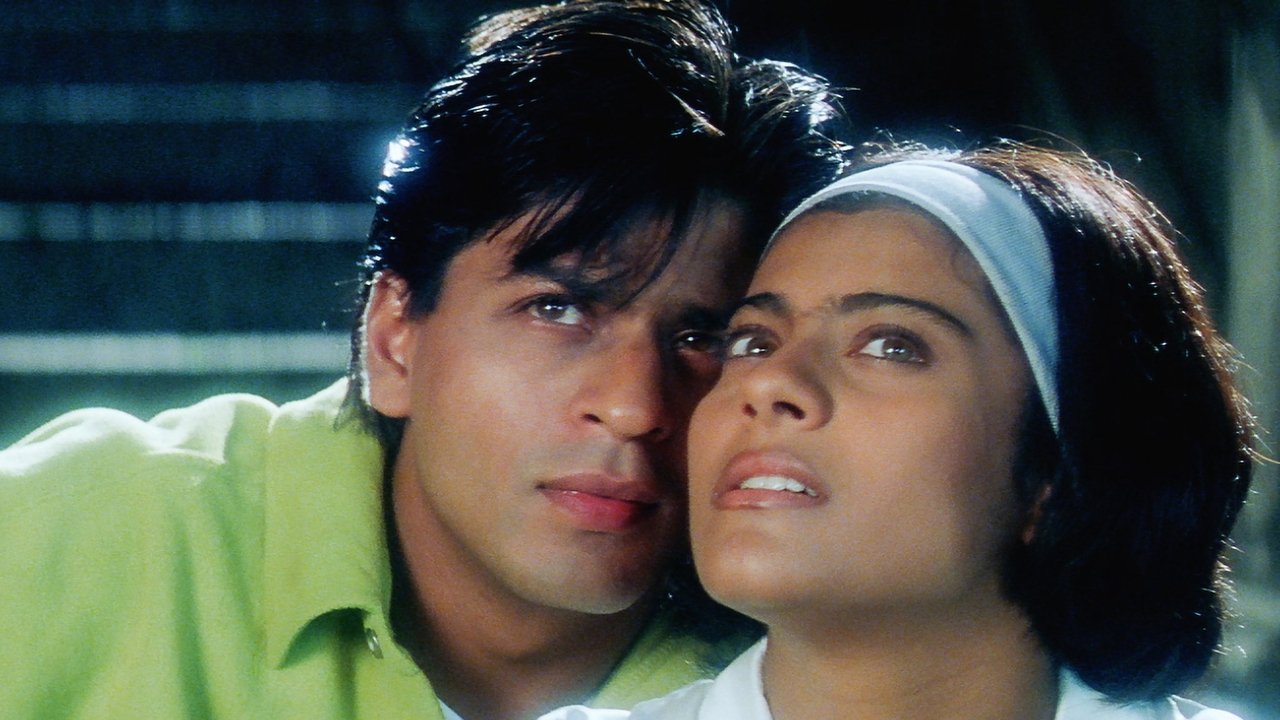
This film marked the directorial debut of Karan Johar, son of producer Yash Johar, and what a debut it was. He didn't just make a film; he crafted a cultural moment. A key ingredient? The absolutely electric chemistry between the leads. Shah Rukh Khan, already a superstar, delivered a performance that perfectly balanced cheeky college charm with the gravitas of a grieving widower. His Rahul became the archetype of the cool-yet-sensitive 90s hero. Then there's Kajol. Oh, Kajol! Her transformation from the short-haired, tracksuit-wearing Anjali to the graceful, sari-clad woman later in the film is iconic. She navigated both phases with incredible energy and vulnerability. It’s a performance that cemented her status as one of Bollywood's most beloved actresses.
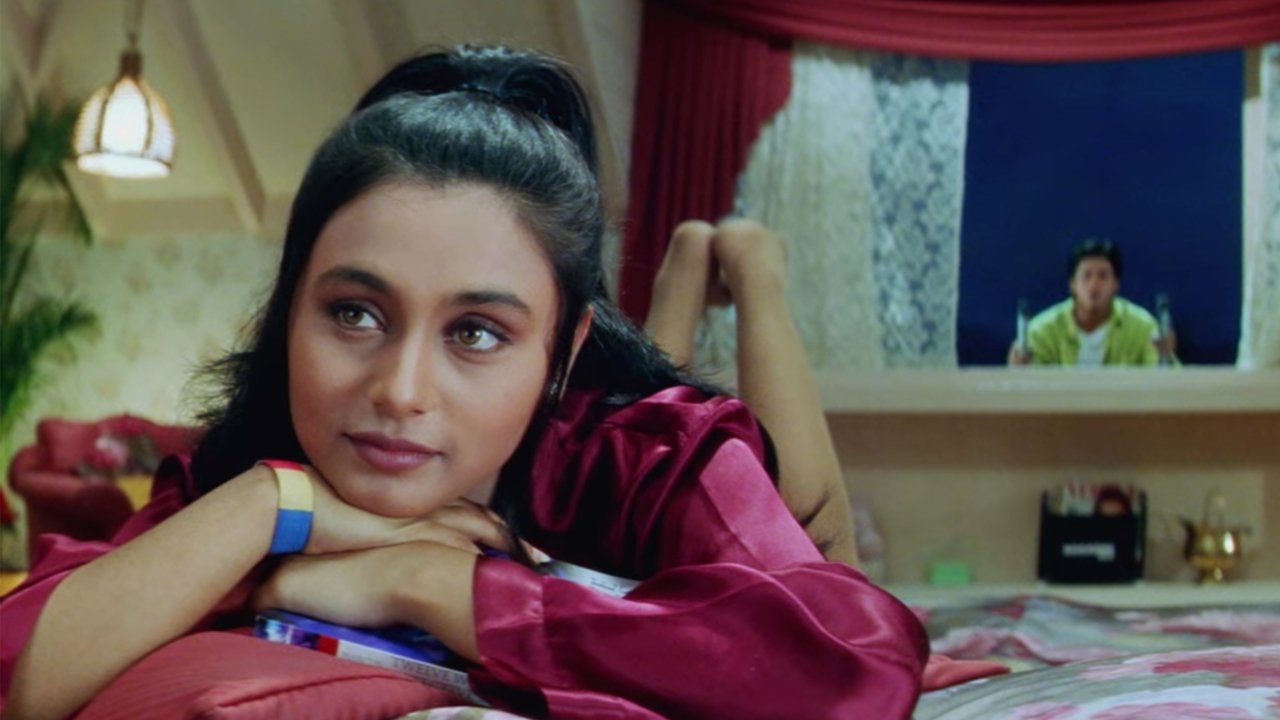
And let's not forget Rani Mukerji. It's hard to believe this was one of her earliest major roles (the part was famously turned down by several other actresses, including Twinkle Khanna, after whom Tina was named!). Mukerji brought poise and quiet strength to Tina, making her far more than just the 'other woman'. Her chemistry with both Khan and Kajol felt genuine, making the central conflict resonate. And who could forget the impactful extended cameo by Salman Khan as Aman, Anjali's fiancé? His presence added another layer of emotional tension and star power.
### Retro Fun Facts: More Than Meets the Eye
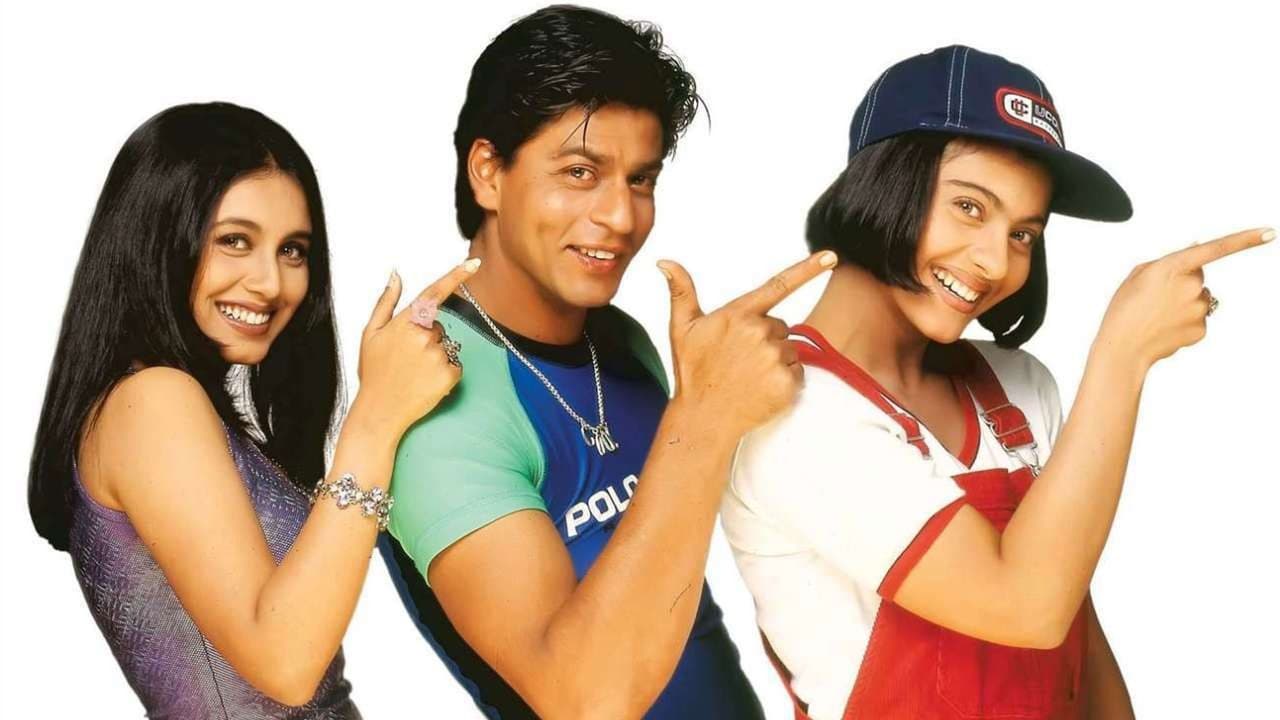
Kuch Kuch Hota Hai wasn't just popular; it was a juggernaut. Made on a budget of roughly ₹10 crore (around $2.3 million USD back then), it reportedly grossed over ₹100 crore worldwide (around $23 million USD then), making it the highest-grossing Indian film of 1998 and sweeping the major categories at the Filmfare Awards. Its influence went far beyond the box office. Suddenly, "COOL" pendants, Gap sweatshirts, and friendship bands were everywhere. The film's look, heavily influenced by Western trends but given a distinct Indian spin by designer Manish Malhotra, defined fashion for a generation of young Indians and the diaspora.
Behind the seamless gloss, there were memorable moments. During the filming of the incredibly popular song "Yeh Ladka Hai Deewana," Kajol famously took a tumble off a bicycle and suffered temporary amnesia! She couldn't remember anyone except her then-fiancé, Ajay Devgn. It’s a bit of on-set drama that adds another layer to the film’s lore. The film's stunning visuals weren't just confined to studios; gorgeous sequences were shot on location in India, Mauritius, and even Scotland, adding to the aspirational, larger-than-life feel.
### An Unforgettable Soundtrack
You simply cannot talk about KKHH without mentioning its music. The soundtrack by composer duo Jatin-Lalit, with lyrics by Sameer, wasn't just a collection of songs; it was practically another character in the film. From the title track's haunting melody to the upbeat campus fun of "Koi Mil Gaya," the playful romance of "Ladki Badi Anjani Hai," and the emotional weight of "Tujhe Yaad Na Meri Aayee," every song was a chartbuster. The cassette and CD sales were astronomical, and these tunes remain instantly recognizable and deeply loved even today. They perfectly captured the film's rollercoaster of emotions – joy, heartbreak, longing, and hope.
### Enduring Magic, With a Pinch of 90s Cheese
Does Kuch Kuch Hota Hai hold up perfectly? Perhaps not entirely through a modern lens. The idea that Anjali needed a traditionally feminine makeover to be seen romantically by Rahul feels a bit dated, and the college environment is pure fantasy. But dwelling on these aspects misses the point of why the film connected so deeply, and why it remains such a beloved piece of nostalgia. It delivered grand emotions, unforgettable characters, dazzling visuals, and songs that burrowed into your soul. It was pure, unadulterated Bollywood magic, served up with buckets of charm and star power. It captured a specific late-90s optimism and romanticism that still feels comforting. I distinctly remember the buzz around its release, the feeling that this was the movie everyone was talking about, humming its tunes, and quoting its lines.
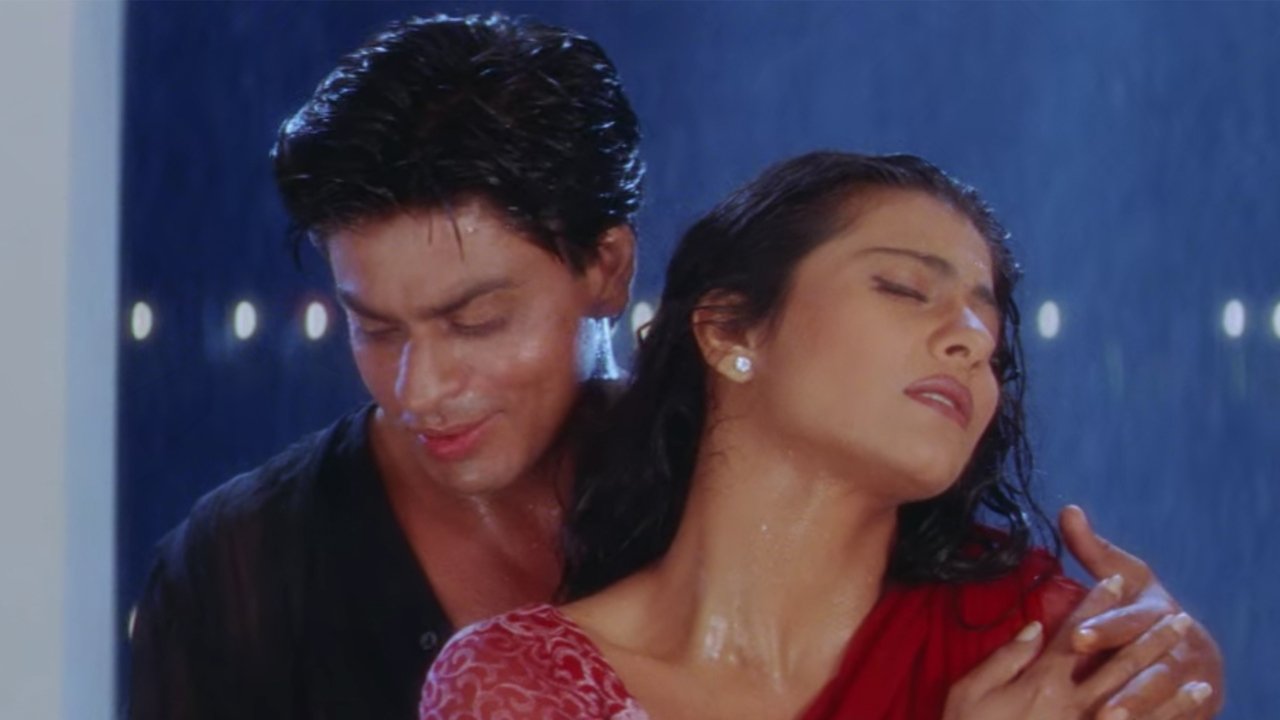
VHS Heaven Rating: 9/10
This rating reflects the film's monumental cultural impact, the iconic performances and chemistry of its cast, its unforgettable soundtrack, and its sheer power as a piece of feel-good, emotionally resonant entertainment that defined an era for Bollywood romance. While some elements haven't aged perfectly, its charm and nostalgic pull are undeniable. It expertly delivered exactly what it promised: laughter, tears, and a whole lot of heart.
Kuch Kuch Hota Hai wasn't just a film you watched; it was a film you felt. And even now, popping it in (or queuing it up) feels like revisiting old friends – slightly dated, perhaps, but cherished all the same.