Okay, settle back into that comfy armchair, maybe imagine the faint hum of a VCR powering up. Let's talk about a film that wasn't just a movie release in 1995; it was a phenomenon, a cultural earthquake that sent ripples across the globe and continues to echo today. I'm talking about Dilwale Dulhania Le Jayenge, or as legions of fans know it, simply DDLJ. For many, this wasn't just something rented from the local video store's "World Cinema" shelf (if you were lucky enough to find it!); it was a tape passed reverently between friends and family, watched until the magnetic strip practically wore thin.
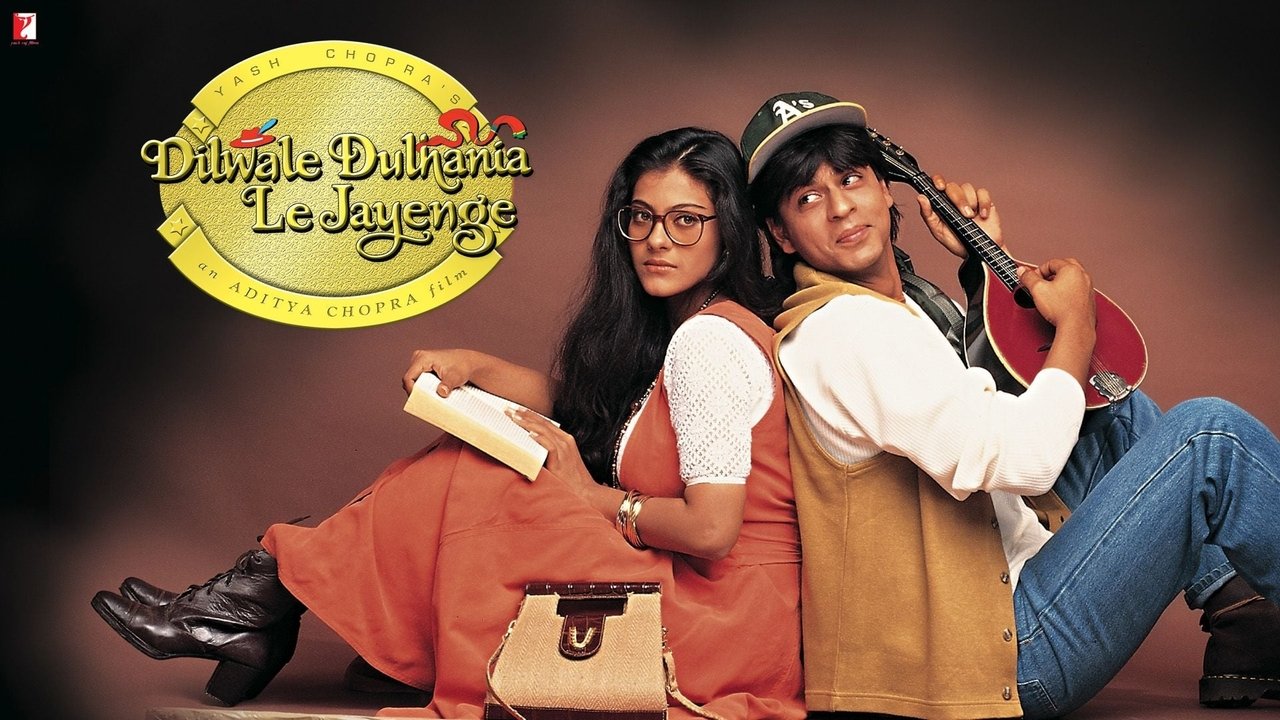
Come… Fall In Love (All Over Again)
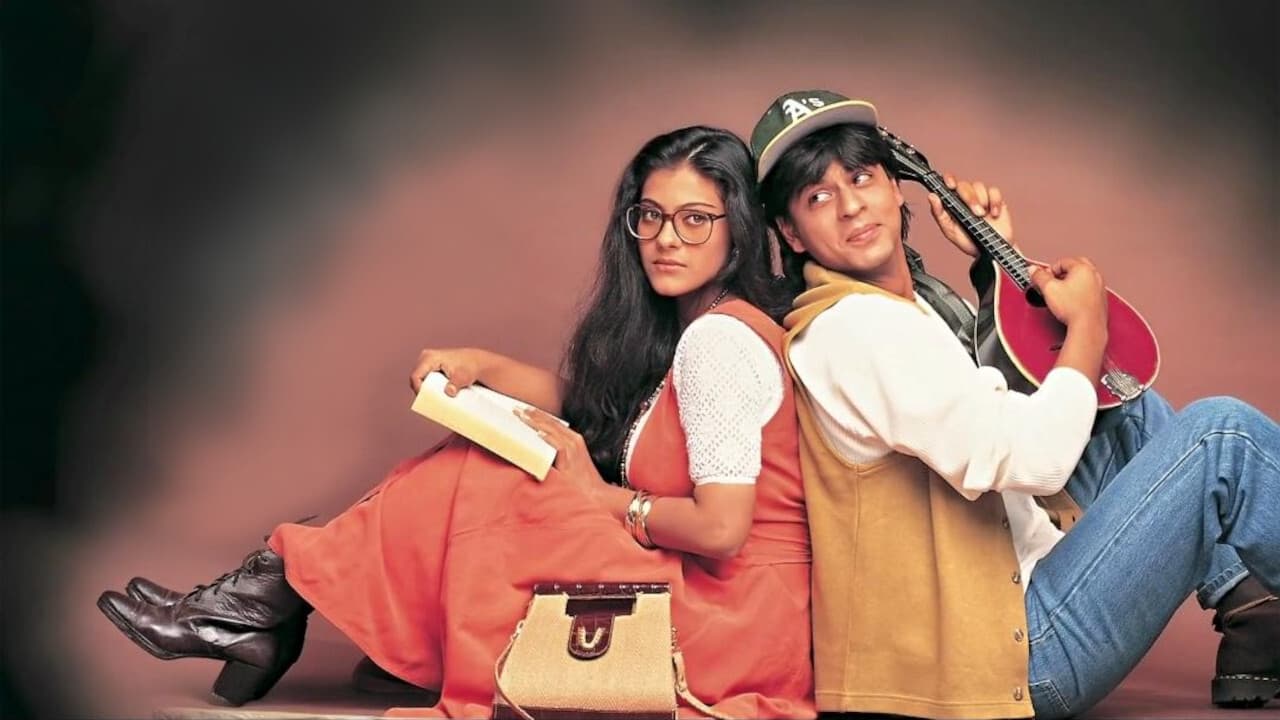
Directed by a remarkably young Aditya Chopra (making his directorial debut at just 23!), DDLJ swept onto screens and redefined what a Bollywood romance could be. It tells the story of Simran Singh (Kajol), raised in London but betrothed by her stern father, Chaudhary Baldev Singh (Amrish Puri, in one of his most iconic roles), to a man she's never met back in Punjab, India. Before settling into her arranged fate, she convinces her father to let her go on one last adventure: a Eurail trip across Europe with her friends. Enter Raj Malhotra (Shah Rukh Khan), a wealthy, charming, and initially infuriating fellow Londoner also touring the continent. Their paths cross, sparks fly amidst breathtaking Swiss landscapes, and an epic love story begins.
But here’s the twist that set DDLJ apart: Raj, despite his modern swagger, refuses to simply elope with Simran. His mission? To travel to India, infiltrate Simran's traditional household during the wedding preparations, and win the approval of her formidable father. It was a genius stroke by writer-director Chopra and dialogue writer Javed Siddiqui, blending Western romantic ideals with deeply rooted Indian family values.
The Magic of Raj and Simran
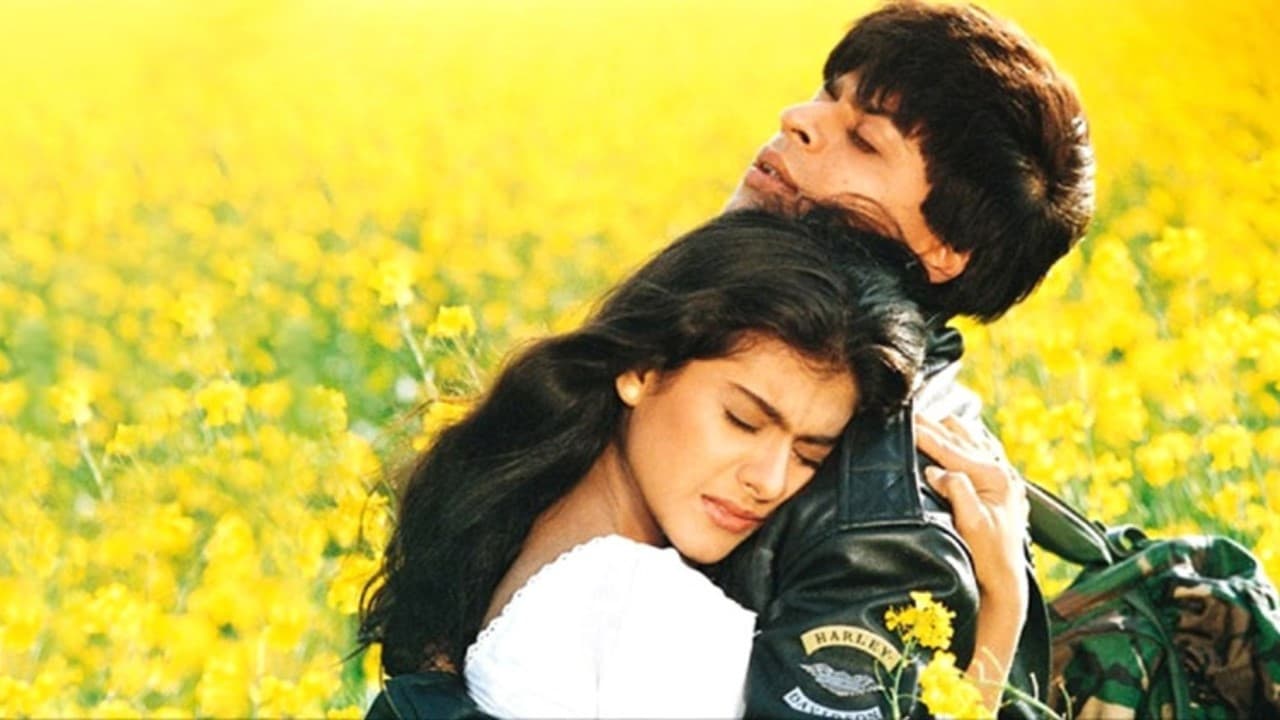
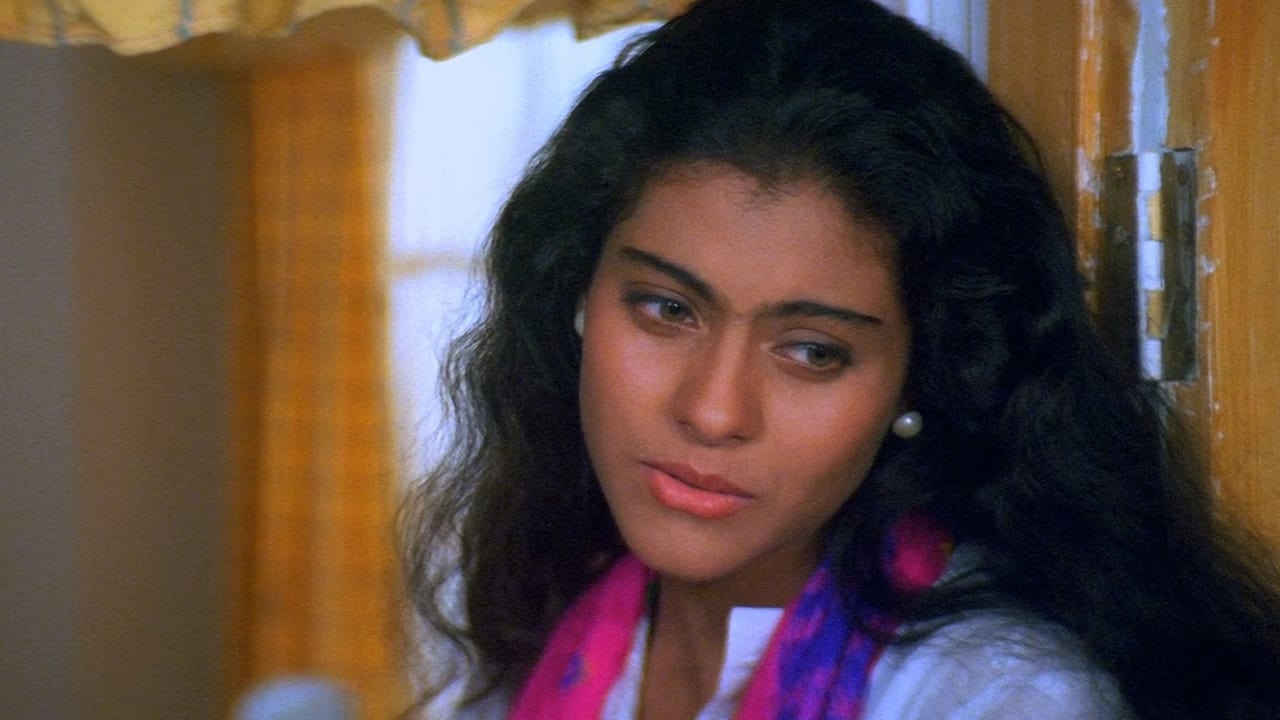
Let's be honest, the heart of DDLJ beats because of the undeniable, electric chemistry between Shah Rukh Khan and Kajol. This film cemented them as one of cinema's all-time great pairings. SRK, who initially had reservations about playing a romantic lead after a run of anti-hero roles, embodies Raj with infectious charm. He’s goofy, romantic, and surprisingly resolute when it counts. You see the transformation from carefree flirt to a man willing to fight tradition (respectfully!) for love. Kajol, meanwhile, is luminous as Simran. She perfectly captures the conflict of a young woman caught between duty and desire, her expressive eyes conveying every ounce of longing, frustration, and blossoming love.
And then there's Amrish Puri. Known often for his villainous roles (like Mola Ram in Indiana Jones and the Temple of Doom (1984)), here he crafts a character of immense authority and traditional pride, yet allows glimpses of the loving father beneath the stern exterior. His final moments in the film are pure cinematic gold, a testament to his incredible screen presence. The supporting cast, including Farida Jalal as Simran’s sympathetic mother and Anupam Kher as Raj’s jovial father, add wonderful warmth and humour.
Behind the Romance: Craft and Phenomenon
Aditya Chopra's direction feels remarkably assured for a debut. He skillfully balances grand romantic gestures with intimate character moments and vibrant song-and-dance sequences. The visuals, particularly the European leg, were a feast for the eyes on our old CRT screens, making Switzerland practically a character in itself and sparking travel dreams for countless viewers. Who didn't want to run through those mustard fields after seeing "Tujhe Dekha Toh"?
Speaking of songs, the soundtrack by Jatin-Lalit is legendary. Every single track was a chartbuster and remains beloved today. From the playful "Mere Khwabon Mein" to the celebratory wedding anthem "Mehndi Laga Ke Rakhna," the music is intrinsically woven into the film's DNA. I bet many of us had the cassette tape playing on repeat back in the day!
Now for some retro fun facts that highlight what a juggernaut this film was. Made on a budget of approximately ₹4 crore (around $1.3 million USD in 1995), DDLJ became one of the highest-grossing Indian films ever, raking in over ₹100 crore globally (a staggering sum then, roughly translating to over $33 million USD). Its impact wasn't just financial; it became a cultural touchstone, particularly resonating with the South Asian diaspora, exploring themes of identity and belonging for Non-Resident Indians (NRIs). Perhaps the most famous piece of trivia is its unprecedented theatrical run. The film played continuously at the Maratha Mandir cinema in Mumbai for over 1200 weeks – that's more than 23 years! It only stopped its regular daily screening schedule in 2015, a record unlikely ever to be broken. It even snagged 10 Filmfare Awards (India's equivalent of the Oscars), including Best Film, Best Director, Best Actor, and Best Actress.
Why It Still Holds Up
Yes, some elements might feel a touch dated now – the fashion, perhaps some of the comedic beats. But the core story? The central romance? The emotional weight? It all still lands. DDLJ captured lightning in a bottle. It celebrated love, but also family, tradition, and the idea that sometimes the hardest battles are won not through rebellion, but through respect and perseverance. Raj's iconic line, "Come… fall in love," wasn't just spoken to Simran; it was an invitation to the audience, and generations have accepted. The film tapped into universal desires for romance, adventure, and connection, wrapping it all in a package that felt both aspirational and deeply relatable. It showed a modern India emerging, comfortable blending global influences with its own rich heritage.
VHS Heaven Rating: 9.5/10
This score reflects the film's monumental success, its iconic performances and chemistry, the unforgettable soundtrack, and its sheer cultural significance. It's a near-perfect execution of the Bollywood romantic epic, flawlessly blending entertainment with emotion. The slight deduction acknowledges minor dated elements, but its heart remains timeless. DDLJ isn't just a movie; it's a warm, fuzzy feeling, a reminder of grand cinematic romance, and a permanent fixture in the Bollywood hall of fame. Finding this gem on VHS felt like discovering treasure, and its magic hasn't faded one bit. Go on, come fall in love… again.