What ghosts haunt the shores of Rapa Nui, the place we know as Easter Island? What drove its inhabitants to carve and erect the monumental Moai statues, only for their society to seemingly collapse into ruin? These questions linger, shrouded in archaeological debate and the mist rolling off the vast Pacific. In 1994, director Kevin Reynolds, reteaming with producer Kevin Costner after their monumental success with Robin Hood: Prince of Thieves (1991), offered a bold, passionate, and ultimately tragic cinematic answer with Rapa Nui. Pulling this tape from its worn sleeve often feels like unearthing a curious artifact itself – a film brimming with ambition, stunning visuals, and a story that swings for the epic fences, even if it doesn't entirely connect.

### An Island Divided
The film transports us to the isolated island around the year 1700, presenting a society rigidly divided. The ruling class, the Long Ears (Hanau Eepe), hold power, commanding the working class Short Ears (Hanau Momoko) to carve ever-larger Moai statues in a desperate bid to appease the gods and secure dwindling resources. Central to the plot is the annual Birdman competition: a perilous race where young warriors must swim shark-infested waters to a nearby islet, retrieve the first egg of the migrating Sooty Tern, and return victorious. The winner's tribe gets to rule for the next year. Against this backdrop of social tension and ecological strain, a forbidden love blossoms between Noro (Jason Scott Lee), a favoured Long Ear grandson of the Ariki-mau (chief), and Ramana (Sandrine Holt), a Short Ear woman deemed taboo for him. Complicating matters is Make (Esai Morales), Noro’s former best friend, now a bitter Short Ear representative determined to win the Birdman contest and challenge the status quo.
### Performances Etched in Stone
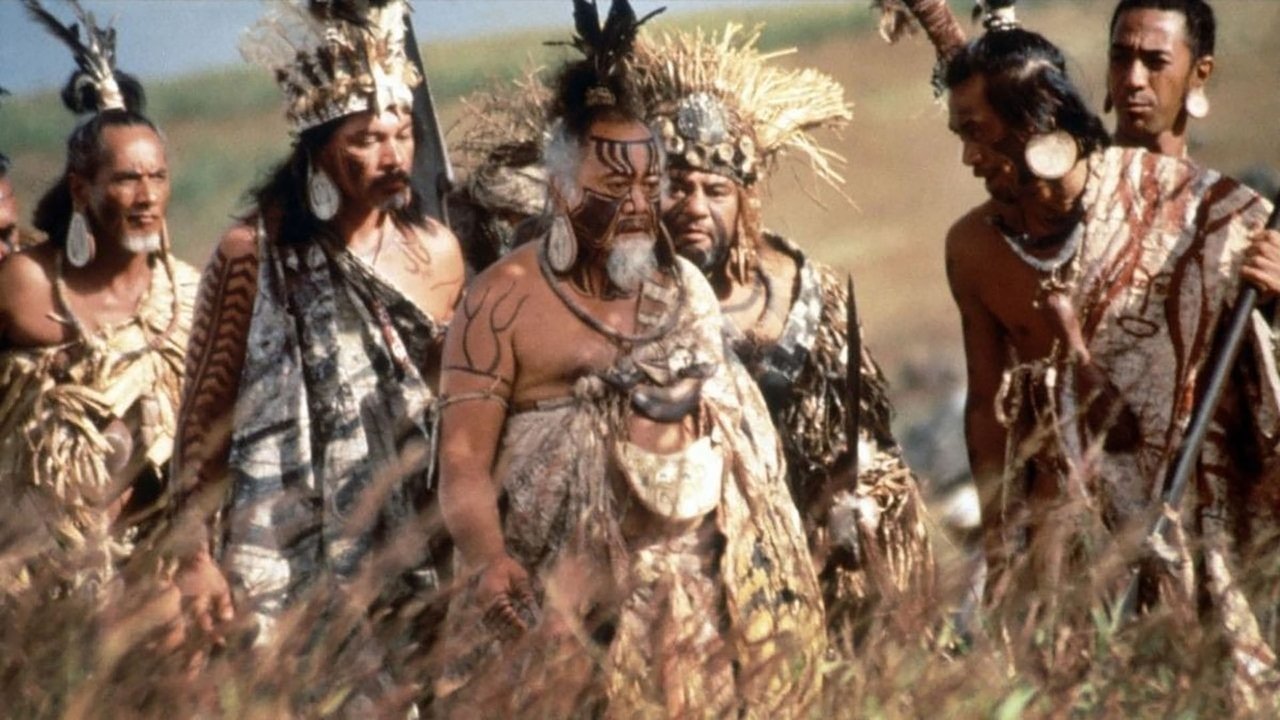
The performances carry much of the film's emotional weight. Jason Scott Lee, hot off his star-making turn in Dragon: The Bruce Lee Story (1993), brings a compelling physicality and simmering internal conflict to Noro. He embodies the privileged warrior torn between duty, love, and a growing awareness of the injustice surrounding him. Lee reportedly underwent intense physical training for the role, particularly for the demanding Birdman sequences, lending authenticity to his portrayal. Opposite him, Esai Morales, known for his charismatic intensity in films like La Bamba (1987), is riveting as Make. He captures the simmering resentment and desperate hope of the subjugated Short Ears, making Make more than just a simple antagonist; he's a product of a broken system. Sandrine Holt provides the film's heart as Ramana, caught between two worlds and two men, her performance conveying quiet strength and vulnerability amidst the societal chaos.
### Filming on Sacred Ground
Visually, Rapa Nui is often breathtaking. Reynolds utilizes the unique, stark beauty of Easter Island itself to full effect. Seeing the actual Moai statues integrated into the narrative landscape lends the film an undeniable sense of place and scale. However, filming on such a remote and culturally sensitive location was reportedly a logistical nightmare. The production, backed by a substantial $20 million budget (a hefty sum for 1994, translating to roughly $41 million today), faced immense challenges transporting equipment and crew, navigating local regulations, and ensuring the preservation of the archaeological sites. One can almost feel the strain of this ambitious undertaking on screen – a mirror, perhaps, to the straining society the film depicts. This venture marked another challenging collaboration between Reynolds and Costner, presaging the infamous difficulties they would face on their next project, Waterworld (1995).
### Echoes of History, Shades of Drama
It's crucial to approach Rapa Nui not as a historical documentary, but as a mythic interpretation. The film takes considerable liberties with the complex history and competing theories surrounding the island's decline. The stark Long Ear vs. Short Ear conflict, the specifics of the deforestation, and the timeline are simplified for dramatic effect. Some historians point out that the evidence for widespread cannibalism or outright tribal warfare of the nature depicted is debated. Yet, despite these inaccuracies, the film taps into potent themes that resonate: the dangers of unchecked resource depletion, the corrosive effects of rigid social hierarchy, the blindness of dogma, and the tragic consequences when leaders prioritize prestige (building bigger statues) over the well-being of their people and environment. Doesn't this sound uncomfortably familiar, even today? The film posits that the very obsession which created the island's iconic monuments may have also sowed the seeds of its destruction – a profound irony worth pondering.
### Spectacle and Sacrifice
The centrepiece action sequence, the Birdman competition, is genuinely thrilling. Reynolds captures the raw physicality and life-or-death stakes of the race – the treacherous climb down cliffs, the frantic swim through choppy waters, the desperate scramble for the egg. The practical stunt work feels visceral and dangerous, a hallmark of action filmmaking from the era before CGI dominance. It’s a sequence that perfectly encapsulates the film's themes of sacrifice, tradition, and the desperate fight for survival and status. While these scenes provide spectacle, the film’s quieter moments – a stolen glance between Noro and Ramana, a conversation heavy with unspoken history between Noro and Make – often carry equal, if not greater, impact.
### A Flawed Epic Remembered
Rapa Nui was, unfortunately, a significant box office failure upon release, grossing barely over $300,000 in the US against its $20 million budget. Critics were divided, praising the visuals and ambition but often criticizing the historical simplification and sometimes heavy-handed melodrama. Perhaps it was too niche, too bleak, or simply overshadowed by other releases. Yet, viewed through the lens of VHS nostalgia, it stands as a fascinating curio. It’s a film that tried something different, tackling grand themes on an epic scale with earnest conviction. I remember renting this one, drawn in by the exotic setting promised on the cover box, and being struck by its somber beauty and unsettling story, even if I didn’t fully grasp the historical context back then. It felt distinct from the usual blockbuster fare.
Rating: 6/10
The rating reflects a film whose reach perhaps exceeded its grasp. It earns points for its stunning location cinematography, committed performances from Lee and Morales, and the sheer audacity of its premise. The Birdman competition remains a standout sequence. However, it loses points for its significant historical fudging and a script that sometimes leans into predictable melodrama, occasionally blunting the impact of its powerful themes. It’s not a perfect film, but its earnestness and visual splendor make it a worthwhile watch for fans of ambitious, slightly offbeat 90s epics.
Rapa Nui remains a haunting cinematic echo from the mid-90s – a flawed but visually arresting attempt to dramatize one of history's great mysteries, leaving you to ponder the silent stone faces and the human passions that raged beneath them. What stories do you think those stones could tell?