There’s a particular kind of awe reserved for films that pit ordinary people against the raw, untamable fury of nature. It's a primal conflict, one that strips away pretence and reveals character under immense pressure. Wolfgang Petersen’s 2000 maritime disaster epic, The Perfect Storm, doesn't just depict such a conflict; it hurls you headfirst into the churning chaos, leaving you feeling the spray and the bone-chilling dread long after the credits roll. It arrived just as the new millennium dawned, a spectacle straddling the line between the practical grit we loved in 80s/90s blockbusters and the burgeoning digital possibilities transforming cinema.

The Salt-Stained Reality of Gloucester
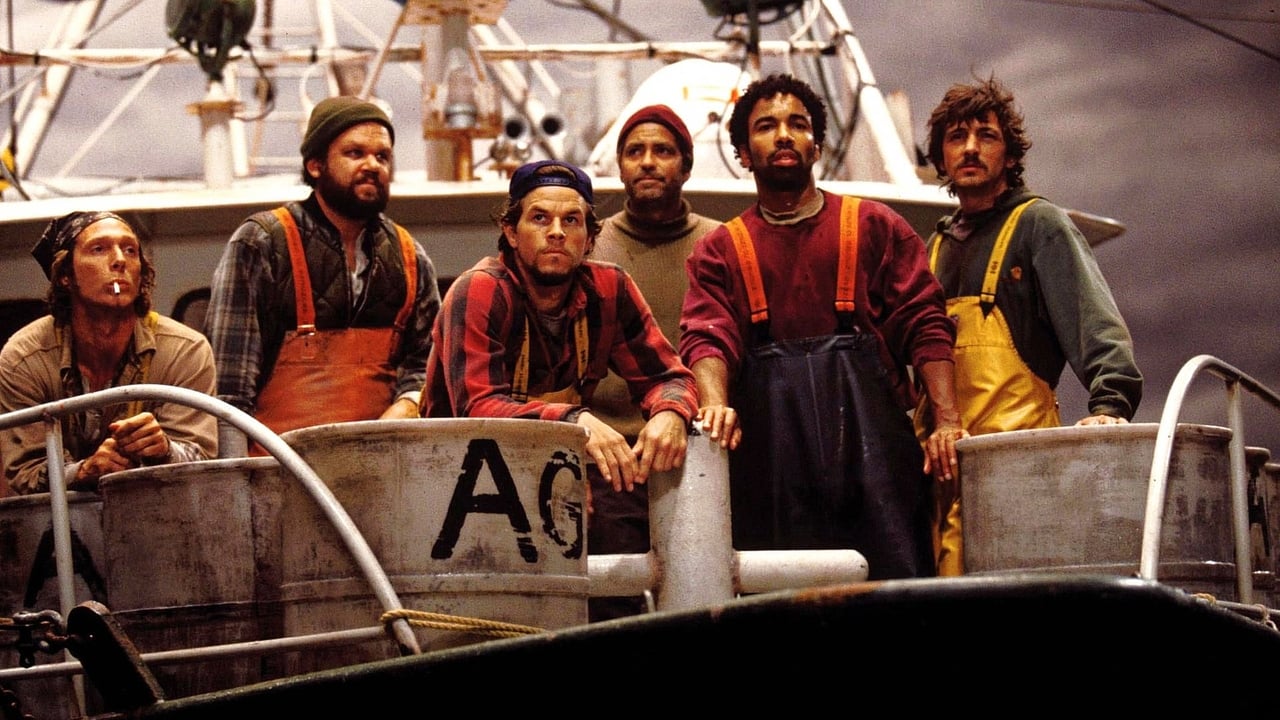
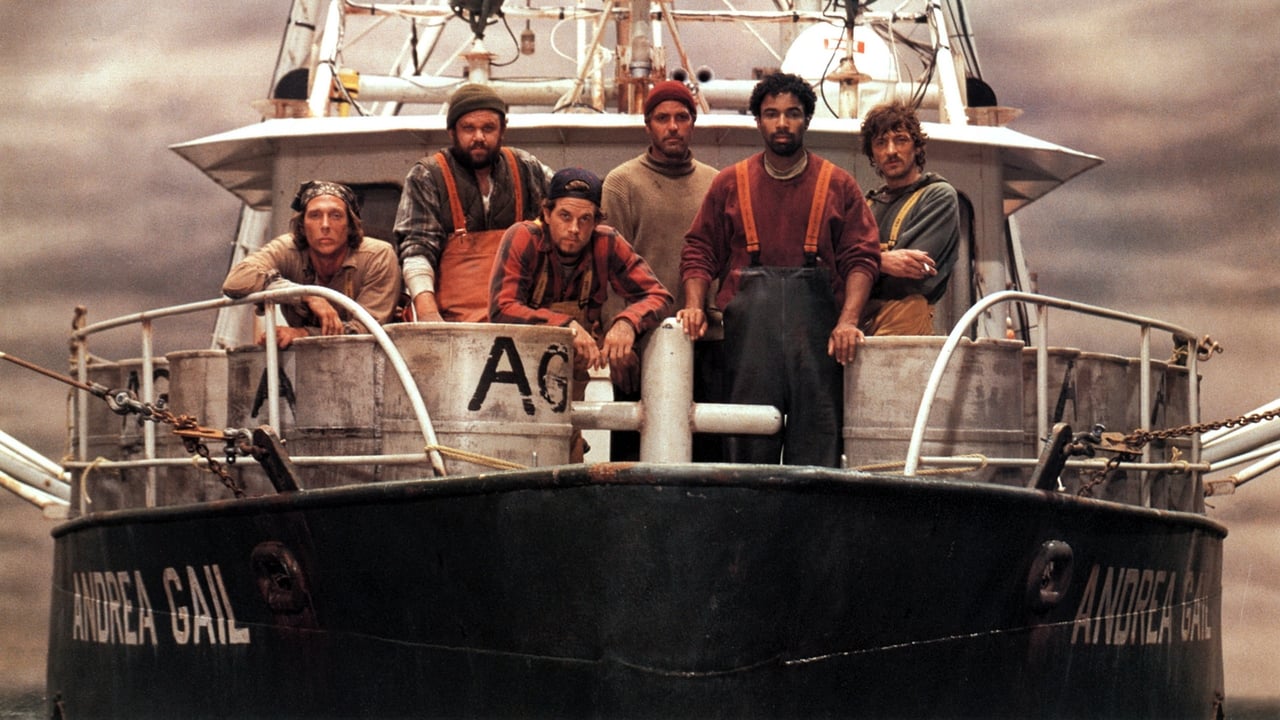
Before the waves rise to impossible heights, Petersen, known for claustrophobic tension in masterpieces like Das Boot (1981), wisely grounds us in the specific world of Gloucester, Massachusetts. We meet the crew of the Andrea Gail, swordfishing folk whose livelihoods depend on the perilous bounty of the North Atlantic. There's Captain Billy Tyne (George Clooney, carrying the weight of a recent poor run), the eager young Bobby Shatford (Mark Wahlberg, dreaming of a life ashore with his girl), Murph (John C. Reilly, dependable and weary), and the rest of the ensemble. Their interactions feel lived-in, steeped in the rhythms of a tight-knit fishing community where bravado masks vulnerability and economic necessity often dictates dangerous choices. The film takes its time establishing these lives, the financial pressures mounting on Tyne, the hopes and fears simmering beneath the surface. Doesn't this grounding make the inevitable confrontation with the storm feel all the more personal, all the more terrifying?
Riding the Digital Wave
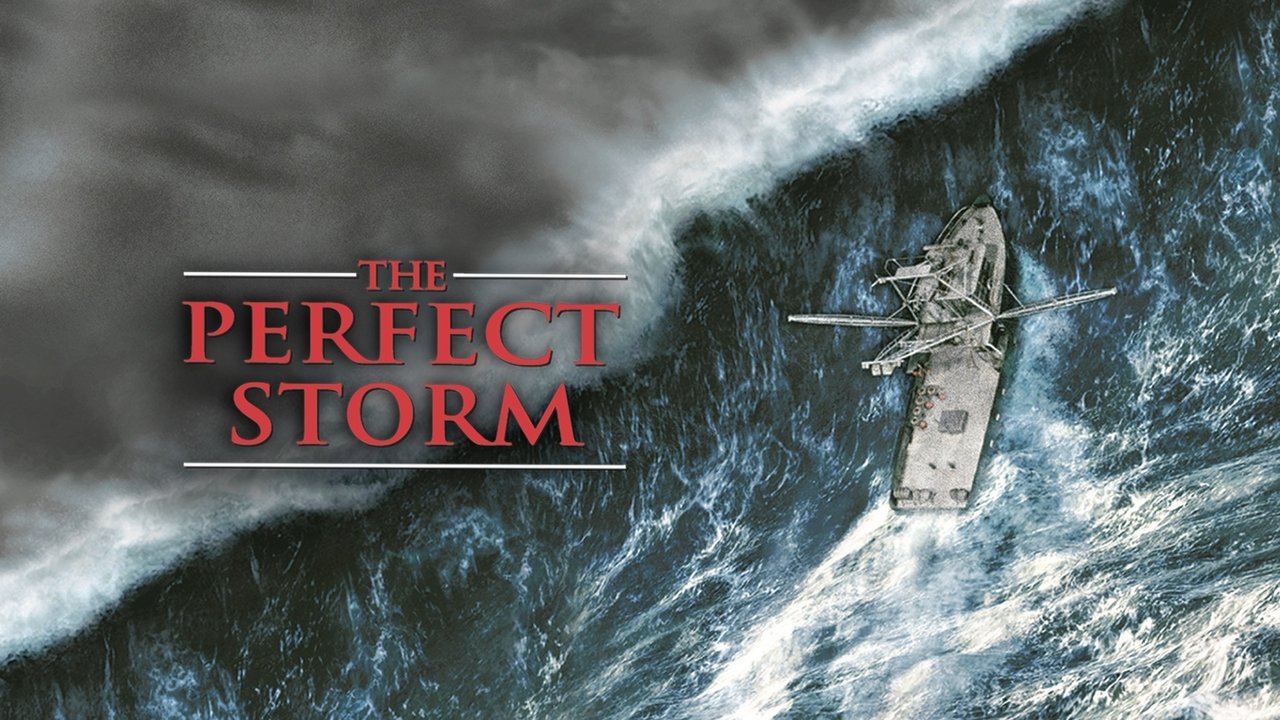
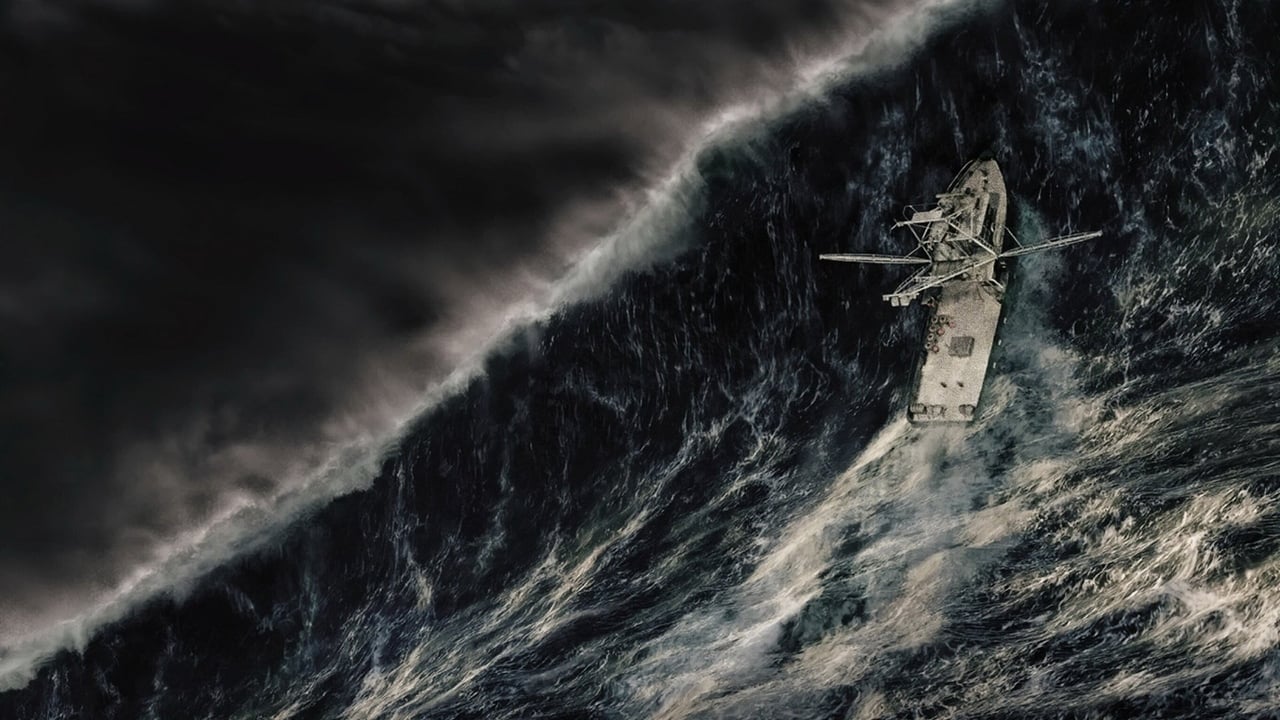
Of course, the star of The Perfect Storm is the storm itself – a monstrous confluence of weather systems. And here, the film was truly groundbreaking for its time. Industrial Light & Magic (ILM) pushed the boundaries of computer-generated water effects, creating waves with terrifying scale and weight. I distinctly remember seeing this in the cinema, the sheer visual impact was overwhelming. What makes it still resonate, perhaps even more than some later, entirely digital creations, is Petersen’s insistence on blending the CGI with large-scale practical effects. They utilized enormous wave tanks and full-sized gimbal-mounted boat sets, subjecting the actors to genuinely punishing conditions. Knowing that Clooney, Wahlberg, and the others were really being battered by tons of water adds a visceral authenticity that pure CGI sometimes lacks. It cost a fortune – around $140 million back then – but the commitment to that tangible chaos paid off, translating into a hefty $328.7 million worldwide haul and cementing its place as a major event movie.
More Than Just Spectacle?
Beneath the astonishing visual fury, the film wrestles with themes of desperation, courage, and the sheer indifference of nature. Tyne’s decision to push further out, into the dangerous Flemish Cap, isn't just hubris; it’s driven by the need to make a living, to prove himself again. The performances sell this human drama amidst the deluge. Clooney finds a quiet, stoic center for Tyne, a man burdened by responsibility. Wahlberg effectively conveys Bobby's yearning for a different life clashing with his loyalty to the crew. Diane Lane as Bobby's worried girlfriend and Mary Elizabeth Mastrantonio as a rival fishing captain provide vital emotional anchors back on land, their anxiety mirroring our own as reports worsen. While some character arcs might feel secondary to the overpowering storm sequences, the ensemble cast ensures we remain invested in the human element. Their camaraderie feels genuine, forged in shared danger.
Retro Fun Facts: Weathering the Production
Bringing this true story (based on Sebastian Junger's meticulously researched non-fiction bestseller) to the screen was an immense undertaking. Petersen reportedly storyboarded the complex storm sequences extensively. The main Andrea Gail set was housed in one of Warner Bros.' largest soundstages, equipped with a massive water tank and sophisticated hydraulics to simulate the ocean's violence. There's a story that Clooney, despite the physical demands, maintained his good humour, sometimes emerging from the freezing tank work to find his trailer prankishly filled with water by the crew. It’s these small anecdotes that remind you of the human effort behind the Hollywood magic – real people enduring simulated chaos to bring a harrowing true event to life. Interestingly, the actual town of Gloucester served as a primary filming location, adding another layer of authenticity, though the locals had mixed feelings about Hollywood descending upon their community to dramatize a local tragedy.
The Unrelenting Power
The Perfect Storm isn't subtle. It’s a full-throated disaster movie that aims for maximum sensory impact. The sound design is thunderous, James Horner's score swells with appropriate nautical grandeur and dread, and the pacing, once the storm hits, is relentless. Does it sometimes prioritize spectacle over nuanced character study? Perhaps. But its power lies in its immersive portrayal of that ultimate struggle – humanity versus the elements. It captures the terrifying beauty and absolute destructive capability of the ocean in a way few films had before, or frankly, have since with quite the same blend of practical and digital heft. It’s a film that respects the power it depicts, and the real lives lost in the actual 1991 event.
Rating: 8/10
This score reflects the film's towering technical achievement for its time, the effective tension built by Petersen, and the committed performances that anchor the spectacle. It successfully translates the visceral terror of the book to the screen, creating an unforgettable cinematic experience. While character depth occasionally takes a backseat to the storm itself, the sheer force of the filmmaking and its grounding in a true story make it a powerful watch.
What lingers most after the waves subside isn't just the memory of groundbreaking special effects, but the sobering reminder of nature's immense power and the quiet courage of those who face it head-on. It’s a film that leaves you feeling small against the vastness of the ocean, a feeling that stays with you long after the tape ejects.